#elderly-safety
#elderly-safety
[ follow ]
#aging #caregiving #dementia #mental-health #retirement #ageism #alzheimers-disease #friendship #relationships
Mental health
fromSilicon Canals
19 hours agoPsychology says the loneliness that arrives after 65 isn't an inevitable feature of aging - it's the accumulated result of every friendship that was allowed to thin, every phone call that was delayed, every invitation that wasn't extended, compounded quietly over decades until the social life that once maintained itself without effort requires more effort than it has ever required and more energy than is currently available - Silicon Canals
Loneliness often stems from a series of small decisions that weaken social connections over time.
Psychology
fromSilicon Canals
13 hours agoPsychology says the reason older people stop caring isn't emotional withdrawal - it's that they've finally learned to distinguish between what actually matters and what they were only caring about out of social obligation - Silicon Canals
Older individuals prioritize emotional connections over superficial relationships as they age, focusing on what truly matters in their lives.


#aging
Parenting
fromSilicon Canals
2 days agoThe most painful thing about watching a parent age isn't the physical decline. It's the moment you catch them deferring to you on a decision they would have made without hesitation ten years ago, and you both feel the transfer of authority that neither of you agreed to. - Silicon Canals
The real challenge of aging parents lies in the subtle shifts of authority and uncertainty in their decision-making.
Psychology
fromSilicon Canals
20 hours agoPsychology says people who slowly become unpleasant to be around as they get older didn't develop new flaws - they lost the motivation to manage the old ones, and the management, it turns out, was doing considerably more work than anyone around them understood while it was still running - Silicon Canals
People don't become worse with age; they simply stop managing their flaws as their energy to do so diminishes.
Mental health
fromSilicon Canals
3 days agoPsychology says the reason aging people feel like they don't matter isn't about what they've lost - it's that society defines mattering as productivity and visibility, and the moment you step outside those narrow roles, your value becomes invisible even to people who love you - Silicon Canals
Retirement and aging can lead to feelings of invisibility and worthlessness due to society's narrow definitions of productivity.
Mental health
fromSilicon Canals
1 week agoPsychology says the real reason being over 60 is so hard isn't aging itself - it's that modern culture has no framework for dignity without productivity, and once you stop producing economic value, you become socially invisible in a way that no amount of grandchildren or hobbies can fix - Silicon Canals
The hardest part of aging in the modern West is the cultural equation between productivity and personhood, not physical decline.
Parenting
fromSilicon Canals
2 days agoThe most painful thing about watching a parent age isn't the physical decline. It's the moment you catch them deferring to you on a decision they would have made without hesitation ten years ago, and you both feel the transfer of authority that neither of you agreed to. - Silicon Canals
The real challenge of aging parents lies in the subtle shifts of authority and uncertainty in their decision-making.
Psychology
fromSilicon Canals
20 hours agoPsychology says people who slowly become unpleasant to be around as they get older didn't develop new flaws - they lost the motivation to manage the old ones, and the management, it turns out, was doing considerably more work than anyone around them understood while it was still running - Silicon Canals
People don't become worse with age; they simply stop managing their flaws as their energy to do so diminishes.
Mental health
fromSilicon Canals
3 days agoPsychology says the reason aging people feel like they don't matter isn't about what they've lost - it's that society defines mattering as productivity and visibility, and the moment you step outside those narrow roles, your value becomes invisible even to people who love you - Silicon Canals
Retirement and aging can lead to feelings of invisibility and worthlessness due to society's narrow definitions of productivity.
Mental health
fromSilicon Canals
1 week agoPsychology says the real reason being over 60 is so hard isn't aging itself - it's that modern culture has no framework for dignity without productivity, and once you stop producing economic value, you become socially invisible in a way that no amount of grandchildren or hobbies can fix - Silicon Canals
The hardest part of aging in the modern West is the cultural equation between productivity and personhood, not physical decline.
#retirement
Relationships
fromSilicon Canals
1 day agoI retired at 64 with a generous pension and a calendar full of plans - and by month three I was staring at my phone realizing I had nobody to call just to talk, not because I needed something - Silicon Canals
Retirement can lead to unexpected loneliness and a realization of the lack of genuine friendships built outside of work.
Retirement
fromSilicon Canals
2 days agoPsychologists explain that people who feel neglected in retirement aren't necessarily being ignored - they're experiencing the sudden absence of the role-based relationships that made them feel valued for forty years - Silicon Canals
Retirement can lead to feelings of invisibility and loss of identity as relationships formed at work fade away.
#grandparenting
NYC parents
fromwww.businessinsider.com
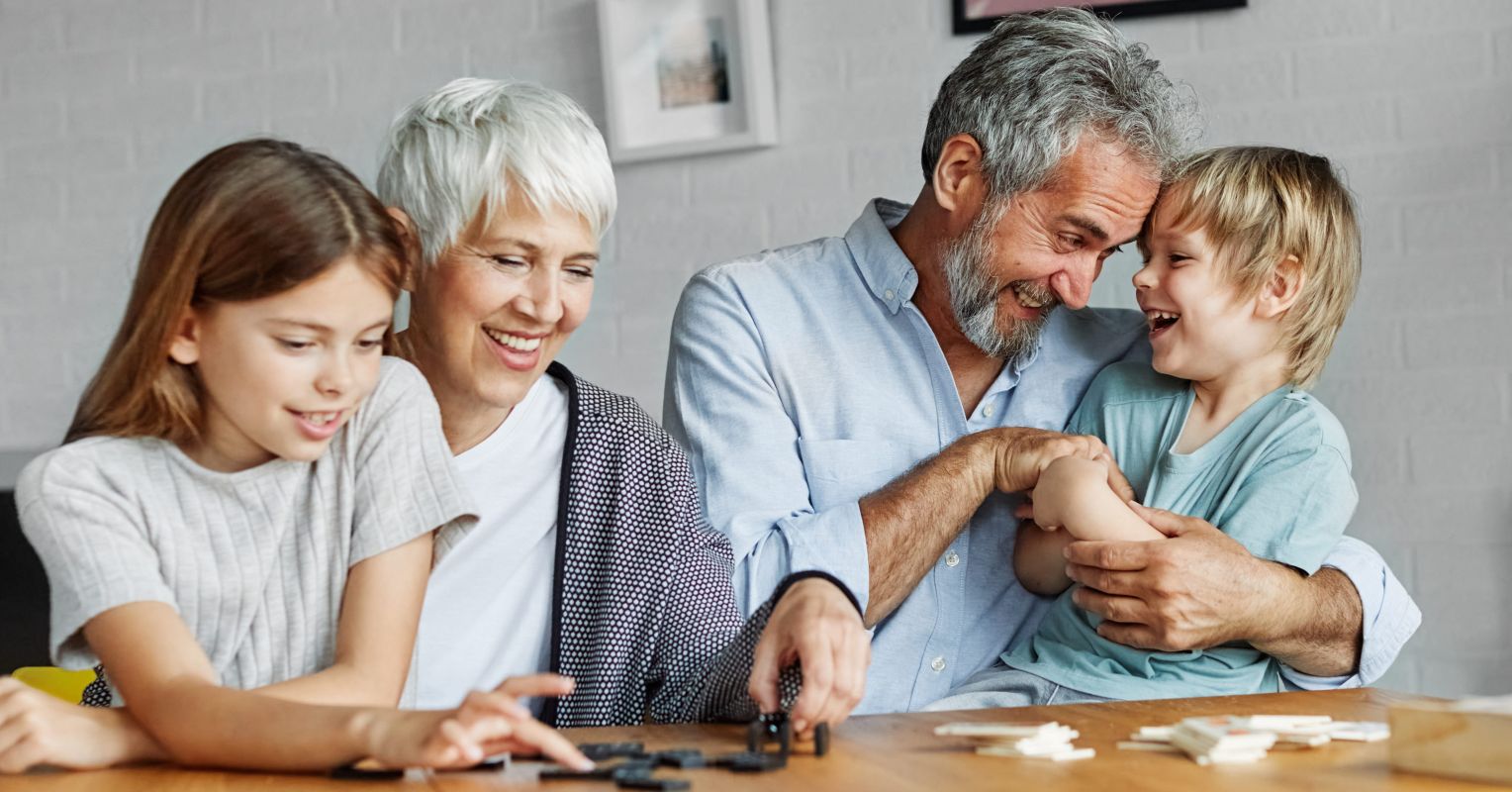
5 days agoI started raising my grandson just a few months into my retirement. My wife and I want to give him a good life, but it's financially draining.
Martin Odum and his wife are raising their grandson Noah, who has spina bifida, after previously raising their granddaughter.
NYC parents
fromwww.businessinsider.com
5 days agoI started raising my grandson just a few months into my retirement. My wife and I want to give him a good life, but it's financially draining.
Martin Odum and his wife are raising their grandson Noah, who has spina bifida, after previously raising their granddaughter.



Relationships
fromSilicon Canals
4 days agoPsychology says the most isolating part of retirement isn't being alone - it's realizing that most of your relationships were held together by proximity, routine, and utility, not genuine curiosity about who you are - Silicon Canals
Most relationships are maintained by physical proximity rather than genuine connection, a truth that becomes evident in retirement.
#emotional-health
Retirement
fromSilicon Canals
3 days agoI'm 66 and I spent forty years trying to stay positive through everything - and what I actually created was a life where nobody knew me well enough to notice when I was drowning - Silicon Canals
Staying positive can lead to hidden struggles and emotional isolation, as individuals often mask their true feelings to appear strong.
Relationships
fromSilicon Canals
1 week agoPeople who were always the strong one in the family often become the loneliest person in the room after 65. Every link must be real and accurate - Silicon Canals
Being the strong one in a family can lead to profound loneliness in later life due to a lack of emotional reciprocity.
fromwww.theguardian.com
2 weeks agoStrong evidence' of lowered dementia risk: the benefits of shingles vaccination
Shingles is a viral infection caused by the varicella-zoster virus, which also causes chickenpox. If you've had chickenpox, the virus stays in your body and can reactivate later in life as shingles at any age, though most commonly after 50. While caused by the same virus, shingles and chickenpox are not the same illness. They present differently because, while chickenpox is the initial infection, if and when the virus reactivates, it travels along nerve pathways to the skin, producing shingles.
Alternative medicine
#dementia-care
Medicine
fromwww.theguardian.com
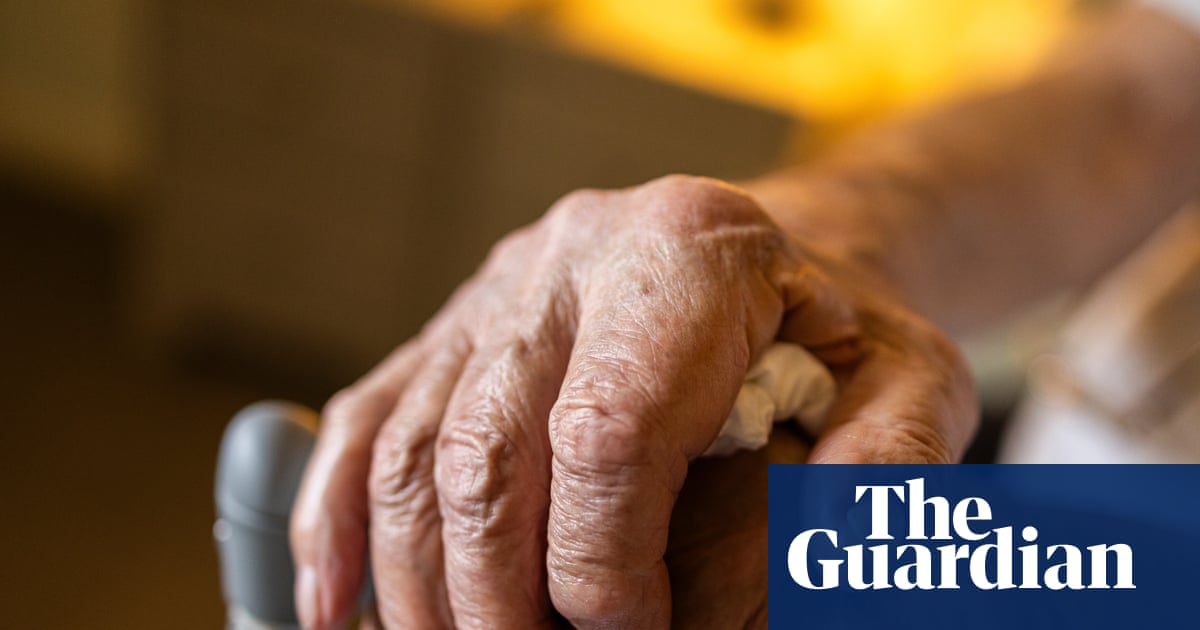
2 weeks agoRestraining and sedating dementia patients routine' in hospitals in England, study finds
Dementia patients in English hospitals routinely experience restraints and non-consensual sedation as embedded ward practices, with staff often unaware these constitute restrictive interventions.
Humor
fromSilicon Canals
3 weeks agoPeople who maintain a genuine sense of humor in their retirement years aren't just naturally funnier - they also practice these habits - Silicon Canals
Maintaining a sense of humor in retirement requires intentional choices: surrounding yourself with people who laugh, learning to laugh at yourself, and staying engaged in activities that bring joy rather than dwelling on complaints.
Parenting
fromBusiness Insider
2 weeks agoI'm raising my grandson alone in my 70s and can't afford to retire. With gas prices rising, I worry about finances every day.
A 73-year-old grandmother in Alabama works full-time and raises her 14-year-old grandson alone, unable to retire as her Social Security covers housing and rising expenses deplete her savings.


Medicine
fromwww.businessinsider.com
2 weeks agoI vibe coded an AI caregiving system for my aging parents. Now I'm building a startup to share the tech with others.
Srdjan Stakic developed an AI system to monitor his elderly parents' health and is launching a company to offer this technology to others.
Parenting
fromSilicon Canals
3 weeks agoMy parents are in their 60s and watching them begin to slow down is the first thing in my adult life that research can't help me process - Silicon Canals
Adult children experience role reversal with aging parents, navigating the emotional complexity of shifting from receiving guidance to providing support while preserving parental independence.
Medicine
fromNature
2 weeks agoAutism in older adults: the health system must recognize its effects
Autism research neglects adults, yet older autistic individuals face higher rates of heart disease, Parkinson's-like symptoms, osteoporosis, and dementia, requiring systematic investigation and adapted healthcare pathways.
Retirement
fromBuzzFeed
4 weeks ago32 Older People Are Sharing The Issues They Face That Aren't Talked About Enough
Older Americans face overlooked challenges including disrespect from younger generations, lack of formal address etiquette, and senior women experiencing homelessness due to insufficient retirement savings and inflation.
fromPsychology Today
4 weeks agoWeeding Out Agitation: A New Leaf for Dementia Care
Over the past six years, I've had the privilege of caring for patients with varying degrees of cognitive impairment. As a medical cannabis doctor, I often visit these patients in memory care units, seeing these once self-sufficient individuals, their personas now diminished, no longer able to care for themselves. They become angry and anxious as they confront the fact that their minds, their memories, what made them who they were, recollections of all that they have lived through and accomplished, are slipping away from them.
Healthcare
Relationships
fromwww.housingwire.com
3 weeks agoAging in place drives family caregiving, but at what cost?
Lower-income adults are significantly more likely to be caregivers for aging relatives than higher-income adults, with women bearing disproportionate emotional and physical health burdens from caregiving responsibilities.


Miscellaneous
fromLos Angeles Times
35 years agoManaging With Heart : Good Will: Couple running apartment uses loving ways, clean surroundings to keep elderly residents happy.
Diane and Joe Cole's compassionate management approach at Oxford Park Apartments creates a welcoming community where senior and disabled residents thrive with genuine care and attention.
Healthcare
from24/7 Wall St.
1 month agoWhy Many Retirees Are Underestimating Healthcare Usage, Not Just Costs
Retirees underestimate healthcare costs by focusing on total spending figures rather than accelerating usage patterns driven by chronic conditions and age-related increases in doctor visits and hospitalizations.
fromAlternative Medicine Magazine
1 month agoHealthy Lifestyle for Seniors: What to Prioritize After 60
As you age, your body gets less efficient at repair and recovery, as your: Immune system gradually loses some of its resilience Digestion slows Chances of chronic conditions like heart disease, type 2 diabetes, and osteoporosis increase Retirement can also impact your health in complex ways. While stepping away from work often reduces stress, it may lead to less physical activity and fewer social interactions-both of which can raise your health risks.
Alternative medicine
Retirement
fromSilicon Canals
1 month agoYou know retirement loneliness has hit when the highlight of your week is one of these 8 things you never would have noticed before - Silicon Canals
Retirement removes work structure and social connections, leading to loneliness that manifests through seeking trivial activities and interactions to fill time and create purpose.
fromSilicon Canals
1 month agoPsychology says when an elderly parent starts repeating the same stories over and over, they're not losing their memory-they're doing something with those specific stories that most families never stop to understand - Silicon Canals
Psychologists who study narrative identity have found that elderly individuals often repeat specific stories as a way of preserving and transmitting their core identity and values. These aren't random tales that bubble up from failing memory. They're carefully curated selections from a lifetime of experiences, chosen unconsciously for their significance.
Psychology
fromwww.standard.co.uk
2 months agoMoment woman, 84, with dementia is mugged yards from her home in east London
An elderly woman with dementia has been left terrified to leave home after she was muggedjust yards from her front door in east London. Katherine Stockdale, 84, was targeted on Sturry Street in Poplar on Saturday, January 24, while walking back from the local market with her trolley. CCTV footage, which has been circulating on social media, appears to show a woman stopping Katherine in the street and asking her something.
UK news
Wellness
fromSilicon Canals
1 month ago8 everyday habits that make people in their 60s and 70s seem decades younger than they actually are - Silicon Canals
Daily, simple habits—consistent movement, genuine curiosity, and small routines—produce youthful energy and preserve physical and cognitive vitality.
fromSilicon Canals
1 month agoThe phone call scam targeting grandparents that sounds so real even cautious people fall for it - Silicon Canals
The phone rings at 2:47 AM. Your heart pounds as you fumble for the receiver. "Grandma?" The voice is shaky, desperate. "I'm in trouble. I got arrested. Please don't tell Mom and Dad." The voice sounds just like your grandson. He uses the nickname only family knows. He remembers that trip you took together last summer. Everything about this call feels real because, in many ways, it is.
Information security
fromBusiness Insider
1 month agoI'm raising my four-year-old granddaughter on my own in my 60s. I expect to work until I die.
This as-told-to essay is based on a conversation with Dorenne Simonson, 66, who is her granddaughter's kinship care provider in New Jersey. Simonson has parented her since she was two months old. This interview has been edited for length and clarity. I've always been in a situation where I had to spend whatever I made. There's no retirement account when you're single and raise five kids by yourself.
Parenting


fromFast Company
1 month ago4 things to look for when choosing a long-term care facility for a loved one
Sometimes it's a fall that brings a broken hip and a loss of mobility. Or memory problems that bubble into danger. Or the death of the partner who was relied upon for care.The need to move to a nursing home, assisted living facility or another type of care setting often comes suddenly, setting off an abrupt, daunting search. It's likely something no one ever wanted, but knowing what to look for and what to ask can make a big difference.
Public health
Psychology
fromSilicon Canals
2 months ago7 cognitive strengths people over 65 often have that younger people haven't developed yet - Silicon Canals
Aging enhances crystallized intelligence and wisdom, providing extensive accumulated knowledge and pattern recognition that support sophisticated problem-solving despite some fluid declines.
Relationships
fromBusiness Insider
2 months agoI raised my grandchildren after my daughter and son-in-law died. Now 87, it wasn't how I expected retirement to be.
An 87-year-old raised her grandchildren after both parents died while still working, facing emotional strain and generational caregiving challenges.
Medicine
fromSilicon Canals
1 month agoIf you're over 65 and these 8 things come naturally to you, your cognitive health is exceptional - Silicon Canals
Certain habits and abilities—like learning new technology, strong memory for recent conversations, and cognitive flexibility—predict preserved memory and brain health in older adults.
fromBusiness Insider
1 month agoThree generations live next door - and it's helping this family afford both housing and elder care
Lauren McCadney had always wanted to live next door to friends or family. In her late 50s, she finally made that happen, though not the way she'd planned. In 2020, Lauren's mother, who had been living with her brother and his family in Frederick, Maryland, died. Lauren, who was going through a difficult divorce and doesn't have children, decided she wanted to be closer to her family and help her brother care for their dad, who was dealing with his own health challenges.
Relationships
Mental health
fromSilicon Canals
1 month agoPsychology says people who become completely isolated after 60 usually displayed these 7 warning signs in their 50s without realizing it - Silicon Canals
Gradual, rational-seeming withdrawals in the fifties, like stopping to form new friendships, predict social isolation after sixty.
fromBusiness Insider
2 months agoI'm still working at 80 to help my family with medical bills. Caregiving has brought me closer to my grandkids, but I don't think I'll retire.
I was considering retiring after I turned 80, but the cost of geriatric care is high. My sister and ex-wife both require care. My sister is in full-time memory care, and my ex-wife has needed more care over the past two years after a dementia diagnosis, so I decided to keep working. I'm trying to help support them, whether it's paying the care facility directly or paying them to provide some support or outside nurses.
Public health
[ Load more ]