#emergency-brakes
#emergency-brakes
[ follow ]
#autonomous-vehicles #automotive-technology #tesla #vehicle-safety #safety #steer-by-wire #waymo #road-safety
fromMail Online
4 days agoScientists work out why the car you just overtook seems to reappear
Dr. Conor Boland explained that red-light timing can erase small speed advantages, allowing a slower car to catch up again and again. He noted, 'You pass a car, and then a few minutes later, it ends up beside you again.' This phenomenon is partly psychological, as we remember surprising moments when the same car shows up again, but it is also built into how traffic works.
Psychology

fromTechCrunch
2 weeks agoCyberattack on vehicle breathalyzer company leaves drivers stranded across the US | TechCrunch
Intoxalock spokesperson Rachael Larson confirmed that the company had been hit by a cyberattack, stating that they took steps to temporarily pause some of their systems as a precautionary measure.
Information security
Artificial intelligence
fromTechCrunch
3 weeks agoFord's new AI assistant will help fleet owners know if seatbelts are being used | TechCrunch
Ford launched a free AI assistant for commercial customers to analyze fleet data and improve profitability, betting that software generates revenue even when offered at no cost.
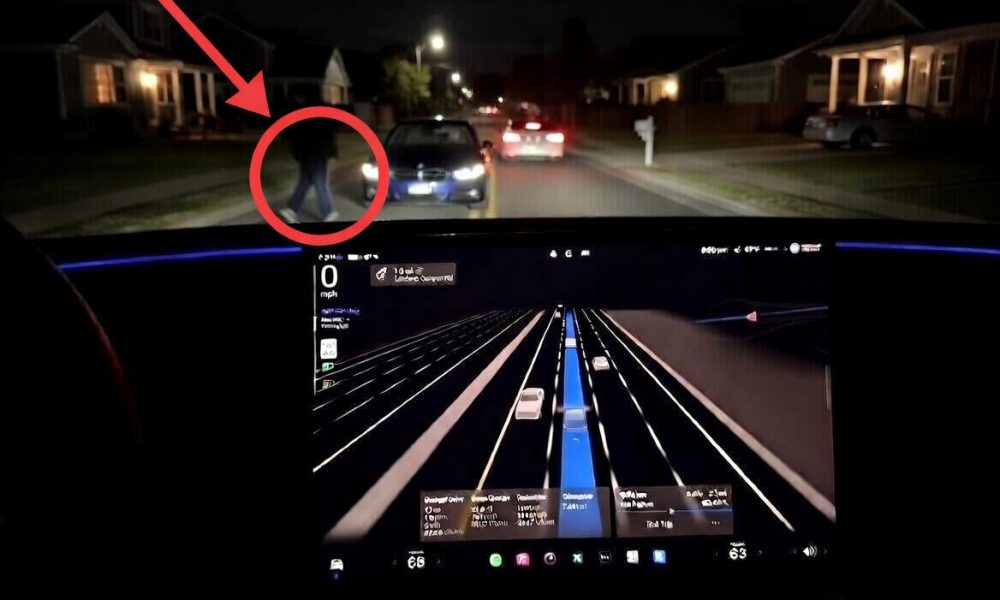
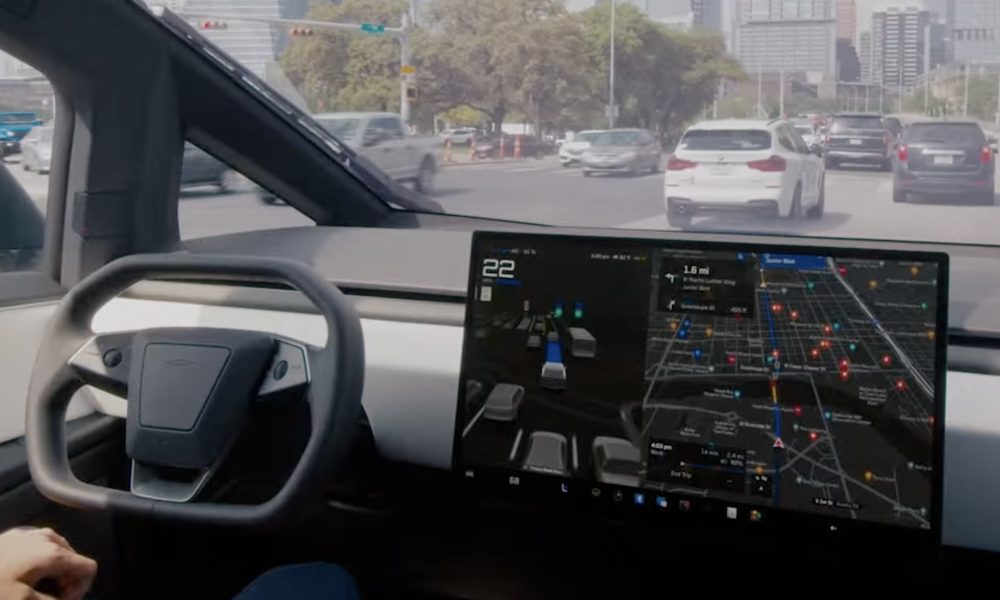

San Francisco
fromFuturism
4 weeks agoEmergency Responders Say They're Now Unpaid "Roadside Assistance" for Confused Waymos
San Francisco emergency responders are increasingly forced to provide roadside assistance for malfunctioning Waymo robotaxis, diverting critical resources from actual public safety emergencies.
fromwww.businessinsider.com
1 week agoDriverless cars, meet your eye doctor
Kinetic's CEO Nikhil Naikal states, 'We have eyes, and when we need to correct vision, we go to an optometrist... In the same way, this is a digital prescription to correct the errors of the car's understanding of the world around it.'
Cars
fromStreetsblog
1 month agoThree Theories About Why U.S. Car Crash Deaths Are Plummeting - Streetsblog USA
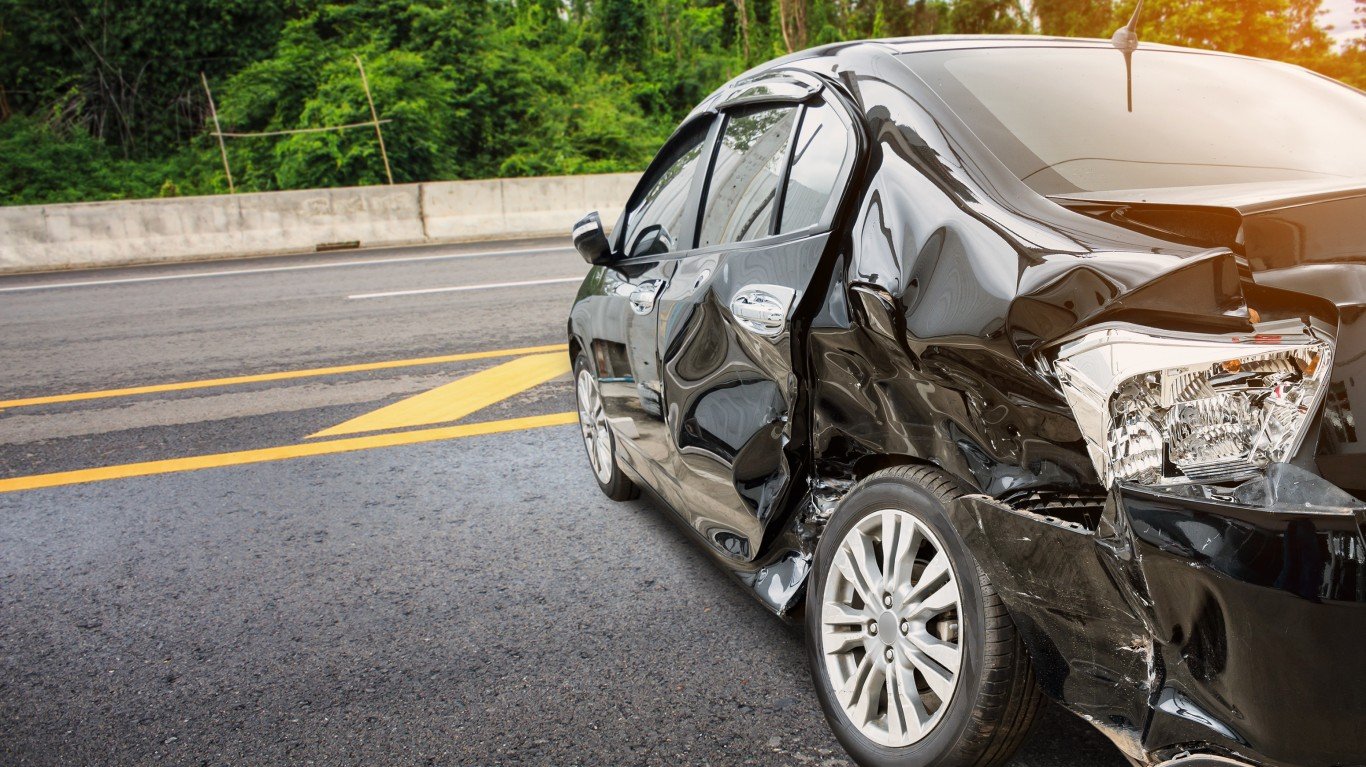
The National Safety Council recently estimated that U.S. traffic deaths plummeted by nearly 5,000 between 2024 and 2025 - a 12-percent drop, and the largest single-year decline since at least 1999. That estimate still means that 37,810 people lost their lives in car crashes last year - a horrifying number, but the lowest one published by NSC since 2019.
Public health
fromSocial Media Explorer
1 month agoThings to Do Immediately If You Lose Your Only Set of Car Keys - Social Media Explorer
In the age of smart fobs and transponder chips, losing your keys isn't just a minor inconvenience; it can feel like a high-tech lockout from your own life. When the realization settles in, the clock starts ticking. Your first instinct might be to call the dealership, but that often leads to a massive towing bill and a multi-day wait for parts.
Gadgets
fromFast Company
1 month agoIf technology could bring traffic fatalities down to nearly zero, why not embrace it?
Compact, low-rise villages and cities made sense based on how far people could reasonably travel on foot or by horse. This was true all the way up until the late 1800s. Then came an invention that let people travel incredible distances in seconds, entirely reshaping cities with dense population clusters.
Miscellaneous
fromBusiness Insider
1 week agoWhy fully self-driving cars are almost impossible
Despite significant investments and technological advancements, the reality is that no vehicle currently operating on public roads can be classified as fully autonomous. The complexities of real-world driving conditions present insurmountable challenges.
Cars
Gadgets
fromComputerWeekly.com
1 month agoConnectivity, AI drive fleet safety, productivity and decision-making | Computer Weekly
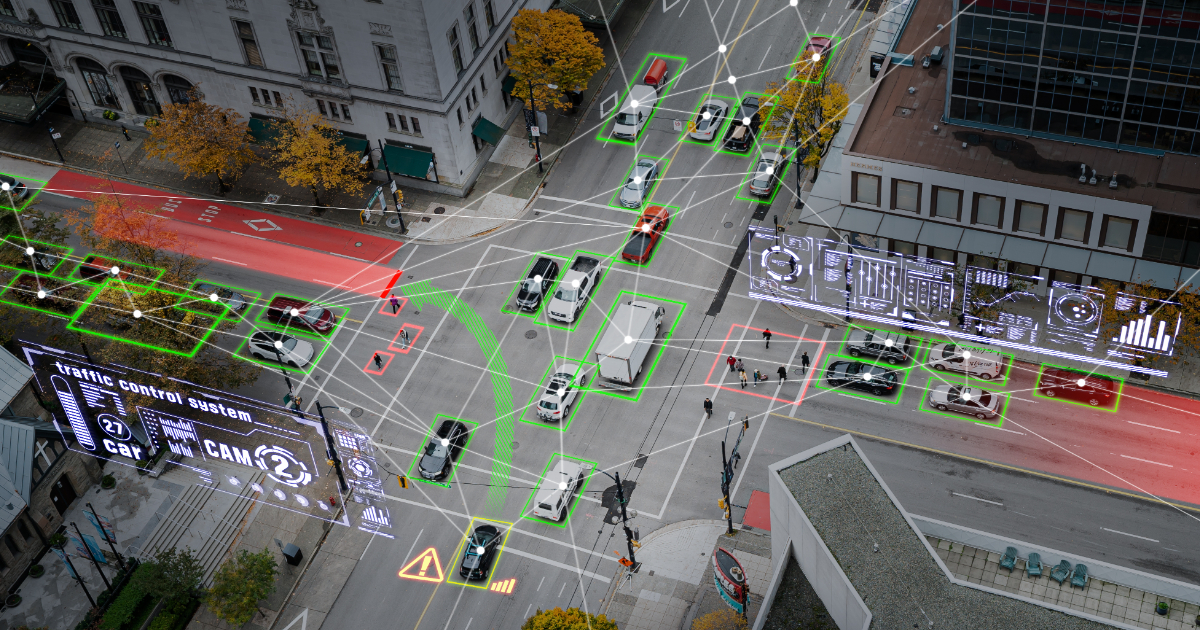
AI, connected data, and safety-focused services are transforming fleet operations, with GPS tracking adoption at record highs and AI delivering measurable safety improvements and cost reductions.
fromwww.npr.org
2 months agoBack seats aren't as safe as they should be. A crash test is trying to help
For three decades, the Insurance Institute for Highway Safety (IIHS) has been smashing vehicles with an adult-sized dummy sitting in the front seat, simulating a type of head-on collision where two vehicles are slightly offset. It's always been a challenging test, above and beyond the minimum standards that car companies are legally required to meet. The IIHS conducts tests and independently awards safety ratings that are meant to reward companies for superior safety, well exceeding minimum standards.
US news
fromFuturism
2 months agoDelivery Robot Gets Stuck on Train Tracks, Gets Obliterated by Locomotive
Footage of the incident, which took place January 15, shows the robot sitting motionless on the tracks, seemingly making no attempt to get out of the way as the unmistakable blare of the train horn gets louder and louder. "Oh it's gonna crush it!" the onlooker taking the video can be heard saying moments before the train, operated by Brightline, flattens the unfortunate bot into the tracks. Sparks can be seen flying from beneath the train before the video cuts off.
Startup companies
Canada news
fromwww.cbc.ca
2 months agoEglinton Crosstown had emergency braking issues, but problems not 'safety critical,' Metrolinx says | CBC News
Metrolinx reported minor, non-safety-critical emergency brake activations during Eglinton Crosstown testing; the TTC says identified issues have been remediated and the opening remains planned.
fromTechCrunch
3 weeks agoDrivers in fatal Ford BlueCruise crashes were likely distracted before impact | TechCrunch
The safety board released documents for each crash and announced it will hold a public hearing on March 31 in Washington D.C., where it will discuss the findings and likely issue recommendations to Ford. The NTSB is an independent federal agency that investigates transportation accidents, but doesn't regulate the industry.
Cars
fromwww.bbc.com
2 months ago'Thieves broke into my car - to take parcel shelf'
She said people "just couldn't believe" cars were being broken into just for the shelves. The Met Police opened an investigation following a number of parcel shelves being stolen from cars in Hampstead and Highgate, the force said. Sam Phipps Phipps told BBC Radio London her car was targeted despite only having her gym bag, out of sight, in the boot.
London
Startup companies
fromTechCrunch
2 months agoTeradar reveals its first terahertz-band vision sensor for cars | TechCrunch
Teradar unveiled Summit, a solid-state terahertz long-range high-resolution sensor designed to enable automotive autonomy with weather-resistant performance and lower cost than lidar.
fromTheregister
2 months agoTech support detective solved crime by checking the carpark
"A floor manager responsible for production asked me to fix his PC, which was so slow he could literally make a coffee in the time between double-clicking an icon and having the program open," Parker told On Call. The manager's PC was only a year old and ran Windows XP, a combo that at the time of this tale should have made for decent performance.
Information security
fromwww.npr.org
2 months agoChina bans hidden car door handles, which can trap people after crashes
China has become the first nation to require a change to make it easier to rescue people from car crashes: Car doors must be able to open from either side mechanically, like by lifting a handle. The rules, which go into effect in 2027, follow international scrutiny of a futuristic design first popularized by Tesla, but adopted by many other automakers, in which door handles are electrically powered and hidden.
US news
fromComputerWeekly.com
2 months agoMotive accelerates Edge AI safety for automotive operations | Computer Weekly
"Collision rates and related costs remain unacceptably high around the world," said Shoaib Makani, co-founder and CEO of Motive. "Organisations need AI-powered driver safety solutions that can perceive and respond in real time. We've added three times more compute, created the first AI dash cam with stereo vision, and added hands-free communication, all in one system, so organisations can detect more risks and act faster. This isn't just a new product; it reflects a shift toward proactive, AI-driven road safety."
Artificial intelligence
fromwww.bbc.com
2 months agoMan dies after being hit by police vehicle
A man in his 30s has died after he was hit by a police vehicle on an emergency call in south London. The pedestrian was struck by the marked vehicle on Borough High Street at 00:34 GMT, the Metropolitan Police said. He was given emergency first aid by officers and treated by paramedics from the London Ambulance Service, but died at the scene.
UK news
frominsideevs.com
2 months agoZF's AI-Powered Software Could Make The ESP Off' Button Irrelevant
Modern cars, including EVs, have tons of safety features baked in, but sometimes the driver still has to take over when the going gets tough. That's why most new cars out there still have a button somewhere that disengages the traction control system, which can come in handy when tackling slippery roads or deep snow because it allows the wheels to spin without the electronics cutting power.
Artificial intelligence
fromZDNET
2 months agoAre 'advanced electromagnetic' de-icing devices for your car legit? I took one apart to find out
Sometimes I'm rather impressed by the ingenuity of those in the business of making scammy gadgets. Over the years, I've examined a wide range of products, from scam devices that claim to save you money on your power bill to a high-power USB charger filled with an unusual goo-like substance. Also: Want to cut your electric bill? Skip these scam 'power-saving' devices - and buy this instead
Gadgets
Cars
fromFortune
1 month agoBy Tesla's own math, it reveals that its robotaxis are 4x worse at driving than humans, with redactions hiding even more details | Fortune
Tesla's autopilot robotaxis experienced five crashes in Austin within one month, and Tesla's own data shows human drivers are four times safer than its autonomous system.
fromZDNET
2 months agoIs this tiny 'advanced electromagnetic' car de-icing gadget legit? (spoiler: no)
Sometimes I'm rather impressed by the ingenuity of those in the business of making scammy gadgets. Over the years, I've examined a wide range of products, from scam devices that claim to save you money on your power bill to a high-power USB charger filled with an unusual goo-like substance. Also: Want to cut your electric bill? Skip these scam 'power-saving' devices - and buy this instead
Gadgets

fromArs Technica
1 month agoWhat happens to a car when the company behind its software goes under?
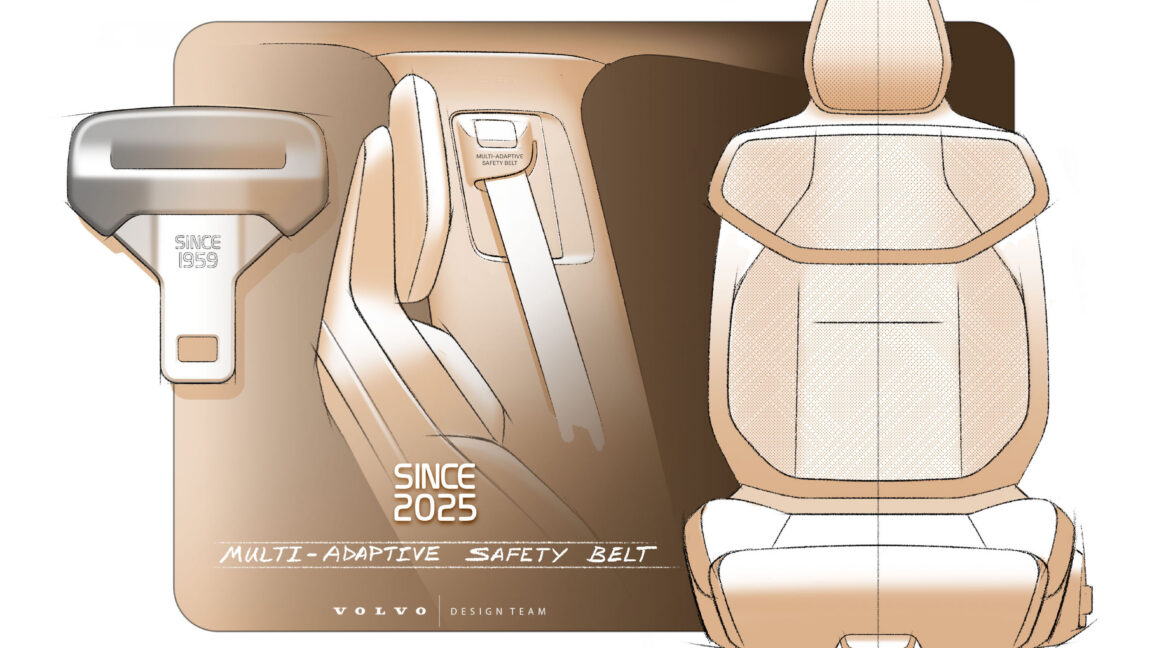
As vehicles become platforms for software and subscriptions, their longevity is increasingly tied to the survival of the companies behind their code. When those companies fail, the consequences ripple far beyond a bad app update and into the basic question of whether a car still functions as a car. Over the years, automotive software has expanded from performing rudimentary engine management and onboard diagnostics to powering today's interconnected, software-defined vehicles.
Cars
fromEngadget
2 months agoHonda vehicles used to proactively report road safety issues in nation-first pilot
Honda and DriveOhio have teamed up on a new road safety initiative in which Honda vehicles are being used to collect real-time data that can advise about potential issues and road deficiencies before they become a problem. Honda's Proactive Roadway Maintenance System, which has been in prototyping since 2021, uses "advanced vision and LiDAR sensors" to identify issues such as worn or obstructed road signs, damaged guardrails, rough roads and emerging potholes.
Cars
fromArs Technica
2 months agoIs 2026 the year buttons come back to cars? Crash testers say yes.
It's helpful to know that the lack of physical buttons isn't just a trend pushed by designers-the bean counters like it, too. It's quicker-and therefore cheaper-during assembly to just fit a capacitive touch module that controls multiple settings or switches than it is to have individual buttons, each connected to a wiring loom. Which is why we're seeing the controls for heating and cooling the interior, the headlights, seat heaters, and more move from knobs and dials and sliders and buttons to touch panels.
Cars
fromdesignboom | architecture & design magazine
2 months agono driver, no wheel: world's first retractable steering wheel turns vehicles autonomous
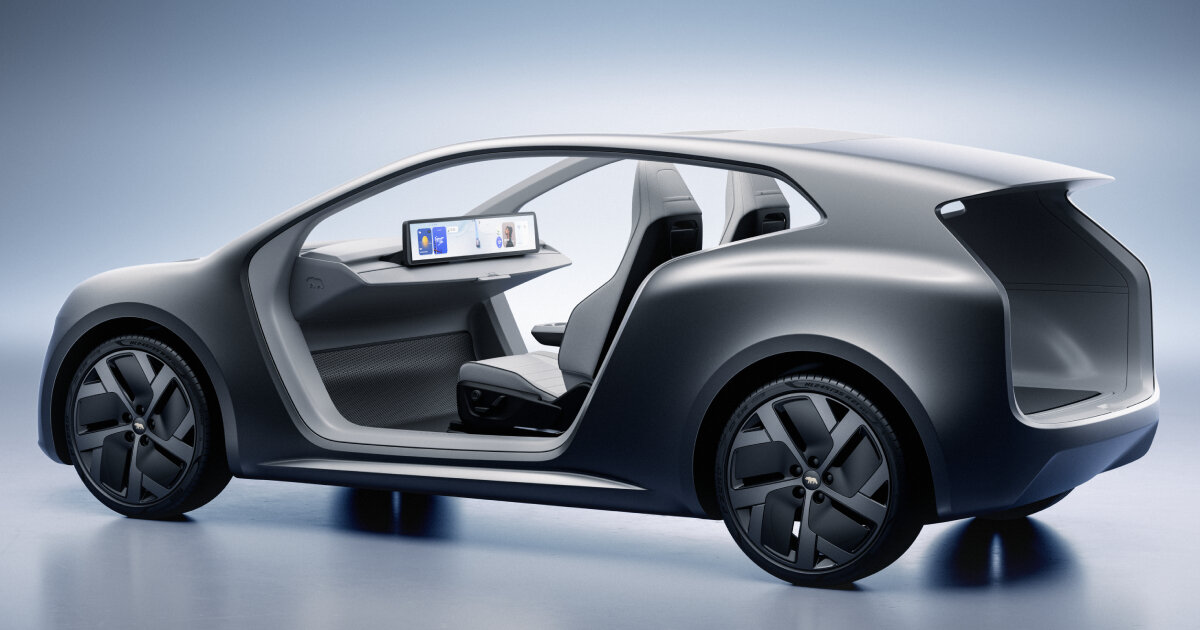
Unveiled at CES 2026, the design responds to automated riding, especially Level 4 driving, where the vehicle can manage all driving tasks within certain conditions without human input. The retractable steering wheel is co-developed with Tensor's Robocar autonomous driving system. When the vehicle switches into Level 4 autonomous mode, the steering wheel retracts, clearing the driver's area. This creates more space in the cabin and allows the front seat area to function more like a living or working space rather than a traditional cockpit.
Cars
frominsideevs.com
2 months agoEVs Now Dominate Europe's Crash Safety Charts
Electric cars surpassed their gas-powered rivals in Euro NCAP's safety tests last year, proving that car companies are taking the EV transition seriously. Widely regarded as Europe's leading organization for crash safety testing, Euro NCAP evaluated over 100 new cars last year, putting them through rigorous tests to assess their ability to protect passengers, pedestrians, and vulnerable road users in a crash.
Cars
[ Load more ]