#emily-oshea
#emily-oshea
[ follow ]
#art #contemporary-art #art-exhibition #art-exhibitions #photography #whitney-biennial #collaboration #community
#art


Arts
fromIrish Independent
4 days ago'You have to step in and experience it' - artists on the rise of AI-generated art and the 'essential' gallery visit
Miriam Fitzgerald Juskova's exhibit combines paper quilling with mathematics, showcasing intricate art that engages viewers and emphasizes the value of handmade creations.
fromItsnicethat
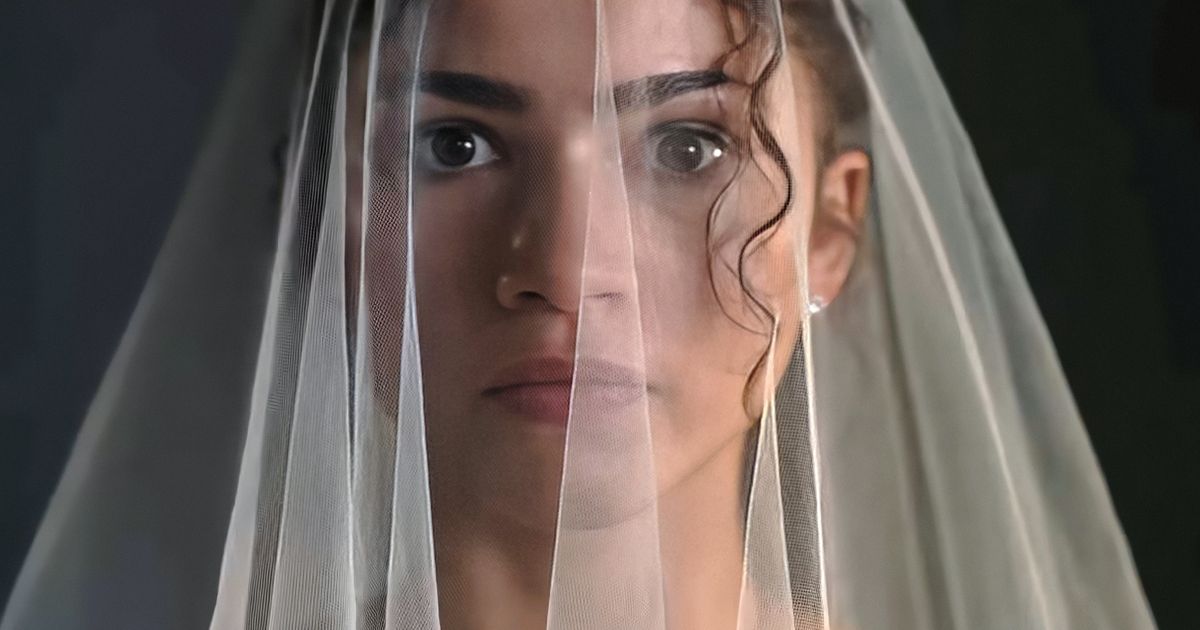
2 weeks ago"A dyke is not a singular thing": Emily Lipson's new monograph resists queer stereotypes
The series centres a community whose visibility has too often been shaped by external gaze rather than self-definition. A 'dyke' is not a singular thing. The community isn't narrow, unified, or clean. It is not only cis lesbians for example. It includes trans masc men, trans femme women, nonbinary people, and bisexuals.
Photography
fromTime Out New York
3 weeks agoThis free art show in the East Village spotlights awesome work from senior artists
The show features pieces by participants in JASA's programs. The organization, which serves more than 40,000 older adults every year, offers art classes and creative workshops designed to bring people together while encouraging self-expression. The results will be on full display here, from paintings and textile work to other handmade pieces that reflect the artists' personal stories and styles.
Miscellaneous

fromJuxtapoz
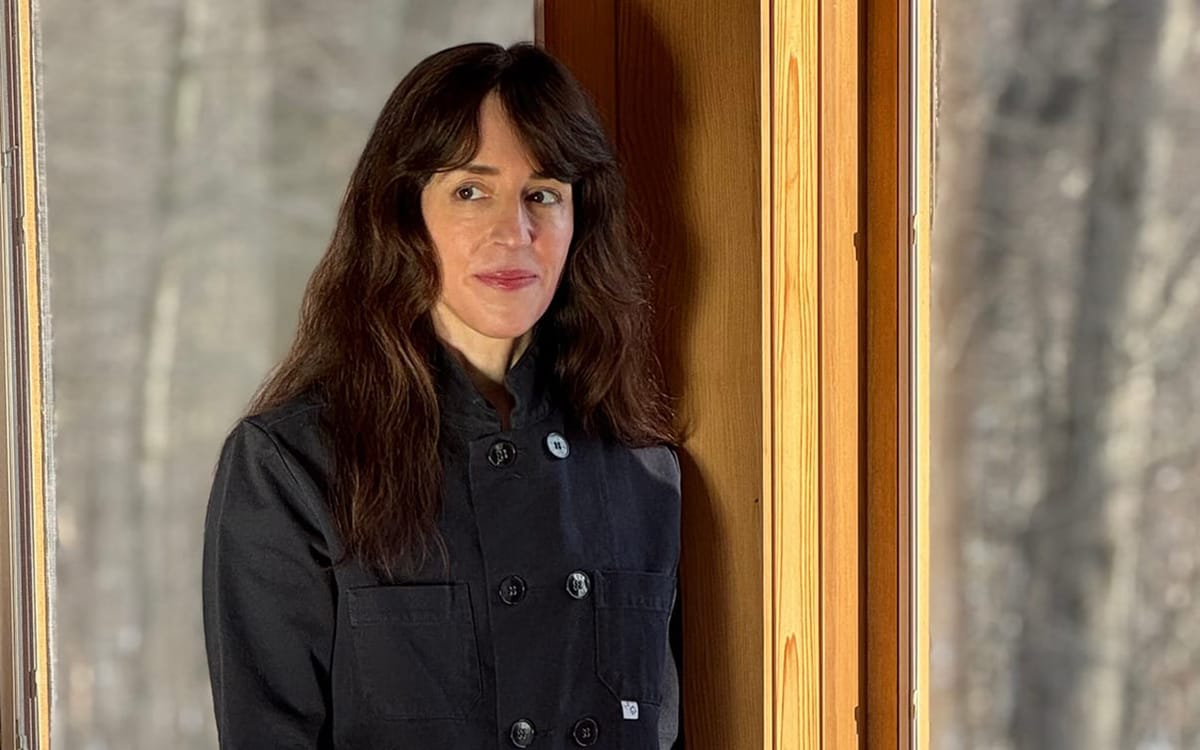
5 days agoJuxtapoz Magazine - Last Days to See Kate Meissner's New Paintings @ Lyles & King's Project Space, NYC
"These works are an exploration of the human body's elasticity and capacity to metamorphose. Informed by my own experience of pregnancy and the birth of my first child last year, these paintings are a meditation on physiological transformation and the body's underlying animalistic and mammalian nature."
Arts
fromHyperallergic
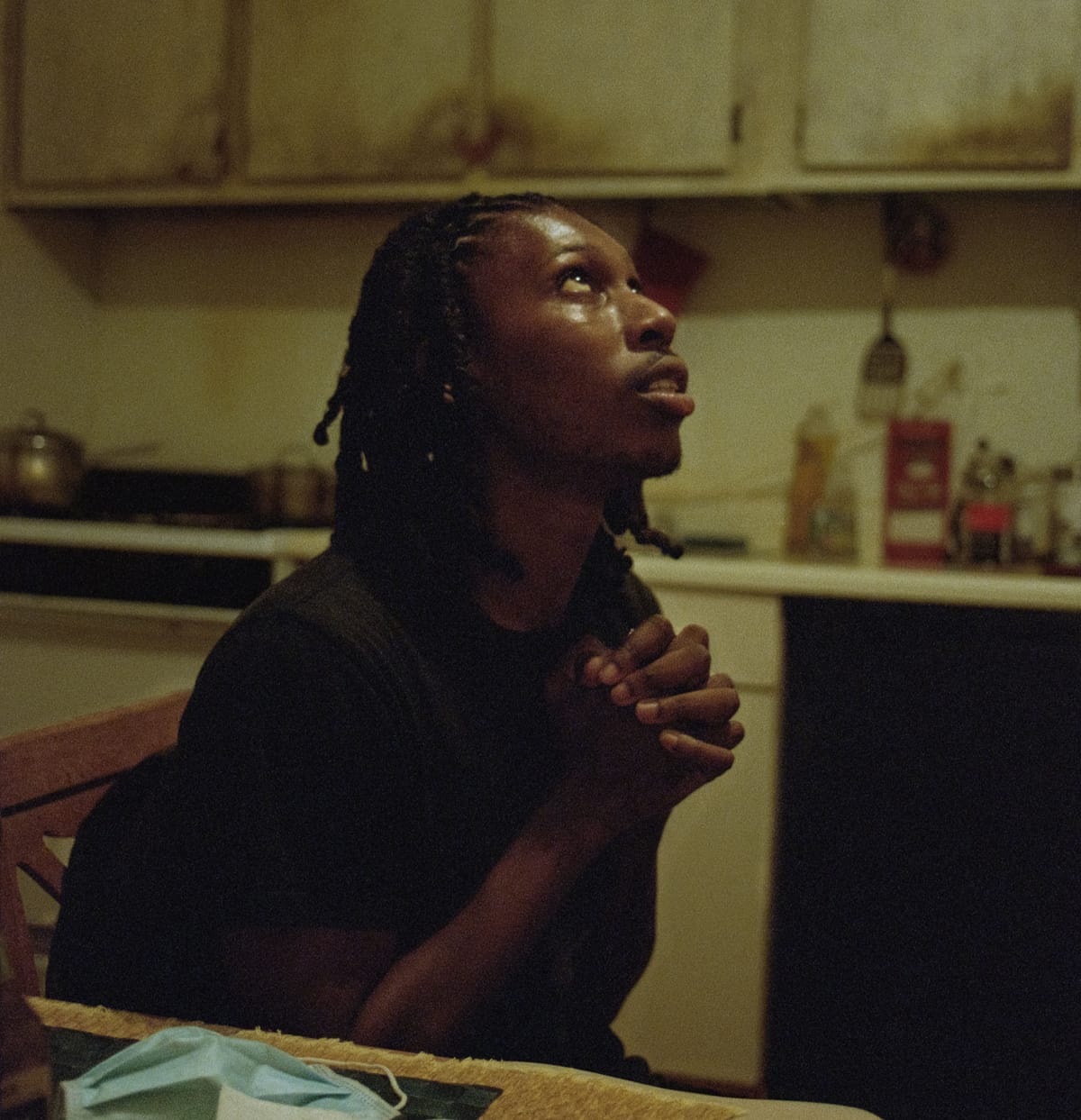
3 days agoThe Art World Is a Joke
Kamrooz Aram is everywhere this year, from Mumbai Art Week to the Whitney Biennial, and critic Aruna D'Souza is grateful. She pens a beautiful meditation on his work, reading his abstract paintings as not simply a denunciation of Western modernism nor a reassertion of Islamic visual motifs, but something else entirely - something gestural, exuberant, riotous, and incomparably his own.
Arts
Arts
fromThe Art Newspaper - International art news and events
4 days ago'The sharp perception only a woman can bring to observing other women': Dorothy Bohm's photographs go on show at Lee Miller's former home
Dorothy Bohm's exhibition 'About Women' showcases seven decades of her female-focused photography, highlighting her legacy as an influential woman photographer.
Arts
fromOregon ArtsWatch * Arts & Culture News
1 week ago'A Division of Vision': H. Eliz Snowcarp's art for people who see things differently * Oregon ArtsWatch
H. Eliz Snowcarp's installation challenges exclusion in the art world by promoting tactile interaction and inclusivity for those with different abilities.
#outsider-art
Arts
fromThe Art Newspaper - International art news and events
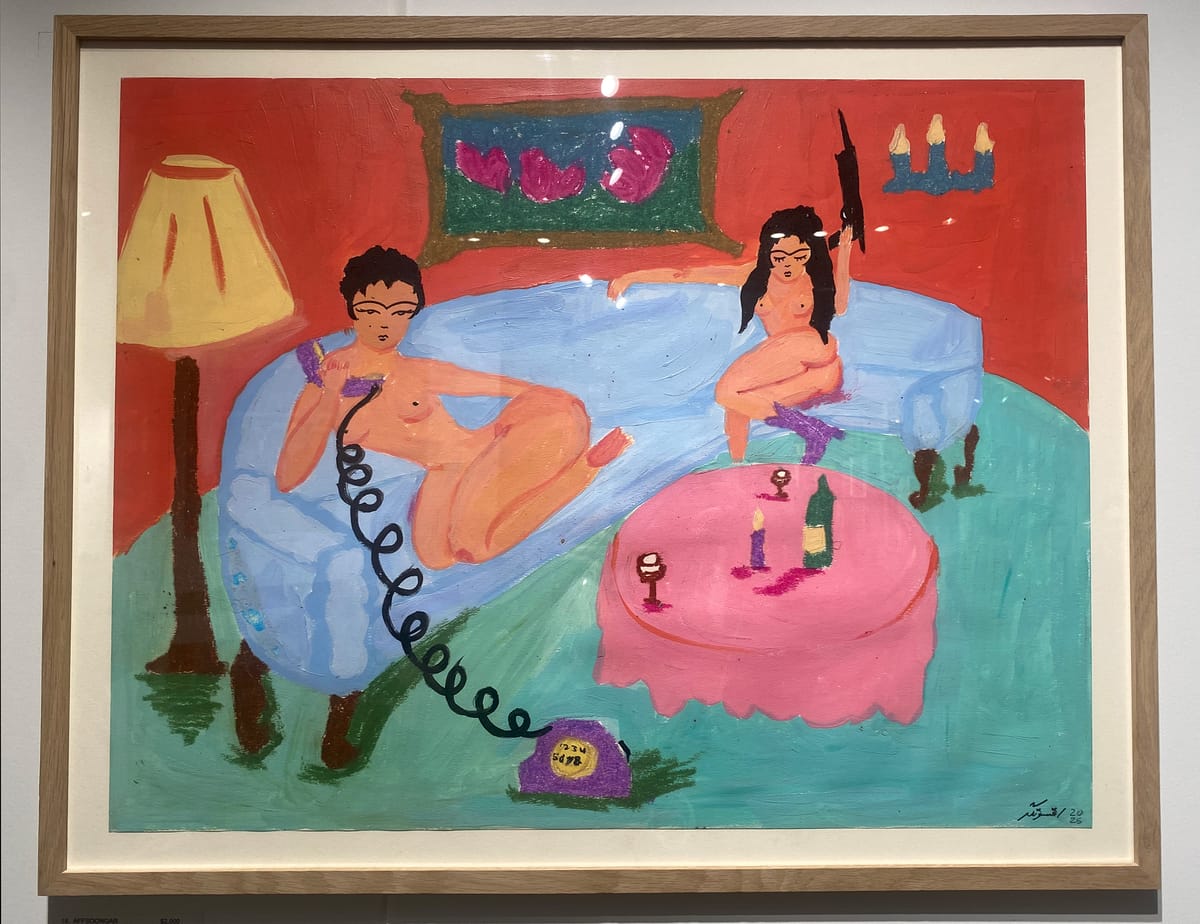
2 weeks agoGullah artist Sam Doyle's narrative portraits stand out Outsider Art Fair in New York
Sam Doyle's paintings at the Outsider Art Fair showcase his unique cultural narratives and artistic style, reflecting Gullah heritage and significant historical figures.
Arts
fromThe Art Newspaper - International art news and events
2 weeks agoGullah artist Sam Doyle's narrative portraits stand out Outsider Art Fair in New York
Sam Doyle's paintings at the Outsider Art Fair showcase his unique cultural narratives and artistic style, reflecting Gullah heritage and significant historical figures.
fromBOOOOOOOM!
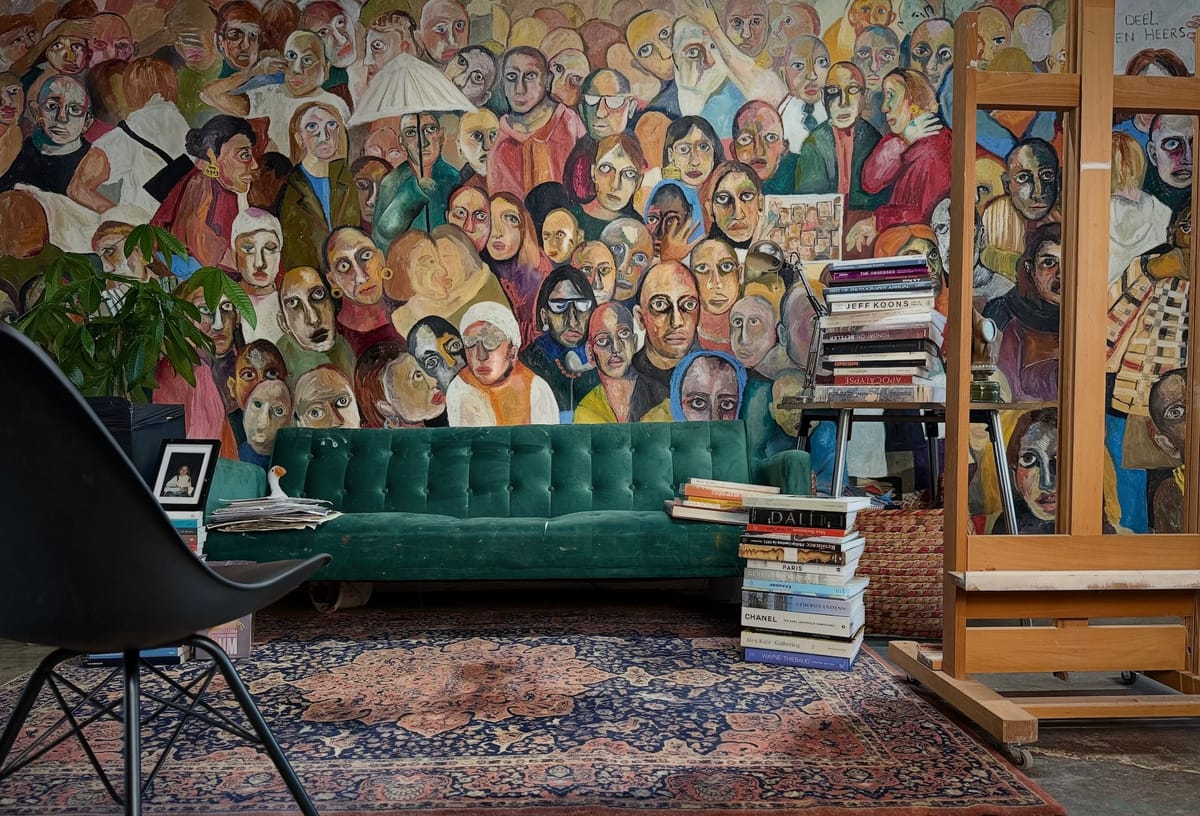
2 weeks ago"Always Were" by Artist Opal Mae Ong
Ong's work contains a deep reverence for the otherworldly, combining the remnants of ancestral knowledge with speculative visions to form a kind of personal myth-making. The title of their latest series, "Always Were", is intentionally fragmentary suggesting a temporal and grammatical ambiguity that points to the liminal nature of Ong's figures and the time and place they inhabit.
Arts
fromHyperallergic
3 weeks agoArt Problems: How Do I Get Gallery Representation?
Dealers like artists with established sales records because it lowers their already considerable financial exposure. Renting a gallery space in Tribeca costs anywhere between $8,000-30,000 a month on top of staff, marketing, and daily operations. With that kind of overhead, very few business owners can afford to take on the financial risk of untested artists.
Arts
fromArtnet News
3 weeks agoInside the Forum Where Women in the Arts Are Taking on the Status Quo
What began as a passion for collecting became a responsibility. She not only believes in the artistic genius of women, but she wants society in general to hold men and women artists in equal esteem-and to place the same monetary value on their work.
Arts
Arts
fromArtnet News
3 weeks agoAffordable Art Fair New York Explores the Evolving Nature of Photography
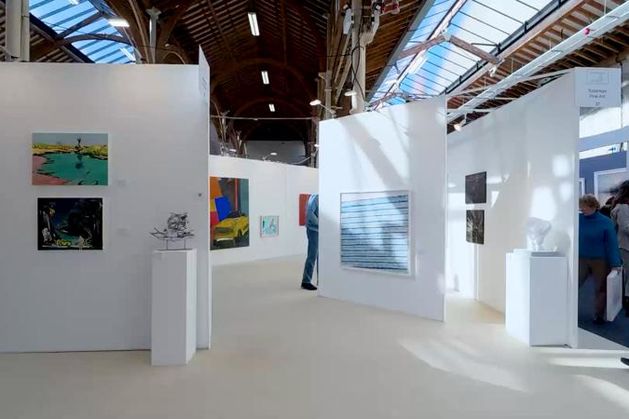
Affordable Art Fair New York's 2026 spring edition features a curated photography exhibition exploring how the medium evolves through new technologies, alternative processes, and interdisciplinary artistic boundaries.
Arts
fromJuxtapoz
3 weeks agoJuxtapoz Magazine - Melissa Brown "Window Shopping" @ Derek Eller Gallery, NYC
Melissa Brown creates mixed-media paintings of New York City store windows, combining screen-printed photographs with impasto and airbrush techniques to explore sites of commerce, longing, and urban fantasy.
fromHyperallergic
1 month agoA View From the Easel
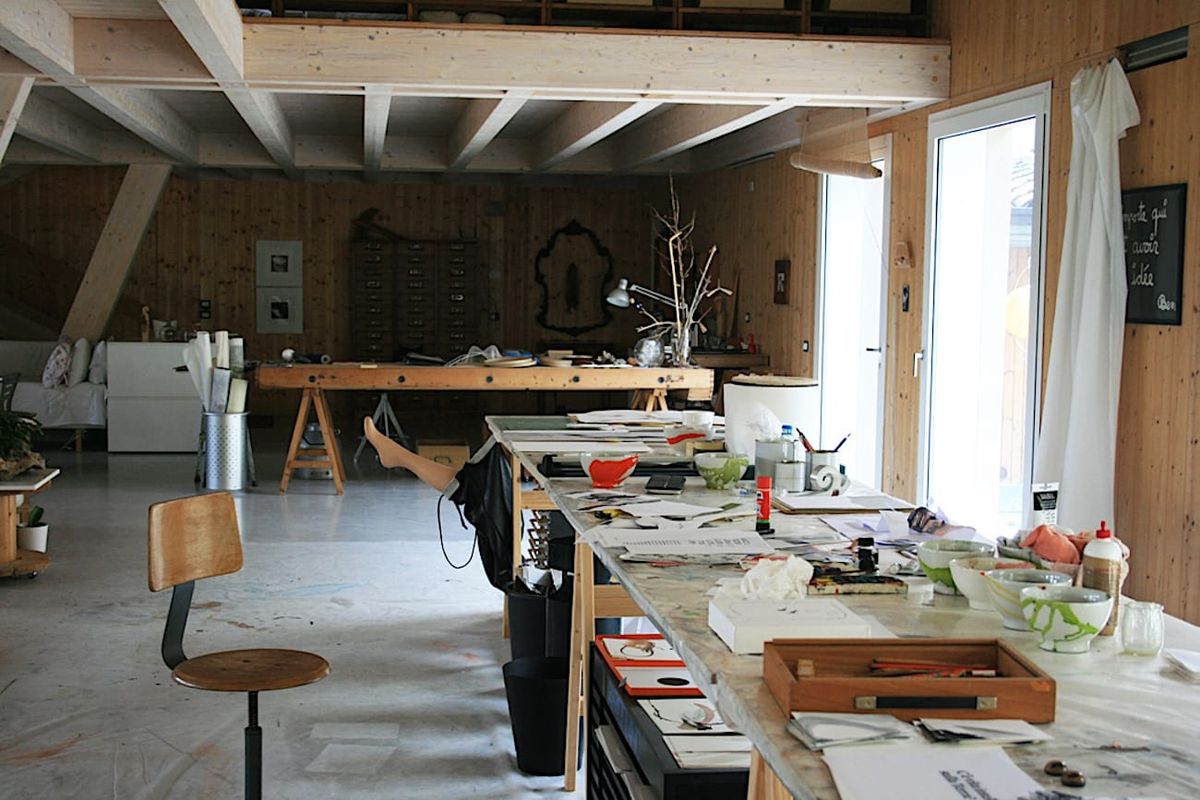
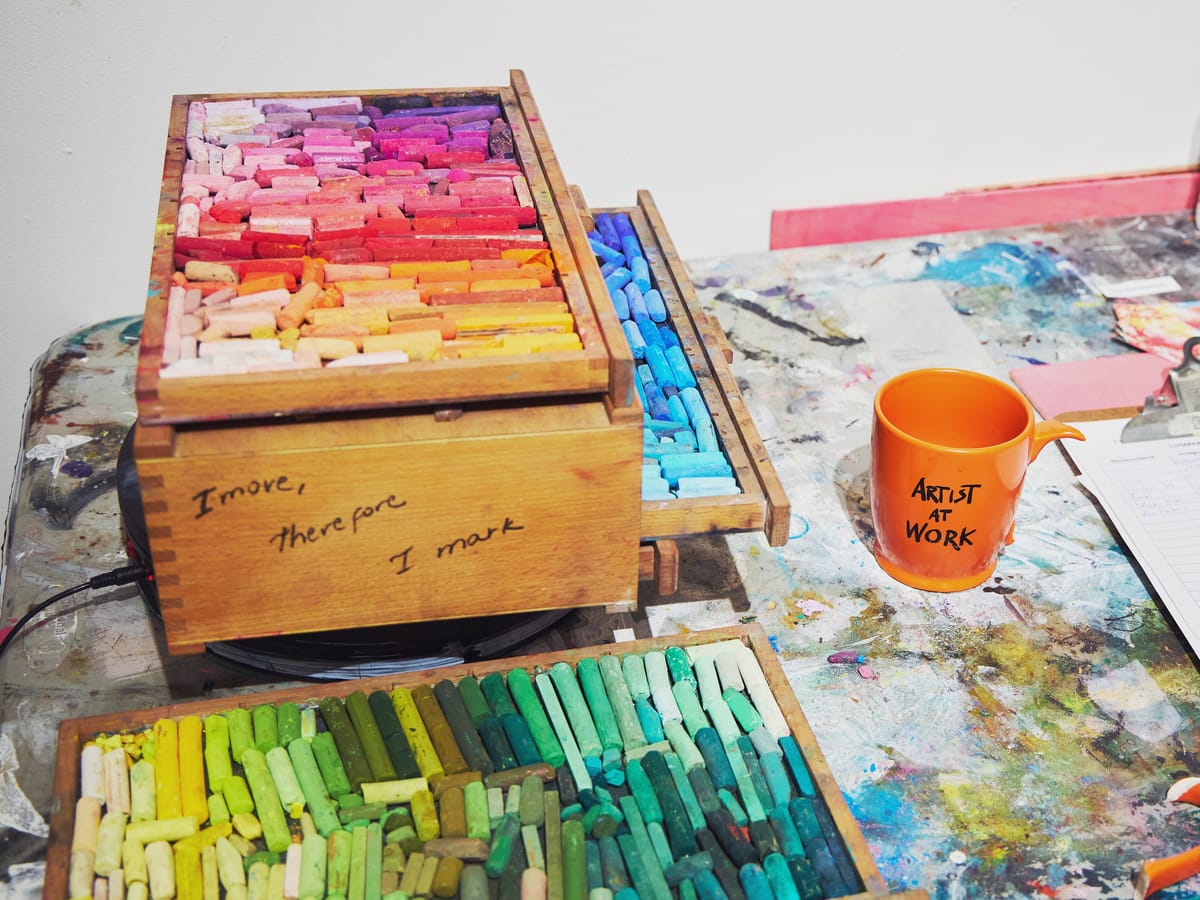
I work outside, carving and shaping the stone. Outside my house, I have a table, an extension cord, and tools. It's very cold and I have to wear all my winter clothes. When it's too cold, I do the filing and finishing work inside after I shape it outside. I listen to all kinds of music. I listen to Eminem all the time; his albums are all my favorites. For drawings, I work at Kinngait Studios or at home on my kitchen table.
Arts
fromHyperallergic
2 months agoA View From the Easel
Mornings are best for concentrated work. In the winter, I turn on the heat at 8am and get started around 10am. Summer, I start around 9am. I have two areas in the studio for projects. The large, heavy wood sculptures are carved in the front section of the studio, closest to the roll-up wide door. Smaller sculptures are placed on a hydraulic workbench. Before I start, I focus, connect with the Source, and ask for guidance.
Arts
fromHyperallergic
2 months agoRequired Reading
Sprouting from the roof of the San Francisco Museum of Modern Art, artist Rose B. Simpson's newly installed bronze sculpture "Behold" has its gaze fixed on the cityscape before it. The Tewa of Khaʼpʼoe Ówîngeh artist, herself a mother, crafted a tender portrait of an interconnected parent and child that "asks us to be human with each other, to change our narrative through wonder, witness and a foundation in the soft warmth of our humanity," she said in a statement.
Arts
[ Load more ]