#energizer-color-alert
#energizer-color-alert
[ follow ]
#branding #marketing #consumer-behavior #brand-strategy #marketing-strategy #advertising #authenticity

Psychology
fromSilicon Canals
3 days agoPsychology suggests the most attractive person in the room is almost never the one trying hardest to be - because effort in the direction of attractiveness is visible, and visibility of effort is the one thing that reliably cancels the effect it's trying to produce - Silicon Canals
Authenticity is more appealing than effortful perfection in social interactions.
fromMail Online
6 days agoWhat colour are the dots in this optical illusion?
'In this paper a novel optical illusion is described in which purple structures (dots) are perceived as purple at the point of fixation, while the surrounding structures (dots) of the same purple colour are perceived toward a blue hue.'
Science
#experiential-marketing
Marketing
fromFast Company
2 days agoWhy the future of brand trust is sensory marketing
Experiential communications leverage sensory engagement to build trust and connection, countering AI fatigue and skepticism in audiences.

Growth hacking
fromEntrepreneur
2 weeks agoCraft a Value Proposition That Attracts Your Ideal Customers
A value proposition is a clear statement explaining how your product solves specific customer problems and delivers measurable outcomes, focused on what ideal customers care about rather than what you think matters.
Design
fromdesignboom | architecture & design magazine
2 weeks agoa rich palette of saturated hues meet industrial precision in mara's renewed digital identity
Mara enters 2026 as a global interior design protagonist, expanding from office and hospitality into residential markets while strengthening its digital identity and sustainability commitment.
Startup companies
fromInc
2 weeks agoInside the DesignObsessed Strategy Driving Cadence's 50-Percent Repeat Sales Rate
Cadence creates premium magnetic containers and organizers that seamlessly integrate into daily life while maintaining aesthetic appeal and sustainability through meticulous industrial design.
London food
fromwww.bbc.com
3 weeks agoCommuters split over chocolate-scented advertising
A Magnum ice-cream multi-sensory advertisement at King's Cross St Pancras using chocolate smell and cracking sounds has generated mixed reactions, with some commuters and staff complaining about the scent combining unpleasantly with tunnel odors.
Design
fromThedrum
3 weeks agoAdmind's Employer Branding Campaign
Admind Branding & Communications launched a creative recruitment campaign using Polish illustrators to design posters reflecting company values, resulting in increased website traffic, social media followers, and successful hiring of talented designers.
#brand-identity

Fashion & style
fromThe Globe and Mail
1 month agoThe business of colour analysis is booming - again
Colour analysis, a 1980s trend, has resurged as a popular service where experts determine whether individuals are Winter, Spring, Summer, or Fall based on skin, hair, and eye undertones to guide personal styling choices.
fromFast Company
2 weeks agoWhy some brands are choosing slower, more expensive growth on purpose
"Instead of starting with a product that we didn't feel like existed in the marketplace, we started with a mission that we felt like didn't exist, particularly in the beauty space," Cohen said. "We love that young people are turning to brands for not just products, but for the issues that they care about-and also that's what holds us accountable."
Marketing
Social media marketing
fromwww.nature.com
1 month agoEvaluating celebrity influence on brand attention, emotion, and memory
Celebrity and influencer endorsements shape consumer attitudes, credibility, engagement, and purchase intentions, with effectiveness driven by authenticity, endorser–brand fit, attractiveness, and market context.
fromApartment Therapy
1 month agoThe Surprising Reason Butter Yellow Isn't Trending Anymore (Hint: It's Economic)
Architect-turned-interior designer Anh Ly, founder and CEO of Mim Concept, explains why the color surged in the first place: "Butter yellow had a magic moment because it felt optimistic and comforting, especially during a time when people were craving warmth at home." Now, that emotional pull is also what's working against it. "It fell short on resale since it's a very emotion-specific color. Buyers tend to see it as personal rather than neutral, which makes it harder for them to imagine themselves in the space," Ly adds.
Renovation
Marketing tech
fromExchangewire
1 month agoEQ Dry & Teads Redefine Diaper Marketing with a Campaign That Wins Hearts & Attention
EQ Dry leveraged empathy-driven storytelling and attention-focused omnichannel media to emotionally connect with parents, increasing awareness, intent, and brand preference for comfort and care.
fromInsideHook
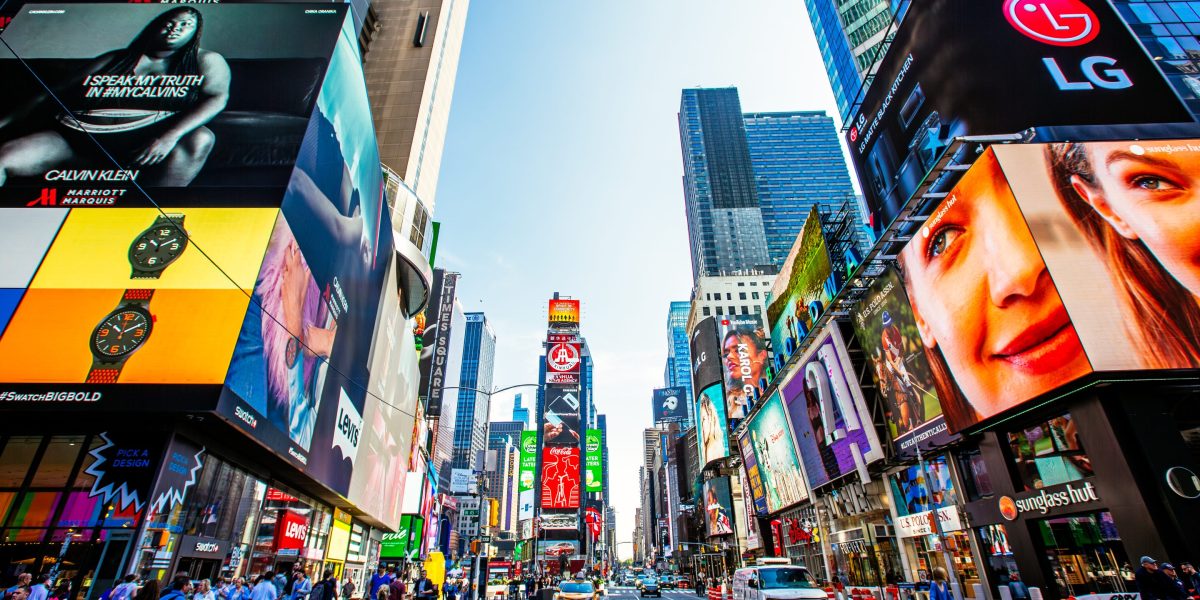
2 months agoWhat Is a Life of Nonstop Ads Doing to Our Minds?
Musée d'Orsay hosted an exhibit last year called "Art is in the Street," which cataloged "the spectacular rise of the illustrated poster in Paris during the second half of the 19th century." The prints were lithographs - drawings made on limestone with greasy pencils, which were then exposed to water and inverted onto sheets of paper. Typically, each color got its own stone. The finished product was a firework of oily yellows and reds.
Graphic design
Marketing
fromBusiness Matters
3 weeks agoAttention is the scarce resource: what exhibitions teach us about modern marketing
Exhibitions provide uninterrupted multi-sensory engagement that captures human attention more effectively than digital channels, offering marketers rare opportunities for memorable brand impressions and higher conversion potential.

fromMedium
2 months agoFeelings are the new features
Your junior designer spins up a prototype in Lovable before lunch. Your PM shows you a "working" MVP built entirely with Cursor within a day. And your CEO forwards you a LinkedIn post about how AI will replace 80% of UI work by 2026. And it seems like anyone can now make an app to solve a specific problem. Has the graphical interface really died, as Jakob Nielsen provocatively suggests?
UX design
fromdaverupert.com
2 months agoUsing your design system colors with contrast-color()
One predictable pain point with contrast-color() is that it only returns black and white named colors. From a design systems perspective, that's not ideal because you want your colors. You want your harmonious brand and the colors you and your team spent thousands of man hours in meetings deciding on. Those colors. In fact, an earlier version of Safari had color-contrast() (confusing I know, naming is hard) which allowed you to pass in a list of best candidates to choose from. I beleive that proposal got mired in standards discussions, color contrast algorithms, and competing proposals; and contrast-color() is what survived which got simplified down to a binary result.
fromFast Company
1 month ago5 ways to build a brand consumers find irresistible
This year has been volatile for brands. With tariffs taking effect, the job market slowing, and consumer spending barely keeping pace with inflation, it's no surprise that ad spend has slowed in tandem. Amidst economic uncertainty and an onslaught of unanswered questions, brands are increasingly looking for demonstrable ROI in their marketing and design budgets. Some may choose to invest in a costly new campaign or commit to a new brand identity, while others will default to slashing their budgets altogether.
Marketing



fromForbes
2 months agoHow To Build Strong Brands And Partnerships With Emotional Connection
To paraphrase a quote credited to poet and author Maya Angelou, people forget what you say and do, but they never forget how you make them feel. That understanding is becoming increasingly relevant in modern marketing, where differentiation is driven as much by emotional experience as by execution. For agencies, this means thinking beyond deliverables to the full experience clients and audiences have at every touchpoint.
Marketing
[ Load more ]