#engagement-decline
#engagement-decline
[ follow ]



Relationships
fromSilicon Canals
22 hours agoNobody tells you that expecting instant replies is a relatively new social norm - and that an entire generation learned to communicate in ways that never required it - Silicon Canals
Instant communication has created pressure that undermines meaningful relationships, which thrived in a slower-paced era of correspondence.
#ai-search-engines
Marketing tech
fromThe Berkshire Eagle
1 day agoMulti-Engine AI Visibility Gap Widens as Brand Citation Rates Vary 9x Across Major AI Search Engines
The Multi-Engine AI Visibility Gap is a critical issue in digital marketing strategy for 2026, highlighting disparities in brand visibility across AI search engines.
Marketing tech
fromThe Berkshire Eagle
1 day agoMulti-Engine AI Visibility Gap Widens as Brand Citation Rates Vary 9x Across Major AI Search Engines
The Multi-Engine AI Visibility Gap is a critical issue in digital marketing strategy for 2026, highlighting disparities in brand visibility across AI search engines.

Media industry
fromFast Company
2 weeks agoTraffic is dying as a media metric. What comes next is more important
AI is significantly reducing traffic to major tech media sites, but publishers with strong brands and loyal audiences are adapting through paywalls and diversified strategies rather than facing business decline.
#meta-platforms
Social media marketing
fromBenzinga
6 days agoIn-Depth Analysis: Meta Platforms Versus Competitors In Interactive Media & Services Industry - Meta Platforms (NASDAQ:META)
Meta Platforms is the largest social media company, showing strong financial performance but mixed valuation metrics compared to industry peers.
fromDigiday
3 weeks agoFrom rented audiences to engaged communities: Why participation is the new moat for publishers
Social platforms promised reach, scale and frictionless distribution. In exchange, publishers ceded control of audience relationships, data and, ultimately, trust. Today, that bargain is not working. Social media is imperfect. Feeds are flooded with bots, synthetic engagement, misinformation and bad actors operating under inconsistent or nonexistent moderation standards.
Media industry
fromFast Company
2 months agoThese 3 'addictive' social media UX features are on trial
The trial is taking place in the Los Angeles County Superior Court, where jury selection started on January 27. It's testing out a new legal theory intended to spur greater regulation of social media platforms like TikTok, Snap, YouTube, and Meta's Facebook and Instagram: Lawyers are gearing up to argue that the companies behind these platforms are designing their sites to be deliberately addictive, resulting in direct personal injury to users, especially children.
Public health
Social media marketing
fromwww.socialmediatoday.com
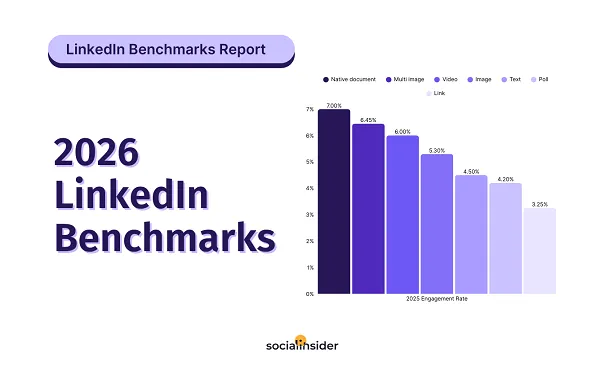
4 weeks agoInstagram, LinkedIn and Threads engagement declined in 2025
Social media engagement rates declined on Instagram, LinkedIn, and Threads throughout 2025, while Facebook, Pinterest, and TikTok saw slight increases, with X experiencing significantly higher engagement.
Social media marketing
fromCNET
3 weeks agoPeople Spent Less Time on Instagram, Threads, LinkedIn Last Year. Here's Why
Social media engagement declined on Instagram, LinkedIn, and Threads in 2025 despite increased post volume, while suggested content and algorithm changes reduce visibility of meaningful connections.
fromThedrum
3 weeks agoWhy your social content should make people curious
It's our job to be translators of science so people understand what's happening and why it's so important. It's a global ocean. Just because something's happening in one place, doesn't mean it's not going to have an effect elsewhere in the world.
Social media marketing
Marketing tech
fromAdExchanger
1 month agoMeta Has A New Way To Measure Social Engagement (Because Clicks Don't Cut It) | AdExchanger
Meta is replacing click-through attribution with engage-through attribution to better measure social media's unique engagement signals like shares, likes, saves, and comments.


fromThe Drum
2 months agoFacebook beats Twitter to become marketers' favourite social platform for campaigns
Marketers have voted Facebook as their preferred social platform for campaign development and evaluation the Direct Marketing Association's (DMA) inaugural 'social media scorecard'. The poll of 171 social marketers based in the UK found that Facebook was the most marketing-friendly social platform ahead of LinkedIn and Twitter, which were placed second and third respectively. YouTube was voted fourth and Google+ came fifth. While Facebook was preferred overall, Twitter returned favourable results for building brand awareness and LinkedIn was deemed the best platform for its user targeting tools.
Social media marketing
[ Load more ]