#equatorial-needs
#equatorial-needs
[ follow ]
#climate-change #biodiversity #environmental-justice #environmental-impact #sustainability #indigenous-rights
Environment
fromwww.theguardian.com
1 day agoIf they pollute our rivers, what will become of us?': the town divided between hope and fear in Brazil's Amazon oil rush
Oiapoque, Brazil, is poised for development through oil production, raising concerns about environmental impacts and Indigenous rights amid a global energy transition.
#climate-change
fromwww.theguardian.com
1 month agoEnvironment
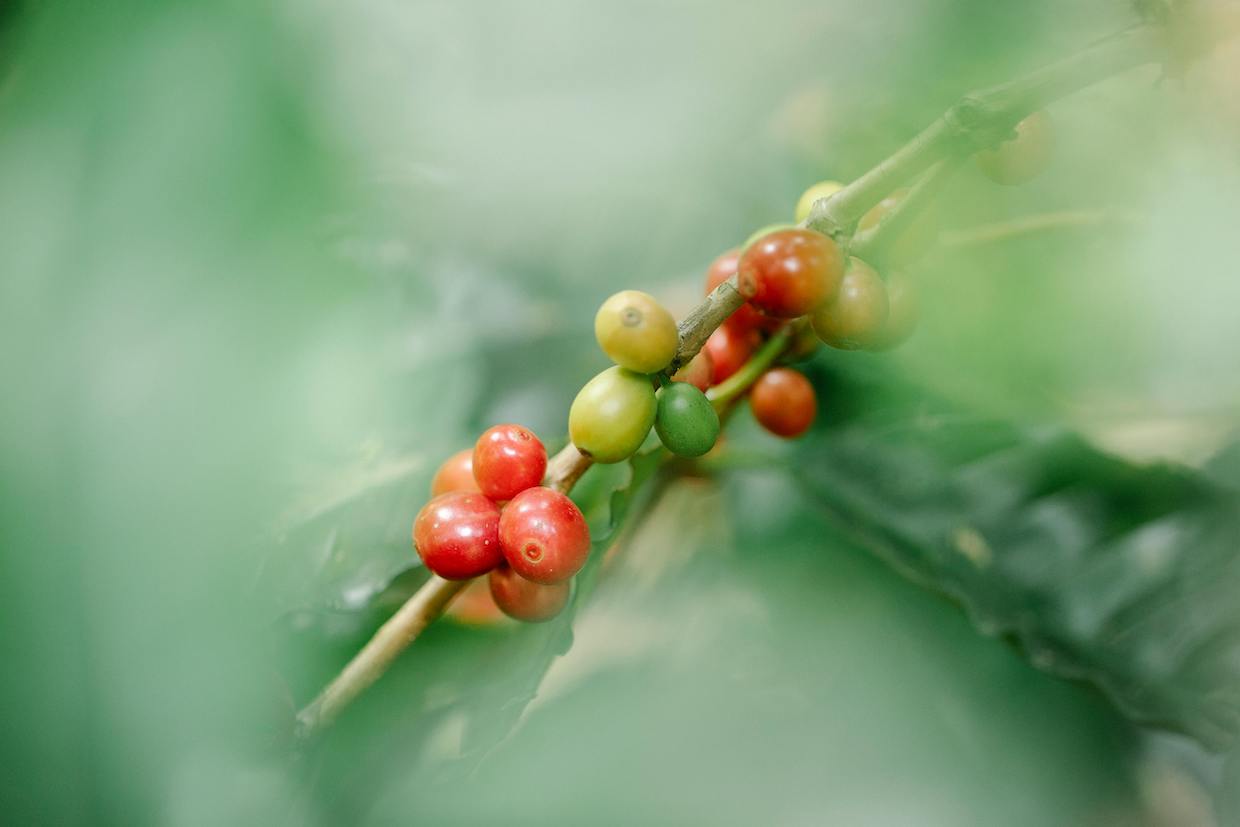
Tropical plants flowering months earlier or later because of climate crisis study
Tropical flowers are blooming significantly earlier or later than historical patterns due to climate change, with flowering times shifting an average of two days per decade, potentially causing cascading ecosystem disruptions.
fromFortune
2 months agoEnvironment
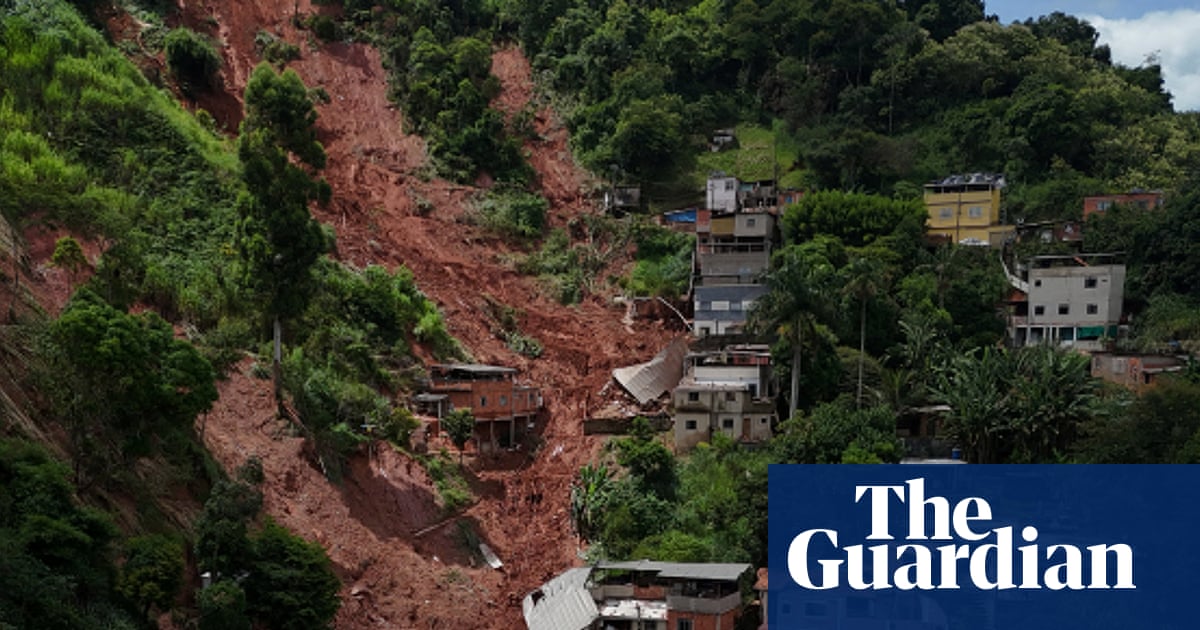
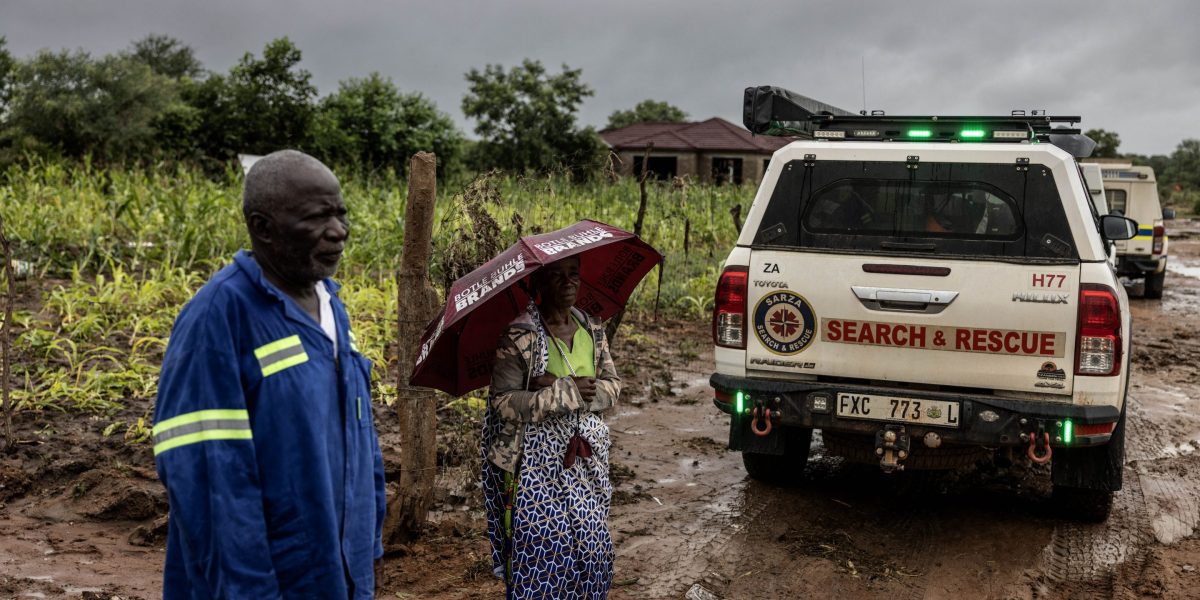
Climate change mans Southern Africa got a year's worth of rain in just 10 days, killing over 100 people | Fortune
Human-caused climate change intensified recent torrential rains in southern Africa, worsening floods that caused deaths, mass displacement, and extensive damage to housing and infrastructure.

fromRealagriculture
1 week agoBiofuels, Brazil, and the cost of war: Suderman outlines key forces shaping grain markets
"I think it surprised me how easily people are swayed by headlines," says Suderman, noting that wartime information flows are often strategic and conflicting. "You have to learn in a wartime to take everything with a grain of salt in the context of what you observe."
World politics
fromHarvard Business Review
2 weeks agoHow To Deliver on ESG Initiatives in Emerging Market
Multinational firms are under rising pressure-from investors, regulators, and employees-to demonstrate positive societal impact in the places where they do business. With ESG-focused institutional investments projected to reach nearly $34 trillion this year and roughly 90% of large U.S. companies now disclosing ESG reports, these pressures are now a central part of corporate strategy.
Business
fromwww.theguardian.com
1 week agoIt helped me feed my six children': how Africa's first water fund supports farmers to protect Kenya's biggest river
The avocado seedlings enabled him to grow his farm income to close to 2m Kenyan shillings, with each mature avocado tree yielding 70kg annually. Improving farming methods and conserving the watershed has helped me to feed and educate my six children.
Agriculture
fromArchDaily
3 weeks agoBuilding with Earth: Traditional Knowledge in Contemporary Architecture
Rather than representing a simple return to the past, this renewed interest reflects a broader reconsideration of how architecture engages with materials, local resources, and environmental conditions.
Renovation
fromwww.theguardian.com
4 weeks agoIt creates a sense of belonging': Brazil bets on hiking trails for conservation
The idea that hiking trails are a tool for conservation is based on a simple premise: people protect what they know. That requires making conservation areas accessible. There's no point telling people you only protect what you know, if you don't give them the tools to know. The trail is this tool. People who hike, people who camp, these people often become defenders of the environment.
Travel
fromTravel + Leisure
1 month ago10 of the Greenest Places to Visit on Earth for a Lush Getaway in Nature
According to color psychology, this soothing shade helps decrease stress and improve focus-and travelers can reap these much-deserved benefits in lush landscapes around the world. Here are 10 of the greenest places on earth, which combine serenity with unforgettable adventures.
Miscellaneous
fromwww.aljazeera.com
2 weeks agoHow do I survive?' Drought plagues Kenya's Turkana amid surplus elsewhere
In Turkana, the land is rugged, roads disappear into dust, and villages are scattered across vast distances in a county of just more than a million people. Despite it being the rainy season, weather experts warn that Turkana and other arid regions may receive little relief. Authorities say drought is once again taking place, with 23 of Kenya's 47 counties affected.
Agriculture
Environment
fromState of the Planet
2 weeks agoClimate Finance Has Failed Africa Twice Over. Here's How To Fix It.
Africa faces immediate climate crisis requiring both massive adaptation investment and urgent global emissions cuts, yet receives inadequate financing while adaptation focus overshadows critical decarbonization efforts.
Agriculture
fromwww.theguardian.com
3 weeks agoVillagers on Principe, the African Galapagos', to be paid for protecting the ecosystem
Principe islanders receive quarterly dividends for following environmental protection codes, with nearly 3,000 participants receiving their first payment of €816, creating economic incentive for conservation.
fromwww.theguardian.com
1 month agoExtreme heat lab: enduring the climate of the future
"So whenever people think about hot weather, they always talk about the temperature," he says. "There's two issues with that. First of all, most people don't realise that the temperature is measured in the shade. So if you're in direct solar radiation, the amount of heat stress you're exposed to is much greater as it will stress your body out a lot more."
Public health
fromNature
4 weeks agoThe world is getting hotter faster - its pace nearly doubled in the past decade
Because the past three years have shattered temperature records, researchers have been exploring whether global warming is accelerating, and if so, why. Many scientists agree that the rate at which it is increasing has picked up. This is mainly because of a reduction in air pollution following the introduction of fuel regulations for international shipping (which has resulted in fewer pollutant particles that reflect sunlight into space and seed insulating clouds).
Environment
Arts
fromCN Traveller
2 months agoCentral Africa's rainforest wilderness is the back-to-nature safari destination we're dreaming of
Gabon is a sparsely populated Central African country dominated by rainforest, preserving rich traditional spiritual practices like Bwiti closely tied to nature and community life.
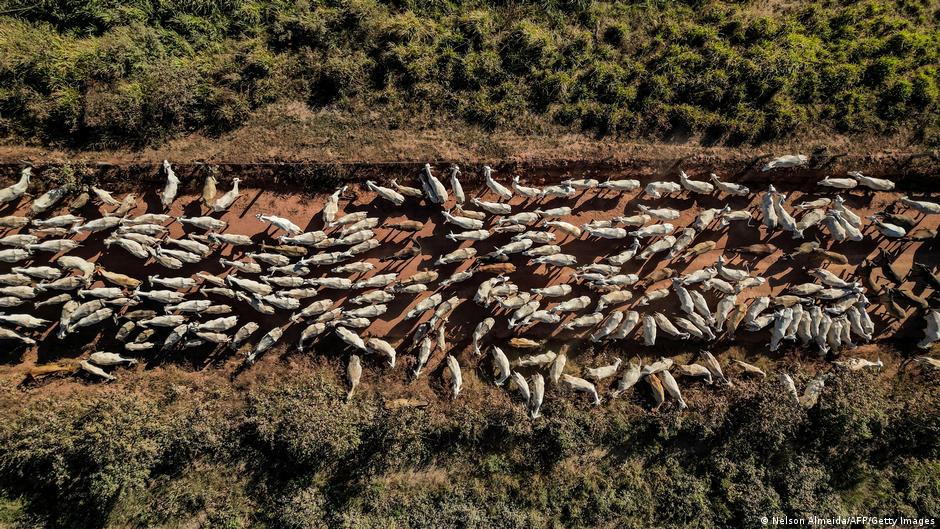
fromwww.dw.com
2 months agoFlooding hammers Mozambique, SADC countries
Flooding across southern Africa has severed critical transport routes, displaced hundreds of thousands of people and left governments and aid agencies struggling to respond. Southern Mozambique has suffered the heaviest toll so far. Authorities say more than 645,000 people have been affected nationwide, with at least 112 deaths recorded so far. Over 91,000 people are sheltering in 68 temporary accommodation centers, while 99 others have been injured. Thousands of homes, classrooms and health facilities have been damaged or destroyed,
World news
fromFortune
2 months agoAsia is one of the world's least insured places, even as it's battered by climate change and natural disasters | Fortune
A lack of insurance coverage in Southeast Asia threatens an increasingly important hub for supply chains, as the region is battered by tropical storms, major flooding, and other natural disasters. Total losses from natural disasters across Asia-Pacific last year totaled $73 billion, yet just $9 billion was insured, according to Germany reinsurance company Munich Re. That makes Asia one of the world's least insured regions against natural disasters.
Business
Environment
fromwww.theguardian.com
1 month agoAustralian wildlife in harm's way' with volunteers left to pick up the pieces' amid climate crisis, fires and floods
Labor is urged to establish national wildlife protection standards for disaster response, with advocates warning biodiversity risks could become irreversible without coordinated government-funded rescue and rehabilitation services.
fromwww.theguardian.com
1 month agoThe river won': how campaigners in Brazilian Amazon stopped privatisation of waterway
The river won, the forest won, the memory of our ancestors won, said the campaigners in Santarem when it was clear their actions had forced the Brazilian government into a U-turn on plans to privatise one of the world's most beautiful waterways and expand its role as a soy canal.
Environment
fromNature
2 months agoTo improve resilience to climate change, track what endures
When the category-5 storm Hurricane Melissa struck Jamaica in October, its path crossed communities that had varying levels of preparedness. Many with maintained coastal protections, upgraded drainage and reliable early-warning systems had power and water restored in days. Others were immobilized for weeks.
Environment

fromThe Art Newspaper - International art news and events
1 month ago'These are dirty funds': Indigenous Brazilian leader slams Science Museum for oil sponsorship ahead of climate show
BP's sponsorship of the museum has long drawn ire, in part because the oil company pursues an "all out for oil and gas" strategy, including plans to exploit deep drilling at the recently discovered Burmerangue site off the coast of Brazil. The project has been criticised by campaigners and oil and gas unions due to its threat to ocean ecosystems, elevated carbon dioxide levels, and lack of revenue flowing back into the Brazilian economy.
Environment
fromState of the Planet
2 months agoClimate Action Costs More in the Global South. Here's Why.
Clean energy technologies have become more affordable around the world. Yet for many countries in the Global South, the cost of transitioning to a low-carbon economy remains disproportionately high. But not because the equipment is more expensive: in fact, solar and wind components are often imported at comparable prices around the world, as global manufacturing scale and trade have helped standardize hardware costs. Instead, the disparities in financing costs reflect the way the global financial system fails to adequately capture, differentiate and price risk.
Environment
fromwww.dw.com
2 months agoThe business of saving nature
The world spends 30 times more money destroying nature than protecting it. That's according to a new report from the United Nations Environment Programme (UNEP) that exposes a massive gulf between so-called "harmful investments" and financing that promotes nature preservation. The global environment agency's latest "State of Finance for Nature" (SNF) report is calling to phase out the US$7.3 trillion (6.2 trillion) in global investments that damage nature including into high-emissions energy infrastructure and manufacturing, for example.
Environment
Environment
fromArchDaily
2 months agoWorld Wetlands Day 2026: Integrating Traditional Knowledge for Climate Resilience
Wetlands provide critical biodiversity, ecosystem services, and livelihoods, while traditional ecological knowledge fosters resilient human–wetland relationships amid growing threats.
fromwww.theguardian.com
1 month agoPostcard-pretty and filled with pollution: how Brazil's fishers are reviving Rio de Janeiro's famous bay
Raw sewage and solid waste flow into the bay from surrounding cities, home to more than 8 million people. Cargo ships and oil platforms chug in and out of commercial ports, while dozens of abandoned vessels lie rotting in the water. But at the head of the bay, between the cities of Itaborai and Mage, the environment feels different. The air is purer, the waters are empty but for small fishing canoes, and flocks of birds soar overhead.
Environment
Environment
fromwww.theguardian.com
2 months agoIndonesia takes action against mining firms after floods devastate population of world's rarest ape
Indonesia revoked 28 company permits and sued six firms for environmental damage after floods and landslides devastated Batang Toru, killing 1,100 people and Tapanuli orangutans.
[ Load more ]