#eu-1055bn-loan
#eu-1055bn-loan
[ follow ]
#inflation #eu #fuel-prices #middle-east-conflict #hungary #windfall-tax #energy-companies #energy-prices #ecb
Germany news
fromThe Local Germany
2 weeks agoEconomists warn German government is misusing investment spending
Germany's infrastructure spending fund is largely redirecting existing budget allocations rather than creating new investments, with 86-95% of borrowed money funding day-to-day expenses instead of infrastructure projects.
Europe politics
fromwww.theguardian.com
2 weeks agoHungary's Orban says he won't back down and allow EU's 90bn loan to Ukraine Europe live
Lithuanian President Nauseda warns that Middle East events risk overshadowing Ukraine's war, urging stronger EU sanctions and the 20th sanctions package while Russia stalls peace talks to occupy more territory.
from24/7 Wall St.
3 weeks agoEWP Is Beating the Eurozone by a Mile With a 50% One-Year Return
EWP is a pure-play bet on Spanish large-cap equities. It tracks the MSCI Spain Index and holds roughly 30 publicly traded Spanish companies, giving investors concentrated exposure to a single economy rather than the blended eurozone exposure you'd get from a broader fund. The ETF has been around since March 1996 and currently holds about $1.9 billion in net assets.
Miscellaneous
Europe news
fromLondon Business News | Londonlovesbusiness.com
1 week agoEuro rally falters as dollar regains strength on 'higher for longer' rates - London Business News | Londonlovesbusiness.com
EURUSD recovery shows fading momentum, reflecting a corrective rally rather than a trend reversal amid complex macroeconomic conditions.
#eu-capital-markets-integration
Europe politics
fromThe Local France
2 weeks agoWhat you should know about the EU's plan to tap your savings
The EU revives its decade-old capital market integration plan, now called the Savings and Investments Union, to compete with the US and China while addressing market fragmentation and investment barriers.
Europe politics
fromThe Local Germany
2 weeks agoWhat you should know about the EU's plan to tap your savings
The EU revives its decade-old capital market integration plan, now called the Savings and Investments Union, to compete with the US and China while addressing market fragmentation and investment barriers.
fromTechzine Global
3 weeks agoNscale sets European record: 2 billion raised in funding round
Nscale has now raised over $4.5 billion across equity rounds in less than six months. The capital funds Nscale's vertically integrated AI infrastructure, consisting of GPU compute, networking, data services, and orchestration software, with expansion planned across Europe, North America, and Asia.
European startups
World politics
fromLondon Business News | Londonlovesbusiness.com
1 month agoThe Euro Could Head Closer to Unity with the Dollar - London Business News | Londonlovesbusiness.com
EUR/USD declines toward parity as energy crisis concerns and rising eurozone inflation pressure the euro while US Treasury yields support dollar strength.
Europe politics
fromwww.thelocal.com
2 weeks agoWhat you should know about the EU's plan to tap your savings
The EU revives its decade-old Capital Markets Union plan, now called the Savings and Investments Union, to compete with the US and China by unifying fragmented national financial markets and redirecting €10 trillion in citizen savings from bank deposits into investments.
fromLondon Business News | Londonlovesbusiness.com
2 weeks agoEurozone inflation edges up as ECB prepares for key rate decision - London Business News | Londonlovesbusiness.com
Services experienced the highest annual increase at 3.4%, followed by food, alcohol, and tobacco at 2.5%. Non-energy industrial goods saw a more modest increase of 0.7%. Meanwhile, energy prices fell by 3.1% over the month, which helped to temper overall inflation pressures.
Europe news
European startups
fromComputerworld
4 weeks agoGov't IT spending seen as key to building Europe's tech ecosystem
European governments are shifting from US technology suppliers to open-source alternatives to achieve digital sovereignty and reduce dependency, with public sector IT spending driving this transition.
fromwww.dw.com
1 month ago'Made in EU' proposals put forward to boost manufacturing
The IAA covers several key sectors, including steel, cement, aluminum, cars and innovative technologies, such as batteries, solar, wind and nuclear. The new rules would set a minimum requirement for projects using public funds. For example, aluminum sector projects would require 25% of the aluminum to be produced in the EU and with low-carbon technologies. For cement, the equivalent rate would be 5%.
Europe politics
Miscellaneous
fromFortune
1 month agoHungary says it will block the EU's $106 billion loan to Ukraine until Russian oil resumes flowing through a key pipeline that Moscow damaged | Fortune
Hungary will block a planned 90-billion-euro EU loan to Ukraine until Russian oil flow through the Druzhba pipeline to Hungary resumes.
Business
fromLondon Business News | Londonlovesbusiness.com
2 months agoInflation cools, Europe stabilises, Asia reacts to politics and policy - London Business News | Londonlovesbusiness.com
Cooling core inflation and mixed earnings are driving a rotation into value and domestic stocks, supporting smaller-cap outperformance and sustaining hopes for eventual Fed rate cuts.
fromLondon Business News | Londonlovesbusiness.com
2 months agoSlight relief for UK business as insolvencies ease - London Business News | Londonlovesbusiness.com
"While it encouraging to see insolvency rates decrease, we know that big name brands are struggling and the outlook for 2026 is far from rosy. Retailers and hospitality businesses who had hoped for more support from the Autumn Budget are now facing increased uncertainty. It seems as though the New Year may already see another Government U-turn, this time backing down on plans to scrap business rates relief for pubs that has been in force since the pandemic."
UK news
fromwww.npr.org
2 months agoWe've been hearing about the EU's economic 'bazooka.' Here's what it is
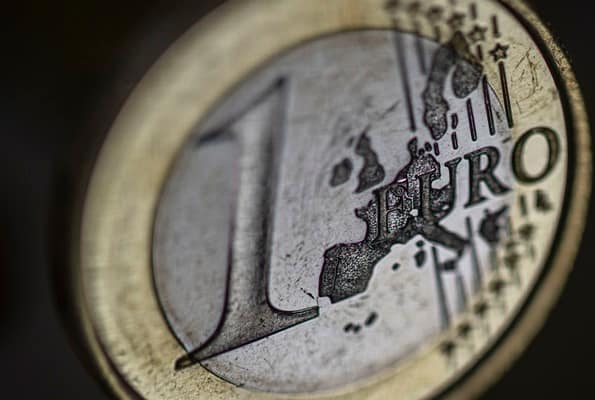
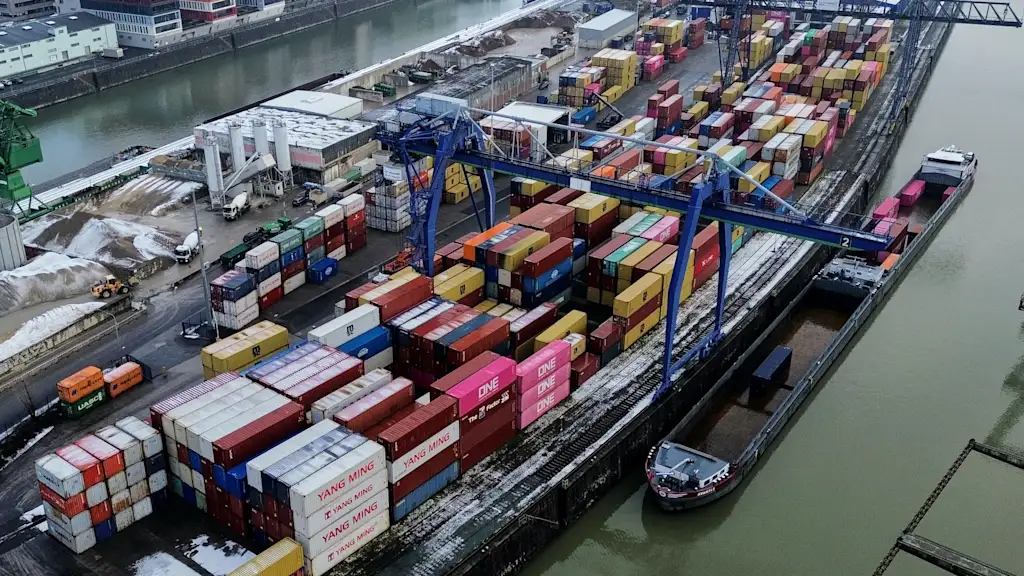
As tensions simmer between the European Union and the U.S. over the Trump administration's trade policies and its play for Greenland, we've been hearing about the EU's economic "bazooka." What is it? AILSA CHANG, HOST: Things are quite tense right now between the U.S. and the European Union. Sources of that tension include the Trump administration's trade policies and its play for Greenland, which, in turn, has led to talk about the EU's anticoercion mechanism, also known as its economic bazooka.
Miscellaneous
World news
fromLondon Business News | Londonlovesbusiness.com
1 month agoOECD headline inflation broadly stable at 3.7% in December 2025 - London Business News | Londonlovesbusiness.com
OECD headline CPI inflation was broadly stable at 3.7% in December 2025, with falling energy inflation while food and core inflation changed little.
Europe politics
fromwww.theguardian.com
2 months agoThe Guardian view on Europe's payments problem: sovereignty starts at the till | Editorial
Europe needs a sovereign, state-backed payment infrastructure like India's UPI to avoid dependence on US-controlled card networks and vulnerability to sanctions.
fromLondon Business News | Londonlovesbusiness.com
1 month agoECB keeps rates on hold despite below-target inflation - London Business News | Londonlovesbusiness.com
The European Central Bank (ECB) held its key interest rates unchanged following the February meeting of the Governing Council, in line with Cebr projections. This marks the fifth consecutive hold, despite a below-target inflation reading of 1.7% in January, the lowest level since 2021. The decision to hold rates also comes despite a recent Euro rally against the dollar, which is expected to add disinflationary pressure through cheaper imports and weigh on growth by making the bloc's exports more expensive.
Miscellaneous
fromwww.theguardian.com
1 month agoEU urged not to roll back green agenda in effort to revive faltering economy
Campaigners from the Climate Action Network, a pan-European group of NGOs, said European industry was under real pressure from high energy prices, ageing assets, global overcapacity and delayed investments, but these issues could not be solved by watering down climate and environmental policies. Deregulation is not an industrial strategy, the group wrote in an open letter, which argued that the problems facing energy-intensive industries, including steel, cement and chemicals, were driven by prices of fossil fuel-derived energy and global market dynamics, rather than environmental regulation.
Europe politics
Miscellaneous
fromLondon Business News | Londonlovesbusiness.com
2 months agoEuro under pressure as geopolitical risks and weak PMI data dent sentiment - London Business News | Londonlovesbusiness.com
Euro fell against major currencies as investors sought safe havens amid Latin American geopolitical escalation and weak euro-area macro data, risking ECB policy shifts.
fromwww.thelocal.es
1 month agoInside Spain: The struggle to save up and the darkest January in 30 years
Do you remember a time in your city in Spain when bar and restaurant terraces were not packed with locals having fun (except for during the Covid-19 lockdown, of course)? No matter how tight finances are, Spaniards always seem to have the money for eating and drinking out. Some would say this carpe diem attitude is to be admired rather than sniffed at. After all, it goes hand in hand with the much-admired Spanish lifestyle - outdoors, in the company of others, enjoying the moment.
Miscellaneous
fromwww.thelocal.com
1 month agoReplacement for cash? How the new 'digital euro' would work for Europeans
The electronic version of the money used in the 21-nation currency area would be available to use free of charge in shops, online or from person to person. Supporters say it would let Europeans make online payments without relying on US payment systems -- as Europe ramps up efforts to break its dependence on foreign firms including US giants such as Visa and Mastercard. Critics fear it would allow governments to surveil citizens' payments or even cut them off from the money supply.
Miscellaneous
fromTNW | Eu
1 month agoThe European Union has put 700 million into NanoIC
The European Union has formally inaugurated NanoIC, a semiconductor pilot line backed by a €700 million investment under the European Chips Act. The facility aims to accelerate the development of advanced chip technologies and strengthen Europe's position in the global semiconductor landscape. Situated at the research hub imec in Leuven, NanoIC is designed as an open pilot line where companies, research institutes, and startups can prototype and test cutting-edge components before commercial deployment.
Miscellaneous
Miscellaneous
fromIndependent
2 months ago'No delays or excuses allowed', Finance Minister warns departments in race to protect economy against Trump's chaos
Government departments must urgently increase Ireland's competitiveness with no excuses or delays amid global instability caused by actions of the US president.
[ Load more ]