#eu-reform
#eu-reform
[ follow ]
#eu #germany #fuel-prices #digital-sovereignty #middle-east-conflict #brexit #data-breach #uk-eu-relations
#windfall-tax
Europe news
fromFortune
16 minutes agoEuropean ministers urge EU to impose windfall taxes on energy companies as prices spike 'to ensure that this burden is distributed fairly' | Fortune
European finance ministers are urging a bloc-wide windfall tax on energy companies to address rising oil and gas prices and inflation concerns.
fromThe Local France
5 hours agoEurotunnel and Eurostar still not ready for EES rollout despite deadline
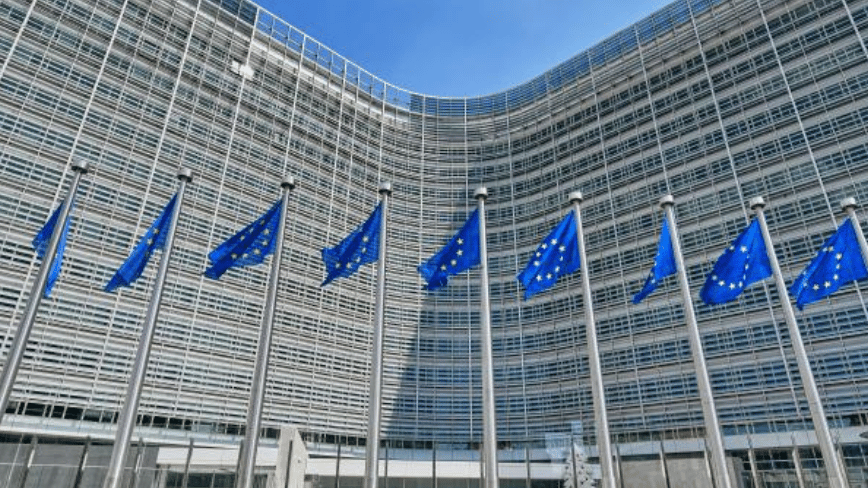
The new checks, part of the EU's new Entry/Exit System (EES), collect digital personal records of third country nationals travelling to the Schengen area and replace the manual stamping of passports.
EU data protection

World news
fromIrish Independent
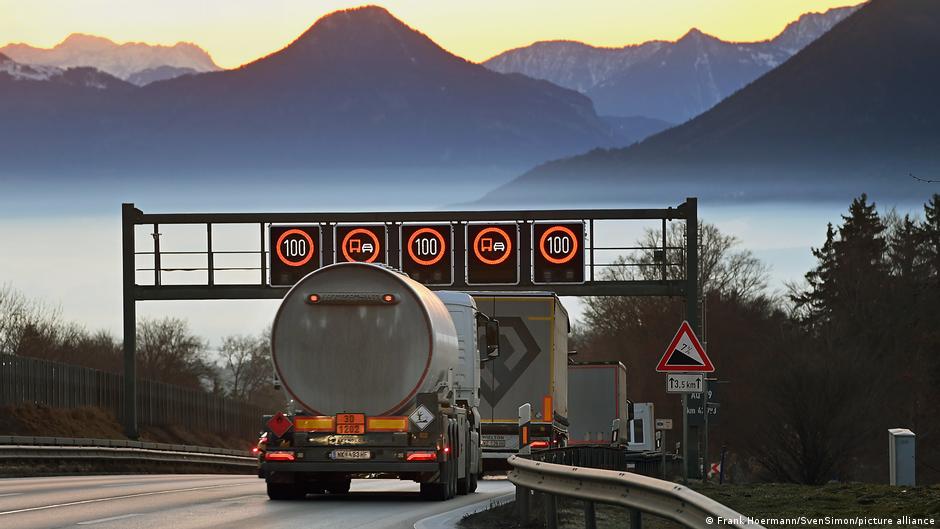
1 day agoEU warns it's 'preparing for worst scenarios' and assessing 'all possibilities' including fuel rationing as energy crisis deepens
Tehran plans to charge for passage through the Strait of Hormuz, aiming to ensure safe navigation amid rising tensions with the US.
fromElectronic Frontier Foundation
1 week agoDigital Hopes, Real Power: From Revolution to Regulation
66% of internet users live where political or social sites are blocked, and 78% are in countries where people have been arrested for online posts. New social media regulations have emerged in dozens of countries in the past year alone.
World politics



Europe politics
fromwww.theguardian.com
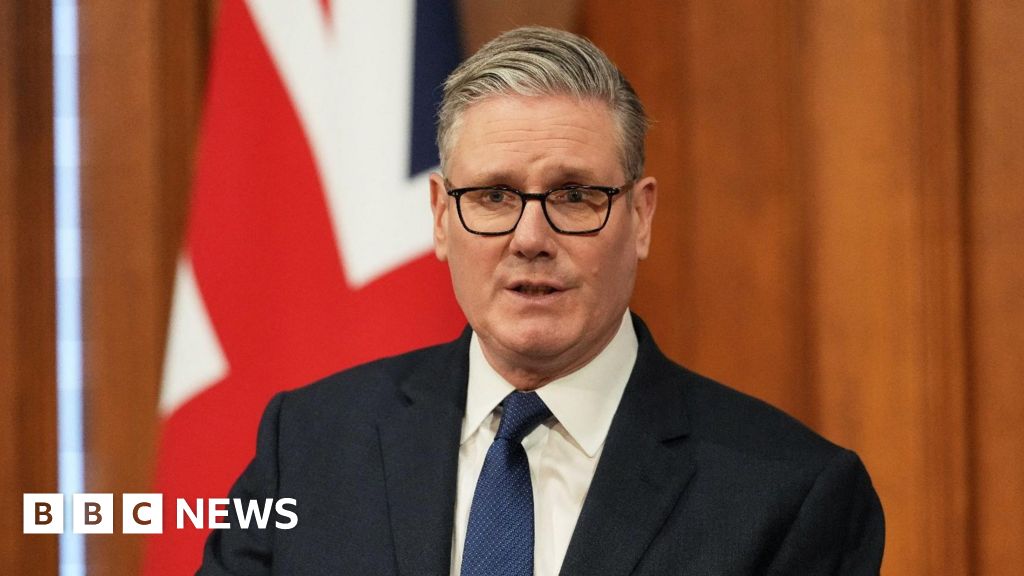
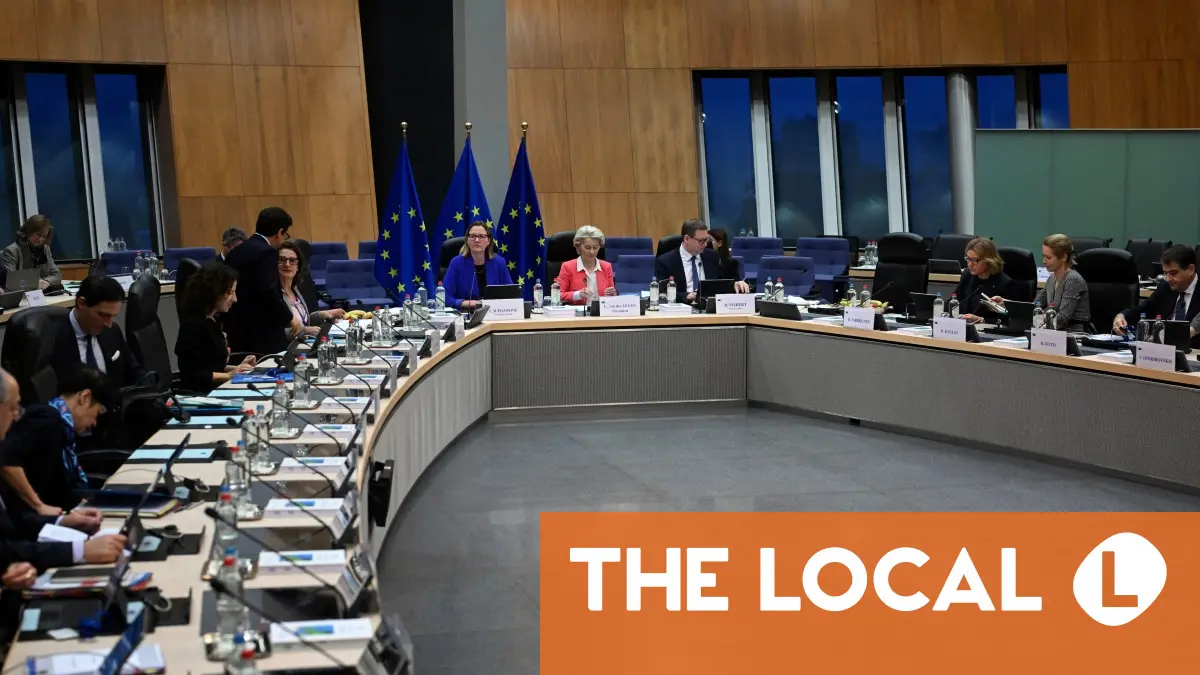
23 hours agoThe Guardian view on the US and Europe: the UK tried to be a bridge, but Trump likes to burn them | Editorial
Donald Trump's unpredictability undermines traditional alliances and the liberal international order, causing concern among European leaders.

European startups
fromFortune
3 weeks agoEurope's second chance on AI: building an opportunity in factories, labs, and the real economy | Fortune
Europe's scientific talent, industrial strength, and multi-sector ecosystems position it to lead the next AI innovation wave focused on robotics, manufacturing, chemistry, and healthcare rather than large language models.
fromTechzine Global
4 weeks agoAdvancing Europe's public agenda through Open Source Software Foundations
Digital products & services shape almost every sector of modern life. They have become an important backbone of the world's economy and society. The balance of our digital economy depends on a delicate interplay between tech companies, startups, software developers, foundations, and other stakeholders - many of which have partly become autonomous in recent years.
Miscellaneous
UK politics
fromwww.theguardian.com
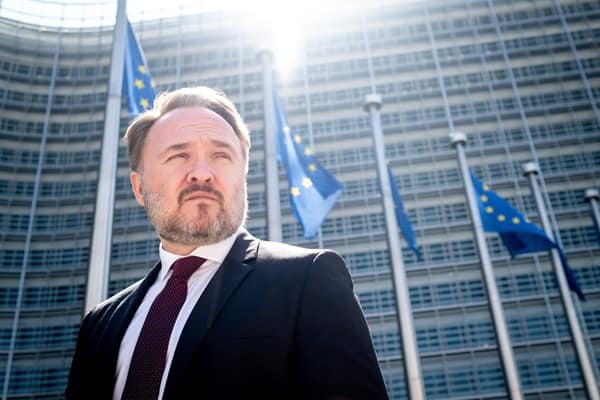
2 weeks agoThe Guardian view on Rachel Reeves and the EU: the right ambition is held back by outdated red lines | Editorial
Chancellor Rachel Reeves advocates 'securonomics'—activist government intervention partnering with the private sector to address public anxiety, reduce regional inequality, and boost growth through devolved economic power and potential EU market realignment.
#digital-sovereignty
European startups
fromComputerworld
4 weeks agoGov't IT spending seen as key to building Europe's tech ecosystem
European governments are shifting from US technology suppliers to open-source alternatives to achieve digital sovereignty and reduce dependency, with public sector IT spending driving this transition.

European startups
fromComputerworld
4 weeks agoGov't IT spending seen as key to building Europe's tech ecosystem
European governments are shifting from US technology suppliers to open-source alternatives to achieve digital sovereignty and reduce dependency, with public sector IT spending driving this transition.

Europe politics
fromwww.theguardian.com
1 week agoThe Guardian view on a significant week for European politics: progressives have some reasons to be cheerful | Editorial
Denmark's snap election reflects shifting political dynamics amid domestic issues and international tensions, with the Social Democrats facing challenges despite remaining the largest party.
Europe politics
fromenglish.elpais.com
2 weeks agoThe EU is preparing to slam the door on Trump and cling to multilateralism
EU leaders prioritize multilateralism and rules-based order while addressing energy price surges and geopolitical instability driven by US-Iran conflict and Trump's foreign policy.
fromwww.wanderwithjo.com
4 months agoHow To Benefit From Schengen and Non-Schengen Borders and How They Actually Work
At first, it sounds almost too simple like someone claiming they've solved European immigration with nothing more than a calendar and a backpack. But this little pattern, when used intentionally and legally, becomes one of the most elegant travel strategies in the world. It lets you stay in Europe far longer than any tourist visa seems to allow, all without breaking rules, overstaying, or navigating complicated immigration systems.
Travel
#eu-capital-markets-integration
Europe politics
fromThe Local France
2 weeks agoWhat you should know about the EU's plan to tap your savings
The EU revives its decade-old capital market integration plan, now called the Savings and Investments Union, to compete with the US and China while addressing market fragmentation and investment barriers.
Europe politics
fromThe Local Germany
2 weeks agoWhat you should know about the EU's plan to tap your savings
The EU revives its decade-old capital market integration plan, now called the Savings and Investments Union, to compete with the US and China while addressing market fragmentation and investment barriers.
Europe politics
fromwww.thelocal.com
2 weeks agoWhat you should know about the EU's plan to tap your savings
The EU revives its decade-old Capital Markets Union plan, now called the Savings and Investments Union, to compete with the US and China by unifying fragmented national financial markets and redirecting €10 trillion in citizen savings from bank deposits into investments.
fromComputerworld
4 weeks agoEuropean consumers ask EU to put a stop to digital enshittification
The groups complain about "the increasing concentration of power and lack of alternatives in digital markets, the push for deregulation, and the urgent need to enforce digital laws to protect our fundamental rights and create a level playing field for competition and innovation."
EU data protection
fromwww.dw.com
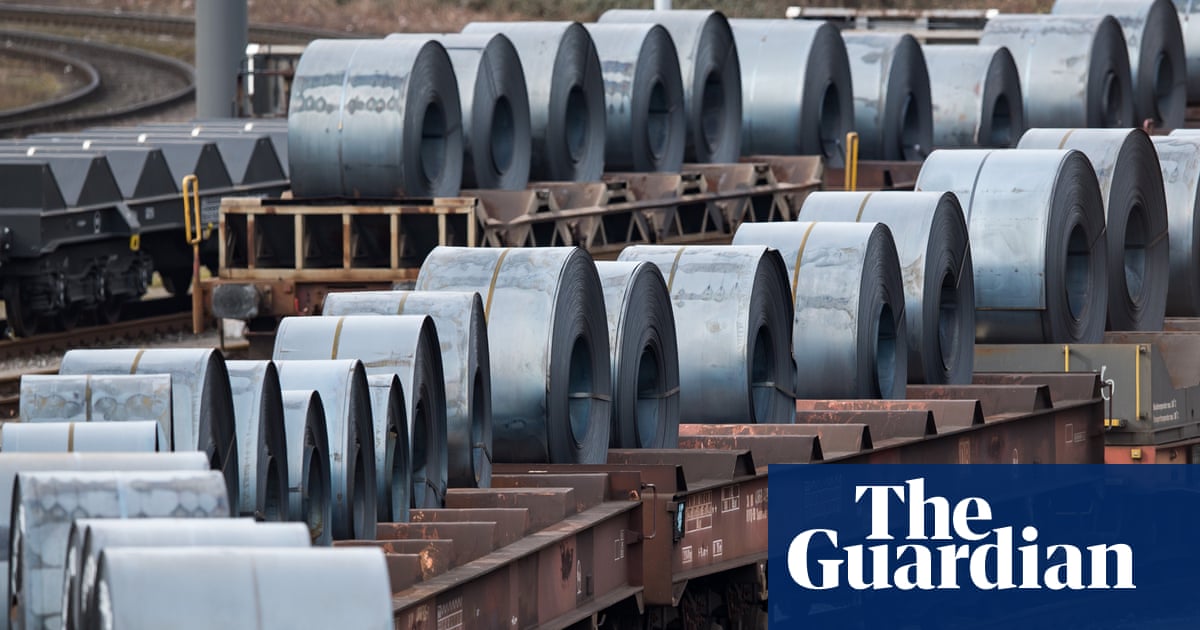
1 month ago'Made in EU' proposals put forward to boost manufacturing
The IAA covers several key sectors, including steel, cement, aluminum, cars and innovative technologies, such as batteries, solar, wind and nuclear. The new rules would set a minimum requirement for projects using public funds. For example, aluminum sector projects would require 25% of the aluminum to be produced in the EU and with low-carbon technologies. For cement, the equivalent rate would be 5%.
Europe politics
fromTNW | Eu
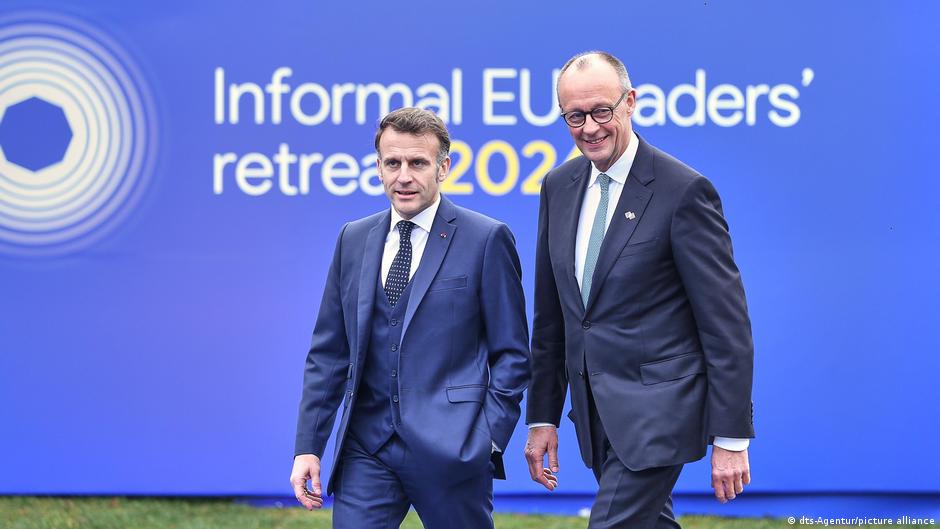
1 month agoThe European Parliament pulls back AI from its own devices
The European Parliament has taken a rare and telling step: it has disabled built-in artificial intelligence features on work devices used by lawmakers and staff, citing unresolved concerns about data security, privacy, and the opaque nature of cloud-based AI processing. The decision, communicated to Members of the European Parliament (MEPs) in an internal memo this week, reflects a deepening unease at the heart of European institutions about how AI systems handle sensitive data.
EU data protection
Europe politics
fromwww.theguardian.com
2 months agoEurope is at a turning point. Timid EU elites should take lessons from The Leopard
Europe faces potential absolute decline as geopolitical rivals press influence, domestic elites pursue managed decline, and cultural reflection may offer lessons for political renewal.
Europe politics
fromwww.theguardian.com
2 months agoThe Guardian view on Europe's payments problem: sovereignty starts at the till | Editorial
Europe needs a sovereign, state-backed payment infrastructure like India's UPI to avoid dependence on US-controlled card networks and vulnerability to sanctions.
fromwww.theguardian.com
2 months agoEurope must heed Mark Carney and embrace a painful emancipation from the US | Paul Taylor
In an incisive analysis of the new age of predatory great powers, where might is increasingly asserted as right, Carney not only accurately defined the coarsening of international relations as a rupture, not a transition. He also outlined how liberal democratic middle powers such as Canada but also European countries must build coalitions to counter coercion and defend as much as possible of the principles of territorial integrity, the rule of law, free trade, climate action and human rights.
Europe politics
[ Load more ]