#eu-regulatory-fines
#eu-regulatory-fines
[ follow ]
#digital-services-act #data-breach #european-commission #antitrust #cybersecurity #regulatory-compliance



fromThe Local France
3 days agoFrance charges four over failed attack on US bank
The man in his early twenties from a Paris suburb had been charged with 'terrorist criminal conspiracy' and remanded in custody. French counter-terrorism prosecutors suspect he asked teenagers to place an explosive device outside the US financial institution near the famed Champs-Elysees avenue.
France news
fromTechzine Global
3 weeks agoEuropean plans against Big Tech meet with criticism from businesses
Companies across sectors such as banking, industry, and technology report that their digital infrastructure is closely intertwined with American software and cloud platforms. Many organizations rely on services from large American suppliers for office software, cloud storage, and AI applications. According to them, this dependence cannot be reduced quickly without operational disruptions.
Miscellaneous

Europe politics
fromwww.thelocal.com
2 weeks agoWhat you should know about the EU's plan to tap your savings
The EU revives its decade-old Capital Markets Union plan, now called the Savings and Investments Union, to compete with the US and China by unifying fragmented national financial markets and redirecting €10 trillion in citizen savings from bank deposits into investments.
Apple
from9to5Mac
3 weeks agoGerman publishers push regulators to fine Apple over ATT - 9to5Mac
German media agencies and publishers demand the antitrust watchdog reject Apple's App Tracking Transparency changes and impose a fine, citing anticompetitive practices that disadvantage advertisers and publishers.
#eu-capital-markets-integration
Europe politics
fromThe Local France
2 weeks agoWhat you should know about the EU's plan to tap your savings
The EU revives its decade-old capital market integration plan, now called the Savings and Investments Union, to compete with the US and China while addressing market fragmentation and investment barriers.
Europe politics
fromThe Local Germany
2 weeks agoWhat you should know about the EU's plan to tap your savings
The EU revives its decade-old capital market integration plan, now called the Savings and Investments Union, to compete with the US and China while addressing market fragmentation and investment barriers.
fromSilicon Canals
1 month agoApple and Google face simultaneous antitrust actions across four continents - Silicon Canals
Apple and Google, the two companies that collectively control how more than six billion people access the internet from their pockets, are now facing coordinated antitrust enforcement actions across North America, Europe, Asia, and beyond. The simultaneous pressure marks a structural shift in how governments worldwide approach platform power.
US politics


#digital-services-act




fromComputerworld
1 month agoGermany greenlights the EU AI Act, triggering countdown for enterprise compliance
"With this law, we are implementing European requirements in a maximally innovation-friendly way and creating lean AI supervision with a clear focus on the needs of the economy," Federal Digital Minister Karsten Wildberger said in a statement.
Artificial intelligence
fromTNW | Government-Policy
3 weeks agoEU lawmakers deal to ban AI non-consensual intimate deepfakes
In late December 2025, Elon Musk's AI company xAI updated its Grok chatbot, integrated into the social media platform X, with a new image-editing feature. Within days, users were exploiting it to generate realistic sexualised images of real women and girls without their consent, including content that regulators said depicted minors in a manner that constituted child sexual abuse material.
EU data protection

fromTechRepublic
2 months agoEU's New Cybersecurity Act Could Ban High-Risk Suppliers - TechRepublic
Yesterday (Jan. 20), the Commission unveiled its revised Cybersecurity Act proposal after months of behind-the-scenes negotiations that reportedly caused substantial friction between officials and member states. This sweeping update introduces measures to identify and potentially exclude "high-risk" third countries and companies from Europe's critical digital infrastructure across 18 essential sectors, including energy systems. As cybersecurity threats continue rising since the original Act took effect seven years ago, the EU is essentially drawing new battle lines in the global tech landscape.
Information security

fromEngadget
2 months agoDOJ and states appeal Google monopoly ruling to push for harsher penalties against the company
Google might have been officially ruled to have a monopoly, but we're still a long way from figuring out exactly what that determination will change at the tech company. Today, the US Department of Justice filed notice of a plan to cross-appeal the decision last fall that Google would not be required to sell off the its Chrome browser. The agency's Antitrust Division posted about the action on X. According to , a group of states is also joining the appeal filing.
Law
EU data protection
fromCointelegraph
1 month agoHow EU Crypto Tax Laws Are Set to Work in Practice
The EU's DAC8 directive expands tax transparency for cryptocurrency by requiring platforms to report user identity, tax residency, and transaction data to authorities starting January 1, 2026, with automatic information exchange among member states.

fromComputerworld
4 weeks agoEuropean consumers ask EU to put a stop to digital enshittification
The groups complain about "the increasing concentration of power and lack of alternatives in digital markets, the push for deregulation, and the urgent need to enforce digital laws to protect our fundamental rights and create a level playing field for competition and innovation."
EU data protection
EU data protection
fromThe Verge
1 month agoGoogle might reshuffle search results to try to dodge fines in the EU
Google will test displaying rival hotel, flight, restaurant, and transportation services higher in European search results to comply with EU antitrust regulations under the Digital Markets Act.
fromCointelegraph
1 month agoHow EU Crypto Tax Laws Are Set to Work in Practice
Starting Jan. 1, 2026, updated reporting obligations require crypto platforms operating in the EU or serving EU users to provide detailed information on users and their transactions to tax authorities. This change aligns digital assets more closely with the transparency requirements long established in conventional finance.
EU data protection
fromDigiday
2 months agoAs U.S. courts near a remedy, Europe puts Google's ad tech concessions under the microscope
The crunch moment in Google's antitrust battles with the Justice Department over its ad tech stack looms ever closer, with Justice Leonie Brinkema expected to issue her remedies ruling by the close of Q1. While these deliberations take place in the chambers of a courtroom in the Eastern District of Virginia, developments elsewhere underscore the political undercurrents at play, namely the push to limit Big Tech's power.
Miscellaneous
fromReadWrite
2 months agoTipico German EU court case shakes iGaming industry
The premise of the lawsuit is whether Tipico should refund wagers placed between 2013 and 2020, when the operator held a Malta-issued license but not a German one. Specifically, it relates to the compatibility of German gambling laws with wider EU regulations, and in particular, the outworking under Article 56 of the Treaty of the Functioning of the European Union (TFEU).
Miscellaneous
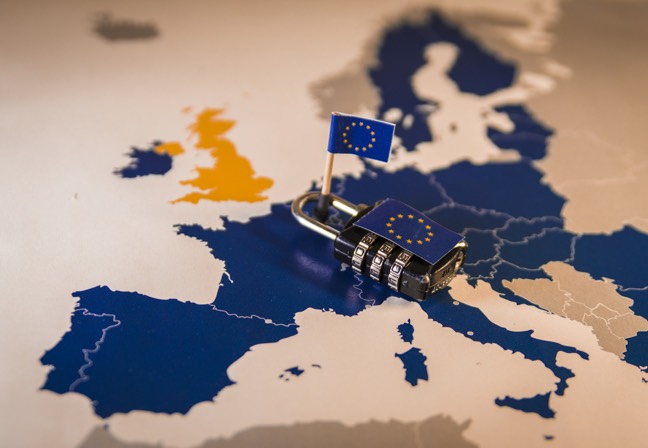


fromTNW | Eu
1 month agoThe European Parliament pulls back AI from its own devices
The European Parliament has taken a rare and telling step: it has disabled built-in artificial intelligence features on work devices used by lawmakers and staff, citing unresolved concerns about data security, privacy, and the opaque nature of cloud-based AI processing. The decision, communicated to Members of the European Parliament (MEPs) in an internal memo this week, reflects a deepening unease at the heart of European institutions about how AI systems handle sensitive data.
EU data protection
EU data protection
fromComputerWeekly.com
1 month agoEurope's data protection supervisors warn over plans to 'narrow' privacy rights | Computer Weekly
Narrowing the definition of personal data in EU reforms risks eroding privacy rights, creating legal uncertainty, and weakening protections against automated decision-making.
[ Load more ]