Privacy technologies
fromTechzine Global
2 days agoIs Proton Workspace the European alternative to Microsoft 365 and Google?
Proton's new software suite aims to compete with Microsoft 365 and Google Workspace while prioritizing user privacy.
"They have been more successful than anyone including themselves could have anticipated," said Nick Giles, a senior research analyst at B. Riley Securities who covers several of the firms, most of which are public.
OpenAI announced plans for its Stargate program, a global data center initiative valued at $500bn, to be established in the UK, specifically at Cobalt Park on Tyneside. The project aimed to house around 8,000 Nvidia AI processors by the first quarter of 2026, but that deadline has now passed without any construction starting.
The UK has about 1.59GW of currently installed datacentre capacity at just under 190 sites. If we add existing capacity to that which is planned to complete by 2030 and which has planning consent, we get 4.9GW.
66% of internet users live where political or social sites are blocked, and 78% are in countries where people have been arrested for online posts. New social media regulations have emerged in dozens of countries in the past year alone.
The new checks, part of the EU's new Entry/Exit System (EES), collect digital personal records of third country nationals travelling to the Schengen area and replace the manual stamping of passports.
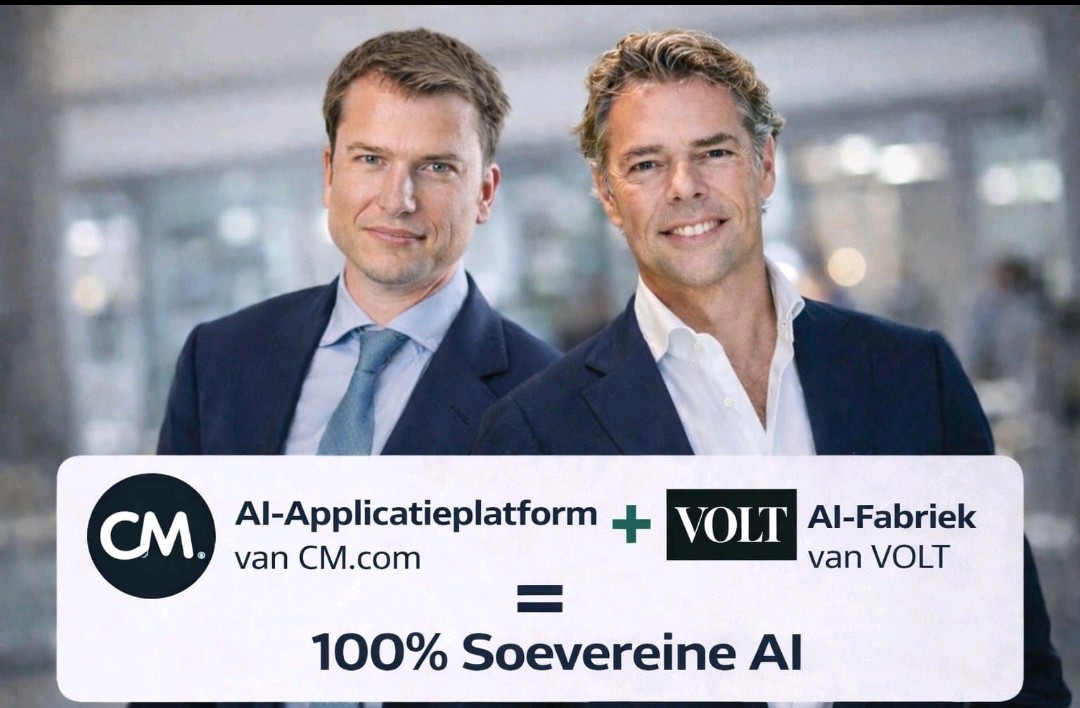
Companies across sectors such as banking, industry, and technology report that their digital infrastructure is closely intertwined with American software and cloud platforms. Many organizations rely on services from large American suppliers for office software, cloud storage, and AI applications. According to them, this dependence cannot be reduced quickly without operational disruptions.
Traditionally, statistics show that most users will trust what they see at the top of a search page. They don't generally question it. That sort of placement alone can give a company a significant advantage, as it can greatly influence and help shape user behavior on a large scale.
The groups complain about "the increasing concentration of power and lack of alternatives in digital markets, the push for deregulation, and the urgent need to enforce digital laws to protect our fundamental rights and create a level playing field for competition and innovation."
"With this law, we are implementing European requirements in a maximally innovation-friendly way and creating lean AI supervision with a clear focus on the needs of the economy," Federal Digital Minister Karsten Wildberger said in a statement.
Prost, whose name now shares the same list as some of the world's most dangerous people, from terrorists to North Korean hackers and Iranian spies, described the effect of sanctions on her life as "paralyzing" in an interview by The Irish Times. This high-profile case provides a glimpse into the disruption that being cut off from the U.S. can have on a person's everyday life; lawmakers and government leaders across Europe are growing more aware of the looming threat facing them at home, and their over-reliance on U.S. technology.