#european-union-accession
#european-union-accession
[ follow ]
#germany #eu #brexit #immigration #human-rights #citizenship #middle-east-conflict #nato #fuel-prices #uk-eu-relations
fromThe Local France
1 day agoEurotunnel and Eurostar still not ready for EES rollout despite deadline
The new checks, part of the EU's new Entry/Exit System (EES), collect digital personal records of third country nationals travelling to the Schengen area and replace the manual stamping of passports.
EU data protection
#germany
Germany politics
fromThe Local Germany
3 days agoToday in Germany: A roundup of the latest news on Thursday
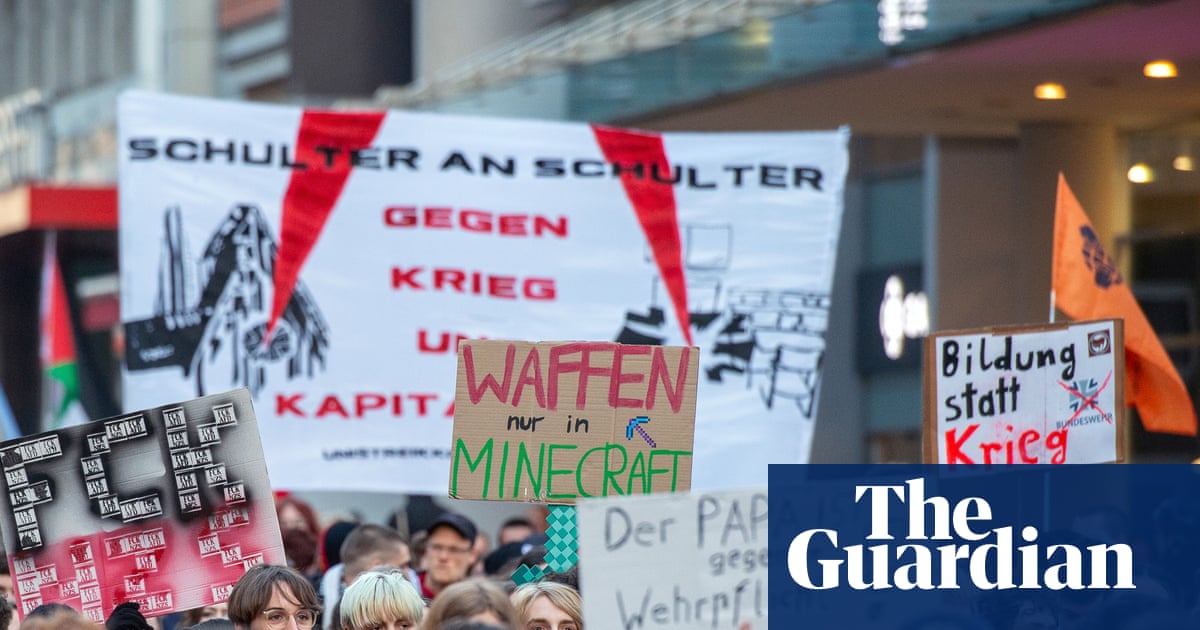
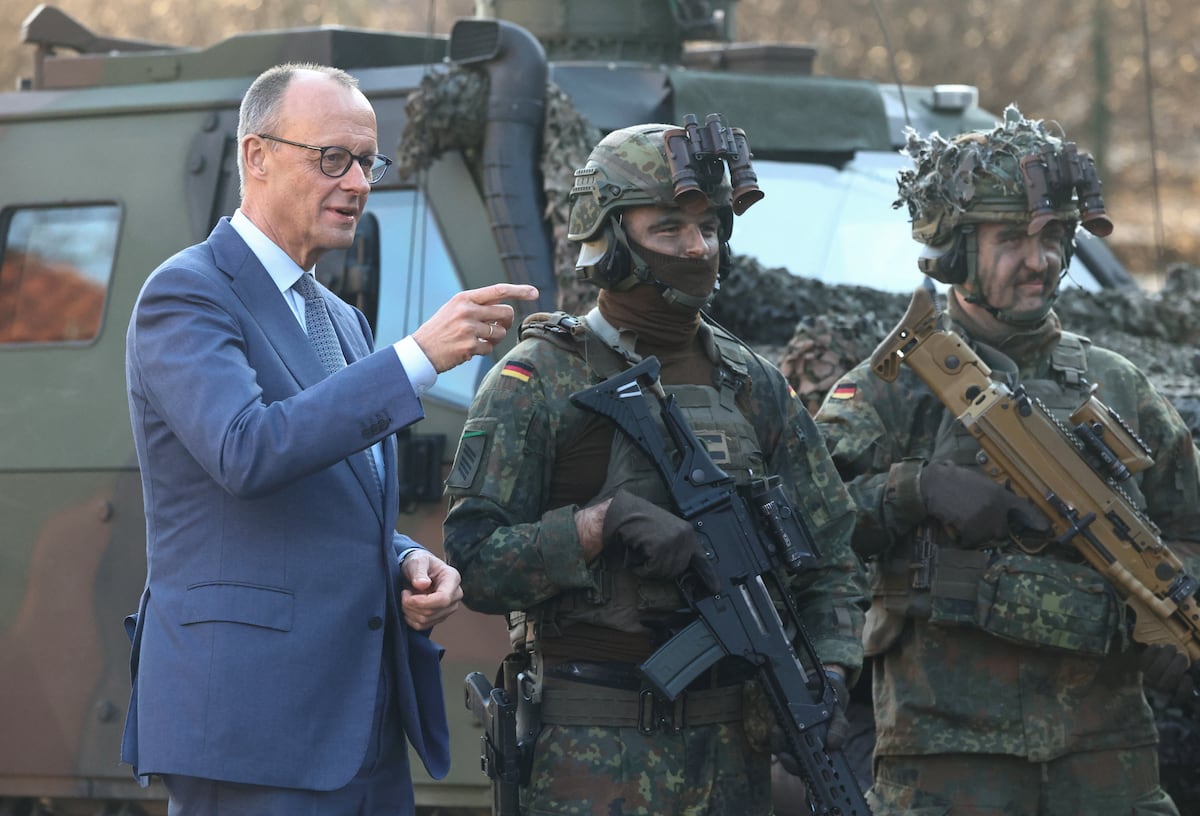
Germany's government approval rating drops to 15%, the lowest ever, amid rising discontent and political shifts.
World news
fromIrish Independent
2 days agoEU warns it's 'preparing for worst scenarios' and assessing 'all possibilities' including fuel rationing as energy crisis deepens
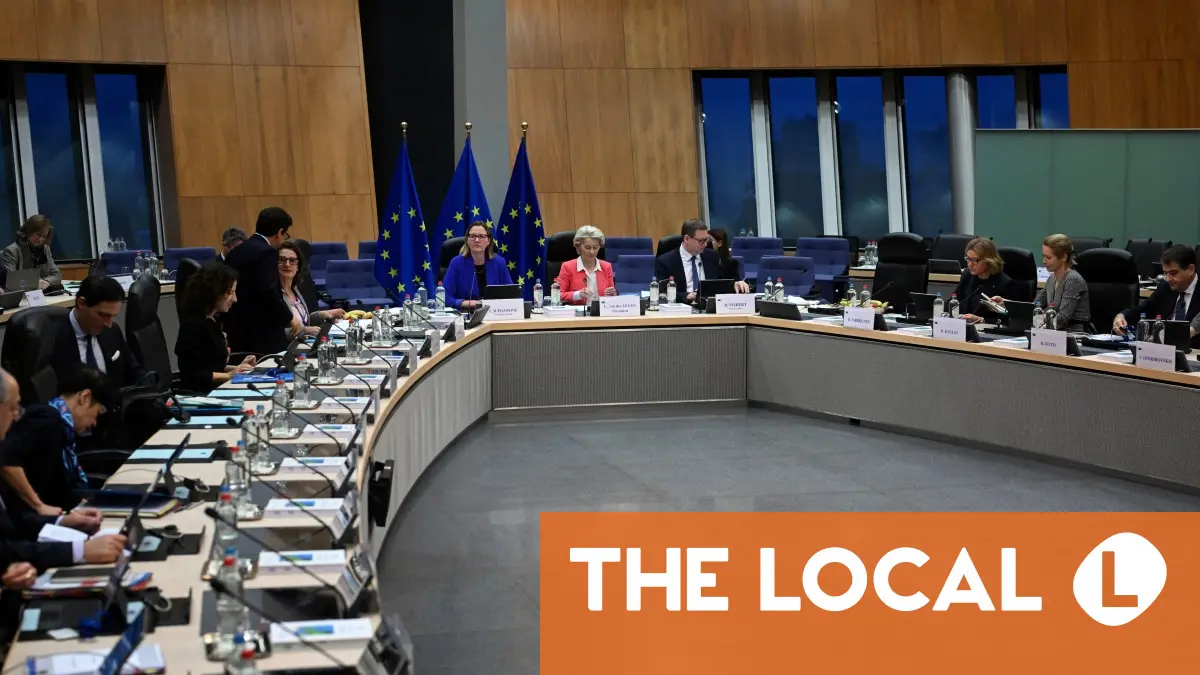
Tehran plans to charge for passage through the Strait of Hormuz, aiming to ensure safe navigation amid rising tensions with the US.
Russo-Ukrainian War
fromLondon Business News | Londonlovesbusiness.com
4 days agoLeaked Hungary-Russia talks expose fault lines in Europe's support for Ukraine - London Business News | Londonlovesbusiness.com
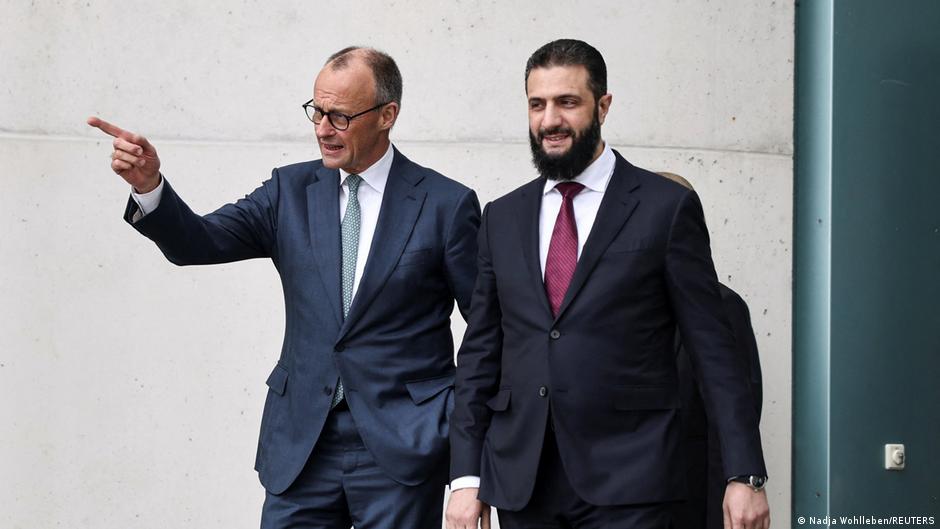
TCCC training in Ukraine emphasizes the critical importance of timely decisions in saving lives amidst conflict.

France news
fromLondon Business News | Londonlovesbusiness.com
4 days agoTwo migrants dead as Channel crossing ends in tragedy amid UK-France deal talks - London Business News | Londonlovesbusiness.com
Two migrants died and one is missing after attempting to cross the English Channel, prompting a rescue operation.
fromTruthout
3 days agoAustria Becomes Latest EU Country to Deny US Military Use of Its Airspace
Austria's Defense Ministry stated, 'There have indeed been requests and they were refused from the outset.' The refusal is based on the country's neutrality policy, which has been in effect since 1955.
Europe politics
fromwww.dw.com
1 month agoGermany news: New rules aim to give asylum-seeker job access
SPD Secretary General Tim Klussendorf told the newspapers of the Redaktionsnetzwerk Deutschland on Sunday that the ruling coalition should now move swiftly to make the ban a reality. "We finally need clear rules on digital platforms. Addiction-inducing algorithms, hate, and bullying are a massive problem for our entire society and can be particularly dangerous and harmful to children and young people," he said.
Miscellaneous
Europe politics
fromwww.theguardian.com
1 week agoThe Guardian view on a significant week for European politics: progressives have some reasons to be cheerful | Editorial
Denmark's snap election reflects shifting political dynamics amid domestic issues and international tensions, with the Social Democrats facing challenges despite remaining the largest party.
fromwww.wanderwithjo.com
4 months agoHow To Benefit From Schengen and Non-Schengen Borders and How They Actually Work
At first, it sounds almost too simple like someone claiming they've solved European immigration with nothing more than a calendar and a backpack. But this little pattern, when used intentionally and legally, becomes one of the most elegant travel strategies in the world. It lets you stay in Europe far longer than any tourist visa seems to allow, all without breaking rules, overstaying, or navigating complicated immigration systems.
Travel
Europe politics
fromThe Local France
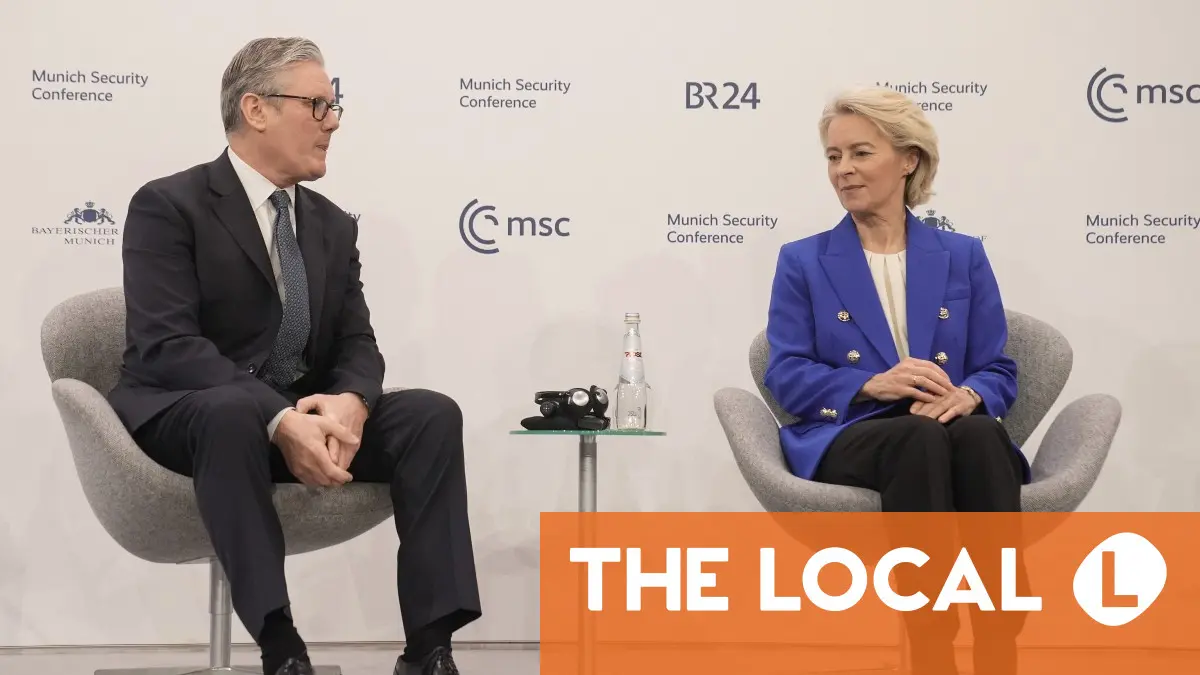
2 weeks agoWhat you should know about the EU's plan to tap your savings
The EU revives its decade-old capital market integration plan, now called the Savings and Investments Union, to compete with the US and China while addressing market fragmentation and investment barriers.
fromwww.thelocal.com
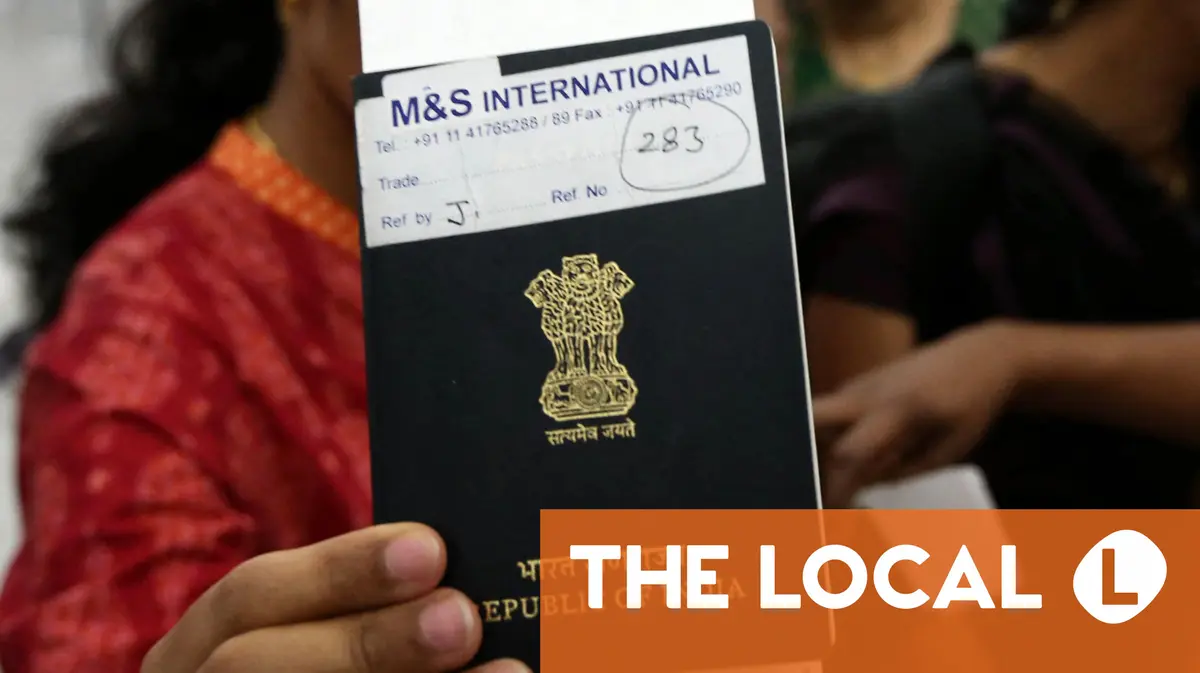
3 weeks agoWhich European countries have the toughest rules for citizenship in 2026?
Gaining citizenship through family or through marriage is possible, but if you don't have any useful relatives or an EU spouse you'll be looking at getting citizenship through residency. From residency requirements to rules on dual nationality, every country in Europe has its own way of tackling naturalisation.
Europe politics
fromwww.dw.com
2 months agoGermany news: Berlin, Rome sign cooperation agreement
Germany and Italy are deepening defense and economic cooperation with the leaders of the two countries signing an agreement in Rome. German Chancellor Friedrich Merz and Italian Prime Minister Giorgia Meloni agreed on closer cooperation in the production of drones, naval vessels, underwater systems and air and missile defense systems. The leaders are also looking to collaborate in the development of electronic warfare and aerial combat defense systems.
Miscellaneous
fromwww.dw.com
2 months agoHow does Germany deport people?
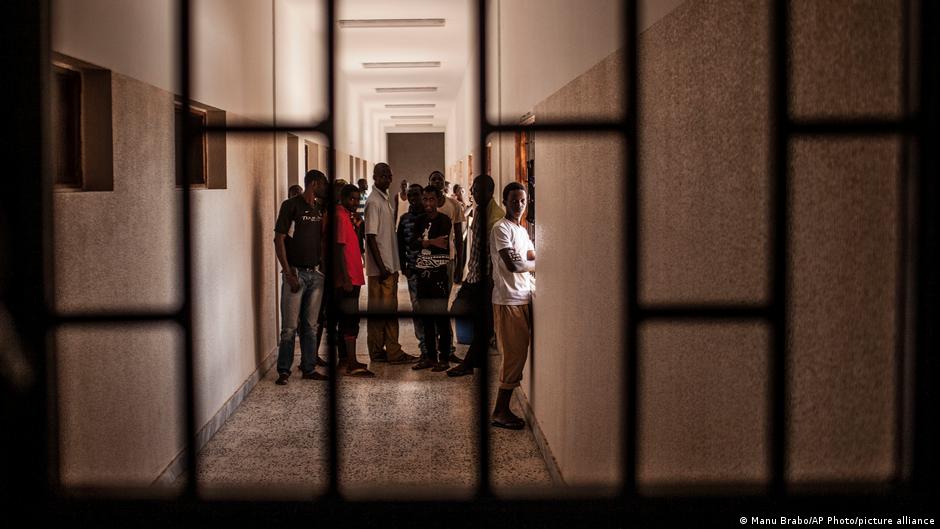
Germany has no equivalent of the US' specialized Immigration and Customs Enforcement (ICE) agency, though that would change if the Bavarian branch of the far-right Alternative for Germany (AfD) had its way. Apparently directly inspired by the actions of ICE under President Donald Trump's administration, an internal paper from the far-right party seen by the German newspaper taz this week proposed that a new authority be created within the Bavarian state police named the Asyl-, Fahndungs- und Abschiebegruppe (AFA), or the "Asylum, Tracing and Deportation group."
Germany news
Europe politics
fromwww.theguardian.com
2 months agoEurope is at a turning point. Timid EU elites should take lessons from The Leopard
Europe faces potential absolute decline as geopolitical rivals press influence, domestic elites pursue managed decline, and cultural reflection may offer lessons for political renewal.
Europe politics
fromwww.theguardian.com
2 months agoThe Guardian view on Europe's payments problem: sovereignty starts at the till | Editorial
Europe needs a sovereign, state-backed payment infrastructure like India's UPI to avoid dependence on US-controlled card networks and vulnerability to sanctions.
fromwww.dw.com
2 months agoEU asylum policy: What changes for refugees in Germany?
The Common European Asylum System (CEAS) is the European Union's legal framework to create uniform, fair, and efficient standards for processing asylum applications. The system's reform, agreed in 2024, will become legally binding in Germany and throughout the EU in June, 2026. EU member states had a two-year implementation period during which the new rules including stricter border procedures were transposed into national law.
Europe politics
fromwww.theguardian.com
2 months agoUkraine will be technically' ready to join EU in 2027, Zelenskyy says Europe live
Technically, we will be ready in 2027, Zelenskyy told reporters, Reuters reported, adding that by the end of 2026 Ukraine will have implemented the main steps required for membership. I think the European Commission may have a slightly more nuanced view on that, given its last year's progress report pointing to some level of preparation in many areas, with only limited progress on some of the key issues, such as fight against corruption, or insufficient capacity in some areas looked at by the EU.
Europe politics
[ Load more ]