#ev-recycling
#ev-recycling
[ follow ]
#electric-vehicles #tesla #sustainability #automotive-industry #market-trends #byd #gas-prices #model-s #model-x


#tesla


Toronto startup
fromTechCrunch
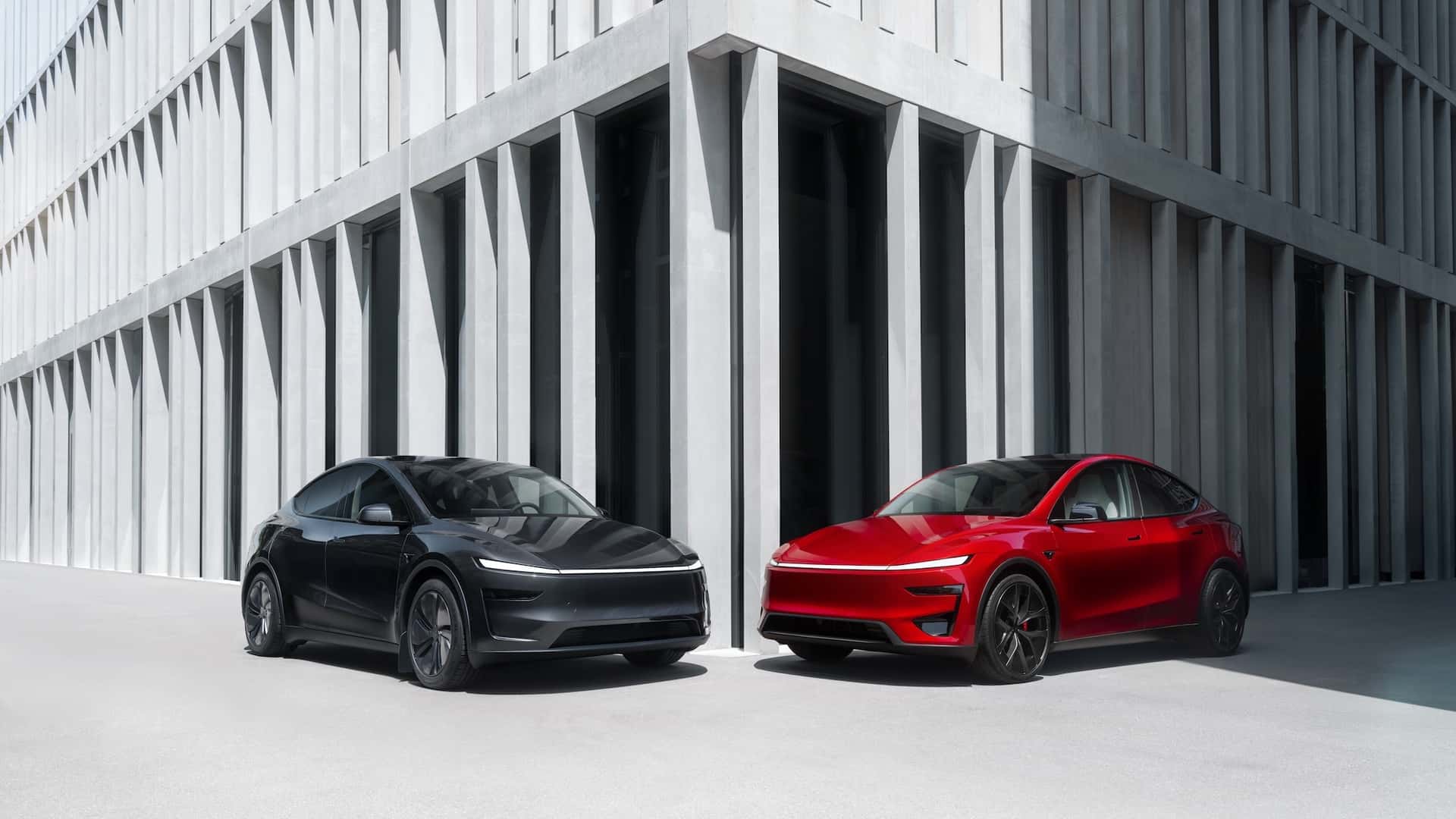
1 day agoThe final days of the Tesla Model X and S are here. All bets are on the Cybercab. | TechCrunch
Tesla ends production of Model S and Model X due to declining sales, focusing on new projects like the Optimus robot and Cybercab.
fromBig Think
4 days agoWhy fixing your gadgets often costs more than replacing them
The fix, he told me, was temporary - he didn't have the right part and couldn't get it. This experience revealed a broader shift in how modern products are designed, sold, and owned - one that increasingly treats repair as optional and replacement as inevitable.
Renovation

Europe politics
fromTheregister
1 month agoEurope's EV battery cost gap with China could shrink to 30%
Europe's EV battery cost gap with China could narrow from 90% to 30% by 2030 through proper government support, factory scaling, and manufacturing improvements, requiring a €500 sovereignty premium per vehicle.
Alternative transportation
fromSustainable Bus
5 days agoZero-emission buses move beyond cities: intercity transition in Sustainable Bus' session at BUS2BUS - Sustainable Bus
Electrification of intercity and coach segments in Europe is advancing, requiring new infrastructure and operational strategies for zero-emission mobility.
fromEarth911
1 month agoHow to Recycle or Dispose of Single-Use Alkaline Batteries
Never place batteries of any type in your curbside recycling bin. Batteries can damage recycling equipment and, if lithium batteries are mixed in, cause fires. Always use designated battery collection programs.
Environment
Alternative transportation
fromNature
2 weeks agoAffordable mobility for all: why we need smaller, cheaper electric vehicles
Low-speed electric vehicles offer affordable, practical decarbonization for underserved populations but remain overlooked due to bias toward expensive, high-tech solutions and nationalist trade policies.
fromTheregister
2 months agoCO and water help pull lithium from dead batteries
The team, from the Chinese Academy of Sciences and Beijing Institute of Technology, recently published their findings in Nature Communications. According to their research, the process not only avoids conventional leaching chemicals and extreme heat to extract lithium from old batteries, but it also uses carbon dioxide in what the authors call a sequestration step, and turns other battery transition metals into new catalysts - with CO₂-rich water doing most of the chemical work.
Science
Alternative transportation
fromSustainable Bus
1 month ago"The Battery Cycle" launched: a 2026 special feature exploring batteries between rigor and clarity - Sustainable Bus
The Battery Cycle is a structured educational initiative providing comprehensive battery management knowledge for electric vehicle fleet operators across bus, truck, and powertrain sectors throughout 2026.
fromEarth911
1 month agoThe Earth911 Lithium-Ion Battery Recycling Guide
Lithium-ion (Li-ion) batteries are found in many devices we use every day, like smartphones, laptops, tablets, wireless earbuds, power tools, e-bikes, and electric vehicles. By 2023, there were more than 40 million electric vehicles on the road worldwide, and billions of portable electronics used Li-ion cells. These batteries are valuable for recycling, but they can be dangerous if not disposed of correctly.
Environment
Cars
fromwww.npr.org
1 month agoHow long do electric vehicle batteries actually last?
Electric vehicle lithium-ion batteries are lasting significantly longer than the seven-year estimates from 2010, with real-world data from tens of thousands of vehicles showing better longevity than initially predicted.
fromSustainable Bus
2 months agoConnected Energy develops 5MWh second-life EV battery testing site for buses and trucks - Sustainable Bus
Connected Energy is developing what it describes as the UK's most advanced second-life EV battery testing facility as part of its first wholly owned and operated battery energy storage system (BESS) site. The project marks a step change in the company's strategy, moving from delivering systems for third parties to owning and operating grid-scale storage assets. The site will be located at Scottow Enterprise Park in Norfolk, close to Connected Energy's technical centre. Alongside its role as a commercial energy storage installation, the facility will be used to test the integration and performance of batteries from multiple electric bus and truck manufacturers.
Environment
[ Load more ]