#evening-fluid-intake
#evening-fluid-intake
[ follow ]
#sleep #sleep-quality #sleep-hygiene #circadian-rhythm #sleep-technology #sleep-health #mental-health
fromAlternative Medicine Magazine
1 day agoWhat You Do After Training Matters More Than You Think
After a tough workout, your body enters a state of stress: muscle fibers are damaged, energy stores are depleted, and hydration levels drop. This is a critical moment. If your body gets the right nutrients, it starts rebuilding immediately. If not, recovery slows down, and so does progress.
Alternative medicine
#sleep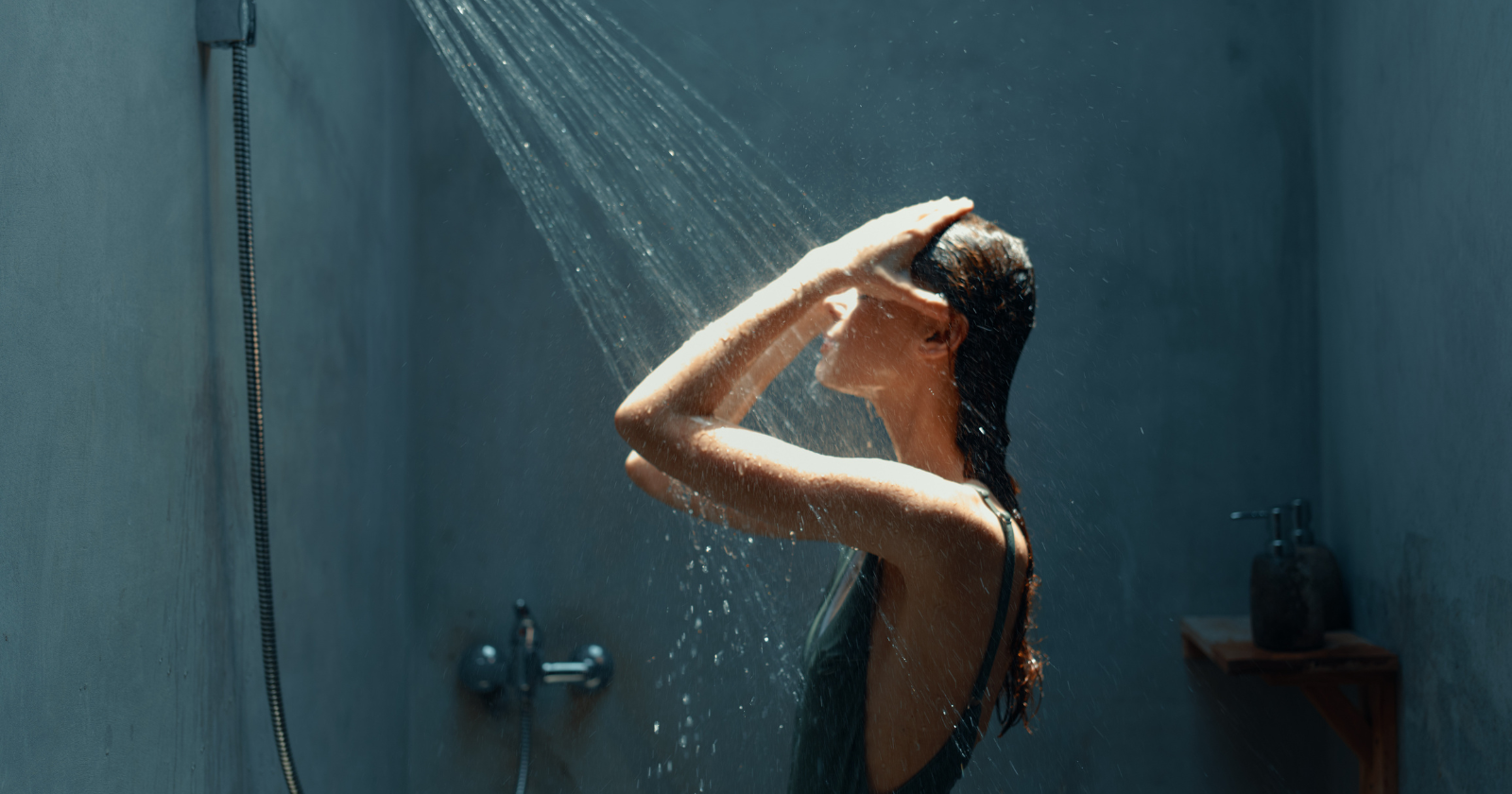
fromSilicon Canals
2 weeks agoMindfulness
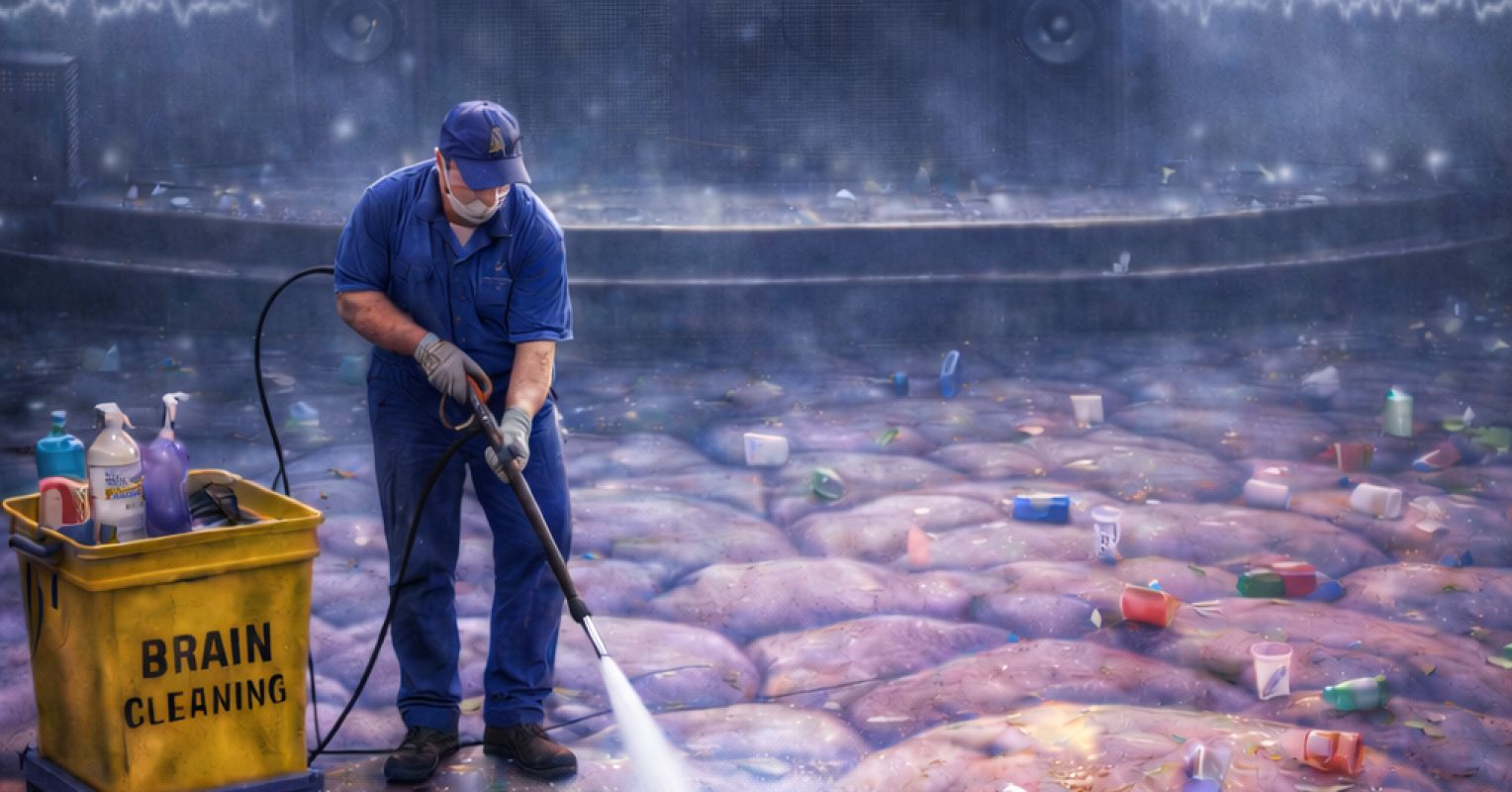
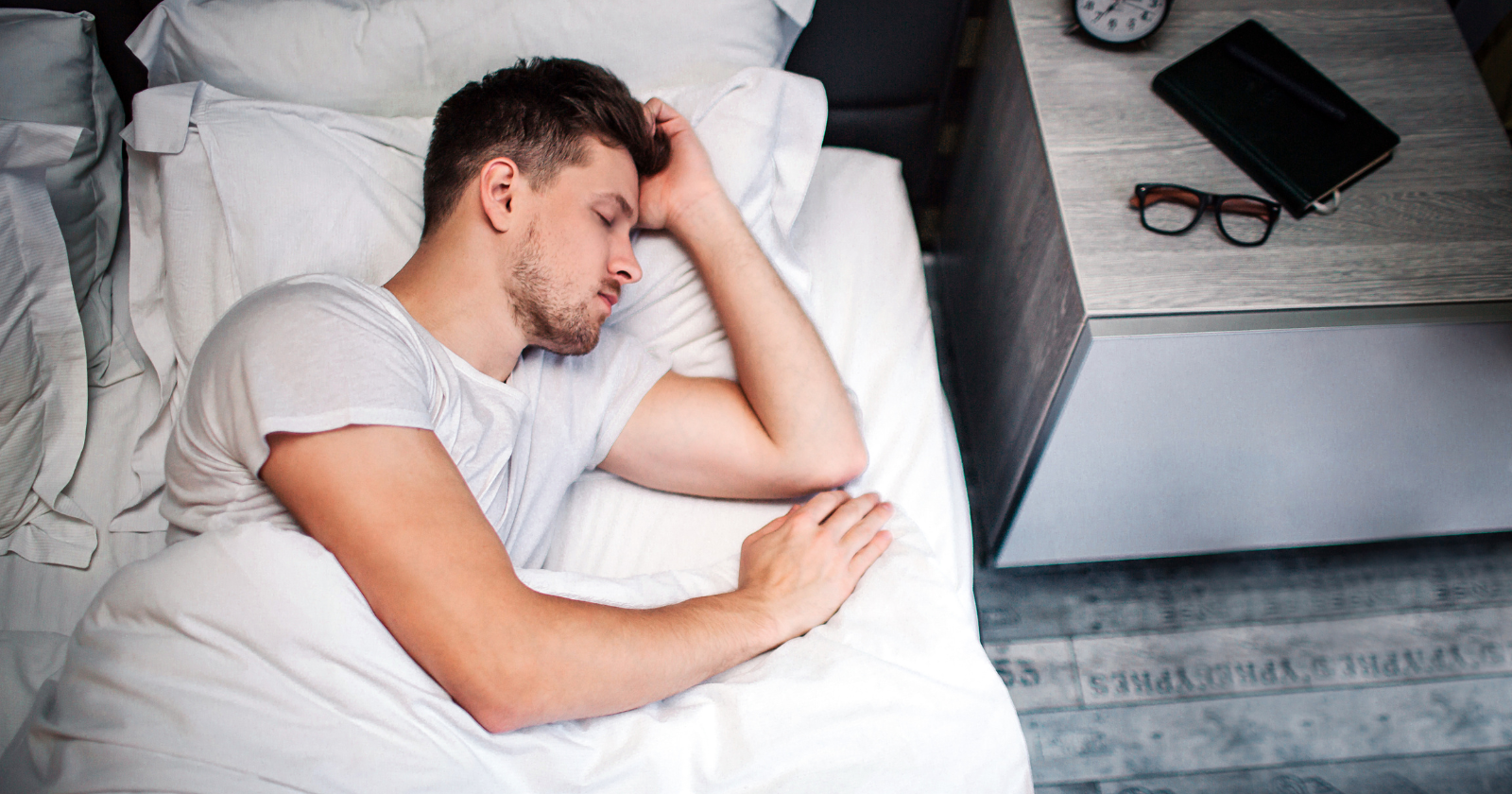
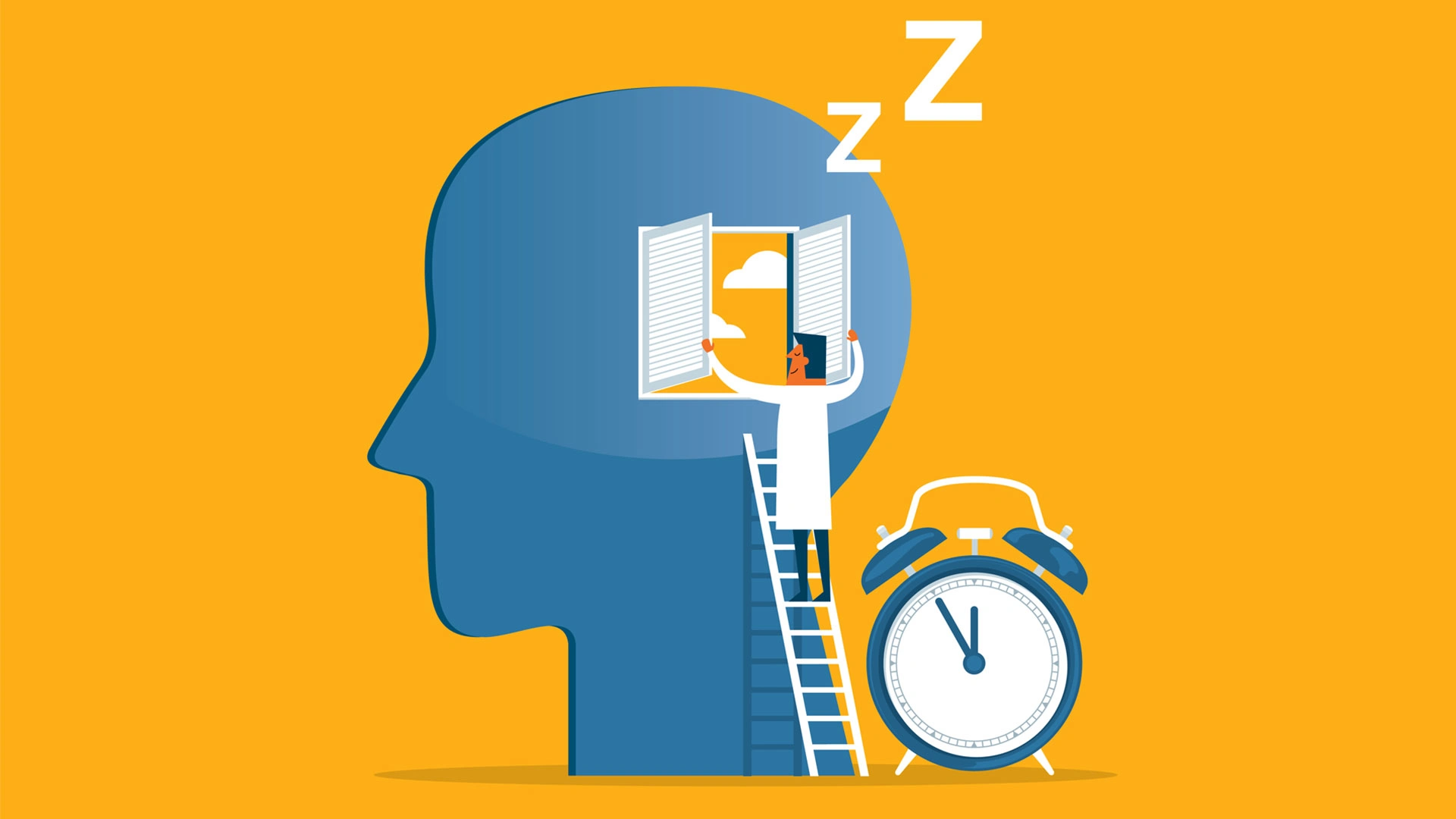
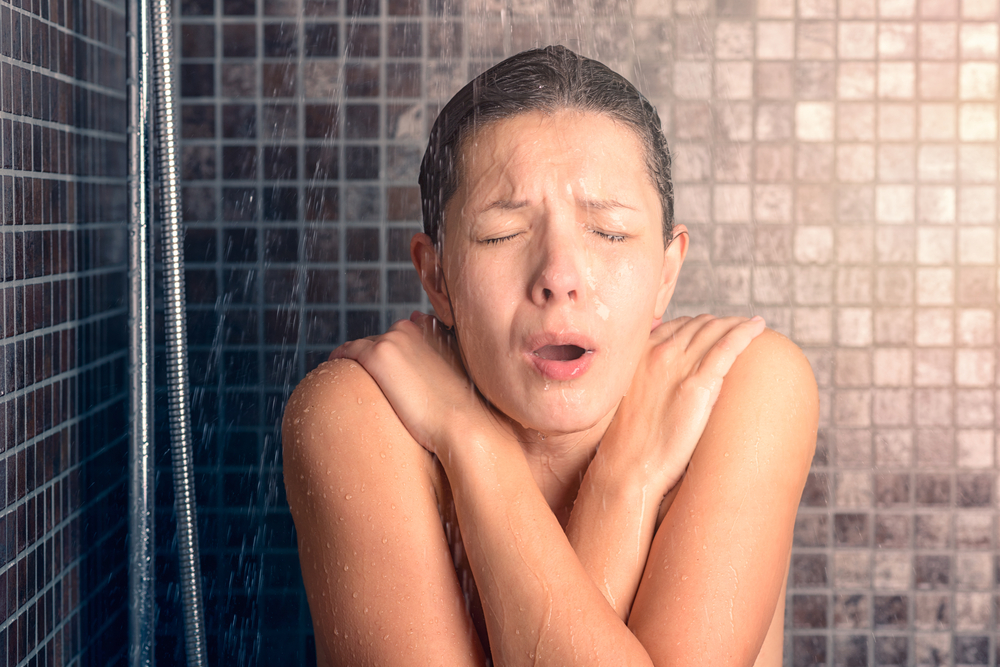
Research suggests people who shower at night instead of in the morning aren't just washing off the day - they're running a neurological closing ritual that signals the nervous system the threat window has ended, and the water isn't cleaning the body, it's decommissioning a surveillance state that's been active since they opened their eyes - Silicon Canals
Mindfulness
fromSilicon Canals
2 weeks agoResearch suggests people who shower at night instead of in the morning aren't just washing off the day - they're running a neurological closing ritual that signals the nervous system the threat window has ended, and the water isn't cleaning the body, it's decommissioning a surveillance state that's been active since they opened their eyes - Silicon Canals
Night showers help signal the body to relax and switch off, contrasting with the alertness of morning routines.

fromTasting Table
2 weeks agoIf Drinking Alcohol Makes You Sleepy, This Is Why - Tasting Table
Due to alcohol being a depressant substance, this means that it slows down your central nervous system by calming the neurotransmitters that keep you alert. Alcohol can behave the same way sedatives do, by fixating on the two neurotransmitters in your brain known as gamma-aminobutyric acid (GABA) and glutamate.
Wine




fromScary Mommy
1 month agoAre Morning Orgasms Better Than Nighttime Ones? Here's What Experts Say
Neurologically speaking, an orgasm is an orgasm no matter what time of day it occurs, but every person's experience is unique. Orgasms release 'pleasure hormones' that make you feel good and can aid in relaxation and closeness, and that this release can be both energizing and calming depending on the circumstances. The timing is only one part of the equation. The environment, stress level, and the people involved matter just as much.
Relationships
Mental health
fromScary Mommy
3 weeks agoHere's Why Your Brain Hits "GO" On Every Anxious Thought Right When You Want To Sleep
Nighttime anxiety spikes are normal and caused by factors like blood sugar dysregulation, reduced distractions, and the brain's protective mechanisms becoming hyperactive in darkness and quiet.



fromPsychology Today
1 month agoIt's Not Just What You Eat, but When You Eat That Matters
Rather than simply extending the fasting window or cutting more calories, the intervention group was simply asked to finish eating at least three hours before their usual bedtime. That meant no snacking while watching TV after dinner and no "just one more bite" at 10 p.m. (my personal downfall). This relatively simple intervention ensured that the overnight fast overlapped with the body's natural sleep-wake rhythm.
Medicine

fromBusiness Insider
1 month agoI used to be proud of only sleeping 3 hours because I worked so much. Now I realize health is freedom, not wealth.
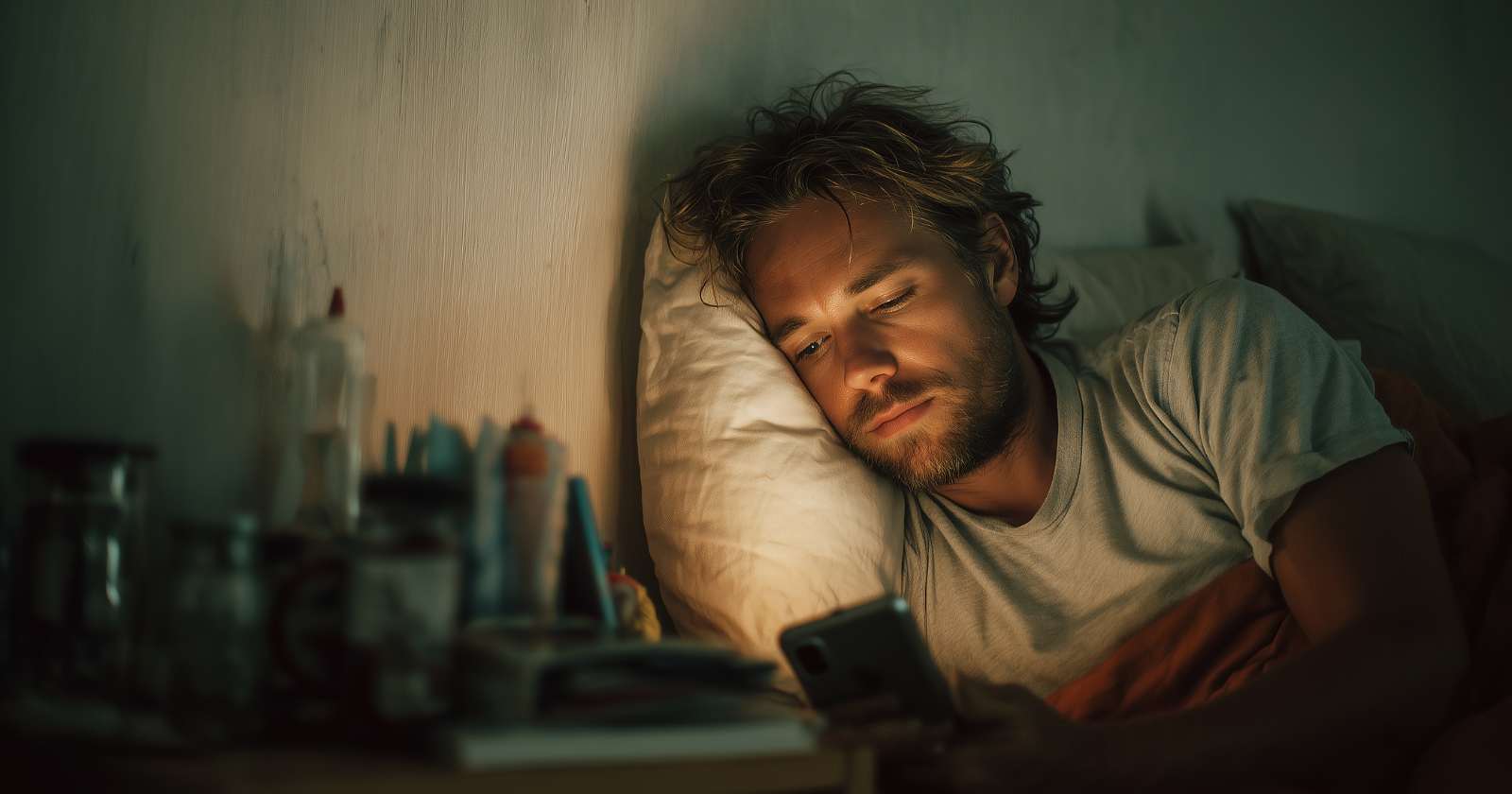
I used to brag about how little sleep I got. It felt like a superpower: I could sleep just three or four hours a night, and still operate at a very high level. That helped me get ahead early on. As a teen, I bused tables and sold firewood. By the time I was 19, I bought a house (which was possible because it was the subprime mortgage days). Having a mortgage gave me real responsibility at a young age.
Real estate
fromPsychology Today
1 month agoWhen Sleep Banking May Be A Viable Strategy
Sleep banking is essentially extending your normal sleep hours in the nights leading up to a known period of sleep deprivation. On the face of it, it appears unlikely banking sleep could counter the decreased alertness and other cognitive decrements that we experience when deprived of sleep, or stop that strong sensation we get when our body wants sleep.
Health
Gadgets
fromEngadget
2 months agoThis tabletop sleep device and sunrise alarm clock aims to help you put your phone away before bed
Dreamie is a standalone bedside device providing customizable phone-free sleep and wake routines with soundscapes, sensors, on-device controls, dynamic lighting and no subscription.
Public health
fromwww.theguardian.com
2 months agoSleep, stress and sunshine: endocrinologists on 11 ways to look after your metabolism
Hormone levels, particularly insulin, determine metabolic rate and energy use; high insulin promotes fat storage, slows metabolism, and fuels weight gain and metabolic disease.

Mental health
fromYourTango
2 months agoPeople Who Don't Answer Emails At Night Usually Do These 4 Things To Have A Life Beyond The Inbox
Establish and enforce personal boundaries—such as prioritizing self-care and limiting phone/email access—to prevent work from overflowing into personal life and causing burnout.
fromTasting Table
1 month agoThis Is What Happens To Your Body When You Drink Hot Water Before Bed - Tasting Table
Have you ever struggled to find the perfect drink just before bed? Something like coffee or another caffeinated drink is usually out of the question. Likewise, you don't want a sugary drink if you just brushed your teeth. Cold water, and even room-temperature water, might be the standard, but you should consider the benefits of hot water if you've never tried it before. It can benefit you in more ways than you'd think.
Wellness
fromwww.theguardian.com
1 month agoDark showering: is this the very best way to wash?
Why would you do that? It's a way to remove distraction, calm your nervous system and practise mindfulness. And get clean. Yes, you also get clean. But this is more about finding those small, intentional moments that release you from the cares of your day. It sounds like an accident waiting to happen. You don't have to shower in complete darkness just in dim light, even by candlelight.
Mindfulness
fromTasting Table
1 month ago9 Bedtime Snacks Nutritionists Actually Recommend - Tasting Table
Late-night snacking has had a bad rap for a long time. When pop culture takes a stab at this (very) human thing, it often portrays the scene as pernicious or, at best, distasteful. Combine that with regular condemnation by diet culture and accusatory media headlines that frame after-dinner eating as a moral failing, and it's easy to see why most of us want to steer clear.
Wellness
fromBusiness Insider
1 month agoMany people sleep worse in winter. Here's what experts want you to know.
It's normal to feel sluggish during the winter. Cold temperatures and fewer hours of sunlight can mean less time outdoors and more time staring at our screens. For some people, these cold-weather habits may contribute to a sleep disruption, known as winter insomnia. This isn't a clinical condition, but it might begin or worsen during the winter months.
Mental health
Wellness
fromwww.theguardian.com
2 months agoThe most rejuvenating sleep of my life': 12 products our writers rely on for rest each night
Well-designed sleep products—comfortable earplugs, pillows, masks, white-noise machines, and wearable blankets—can significantly improve sleep quality, especially for travelers and light sleepers.

fromYoga Journal
2 months agoI Went 7 Days Without Electric Light. Here's What I Learned in the Dark.
Bright lights keep us buzzing late into the night because of our circadian rhythm, which is the body's internal clock. It's instrumental in the normal functioning of body and mind. It's also intrinsically tied to light. Before the widespread availability of electricity, human activity was tightly synced with these natural light cycles, as it was for every other living being on the planet.
Wellness
[ Load more ]