#exchange-rate-effects
#exchange-rate-effects
[ follow ]
#us-dollar #inflation #treasury-yields #federal-reserve #federal-reserve-policy #geopolitical-tensions
#gbpusd
UK news
fromLondon Business News | Londonlovesbusiness.com
4 days agoCautious recovery for the British pound after consecutive losses near $1.31 - London Business News | Londonlovesbusiness.com
Geopolitical risks now dominate GBP/USD movements, overshadowing traditional economic factors and creating volatility in the currency pair.


fromLondon Business News | Londonlovesbusiness.com
4 days agoUS dollar stable near recent highs - London Business News | Londonlovesbusiness.com
Escalating geopolitical risk continued to dominate global markets' concerns, with safe-haven demand keeping the dollar index anchored near a multi-week high.
World politics
fromwww.mediaite.com
5 days agoBad News All Around!' Fox Business Host Stunned By Highly Inflationary' Prices in Total Bummer of an Economic Analysis
High energy prices are kryptonite for the housing market. Affordability, especially for those first-time home buyers, is now an elusive dream until oil prices come down and interest rates come down.
SF real estate
#us-dollar


US Elections
fromLondon Business News | Londonlovesbusiness.com
2 days agoUS dollar rose amid a rebound in geopolitical concerns - London Business News | Londonlovesbusiness.com
The US dollar strengthened due to geopolitical fears and better-than-expected economic data, while uncertainty keeps market volatility high.
Artificial intelligence
fromFortune
3 days ago'Inflationary surge': Fed economists warn AI hype is overheating the economy whether or not the technology ever delivers | Fortune
AI optimism may hinder productivity and contribute to short-term inflation as households and businesses react to perceived future gains.
World politics
fromLondon Business News | Londonlovesbusiness.com
5 days agoUS dollar stable after successive gains - London Business News | Londonlovesbusiness.com
Escalating Middle East tensions are influencing market sentiment, keeping the dollar stable and impacting US Treasury yields amid inflation concerns.
fromLondon Business News | Londonlovesbusiness.com
4 days agoGold extends limited rebound, risks remain - London Business News | Londonlovesbusiness.com
Gold rose for a third consecutive session on Tuesday, while Treasury yields continued to decline. Comments from the Federal Reserve's Chair helped ease market expectations regarding a potentially tighter monetary policy.
Europe news
fromLondon Business News | Londonlovesbusiness.com
5 days agoGlobal markets react to geopolitical tensions and rising energy costs - London Business News | Londonlovesbusiness.com
U.S. financial markets experienced a volatile week, largely influenced by geopolitical developments in the Middle East and fluctuations in energy prices. Investor sentiment was driven primarily by external events rather than domestic fundamentals.
Business
#eurusd
Europe news
fromLondon Business News | Londonlovesbusiness.com
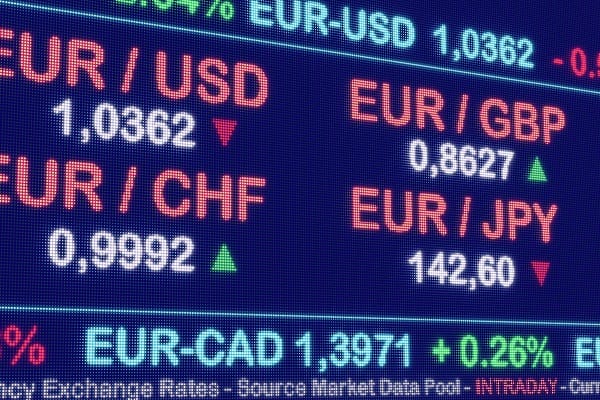
1 week agoEuro rally falters as dollar regains strength on 'higher for longer' rates - London Business News | Londonlovesbusiness.com
EURUSD recovery shows fading momentum, reflecting a corrective rally rather than a trend reversal amid complex macroeconomic conditions.
Europe news
fromLondon Business News | Londonlovesbusiness.com
1 week agoEuro rally falters as dollar regains strength on 'higher for longer' rates - London Business News | Londonlovesbusiness.com
EURUSD recovery shows fading momentum, reflecting a corrective rally rather than a trend reversal amid complex macroeconomic conditions.
Business
fromLondon Business News | Londonlovesbusiness.com
5 days agoUSDJPY break above 160 triggers higher volatility as intervention risks re-emerge - London Business News | Londonlovesbusiness.com
USDJPY shows volatility around the 160 level, influenced by interest rate differentials and potential intervention risks from Japan.
from24/7 Wall St.
4 days agoXRP Price Prediction: What Happens to XRP If Oil Stays Above $100 and the Fed Doesn't Cut?
XRP has had the strongest fundamental setup of any altcoin in 2026—a commodity classification from both the SEC and CFTC, seven ETFs with $1.44 billion in inflows, and major partnerships with Mastercard and Deutsche Bank.
Cryptocurrency
fromLondon Business News | Londonlovesbusiness.com
1 week agoPound slides as markets brace for interest rate hikes amid Iran war - London Business News | Londonlovesbusiness.com
Sterling fell by 0.5% against the dollar, dropping below $1.33, as the US currency strengthened due to a flight to safety. The dollar index increased by 0.3%.
World news
Europe news
fromLondon Business News | Londonlovesbusiness.com
2 weeks agoPound sterling edges lower as markets eye central bank meetings - London Business News | Londonlovesbusiness.com
Sterling weakened against the dollar while remaining stable against the euro, with central banks expected to maintain interest rates amid concerns over oil price shocks and persistent inflation.
#dollar-strength
Business
fromLondon Business News | Londonlovesbusiness.com
1 month agoDollar hits six-week high amid inflation and geopolitical risks - London Business News | Londonlovesbusiness.com
The dollar reached six-week highs as safe-haven demand increased amid Middle East tensions, supported by stronger manufacturing data and sticky inflation concerns limiting near-term Fed rate cuts.
Business
fromLondon Business News | Londonlovesbusiness.com
1 month agoDollar hits six-week high amid inflation and geopolitical risks - London Business News | Londonlovesbusiness.com
The dollar reached six-week highs as safe-haven demand increased amid Middle East tensions, supported by stronger manufacturing data and sticky inflation concerns limiting near-term Fed rate cuts.
UK news
fromLondon Business News | Londonlovesbusiness.com
2 weeks agoPound remains steady ahead of Bank of England decision - London Business News | Londonlovesbusiness.com
The British pound remained stable against major currencies as traders awaited the Bank of England's interest rate decision, with central banks expected to maintain current rates.
#us-dollar-index
Business
fromLondon Business News | Londonlovesbusiness.com
2 weeks agoWhere is the US Dollar Index heading amid rising bond yields? - London Business News | Londonlovesbusiness.com
The US Dollar Index strengthens due to Federal Reserve's hawkish stance, elevated Treasury yields, and geopolitical tensions, with limited rate cuts expected through 2027.
Business
fromLondon Business News | Londonlovesbusiness.com
1 month agoUS dollar index (DXY) below 100 points - London Business News | Londonlovesbusiness.com
The US Dollar Index retreated below 100 to 98.90, indicating fading momentum from safe-haven flows as markets reprice geopolitical risks more calmly.
fromLondon Business News | Londonlovesbusiness.com
2 weeks agoThe significant events in the global economy over the past week - London Business News | Londonlovesbusiness.com
Weak performance in several service sectors offset gains in retail and wholesale trade, reinforcing concerns about the pace of economic recovery. Japan relies heavily on oil imports from the Middle East, making it particularly sensitive to disruptions in the region.
UK news
fromLondon Business News | Londonlovesbusiness.com
3 weeks agoDollar under pressure as geopolitical concerns ease - London Business News | Londonlovesbusiness.com
The expectations of a decrease in tensions triggered a pullback in oil prices, which in turn softened immediate concerns about inflation pressures. However, the broader geopolitical backdrop remains fragile, and any renewed escalation could quickly push oil prices, the dollar, and Treasury yields higher again.
World politics
fromLondon Business News | Londonlovesbusiness.com
2 weeks agoUS dollar sees volatility risks on geopolitical developments and ahead of Fed - London Business News | Londonlovesbusiness.com
The dollar stabilised to a certain extent today after retreating in the prior session, but could remain relatively volatile as markets react to geopolitical developments in the Middle East. Treasury yields were firmer following a pullback on Monday as well.
World news
US news
fromLondon Business News | Londonlovesbusiness.com
1 month agoDollar Relatively Stable Amid Economic Uncertainty - London Business News | Londonlovesbusiness.com
The dollar remains stable within a consolidation range, with its direction dependent on monetary policy expectations, labor market data, and inflation trends.
World politics
fromLondon Business News | Londonlovesbusiness.com
4 weeks agoDollar set for weekly gain as geopolitics and resilient data lift yields - London Business News | Londonlovesbusiness.com
The dollar gains over 1% this week due to strong US economic data and Middle East tensions, with markets now pricing in only one Fed rate cut for the year instead of two.
US news
fromLondon Business News | Londonlovesbusiness.com
1 month agoThe Significant Events in the Global Economy Explained - London Business News | Londonlovesbusiness.com
Supreme Court tariff reversal lifted investor sentiment and stocks, while Fed division on rates, rising inflation, and slowing GDP kept markets cautious.
fromThe Drum
2 months agoWhat happens when our common currency becomes uncommon?
This is not new news, of course, but many in the industry seem to be finally waking up to the hard truth that data-driven media buying, as we know it today, is severely under threat and has to change. Cookies power everything we do, from humble frequency capping through to complex multi-touch attribution models, ad personalisation and audience segmentation. They underpin most of the gains we've made in performance advertising, as well as brand advertising, over the past decade.
Business
fromLondon Business News | Londonlovesbusiness.com
1 month agoThe significant events in the global economy over the past week - London Business News | Londonlovesbusiness.com
U.S. equity markets declined amid AI disruption concerns and trade uncertainty, while European markets gained strength with solid earnings and diversification appeal.
fromwww.sandiegouniontribune.com
1 month agoIs a weaker U.S. dollar a good thing?
The U.S. dollar's value has fallen 8% over the past year, as the price of gold has skyrocketed, said the WSJ Dollar Index. Some think it is a good thing. President Donald Trump said recently a weaker dollar is great. The idea is a weaker currency boosts exports and employment while a strong currency can throttle an economy. While the idea of a weaker dollar has had supporters over the decades, economists often argue gains can be eaten up by domestic inflation and deflation.
US news
fromLondon Business News | Londonlovesbusiness.com
2 months agoEuropean markets lower as traders weigh up Fed and Mag7 earnings risk - London Business News | Londonlovesbusiness.com
European markets have kicked off on a negative fitting in a day that looks jampacked full of potential obstacles that will leave many be believing they are best served sitting it out for now. In a week that has seen a new front runner for the fed chair position, today's FOMC interest rate decision provides the basis for market rate expectations in the months ahead.
Miscellaneous
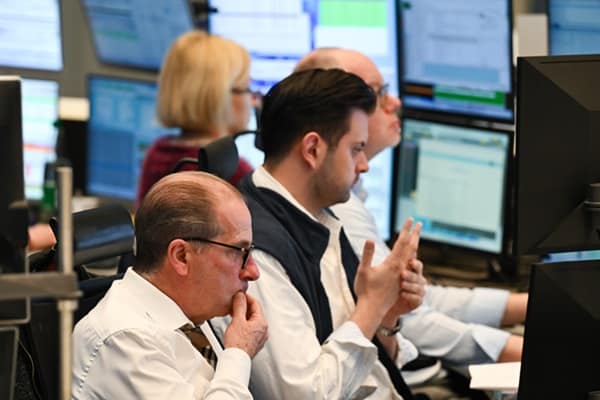

fromwww.aljazeera.com
1 month agoWhy are gold prices soaring and the dollar in decline?
Gold has been on a tear as the dollar is under pressure, raising questions about global confidence and market risk. The US economy and markets are unmatched in size. The dollar is the king of currencies, and US treasuries are often considered a safe-haven asset. But, investors appear to be reassessing that. This has weighed down on the greenback and cooled the stock markets.
World news
fromLondon Business News | Londonlovesbusiness.com
2 months agoDollar struggle and monetary policy shape the next phase - London Business News | Londonlovesbusiness.com
The resilience of gold above $4,800 per ounce at this stage reflects a delicate and complex balance between traditional supporting factors and emerging pressures-one that cannot be superficially interpreted or reduced to the movement of the dollar alone. It is true that the U.S. dollar's retreat from its recent peaks, after failing to sustain its recovery momentum from a four-year low, provided gold with a short-term breather and attracted some buyers.
Business
Business
fromLondon Business News | Londonlovesbusiness.com
2 months agoThe world's leading and trailing currencies revealed, the US dollar isn't number one - London Business News | Londonlovesbusiness.com
Several small-nation currencies rank highest against the British pound, while some severely devalued currencies require tens of thousands to over a million units per £1.
[ Load more ]