#expatriate-identity
#expatriate-identity
[ follow ]
#identity
fromSilicon Canals
2 days agoMental health
There's a specific kind of grief that belongs to people who outgrew their hometown but never fully arrived anywhere else. They're not homesick for the place. They're homesick for the version of themselves that didn't yet know the place was too small. - Silicon Canals
Mental health
fromSilicon Canals
2 days agoThere's a specific kind of grief that belongs to people who outgrew their hometown but never fully arrived anywhere else. They're not homesick for the place. They're homesick for the version of themselves that didn't yet know the place was too small. - Silicon Canals
Returning to one's hometown reveals a paradox of searching for a lost self rather than a changed place.
Relationships
fromSilicon Canals
3 days agoThe most painful version of not belonging isn't being rejected by strangers. It's sitting at your own family's dinner table, surrounded by people who share your last name, and feeling like you're watching the evening through glass. - Silicon Canals
Belonging can exist alongside profound loneliness, where one feels unseen even in the presence of family and friends.

#american-expats
Europe politics
fromInsideHook
2 weeks agoExpat-Curious? Inside the European Communities Vying for Fleeing Americans.
American retirees are increasingly purchasing homes in Europe, particularly Italy, to fulfill lifelong dreams and escape tight U.S. real estate markets, with specialized services facilitating international transactions despite geopolitical tensions.
Europe politics
fromInsideHook
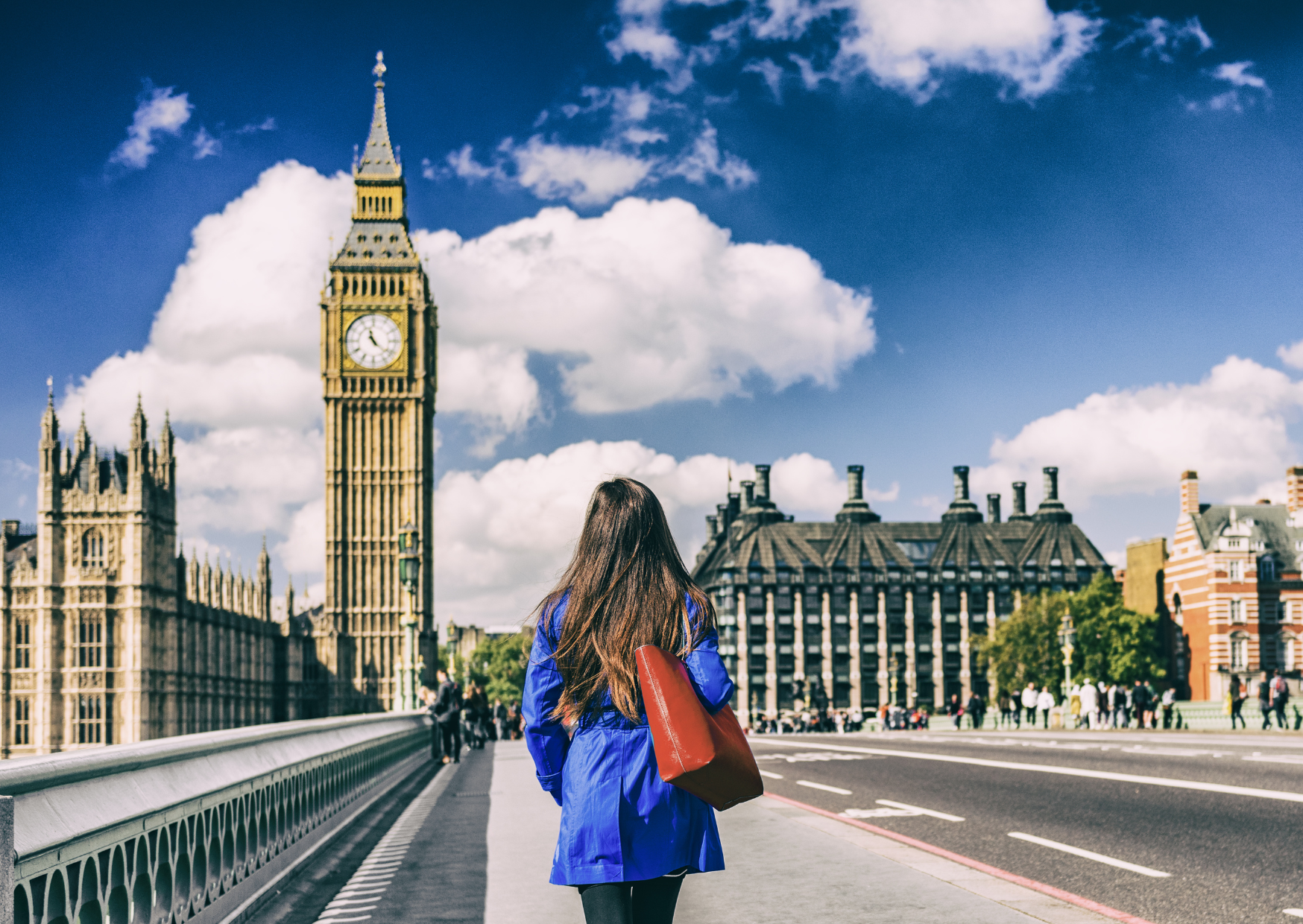
2 weeks agoExpat-Curious? Inside the European Communities Vying for Fleeing Americans.
American retirees are increasingly purchasing homes in Europe, particularly Italy, to fulfill lifelong dreams and escape tight U.S. real estate markets, with specialized services facilitating international transactions despite geopolitical tensions.
#emigration
London politics
fromLondon Business News | Londonlovesbusiness.com
1 week agoLondoners are most likely to emigrate as the UK exodus trends emerge - London Business News | Londonlovesbusiness.com
Londoners show the highest intention to emigrate in England, driven by cost of living and economic concerns.
London politics
fromLondon Business News | Londonlovesbusiness.com
1 week agoLondoners are most likely to emigrate as the UK exodus trends emerge - London Business News | Londonlovesbusiness.com
Londoners show the highest intention to emigrate in England, driven by cost of living and economic concerns.
Mental health
fromSilicon Canals
3 days agoThere's a specific kind of tiredness that has nothing to do with sleep. It comes from years of translating yourself into a version that other people could handle, and the exhaustion lives in the gap between who you are and who you've been performing so consistently that even you forgot there was a difference. - Silicon Canals
Workplace burnout often stems from the exhaustion of pretending to be someone you're not, rather than from overwork itself.



Psychology
fromSilicon Canals
2 weeks agoThere's a version of loneliness that belongs to people who moved far from where they grew up and built a beautiful life somewhere new, only to realize that nobody in their current world knew who they were before. And sometimes being fully known matters more than being fully comfortable. - Silicon Canals
Loneliness can stem from not being known, even in social environments full of warmth and connection.
London politics
fromIndependent
1 week agoAn Irish Goodbye... from London: 'I feel completely settled here but I wish I could transport the Irish warmth of personality into the city'
Shayne Brady, an interior designer from Naas, moved to London in 2007 seeking new opportunities despite having no job or money.
:max_bytes(150000):strip_icc()/TAL-flags-at-us-citizenship-ceremony-DUALCITIZENSHIPBILL0126-eb0ed27a223449278af95cc8ee423a80.jpg)
UK news
fromLondon Business News | Londonlovesbusiness.com
3 weeks agoUK passport rule prompts expats to consider renouncing British citizenship - London Business News | Londonlovesbusiness.com
A new UK rule requiring dual citizens to use British passports for entry is prompting some internationally-mobile Brits and expats to consider renouncing their citizenship.
fromwww.thelocal.com
3 weeks agoAmericans in Europe: US finally slashes citizenship renunciation fee
After significant deliberation, taking into account both the affected public's concerns regarding the cost of the fee and the not insignificant anecdotal evidence regarding tax-related difficulties many US nationals residing abroad encounter, including in part because of FATCA, the Department made a policy decision... to propose alleviating the cost burden for those individuals who decide to request CLN services by returning to the below-cost fee of $450.
US news
Retirement
fromTravel + Leisure
3 weeks ago7 Hidden Costs of Retiring Abroad That No One Warns You About, According to Experts
One-third of Americans would relocate abroad if possible, with over 700,000 already receiving Social Security benefits outside the U.S., but retirees face significant hidden costs including legal fees and currency fluctuations.
US Elections
fromBuzzFeed
3 weeks agoFormer US Residents, Tell Us Why You Left And Your Unfiltered Thoughts About America Right Now
Record numbers of Americans are leaving the country, citing exhaustion from financial stress, lack of work-life balance, inadequate healthcare, and political polarization compared to better social systems abroad.
Travel
fromForbes
3 weeks agoWhere Americans Are Moving Abroad Right Now
Remote work and rising living costs drive millions of Americans to relocate abroad earlier in their careers, with over 180,000 relocating last year to countries offering affordability, cultural familiarity, and English-speaking communities.
fromSilicon Canals
3 weeks agoPeople who moved countries for love and people who moved countries for work carry completely different versions of displacement. One chose a person and lost a place. The other chose a place and discovered that without their people in it, a better country can still feel like a beautiful room with no furniture - Silicon Canals
She said she stood in her new kitchen, which had radiant floor heating and a view of the fjord, and cried because the bread smelled wrong. She'd moved from São Paulo for a man she'd met at a data science conference. The apartment was beautiful. The healthcare was extraordinary. The man was kind. And the bread smelled wrong, and that wrongness cracked open something in her she hadn't known was load-bearing.
Remote teams
Canada news
fromTravel + Leisure
3 weeks agoCanada Just Made It Easier for Americans to Get Citizenship-What to Know
Canada's Bill C-3 expands citizenship by descent to unlimited generations, making it easier for people with Canadian ancestry to obtain citizenship regardless of how far back their family history extends.
Education
fromPsychology Today
1 month agoFluent at Home, Silent at Work: Growing Up Bilingual
Heritage speakers lack formal language instruction in their native language, creating gaps in professional and academic domains that they internalize as personal failure rather than systemic educational gaps.
Madrid food
fromSilicon Canals
1 month agoI spent six months in southern Spain after I retired and came back to America unable to explain to anyone why I felt like a foreigner in the country where I was born - Silicon Canals
Six months in southern Spain revealed that slowing down and prioritizing relationships over productivity creates genuine fulfillment that American pace-driven culture lacks.
Parenting
fromBusiness Insider
1 month agoI moved my kids across Asia for years. After my divorce, I returned 'home' as a single mom.
Roberta Maretti raised two children across multiple Asian cities while navigating cultural barriers, relocating frequently, and eventually returning to Europe after her divorce.


US politics
fromwww.theguardian.com
1 month agoTell us: are you an American living abroad who has tried to renounce your citizenship?
American expats who tried renouncing US citizenship are invited to securely share detailed experiences, including motives, obstacles, future-return concerns, and anecdotes; contributions can be anonymous.
Travel
fromBusiness Insider
1 month agoAfter 13 years abroad, I thought returning to the US would mean I 'failed.' It turned out to be the best choice for me.
A planned six-month gap year evolved into 13 years of international travel across five countries, ultimately ending when difficulty forming lasting friendships prompted a return to the United States.
Europe politics
fromGamintraveler
1 month agoWhy These 7 Countries Quietly Want More Americans To Move There: The Places Making It Easier For Americans To Move
Multiple countries actively recruit American migrants through visa programs to address economic decline, demographic challenges, and geopolitical influence.
fromwww.aljazeera.com
2 months agoCitizens of Nowhere: What It Means to Be Stateless in the US
Citizens of Nowhere is a documentary short about stateless people in the United States individuals who, through circumstance or legal technicality, belong to no nation. Without passports, citizenship or legal recognition, they live in a state of uncertainty. From finding work and accessing education, to simply existing within a system that does not officially recognise them, stateless people face endless bureaucratic barriers.
Film
fromMexico News Daily
2 months ago8 foreigners on why they left everything for Mexico City - and whether they'll stay
A 2024 New York Times report notes that Mexico is home to over 1.6 million U.S. citizens - the largest American community abroad. But it's more than Americans: Argentinian, Spaniard, Chinese and Russian populations have all grown significantly, with Mexican authorities reporting a 64% year-on-year increase in Russian migrants in 2024 . The stereotypical CDMX immigrant - a digital nomad typing furiously from a café while nursing the same almond-milk cappuccino for hours (yes, I'm describing myself) - isn't the full story.
World news
US politics
fromArchitectural Digest
2 months agoWhen Politics Drives You From Home: 5 Americans Who Uprooted Their Lives Because of the State of the Nation
Politics has become a major driver of relocation, with many Americans choosing new communities that align with their political beliefs despite logistical and emotional costs.
fromGreekReporter.com
2 months agoHow Technology Is Pushing Humanity Back to Nomadism and Redefining the Nation-State - GreekReporter.com
Archaeological evidence shows that early humans, particularly hunter-gatherers, lived in small, mobile groups. These groups roamed vast landscapes in search of food and resources. Mobility was essential for survival, allowing early humans to adapt to changing environments. According to research from Our World in Data, a respected platform led by economist Max Roser, most of human history was spent in this nomadic state. This lifestyle fostered flexible social structures. Leadership was temporary, and decisions were made collectively.
World politics
Venture
fromBusiness Insider
2 months agoA Harvard MBA grad knew the immigrant dream wasn't for her. She moved back to China to build something of her own.
Returning to China led Sally Tian to reject corporate life, pursue a search fund with her boyfriend, and reshape her identity, goals, and family relationships.
fromBusiness Insider
2 months agoLiving abroad for 28 years gave me everything I wanted - and a quiet guilt I still carry
After working as an editor in New York City for several years, my then-wife got offered a job in Singapore. It was the golden opportunity we both wanted. What we thought would be a posting of just a few years turned into decades. We divorced in 2011, but both stayed in Singapore, building our careers and lives. Singapore was the jolt my career needed I'd always wanted to be a photojournalist, so in 2000 I decided to pursue it full-time.
Photography
fromInside Higher Ed | Higher Education News, Events and Jobs
2 months agoStrategies for Supporting International Scholars (opinion)
While everyone is subject to their individual situations, for many, the process begins with an F-1 student visa, which they hold as they complete a Ph.D. over five to six years. After graduation, they may choose to transition to Optional Practical Training (OPT), which provides a year of work authorization, with a two-year extension for STEM graduates. Some may then transition to a H-1B temporary work visa, which provides for three years of work authorization and is renewable for another three years.
Higher education
Business
fromLondon Business News | Londonlovesbusiness.com
2 months agoWhy global mobility is winning the talent war - London Business News | Londonlovesbusiness.com
International mobility is a central competitive advantage, enabling firms to attract, develop, and retain talent through rapid, credible cross-border movement.
fromBusiness Insider
1 month agoI left the US in 2015 and have since lived around the world. Reverse culture shock hit me harder than leaving ever did.
I think people don't always believe me when I say it, but living abroad has always felt more fun to me. I love the cultural challenges, the language barrier, the different food, and the process of figuring out the day-to-day. I'm originally from Conyers, a small town just outside Atlanta. In high school, I moved to Athens, Georgia. It was a typical small, suburban place - there weren't many people traveling internationally. Certainly, no one was moving abroad the way I eventually did.
Travel
fromThe Local Germany
2 months agoAmericans in Germany: Are Germans treating you differently as international tensions rise?
Relations between the US and Germany are increasingly tense. As German and European leaders determine how to respond to Donald Trump's tariff threats over Greenland, we're asking if world events affecting the everyday lives of Americans in Germany? While we'd like to believe that everyone is capable of making the distinction between a citizen of a certain country and the actions of their government, that's not always the case.
Germany news
Travel
fromBusiness Insider
1 month agoAfter 5 years of living abroad in Canada and Europe, I took off my rose-colored glasses and moved back to the US
Living and working abroad offers enriching experiences but often involves visa instability, short-term contracts, lower pay, and persistent job-search challenges leading some to return home.
[ Load more ]