#export-surge
#export-surge
[ follow ]
#tariffs #strait-of-hormuz #trade-policy #oil-prices #middle-east-conflict #iran #logistics #global-economy
#energy-markets
Europe news
fromLondon Business News | Londonlovesbusiness.com
3 weeks agoTrump Weighing Up Fresh Tariff Framework and Markets - London Business News | Londonlovesbusiness.com
European markets decline amid rising energy prices and stagflation concerns, while defence stocks gain on Iran conflict tensions and oil prices surge past $94 despite IEA's strategic reserve release.




#strait-of-hormuz

World news
fromLondon Business News | Londonlovesbusiness.com
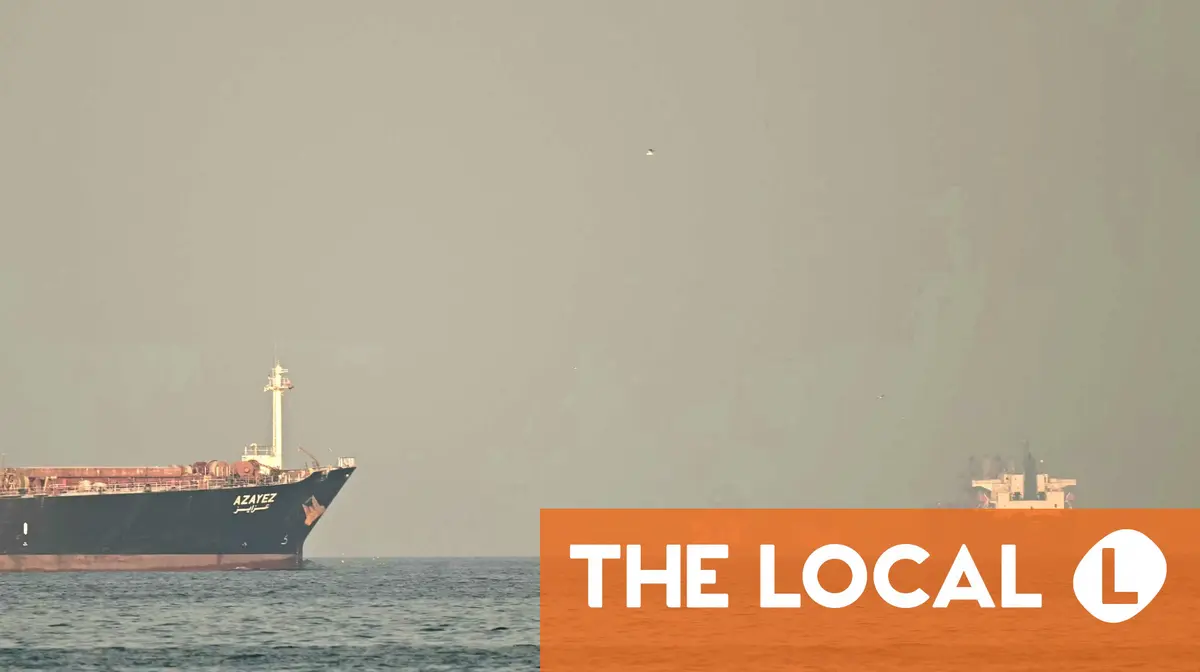
4 days agoTrump signals Strait of Hormuz could reopen without US intervention - London Business News | Londonlovesbusiness.com
Donald Trump believes the Strait of Hormuz could reopen without U.S. intervention, urging reliant countries to restore navigation responsibility.
World news
fromLondon Business News | Londonlovesbusiness.com
4 days agoTrump signals Strait of Hormuz could reopen without US intervention - London Business News | Londonlovesbusiness.com
Donald Trump believes the Strait of Hormuz could reopen without U.S. intervention, urging reliant countries to restore navigation responsibility.





Cars
fromSilicon Canals
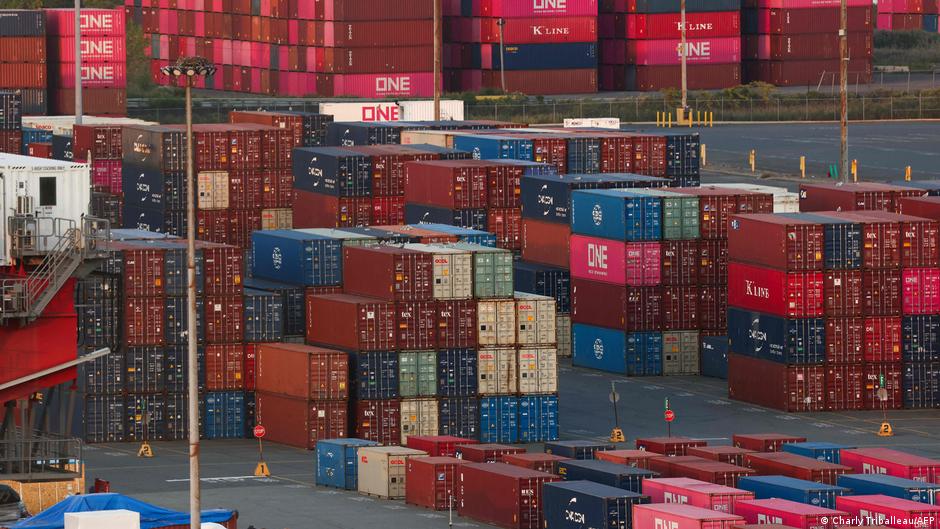
5 days agoToyota faces aluminum supply risks as Strait of Hormuz tensions threaten the material EVs depend on - Silicon Canals
Electric vehicles are increasingly dependent on specialized aluminum from the Persian Gulf, highlighting vulnerabilities in supply chains amid regional instability.
#china


European startups
fromFortune
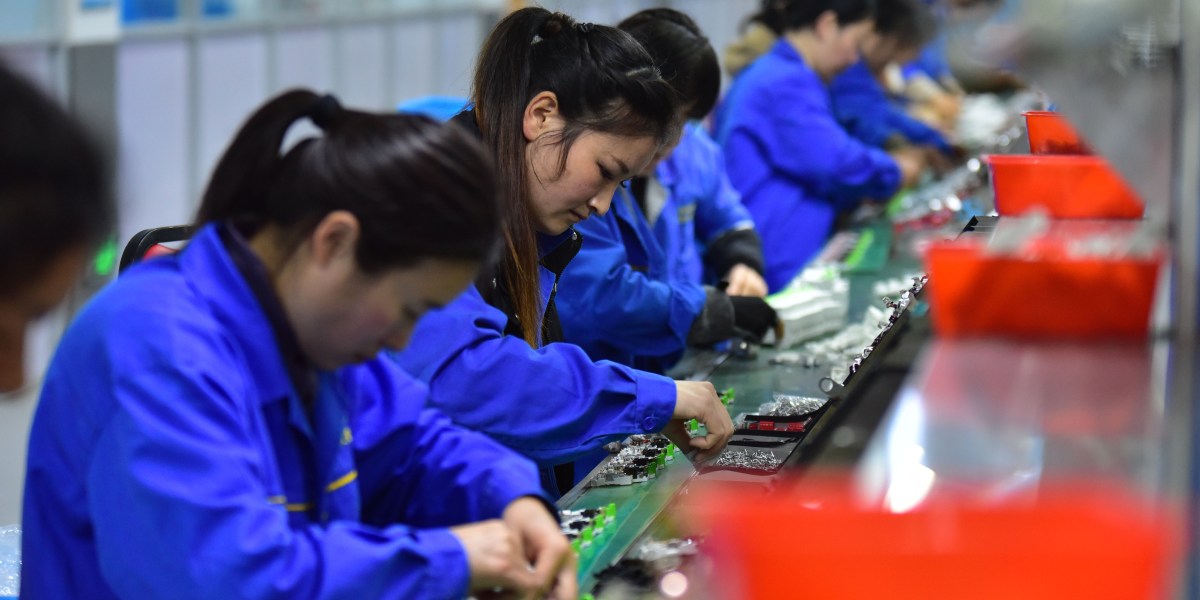
2 weeks agoChina is becoming a 'factory to the factories,' powering global manufacturing in places like Southeast Asia even as U.S. trade declines | Fortune
China is increasing exports of industrial components while consumer goods exports decline, reshaping global supply chains.
fromwww.cbc.ca
3 days agoHere's where you will or won't see a fuel surcharge | CBC News
Jet fuel tends to be an airline's biggest expense. An analysis by the International Air Transport Association showed that, for the week ending March 27, the weekly average price of jet fuel has skyrocketed 116.8 per cent compared to the previous year's average.
Canada news
fromLondon Business News | Londonlovesbusiness.com
5 days agoGlobal markets react to geopolitical tensions and rising energy costs - London Business News | Londonlovesbusiness.com
U.S. financial markets experienced a volatile week, largely influenced by geopolitical developments in the Middle East and fluctuations in energy prices. Investor sentiment was driven primarily by external events rather than domestic fundamentals.
Business
US politics
fromwww.aljazeera.com
2 weeks agoTrump temporarily waives century-old shipping law amid rising fuel costs
Trump waived the Jones Act for 60 days to allow foreign ships to transport cargo to US ports, aiming to reduce fuel costs, though critics argue it won't lower gasoline prices and may undermine labor and safety standards.
World politics
fromLondon Business News | Londonlovesbusiness.com
2 days agoCrude oil between geopolitical escalation and dollar pressure - London Business News | Londonlovesbusiness.com
Geopolitical factors and monetary conditions are significantly influencing global oil prices, reflecting uncertainty rather than traditional supply and demand.
fromLondon Business News | Londonlovesbusiness.com
2 days agoUS dollar rose amid a rebound in geopolitical concerns - London Business News | Londonlovesbusiness.com
The US dollar returned to the upside as geopolitical fears rebounded after US President Trump's address to the nation. The rhetoric fuelled risk aversion and flows toward the dollar while oil prices surged.
US Elections
fromwww.dw.com
4 days agoAfter the Iran war, how fast could global trade recover?
The longer this conflict goes on, the more devastating its impact will be on the world's energy supplies, inflation and economic stability. Every extra week of disruption raises costs for consumers and businesses while growth slows.
World news
#us-china-trade-relations


World news
fromwww.dw.com
2 weeks agoUS-China trade talks 'stable' despite mutual accusations
US and Chinese trade officials concluded a two-day Paris summit with stable discussions, agreeing on agricultural purchases and proposing new trade boards while disputes over forced labor investigations and Middle East tensions persist.
fromLondon Business News | Londonlovesbusiness.com
3 days agoMarkets remain nervous as Iran threatens to attack US blue-chip companies - London Business News | Londonlovesbusiness.com
Warning to the invading American ruling establishment and its affiliated spy companies. You ignored our repeated warnings about the necessity of halting terrorist operations, and today, in terrorist attacks carried out by you and your Israeli allies, a number of Iranian citizens were martyred.
World news

Business intelligence
fromLondon Business News | Londonlovesbusiness.com
1 month agoMcKinsey analysis: $69bn commodity trading industry faces shorter volatility cycles - London Business News | Londonlovesbusiness.com
Commodity markets face shorter volatility cycles, requiring flexible capital allocation and AI integration for competitive advantage in a consolidating trading landscape.
London startup
fromLondon Business News | Londonlovesbusiness.com
3 weeks agoHow UK manufacturers can build supply chain resilience in uncertain times - London Business News | Londonlovesbusiness.com
Supply chain resilience requires real-time visibility and diversified suppliers across multiple geographic locations to quickly recover from disruptions.
fromwww.dw.com
6 days agoWTO talks end in stalemate over e-commerce
"We worked hard," WTO Director-General Ngozi Okonjo-Iweala said, adding that the US and Brazil in particular "need more time" to work out their differences over the agreement to impose levies on cross-border online orders.
World politics
World news
fromLondon Business News | Londonlovesbusiness.com
4 days agoCrude oil falls sharply in Asian session as escalation expectations temporarily ease - London Business News | Londonlovesbusiness.com
Crude oil prices are declining as the market reassesses expectations following geopolitical tensions and backchannel diplomatic progress between the U.S. and Iran.
fromBusiness Insider
2 weeks agoPaid IEEPA tariffs on overseas purchases? Here is what shipping companies are saying about refunds
After Trump ended the de minimis exemption last year, purchasing an item straight from an international vendor, regardless of the item's value, meant incurring International Emergency Economic Powers Act tariffs. Now, thanks to a ruling by the Supreme Court that overturned Trump's IEEPA tariffs, and a ruling by the Court of International Trade ruled that all tariffs paid under IEEPA must be returned, buyers may be able to collect a refund.
European startups
European startups
fromwww.dw.com
3 weeks agoUS trade probes could lead to new tariffs for EU, China
The US launched two trade investigations targeting excess industrial capacity and forced labor imports, potentially leading to new tariffs on major trading partners after the Supreme Court limited Trump's tariff authority.
Deliverability
fromSitePoint Forums | Web Development & Design Community
2 months agoWhich Is the Best Sea Freight Forwarder for Time-Sensitive Cargo?
Choose sea freight forwarders that prioritize fast transit, priority handling, reliable networks, smooth customs clearance, real-time tracking, secure handling, and proven urgent-delivery experience.


fromFortune
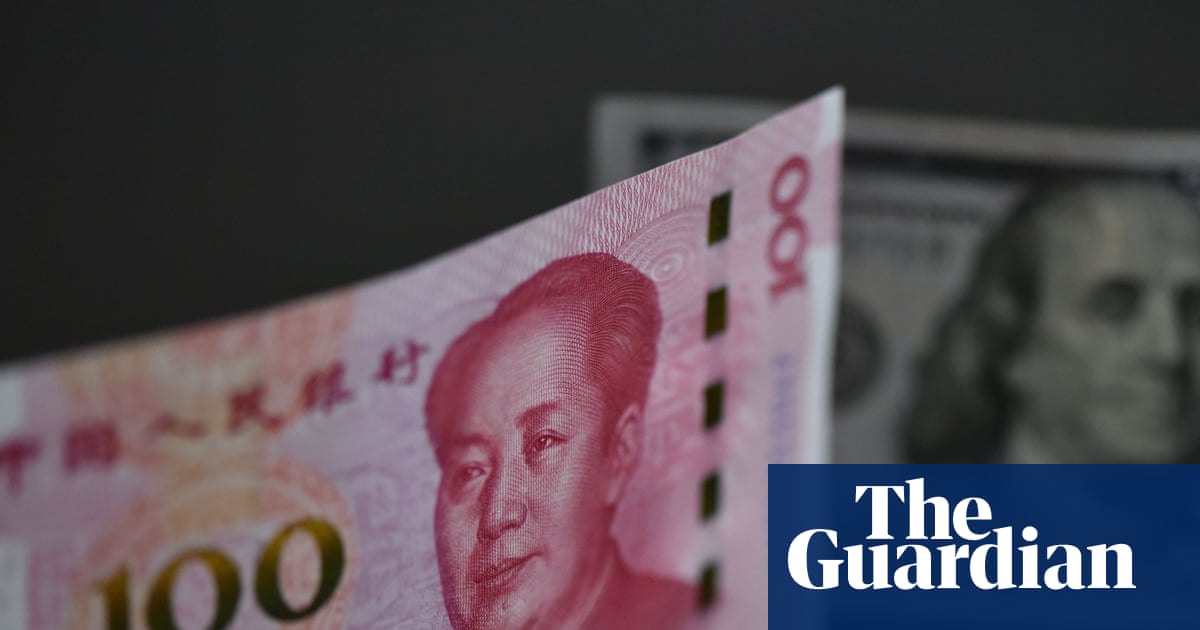
2 months ago'The Chinese have invaded us in terms of merchandise': Mexico and Argentina lead Latin America's struggles with flood of imports | Fortune
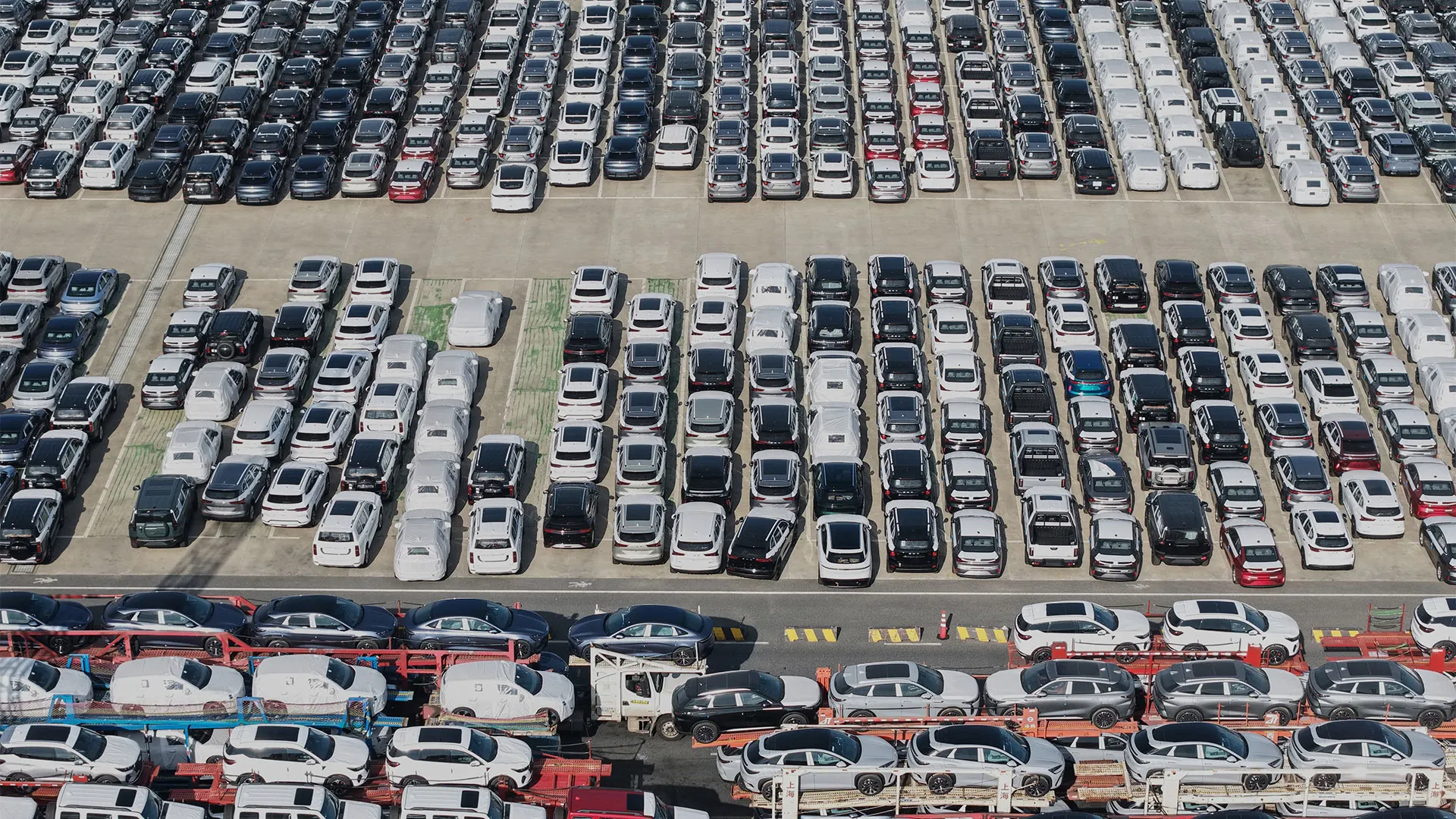
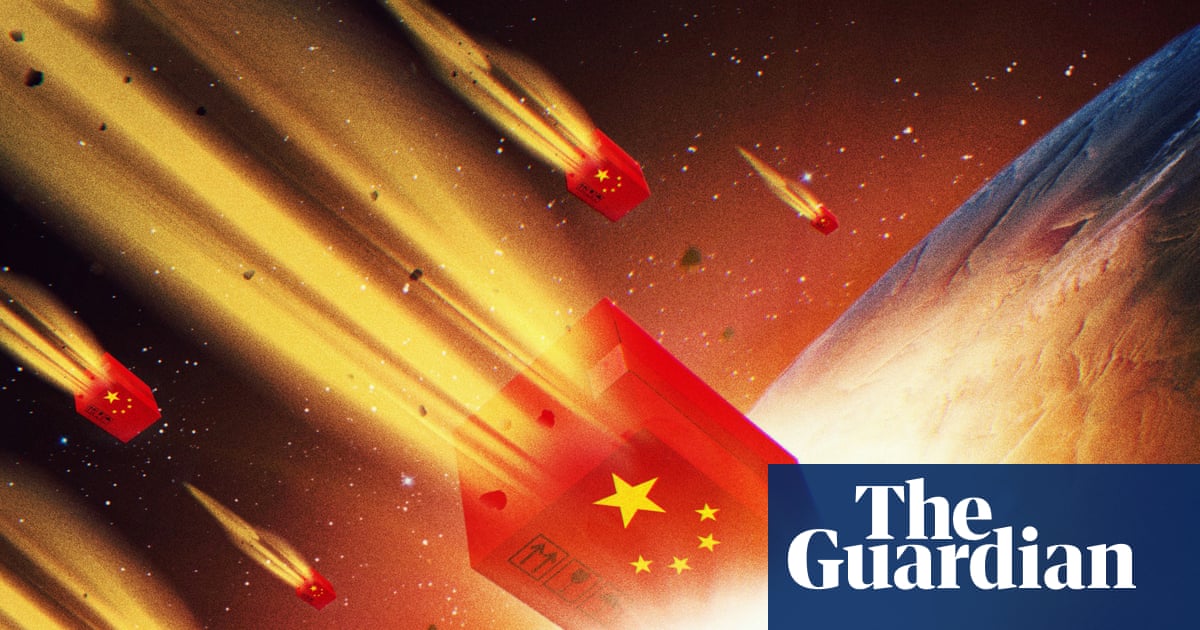
China has been flooding Latin American markets with low-priced exports, especially autos and e-commerce goods, as its exporters adjust to U.S. President Donald Trump's tariffs and geopolitical moves. The world's second-largest economy has become a major trading partner for many Latin American nations, seeking access to their abundant natural resources and growing markets while expanding its influence in a region Trump views as America's Backyard.
E-Commerce


fromFortune
2 months agoA spectre is haunting Europe - the spectre of Trump. Cue the Asian trade deals | Fortune
Stability. Consistency. Ever-changing complexity. With language like that, deployed in separate meetings in three Asian capitals this week, government leaders forged closer ties driven in part by a figure halfway around the world: the president of the United States. And much of the time, they didn't even mention Donald Trump's name. IN BEIJING: The U.K. and Chinese leaders called Thursday for a "long-term, stable, and comprehensive strategic partnership" between their two countries. The important words are long-term and stable. The two countries committed a decade ago to building a comprehensive strategic partnership but progress has been halting at best.
World politics
fromwww.dw.com
2 months agoChina logs record trade surplus in 2025 amid Trump tariffs
China recorded strong exports in 2025 with a record $1.2 trillion trade surplus, as producers shifted their focus to markets other than the US amid Trump's tariffs. Customs data showed that Beijing's global surplus rose 20% from the previous year, which saw a $992 billion surplus. Exports in 2025 stood at $3.7 trillion and imports at $2.58 trillion, government data showed on Wednesday. The record surplus was aided by a 6.6% bump in exports in the month of December when compared to December 2024,
World news
fromwww.theguardian.com
2 months agoIMF warns tariffs and geopolitical tensions threaten markets and global growth
The International Monetary Fund has warned mounting geopolitical tensions and an escalation of Donald Trump's tariff war could hit global economic growth and trigger a backlash in financial markets. In an update as Trump threatens to impose tariffs on Nato allies opposed to his ambitions in Greenland, the Washington-based fund said a renewed eruption in trade tensions was among the biggest risks to global growth in 2026.
World news
fromwww.dw.com
2 months agoChina stays resilient in first year of Trump 2.0
[The Trump administration] may have entered the office thinking that they could use their economic leverage to push China in certain policy directions," said Amanda Hsiao, a China studies director at the Eurasia Group consultancy.
World news
[ Load more ]