#energy-markets
#energy-markets
[ follow ]
#oil-prices #strait-of-hormuz #geopolitical-risk #middle-east-conflict #iran-conflict #geopolitical-tensions
from24/7 Wall St.
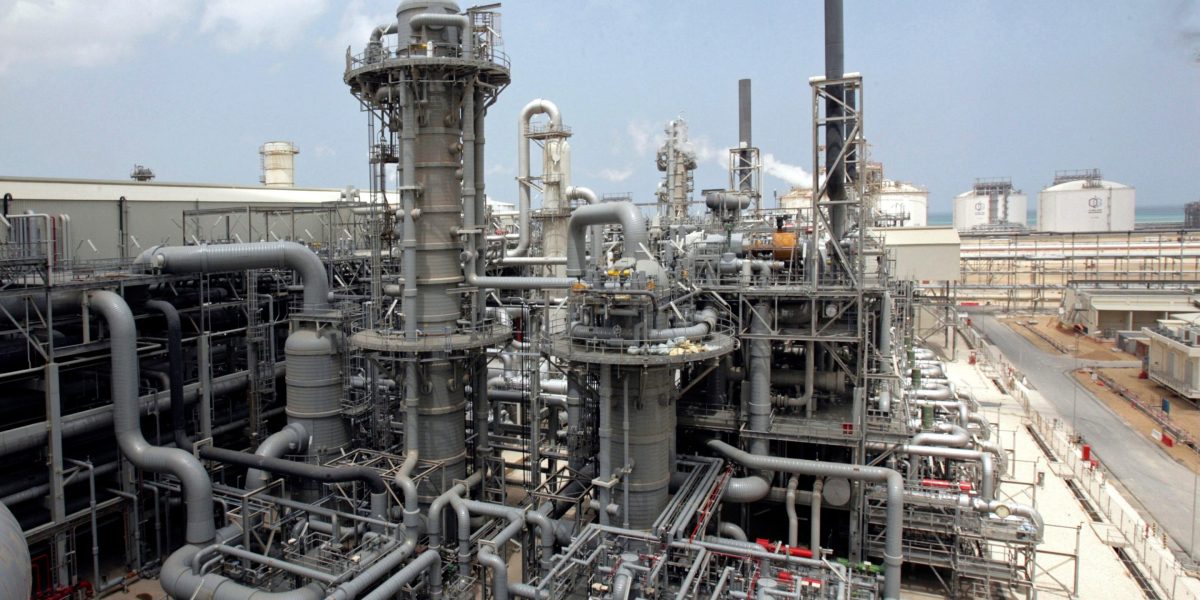
1 day agoWall Street Upgrades Cheniere Energy as Iran War Reshapes Global LNG Demand
Citi's upgrade reflects a broader geopolitical reality reshaping global energy markets. The Iran war is accelerating the flight of European and Asian buyers toward secure, long-term U.S. LNG supply contracts.
Business


#gasoline-prices
World news
fromFortune
2 weeks agoTrump officials say gas prices will return to normal in 'a few more weeks,' but his own Energy Department says it will be 2027 | Fortune
Average U.S. gas prices reached $3.84 per gallon, up 31% in one month due to Middle East conflict, with prices unlikely to drop below $3 per gallon soon despite administration claims.
#oil-prices


World news
fromwww.mediaite.com
2 weeks agoCNBC Anchor Swoops In To Fact-Check Trump Econ Chief On Oil Prices
CNBC's Becky Quick fact-checked Kevin Hassett's claim that oil prices will drop to the 60s by fall, citing WTI crude futures trading above 75 for December 2026 amid ongoing Iran conflict and Strait of Hormuz disruptions.
World news
fromLondon Business News | Londonlovesbusiness.com
2 weeks agoIran warns the Strait of Hormuz 'cannot be as it was before' as oil tops $100 - London Business News | Londonlovesbusiness.com
Brent crude surged above $100 per barrel amid Strait of Hormuz tensions, with Trump calling for a naval coalition while allies refuse to deploy vessels.
World news
fromwww.mediaite.com
2 weeks agoCNBC Anchor Swoops In To Fact-Check Trump Econ Chief On Oil Prices
CNBC's Becky Quick fact-checked Kevin Hassett's claim that oil prices will drop to the 60s by fall, citing WTI crude futures trading above 75 for December 2026 amid ongoing Iran conflict and Strait of Hormuz disruptions.
World news
fromLondon Business News | Londonlovesbusiness.com
2 weeks agoIran warns the Strait of Hormuz 'cannot be as it was before' as oil tops $100 - London Business News | Londonlovesbusiness.com
Brent crude surged above $100 per barrel amid Strait of Hormuz tensions, with Trump calling for a naval coalition while allies refuse to deploy vessels.
World politics
fromFortune
1 week agoNatural gas prices in Texas plunge deep into negative territory and producers are burning it off, while the rest of the world braces for shortages | Fortune
A geographic divide in energy markets has led to negative natural gas prices in West Texas while Europe and Asia face shortages.
#middle-east-conflict


Europe news
fromLondon Business News | Londonlovesbusiness.com
2 weeks agoCEBR: UK Energy Bills Set to Exceed 2,100 - London Business News | Londonlovesbusiness.com
The Middle East conflict is reviving inflationary pressures in the UK due to rising energy prices, but the impact differs from previous geopolitical disruptions.
World politics
fromFortune
2 weeks agoGoldman's top international execs say the Iran war has parallels to the Russia's invasion of Ukraine, but there are key differences | Fortune
Goldman Sachs executives assert that despite Middle East conflict similarities to the 2022 Russia-Ukraine shock, fundamental market conditions differ significantly, with central banks unlikely to respond hawkishly unless the conflict becomes protracted or energy markets face renewed pressure.
World news
fromwww.bbc.com
1 month agoUK stock market calms but oil prices rise over fears Iran war may drag on
UK stock markets rose despite energy price volatility from US-Israel-Iran conflict, with oil prices increasing over 1% amid drone attacks on Saudi refineries and shipping disruptions through the Strait of Hormuz.
Europe news
fromIrish Independent
2 weeks agoSimon Harris says energy supports coming 'very shortly' as gas prices soar after strikes on Middle East energy infrastructure
European natural gas prices surged approximately one-third in a single day following Iranian missile strikes on Qatar's major LNG export facility, with analysts assessing potential long-term supply disruptions.
UK politics
fromwww.independent.co.uk
2 weeks agoIran oil attacks trigger 35% gas price spike and fears of interest rate rises
Britain increases defensive support for Gulf states following Iran's missile attacks on regional energy infrastructure, raising concerns about inflation and interest rates across Europe.
World news
fromwww.businessinsider.com
2 weeks agoTop economist Steve Hanke says Iran is channeling Muhammad Ali and could deal a 'knockout blow' to the US
Iran employs a rope-a-dope strategy by absorbing military pressure while disrupting global trade through Strait of Hormuz control, potentially delivering an economic knockout to the US.
#strait-of-hormuz
World politics
fromFast Company
2 weeks agoThe Strait of Hormuz has been weaponized before. A look at past disruptions to the critical oil waterway
Iran has halted nearly all traffic through the Strait of Hormuz during conflict with the U.S. and Israel, disrupting global oil supply and causing fuel prices to surge.
World politics
fromSilicon Canals
1 month agoOil at $84, LNG up 45% in Asia: Trump's Iran strikes send shockwaves through global energy supply chains - Silicon Canals
US military strikes on Iran triggered global energy market volatility, with crude oil reaching $84/barrel and gasoline averaging $3.11/gallon, exposing contradictions in US energy policy amid threats to Strait of Hormuz shipping.
World politics
fromFortune
1 month agoEnergy markets offer 'relatively small reaction' to Iran war, but prices would spike if oil and gas aren't flowing by the end of the week | Fortune
Crude oil prices rose only 6% despite the Strait of Hormuz closure and regional conflict, with market expectations that U.S. intervention will restore oil flows and prevent further price increases.
World news
fromwww.mediaite.com
2 weeks agoBessent Tells Maria Bartiromo Trump May Soon Unsanction Iranian Oil' to Drive Down Oil Prices
The Trump administration strategically targets Iranian military infrastructure while preserving oil production, coordinating with Treasury to release sanctioned Russian and Iranian oil reserves to stabilize global energy prices during escalating military operations.
fromLondon Business News | Londonlovesbusiness.com
2 weeks agoUS futures slide as inflation fears and Fed outlook weigh on risk appetite - London Business News | Londonlovesbusiness.com
Rising inflation concerns, hawkish monetary policy signals, and escalating geopolitical tensions weighed on risk assets. Energy markets are adding to the pressure. Oil prices surged following renewed attacks on energy infrastructure in the Middle East, intensifying concerns about inflationary pressure.
Business
UK news
fromLondon Business News | Londonlovesbusiness.com
2 weeks agoBoE warns inflation will soar due to the escalating Middle East crisis - London Business News | Londonlovesbusiness.com
The Bank of England raised its CPI inflation forecast to 3.5% for Q3 2026, attributing the increase to Middle East conflict causing energy market shocks, and maintained interest rates at 3.75% while signaling unlikely rate cuts in 2026.
fromenglish.elpais.com
2 weeks agoTrump's desperate attempts to curb soaring oil prices
The Iranian military's blockade of the Strait of Hormuz in retaliation for the U.S. and Israeli airstrikes on Tehran has sent energy markets into turmoil. A quarter of the world's natural gas, a fifth of its crude oil, and tons of critical materials for fertilizers and other petroleum products pass through this strategic Persian Gulf waterway.
World politics
US politics
fromFortune
2 weeks agoWhite House suspends the Jones Act for 60 days. Analysts see a gas price impact of 3 cents | Fortune
The Trump administration temporarily waives the Jones Act for 60 days to address energy market disruptions and supply chain issues caused by the U.S.-Israel conflict with Iran.
#jones-act-waiver
US politics
fromwww.npr.org
2 weeks agoTrump temporarily waives the Jones Act to try to lower gas prices
The Trump administration issued a 60-day Jones Act waiver to reduce shipping costs and potentially lower gasoline prices following geopolitical tensions, though experts question its effectiveness in significantly lowering pump prices.
fromLondon Business News | Londonlovesbusiness.com
2 weeks agoGold near ne-month lows as caution dominates ahead of Fed - London Business News | Londonlovesbusiness.com
Elevated oil levels are reinforcing concerns that inflation could remain sticky, reducing the likelihood of near-term monetary easing by the Federal Reserve, weighing on gold in the process. ETF outflows over recent weeks reinforce this shift in sentiment, and could weigh on the market if they continue.
Europe news
World news
fromLondon Business News | Londonlovesbusiness.com
2 weeks agoCrude oil remains elevated as supply risks turn into actual disruptions - London Business News | Londonlovesbusiness.com
Oil prices have surged 40-50% since late February due to actual Middle East supply disruptions, with Brent at USD 103.6 and WTI near USD 95, as Iran's attacks on production facilities materialize real supply losses rather than anticipated risks.
#federal-reserve-policy
US politics
fromFortune
4 weeks agoA shiny new Fed Chairman will be keen to make an entrance with a base rate cut-yet the committee is only growing more hawkish due to Iran | Fortune
Kevin Warsh's Fed nomination faces pressure to deliver rate cuts despite geopolitical tensions threatening oil supplies and inflation concerns.
World news
fromFortune
2 weeks agoThere's an oil price scenario that would bring the US economy to a 'standstill; | Fortune
War in Iran blocks the Strait of Hormuz, removing eight million barrels daily from global oil supply—the largest disruption in history—causing oil prices to surge and threatening economic growth worldwide.
fromLondon Business News | Londonlovesbusiness.com
2 weeks agoThe significant events in the global economy over the past week - London Business News | Londonlovesbusiness.com
Weak performance in several service sectors offset gains in retail and wholesale trade, reinforcing concerns about the pace of economic recovery. Japan relies heavily on oil imports from the Middle East, making it particularly sensitive to disruptions in the region.
UK news
Business
from24/7 Wall St.
2 weeks agoWilliams CEO: U.S. natural gas production is America's true superpower
The U.S. produces 40% more natural gas than it consumes domestically, establishing a structural export advantage and making natural gas a national superpower that insulates domestic prices from global market chaos.
#geopolitical-conflict
World politics
fromwww.theguardian.com
3 weeks agoIf oil price shocks weren't bad enough, Trump's war could have other unintended consequences | Adam Hanieh
US-Israeli conflict with Iran disrupts global energy markets, with Brent Crude exceeding $100/barrel, threatening household bills worldwide and potentially strengthening China-Russia relations.

World politics
fromwww.theguardian.com
3 weeks agoIf oil price shocks weren't bad enough, Trump's war could have other unintended consequences | Adam Hanieh
US-Israeli conflict with Iran disrupts global energy markets, with Brent Crude exceeding $100/barrel, threatening household bills worldwide and potentially strengthening China-Russia relations.
#iran-conflict

Europe news
fromLondon Business News | Londonlovesbusiness.com
3 weeks agoTrump Weighing Up Fresh Tariff Framework and Markets - London Business News | Londonlovesbusiness.com
European markets decline amid rising energy prices and stagflation concerns, while defence stocks gain on Iran conflict tensions and oil prices surge past $94 despite IEA's strategic reserve release.
US news
from24/7 Wall St.
3 weeks agoHere Are Thursday's Top Wall Street Analyst Research Calls: Arista Networks, Crocs, General Mills, GoDaddy, Jabil, Lumentum, MercadoLibre, Shopify, and More
Futures trade lower amid Strait of Hormuz tensions while oil prices surge 5%, driving mixed stock market performance with the Dow down 0.61% and Nasdaq up 0.08%.
Germany news
fromwww.independent.co.uk
3 weeks agoGermany, Austria say they'll release oil from reserves in response to 400 million barrel request
Germany, Austria, and Japan are releasing oil reserves following an IEA request for 400 million barrels to address energy price spikes from regional conflict.
#geopolitical-risk
World news
fromLondon Business News | Londonlovesbusiness.com
3 weeks ago'Double whammy' as oil surges again and trade tensions escalate - London Business News | Londonlovesbusiness.com
Markets face dual pressures from surging energy prices driven by Iran-related geopolitical tensions and new trade investigations initiated by the Trump administration.
UK news
fromLondon Business News | Londonlovesbusiness.com
3 weeks agoExpectations for UK interest rate cuts shift dramatically - London Business News | Londonlovesbusiness.com
Geopolitical tensions are pushing markets toward higher interest rates and oil prices, benefiting energy and defence sectors while shifting investment away from growth stocks.


World news
fromLondon Business News | Londonlovesbusiness.com
3 weeks ago'Double whammy' as oil surges again and trade tensions escalate - London Business News | Londonlovesbusiness.com
Markets face dual pressures from surging energy prices driven by Iran-related geopolitical tensions and new trade investigations initiated by the Trump administration.
UK news
fromLondon Business News | Londonlovesbusiness.com
3 weeks agoExpectations for UK interest rate cuts shift dramatically - London Business News | Londonlovesbusiness.com
Geopolitical tensions are pushing markets toward higher interest rates and oil prices, benefiting energy and defence sectors while shifting investment away from growth stocks.
fromRealagriculture
3 weeks agoMarch WASDE leaves grain markets searching for direction
USDA estimates for major crops were largely unchanged from the previous month, resulting in muted market reactions. For wheat, the USDA maintained its U.S. production, supply, and ending stocks forecasts with no revisions. Global wheat production was adjusted slightly higher, largely due to increased output estimates in Ukraine and Kazakhstan, partially offset by a smaller Australian crop.
Agriculture
US politics
fromLondon Business News | Londonlovesbusiness.com
3 weeks agoMarkets recover as Trump indicates a near-term resolution to the Iran conflict - London Business News | Londonlovesbusiness.com
Markets rally on expectations of Iran conflict resolution, with dip buyers returning as energy prices normalize and manufacturing stocks gain traction across European markets.
#geopolitical-tensions

Europe news
fromLondon Business News | Londonlovesbusiness.com
4 weeks agoMiddle East is likely to impact diesel prices across Europe - London Business News | Londonlovesbusiness.com
Military escalation between the US, Israel, and Iran has caused crude oil prices to surge 10-12%, with the Strait of Hormuz disruption threatening global energy markets and European fuel supply chains.
Europe news
fromLondon Business News | Londonlovesbusiness.com
4 weeks agoMiddle East is likely to impact diesel prices across Europe - London Business News | Londonlovesbusiness.com
Military escalation between the US, Israel, and Iran has caused crude oil prices to surge 10-12%, with the Strait of Hormuz disruption threatening global energy markets and European fuel supply chains.
#oil-price-volatility

World politics
fromwww.theguardian.com
3 weeks agoOil prices drop sharply after Trump moves to reassure markets over Iran war
Oil prices fluctuated dramatically following Trump's conflicting statements about US-Iran conflict resolution, with Brent crude swinging from $119.50 to $91.58 per barrel amid threats to Strait of Hormuz shipping.
World politics
fromwww.theguardian.com
3 weeks agoOil prices drop sharply after Trump moves to reassure markets over Iran war
Oil prices fluctuated dramatically following Trump's conflicting statements about US-Iran conflict resolution, with Brent crude swinging from $119.50 to $91.58 per barrel amid threats to Strait of Hormuz shipping.
fromwww.amny.com
3 weeks agoEditorial | Relief at the pump needed for New Yorkers | amNewYork
New York City drivers found themselves paying, on average, 31 cents more for a gallon of gas week-over-week, according to the American Automobile Association. The gallon price as of March 6 was $3.30, up from $2.99 on Feb. 27.
New York City
World news
fromLondon Business News | Londonlovesbusiness.com
3 weeks agoMiddle East war triggers wave of 'force majeure' across global energy sectors - London Business News | Londonlovesbusiness.com
Major oil and gas companies across the Gulf region are invoking force majeure due to conflict-related disruptions to production and shipping, affecting global energy markets.
Miscellaneous
from24/7 Wall St.
3 weeks agoOil Could Break its All-Time Record and Hit $148 Per Barrel This Week
WTI crude oil futures surged to $120 per barrel in March 2026, a 30% spike in three weeks, approaching the 2008 record of $147.27 amid Iran-US military tensions and threats to close the Strait of Hormuz, significantly impacting energy stocks and broader markets.
#oil-sanctions

Europe news
fromwww.theguardian.com
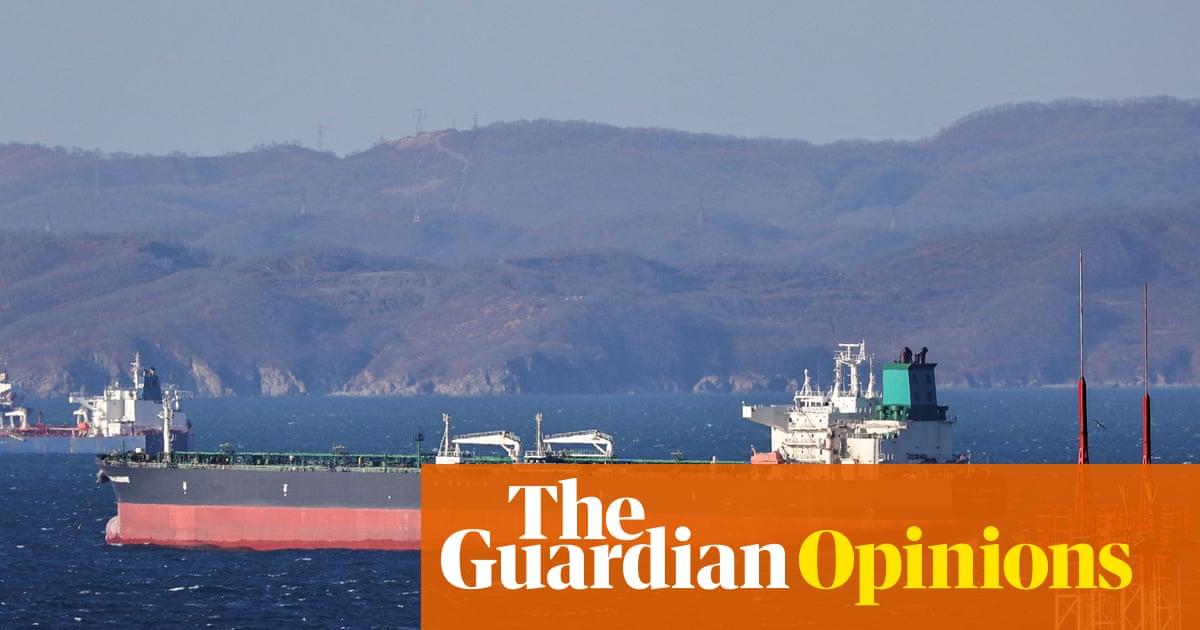
3 weeks agoUS considers lifting more sanctions on Russian oil as Iran conflict sees global prices surge
The US Treasury is considering lifting sanctions on Russian oil to increase global supply amid surging prices caused by Middle East conflict disrupting the Strait of Hormuz.
from24/7 Wall St.
4 weeks ago4 High Yield Refiners Built for Exactly These Spiking Oil Prices and Geopolitical Swings
The death of Iranian Supreme Leader Ayatollah Ali Khamenei on February 28, 2026, per NPR reporting, sent immediate shockwaves through energy markets. WTI crude climbed from $61.60 on February 2 to $71.13 by March 2, and prediction markets now assign 97% probability to crude reaching $75 by end of March, with 81% confidence in a move to $80.
Business
from24/7 Wall St.
1 month agoWhy Linde, Southern Copper and BHP Group Are Down Big Today
US and Israeli airstrikes on Iran have prompted Iran's Revolutionary Guard to declare the Strait of Hormuz closed, a critical chokepoint for global energy flows, and the conflict has now spread across multiple countries. The paradox for investors: an energy shock lifting oil prices is simultaneously crushing the metals complex.
World politics
[ Load more ]