#factory-reset-protection
#factory-reset-protection
[ follow ]
#android #privacy #mobile-security #mobile-privacy #developer-verification #privacy-display-technology




Mobile UX
fromYanko Design - Modern Industrial Design News
2 days agoThis Finnish Privacy-focused Linux Phone Wants You to Forget Google Exists - Yanko Design
Jolla reintroduces a European smartphone ecosystem with its new phone running Sailfish OS, emphasizing privacy and independence from American tech giants.


#privacy-display-technology
Gadgets
fromWIRED
3 weeks agoThe Samsung Galaxy S26 Ultra Makes Me Wish All Phones Had a Privacy Screen
Samsung's Galaxy S26 Ultra features a built-in Privacy Display that prevents nearby viewers from seeing screen content without reducing brightness or image quality.

fromMail Online
1 month agoPrivacy technologies
Screen snoopers beware! Samsung phone has a built-in Privacy Display
Samsung Galaxy S26 Ultra features a built-in Privacy Display that blurs the screen from side angles while remaining clear for the user, preventing shoulder surfing and unauthorized viewing of sensitive information.


#android-security
Privacy technologies
fromArs Technica
2 weeks agoGoogle details new 24-hour process to sideload unverified Android apps
Google will enforce developer verification for Android sideloading in September 2026, but an advanced flow in developer settings allows power users to bypass verification requirements.
Privacy technologies
fromArs Technica
2 weeks agoGoogle details new 24-hour process to sideload unverified Android apps
Google will enforce developer verification for Android sideloading in September 2026, but an advanced flow in developer settings allows power users to bypass verification requirements.
#android-repair-mode

Mobile UX
fromZDNET
3 weeks agoGetting your Android phone repaired? Turn on this setting first - and lock down your data
Android Repair Mode is a special diagnostic mode available on Pixel and Samsung phones running Android 14 or later that helps troubleshoot hardware issues without full system access.
Mobile UX
fromZDNET
3 weeks agoGetting your Android phone repaired? Turn on this setting first - and lock down your data
Android Repair Mode is a special diagnostic mode available on Pixel and Samsung phones running Android 14 or later that helps troubleshoot hardware issues without full system access.
Information security
fromZDNET
3 weeks agoThis security flaw could affect 1 in 4 Android phones - how to check yours
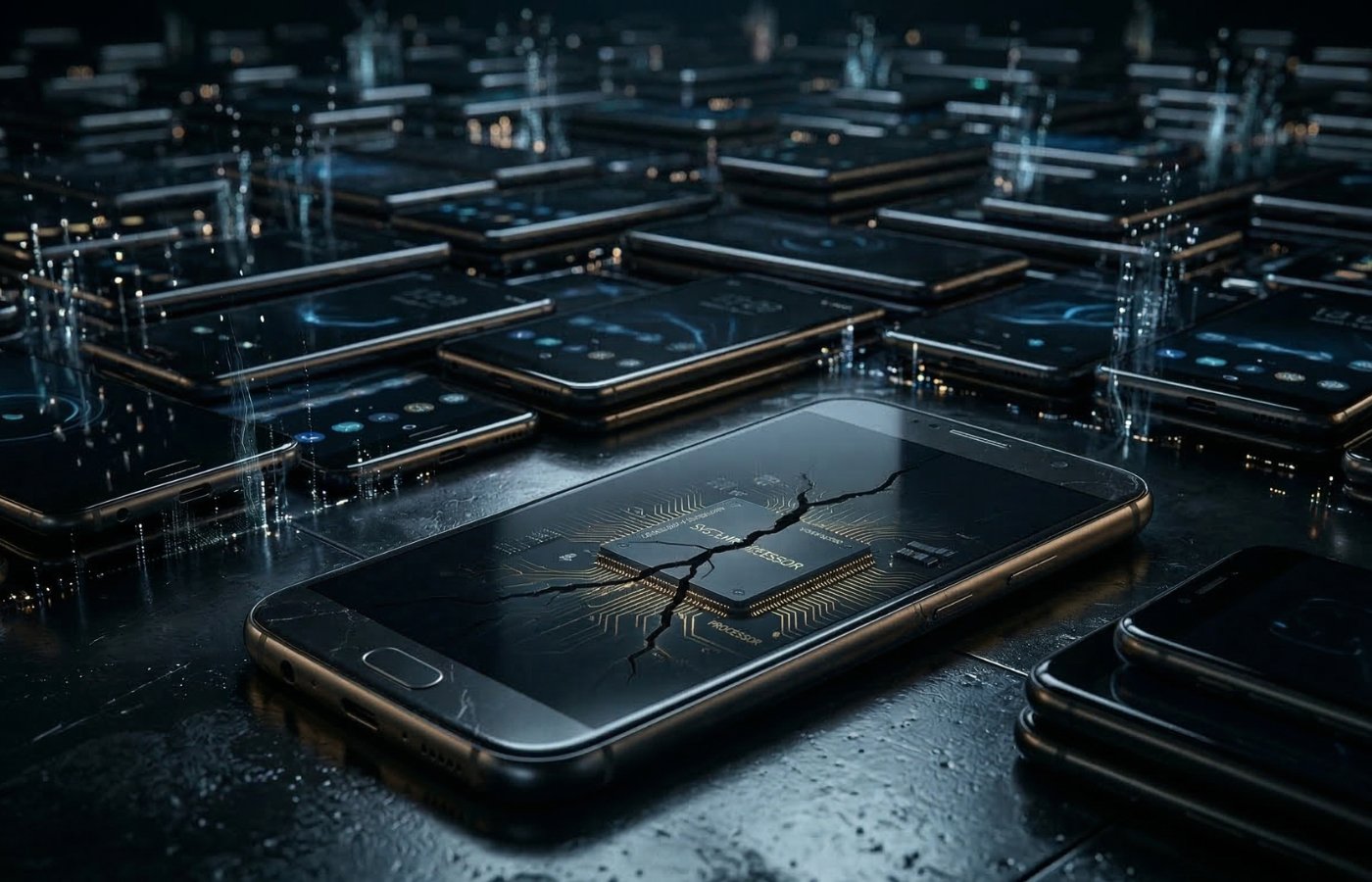
A hardware flaw in MediaTek chips used in approximately 25% of Android phones allows attackers to access sensitive data including crypto wallet seed phrases within minutes via USB connection.
#android-sideloading

Privacy technologies
fromEngadget
2 weeks agoAndroid will hide app sideloading behind a new one-time security process
Google implements a multi-step verification process for sideloading unverified apps on Android, while offering free limited distribution accounts for hobbyist developers to share apps with up to 20 devices.
Privacy technologies
fromTechCrunch
2 weeks agoGoogle introduces a new way for users to sideload Android apps that still protects against scams | TechCrunch
Google introduces an 'advanced flow' setting allowing Android users to disable app verification requirements and sideload unverified apps while maintaining some anti-scam protections.
Information security
fromSecurityWeek
1 month agoAndroid Update Patches Exploited Qualcomm Zero-Day
Google released Android security updates patching nearly 130 vulnerabilities, including an exploited zero-day in Qualcomm chipsets affecting over 200 devices through integer overflow in graphics components.
#android-17
Mobile UX
fromTechRepublic
2 weeks agoAndroid 17 Leaks Reveal Major Redesign, AI Features, and Privacy Upgrades
Android 17 is undergoing significant development with a major visual overhaul, expanded Material 3 design system, and frosted glass interface effects expected in the stable release around June 2026.


fromComputerworld
1 month ago3 future Android features you can give yourself today
Thanks to the way Google's for years now been deconstructing Android and pulling OS-level pieces out of the operating system itself - so they exist as regular ol' apps and can consequently be updated quickly, frequently, and in a way that reaches everyone instantly, regardless of what phone or carrier they're using - even Android phones from eight years ago get updates numerous times a year that are all virtually equivalent to an entire iOS operating system rollout.
Gadgets
Gadgets
fromZDNET
1 month agoI tried the Samsung Galaxy S26 Ultra and need the Privacy Display feature on my iPhone ASAP
Samsung's Galaxy S26 series delivers significant design improvements with a slimmer, lighter build and enhanced ergonomics, alongside meaningful AI and display upgrades despite modest camera and battery enhancements.
fromTechRepublic
1 month agoMotorola Plans GrapheneOS-Compatible Devices as Early as 2027
Motorola is introducing a new era of smartphone security through a long‑term partnership with the GrapheneOS Foundation, the leading nonprofit in advanced mobile security and creators of a hardened, operating system based on the Android Open Source Project. Together, Motorola and the GrapheneOS Foundation will work to strengthen smartphone security and collaborate on future devices engineered with GrapheneOS compatibility.
Privacy technologies




Mobile UX
fromTechCrunch
1 month agoSamsung shows off new display tech that adds a privacy screen to apps and notifications | TechCrunch
Samsung introduced a new Black Matrix display technology enabling per-app privacy mode to prevent shoulder surfing, offering flexible alternatives to traditional privacy films with customizable settings.
Information security
fromTechCrunch
2 months agoAndroid phones are getting more anti-theft features | TechCrunch
Android expands theft-protection: toggle for Failed Authentication Lock, longer lockouts, Identity Check covers all biometric apps, optional Remote Lock challenge, defaults enabled in Brazil.

fromZDNET
1 month agoWhy the Samsung Galaxy S26 Ultra's biggest upgrade won't be its camera or processor for me
How Samsung achieves this is through pixel-level light control, adjusting its OLED emission so that light only shines toward the user when facing directly at the phone screen. As you pan left and right, the part of the Privacy Display that you can set to block sensitive notifications, 2FA codes, and more fades to black. Notably, the feature wouldn't reduce the phone's overall brightness or color depth, unlike a physical privacy screen protector.
Gadgets






fromZDNET
2 months agoI thought a privacy screen protector was a smart idea - until I put one on my Galaxy S25 Ultra
Considering how much personal information we store on our smartphones, I wouldn't be surprised if the demand for privacy screen protectors is at an all-time high. From bank statements to email credentials to photos and videos, the need to keep our digital footprint safe and secure, especially from the prying eyes of strangers, has never been more necessary. Also: Stop putting your phone screen-side up on the table - why you'll be glad you did Earlier this year, I gave the privacy-enhanced accessory a try, installing on my Galaxy S25 Ultra. The installation process was the same as any other modern-day screen protector, with a guide tray that you set your Samsung phone into for near-perfect placement.
Privacy technologies
Privacy technologies
fromTechCrunch
2 months agoSamsung teases new privacy feature to hide your Galaxy phone screen from onlookers | TechCrunch
Samsung will add a customizable privacy screen to Galaxy phones that blocks onlookers from viewing selected on-screen content, likely debuting on the Galaxy S26 Ultra.
fromZDNET
1 month agoIs spyware hiding on your phone? How to find out and remove it - fast
Spyware is one of the top threats to your mobile security and can severely impact your handset's performance if you are unlucky enough to become infected. It is a type of malware that typically lands on your iPhone or Android phone through malicious mobile apps or through phishing links, emails, and messages. While appearing to be a legitimate software package or useful utility, spyware will operate quietly in the background to monitor your movements,
Privacy technologies


[ Load more ]