Books
fromThe Nation
7 hours agoBen Lerner's Novel of Fathers and Sons
Modern masculinity is characterized by anxiety and insecurity, regardless of age or responsibilities, as depicted in Ben Lerner's fiction.
Toonstar's proven ability to translate beloved stories into engaging animation, while keeping artists at the center of the process, makes them the ideal partner to bring Friendship List and other popular titles to new audiences in formats today's families love.
I feel that in a short period of time I've become very counter-cultural without meaning to, because I have a kind of like 'kill it with fire' attitude towards [AI]. I didn't consent to this, you know? And I guess, you know, we don't get to consent to the cultural changes that impact us; but I don't appreciate how it's all happened in what feels like about two years.
Hachette remains committed to protecting original creative expression and storytelling. The company requires all submissions to be original to the authors and that the authors disclose whether AI is used during the writing process.
To deny one's own experiences is to put a lie into the lips of one's own life. It is no less than a denial of the soul. The concept I stick to - my core principle - is simple: I write in plain English, and only when I actually have something to say.
I do think that the three books, as a trilogy, it's Shane who has like the hero's arc. I think, even in The Long Game, it's Shane. As much as the book focuses on Ilya, Shane is the one with that arc, and I do think that continues into this one [Unrivaled].
When the people who are after me get here, they'll arrest me and put me on trial, or they'll disappear me to some black site. Or they won't bother with any of that and they'll just kill me. All of these seem like plausible outcomes, but in the novel's prologue, the narrator seems much more confident of her success: I am a fucking genius, a gorgeous fucking genius, and the only thing left to do is sit down and write.
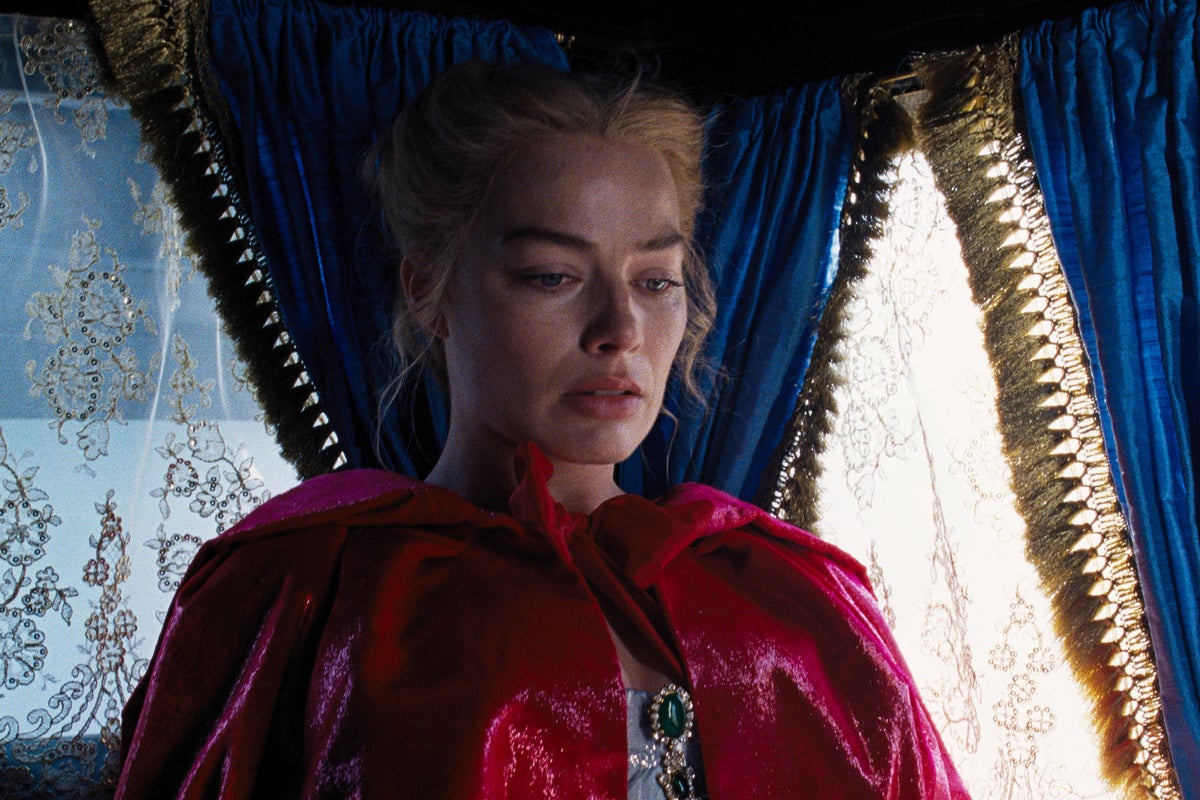
There is a two-minute section at the midpoint of'Wuthering Heights' that had me briefly convinced I was watching the greatest movie ever made. We watch as Margot Robbie's Cathy wears Elton John's sunglasses, paws at flesh-coloured walls, and skips and jumps around an eerily manicured garden straight out of Monty Don's erotic nightmares. Charli xcx wails on the soundtrack, swaddled in reverb and metallic strings.
We've all been there. Someone starts telling a story, and within seconds, your mind starts wandering. Maybe you pull out your phone, suddenly remember an urgent email, or find yourself mentally reorganizing your weekend plans. The storyteller doesn't notice. They keep going, completely unaware that they've lost their audience. After interviewing over 200 people for various articles, I've noticed patterns in how people communicate their experiences. Some captivate you from the first word, while others lose you before they've even gotten to the point.
There's a particular energy to novels written from the point of view of small children. Humour, of course, in the things the child misinterprets; pathos in the things they feel they must keep hidden; jeopardy in the dangers we can see, and they cannot. As any relative or babysitter can attest, even the sweetest child can become mind-numbingly dull when they're all the company one has, so there's a skill to charm without boring.
A writer is a kind of magician. Their job is to create living, three-dimensional people out of the ordinary stuff of ink and paper. This is no easy task, because readers can't literally hear, touch, or observe a character. Everything that defines a human being in real life-the physical space they occupy, or how they smell, feel, and sound-is stripped away, replaced by description. But authors have one major, mystical advantage: They can show you what's happening inside of someone's brain.