Running
fromiRunFar
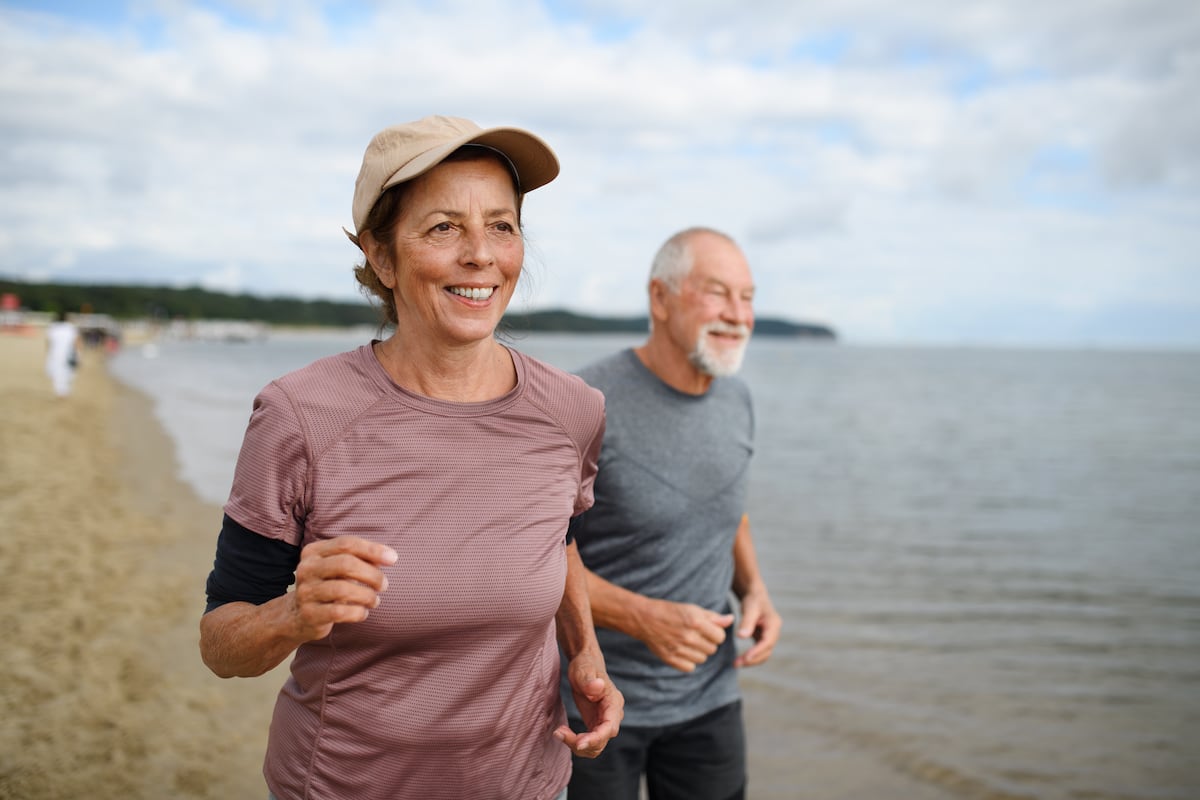
4 days agoRunning and Aging: Finding Surprise Improvements
Crown King Scramble 50k offers a consistent and challenging course for runners, fostering a strong community and personal growth through endurance.
The boom in reformer pilates has created a wild west of studios where poor regulation has resulted in inexperienced teachers and a rise in injuries, professional standards bodies have warned.
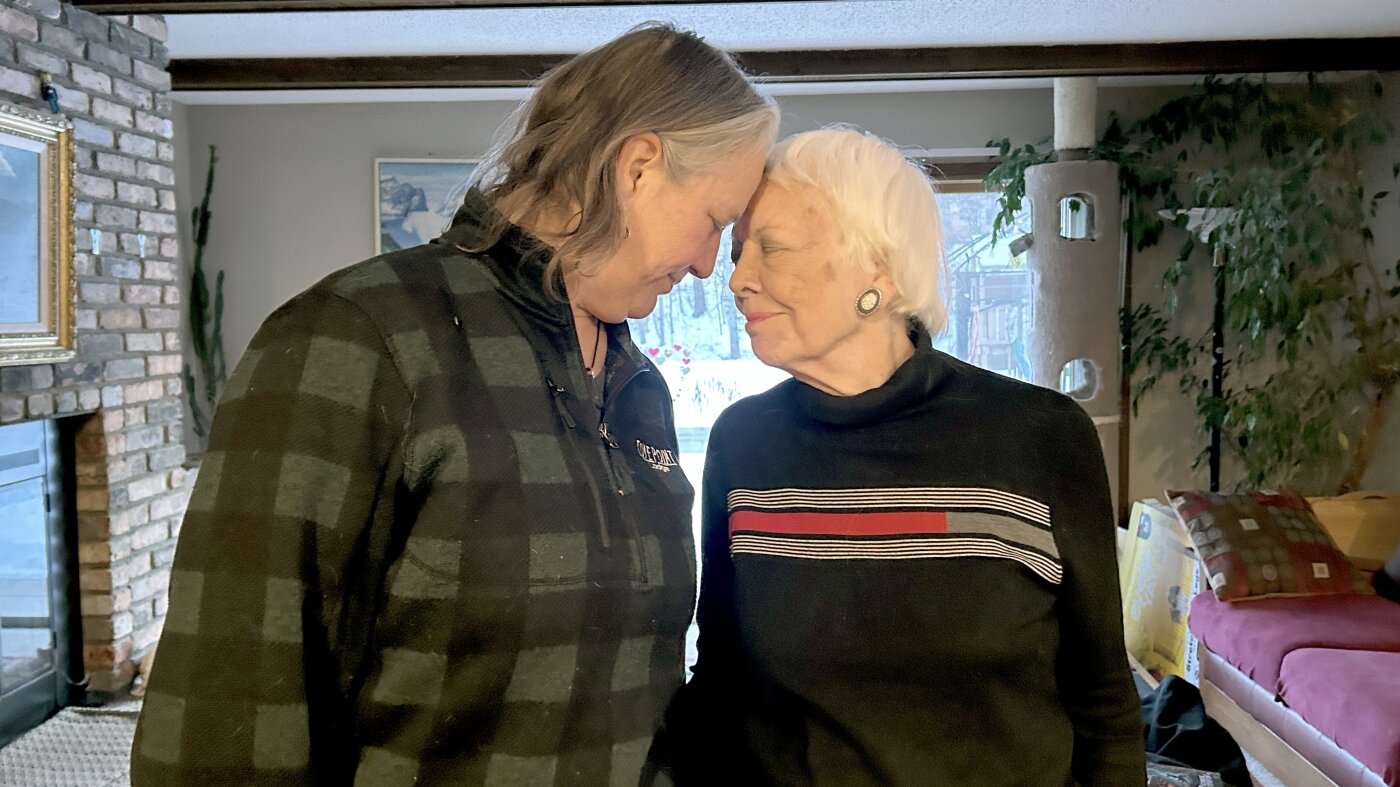
On a sunny and warmish late-November day, my husband and I were meeting some close relatives to deposit our brother-in-law's ashes in a columbarium beside the remains of his late wife, my husband's only sibling. She had died during the pandemic, and her husband had subsequently moved away, but none of us were going to let the grim reaper separate a couple who had been conjoined by a lifetime of shared experiences.
Cross training and running go together like peanut butter and jelly. If you build it into your schedule intentionally, strategically, and with a clear understanding of what you're trying to accomplish, you'll thrive. Megan makes the case that cross-training serves runners for several distinct reasons, and the right reason for you will shape how you approach it.
As you age, your body gets less efficient at repair and recovery, as your: Immune system gradually loses some of its resilience Digestion slows Chances of chronic conditions like heart disease, type 2 diabetes, and osteoporosis increase Retirement can also impact your health in complex ways. While stepping away from work often reduces stress, it may lead to less physical activity and fewer social interactions-both of which can raise your health risks.
The brain is the conductor of the orchestra, the muscles are the instruments. When your body is out of alignment, the orchestra is playing out of tune. Misalignment in the musculoskeletal system is frequently the root cause of chronic pain and the resulting poor posture.
There's something quietly radical about designing for pain. Not the dramatic, cinematic kind, but the daily grind of chronic discomfort that shapes how millions of people move through their lives. That's exactly what Madhav Binu, Kriti V, and Himvall Sindhu set out to tackle with Revive, a home-based rehabilitation device for knee osteoarthritis patients. The numbers tell a sobering story. Forty percent of India's elderly population lives with knee osteoarthritis, a condition that doesn't just hurt.
Riding a mountain bike comes with risks, and injuries are common among most riders, from minor cuts and scrapes to broken bones and more severe head trauma. But what are the common injuries from mountain biking, and what is the recovery like for the most common MTB injuries? Well, I've had most of them over the years. From the minor scrapes and bumps to the more severe head trauma, fractured bones, and ligament damage.
Staying mobile as we age isn't just about movement. It's about confidence - knowing you can get out of a chair without wobbling, walk across a room without reaching for support, or step into the shower without the fear of falling. For many older Australians, this confidence fades slowly. A bit of stiffness in the hips, a little less balance, muscles that don't recover the way they used to. Then one day it becomes easier to stay put than to get moving.
Remember when you first noticed your parents' hands trembling slightly as they poured coffee or signed a check? I started paying attention after my mother mentioned it during one of our Sunday calls, brushing it off as "just getting older." But that conversation sent me down a research rabbit hole that revealed something fascinating: those tiny tremors that appear after 60 aren't always what they seem, and knowing the difference between normal aging and something more serious could change everything.
Most people think walking faster and taking longer strides equals better exercise. After all, covering more ground should mean burning more calories and getting fitter, right? But here's what I've learned after interviewing physical therapists and orthopedic specialists over the years: that aggressive, overextended walking style is actually one of the worst things you can do to your knees, especially after 50.
In this episode of the On Coaching Podcast, Steve Magness and Jon Marcus discuss the concept of 'fit but flat,' exploring the phenomenon where athletes excel in metabolic fitness but fail to perform competitively due to a lack of neuromuscular coordination. Using examples like middle-distance runner Ingram Brion, the hosts delve into how metabolic training alone can lead to race failures.
Don't put all your eggs in one basket when it comes to exercise - doing a variety of different physical activities every week is the key to boosting your health and living longer, a study suggests. After tracking the weekly exercise habits of 110,000 men and women in the US for 30 years, researchers found active people who did the greatest variety of exercise were 19% less likely to die during that time than those who focused on one activity. That effect was greater than for individual sports like walking, tennis, rowing and jogging. The total amount of exercise you do is still key, experts say, but doing a range of activities you enjoy can bring lots of benefits.
It got me thinking. While everyone's obsessing over the latest fitness trends and biohacking protocols, these folks have been consistently moving their bodies for decades. No fancy equipment, no Instagram-worthy routines, just simple habits they picked up long before movement became a multibillion-dollar industry. So I started asking around, digging into research, and talking to people who've stayed active well into their golden years. What I found wasn't revolutionary or complicated. It was refreshingly simple.
"As we get older, the immune system is shifting away from good inflammation," which is the body's short-term, acute response to fend off injury or infection and promote healing, explains Dr. Thomas Marron, one of the researchers leading the new study. Marron directs early phase clinical trials at The Tisch Cancer Institute at the Icahn School of Medicine at Mount Sinai.
When you have an acute injury, your body is sending signals through the peripheral and central nervous systems and the immune system to say, hold on, I need to stop doing this so we can allow the tissue to heal, says Ericka Merriwether, a physical therapist and pain researcher at New York University. Rest, after all, is the first part of the familiar RICE therapy, which stands for rest, ice, compression and elevation.
When you see a pull-up bar, there's one physical activity that likely comes to mind: pull-ups. While they've lent this piece of equipment its name, they aren't the only physical feat that an athlete can accomplish using them. In 2022, for instance, Japan's Kenta Adachi set a new world record for hanging from a pull-up bar for well over an hour.