Music production
fromThe Verge
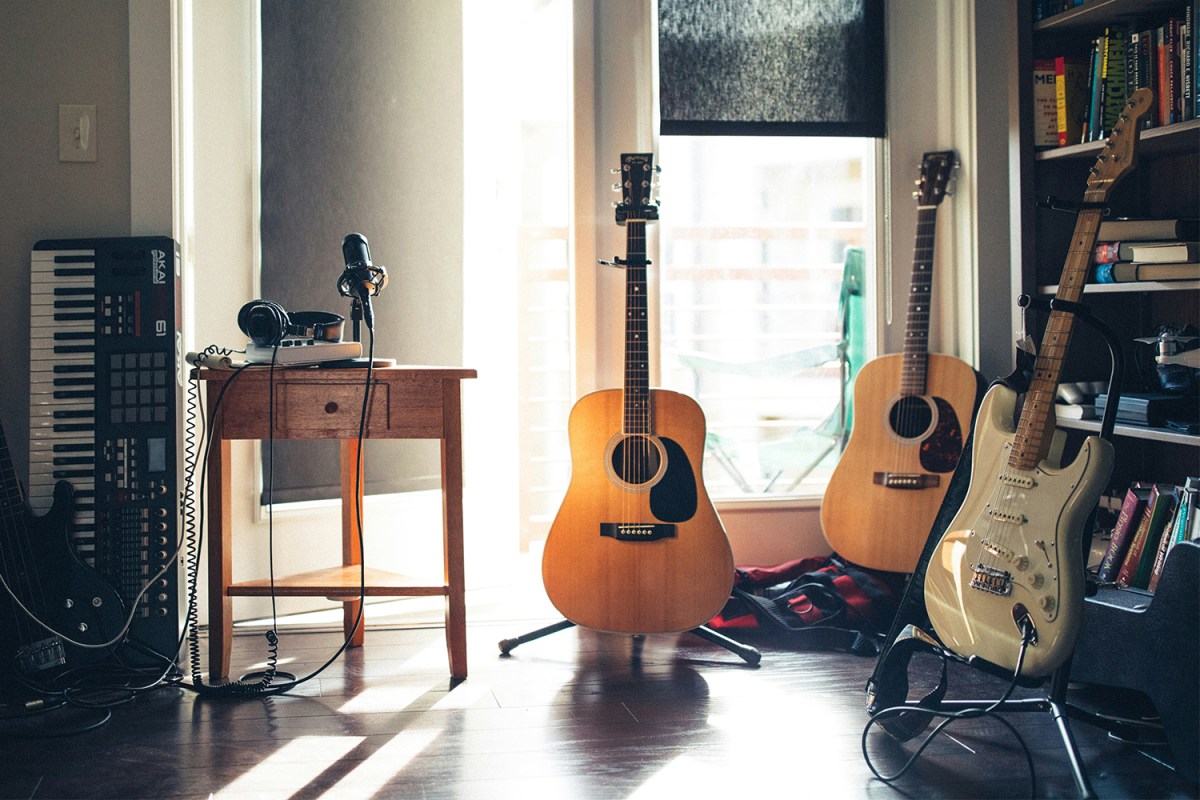
6 hours agoSuno is a music copyright nightmare
Suno's copyright filters can be easily bypassed, allowing users to create AI-generated covers of popular songs without permission.
Hachette remains committed to protecting original creative expression and storytelling. The company requires all submissions to be original to the authors and that the authors disclose whether AI is used during the writing process.
Author Malorie Blackman said the scheme seeks to highlight the imagination, commitment, craft and care taken to produce stories and books which can be enjoyed by everyone. She added: Any creative endeavour requires time, effort, a willingness to learn from mistakes and failure, and a determination to persevere lifelong, essential skills which cannot be learned and honed by allowing AI to do all of our creative thinking and production for us.
Likely in response to the hubbub surrounding the AI-generated banner, KosmicznaPluskwa, a GOG forums user who appears to be a graphic artist working at the company, posted a lengthy response on the store's forums on January 26. And while KosmicznaPluskwa made it clear they aren't a spokesperson for GOG, the artist confirmed that the image people were speculating was machine-created was indeed generated completely using AI tools, something that upset the artist.
On 13 January 2026, Bandcamp published "Keeping Bandcamp Human", declaring that "music and audio that is generated wholly or in substantial part by AI is not permitted on Bandcamp", alongside a strict prohibition on AI-enabled impersonation of other artists or styles. The post invites users to report releases that appear to rely heavily on generative tools, and it explicitly reserves the right to remove music "on suspicion of being AI-generated".
around half of Americans are conservative and they voted for Trump-so if you advertise here then you're reaching around half the US
The about-face is a welcome surprise. Until now, the massive convention - which has become a melting pot of all kinds of pop entertainment beyond the comic medium, with everyone ranging from game developers to movie studios using it as a platform to tease new content - has allowed some AI art to be displayed, so long as it was labeled as such and wasn't for sale, as well as other stipulations that have been in place since at least 2024, according to 404.
Once again, A.I. and human experts are butting heads over the authenticity of a world-famous painting. A Belgian art historian has refuted claims made by Swiss company Art Recognition that two paintings have been falsely attributed to the Northern Renaissance master Jan van Eyck. The paintings in question are versions of Saint Francis of Assisi Receiving the Stigmata (ca. 1428-32) belonging to the Royal Museums of Turin and the Philadelphia Museum of Art.
A few years ago, I put together what I felt was a truly innovative concept, which I presented in a conference poster at an international meeting in my field. After the presentation, I spoke to another early-career scientist about my work and how it might apply to their findings. Two years later, they scooped me by publishing a preprint paper that presented my idea, with many of the same verbal formulations and an identical flow of ideas, without any acknowledgement or attribution to my work.
No, Disney did not release footage of a never-before-seen fight sequence between Marvel's Wolverine and Thanos (spoiler: Thanos won). That clip, which amassed over 142,000 views on X over 48 hours, was created using Seedance 2.0, an AI video generation model that ByteDance debuted last week. The tool created a buzz on social media, where one user made a hyperrealistic AI video of Tom Cruise and Brad Pitt fighting over Jeffrey Epstein.
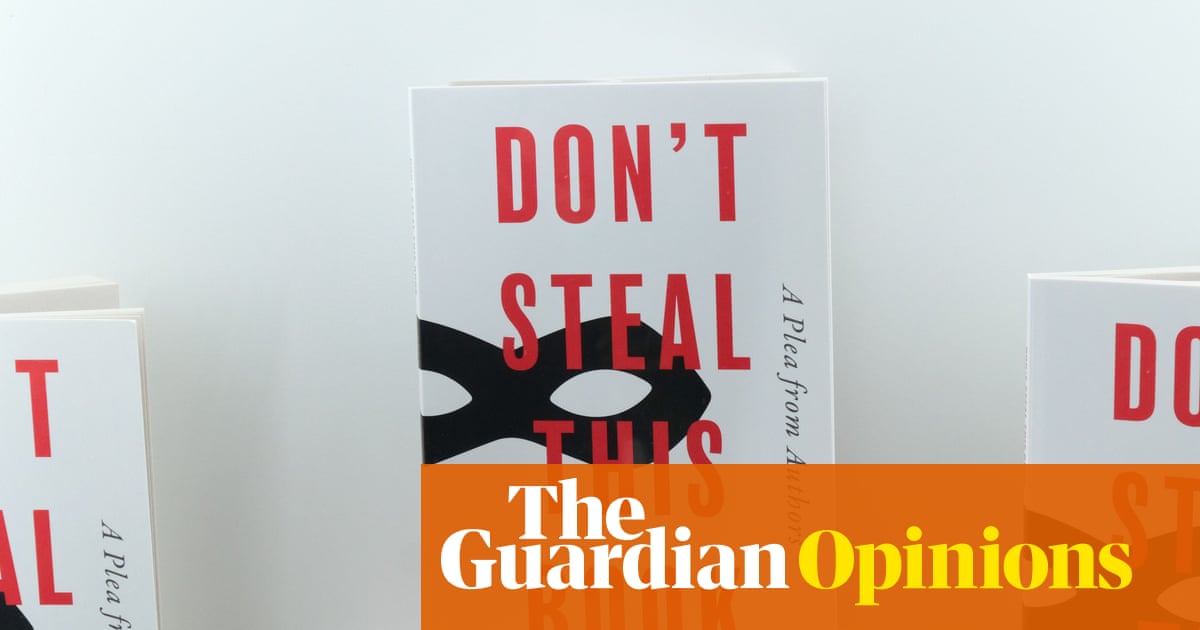
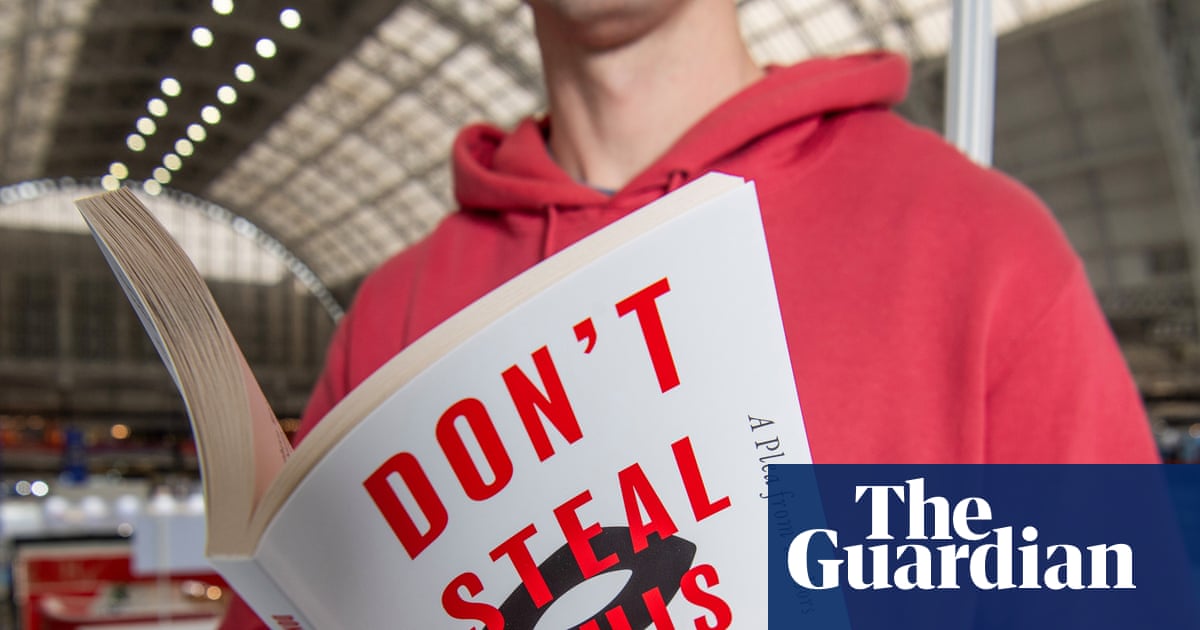
The campaign argues that in the race for dominance in the new GenAI technology, some of the world's wealthiest tech companies, along with private equity-backed ventures, have engaged in a "massive rip-off" of creative content without authorization or compensation. According to the campaign, this practice "imperils U.S. jobs, economic growth and global 'soft power' supported by the U.S. creative industries." The campaign warns that this widespread infringement erodes the foundation of the U.S. entertainment industry and disincentivizes the creation of new works.
Dr. Stephen Thaler, who has been fighting to have his AI machines recognized as both inventors and creators on several fronts for the last few years, has petitioned for rehearing of his case in Thaler v. Perlmutter by the full U.S. Court of Appeals for the D.C. Circuit, which in March affirmed the denial of a copyright application filed by one of Thaler's generative AI systems.