#fatigueschedule
#fatigueschedule
[ follow ]



#burnout
UX design
fromMedium
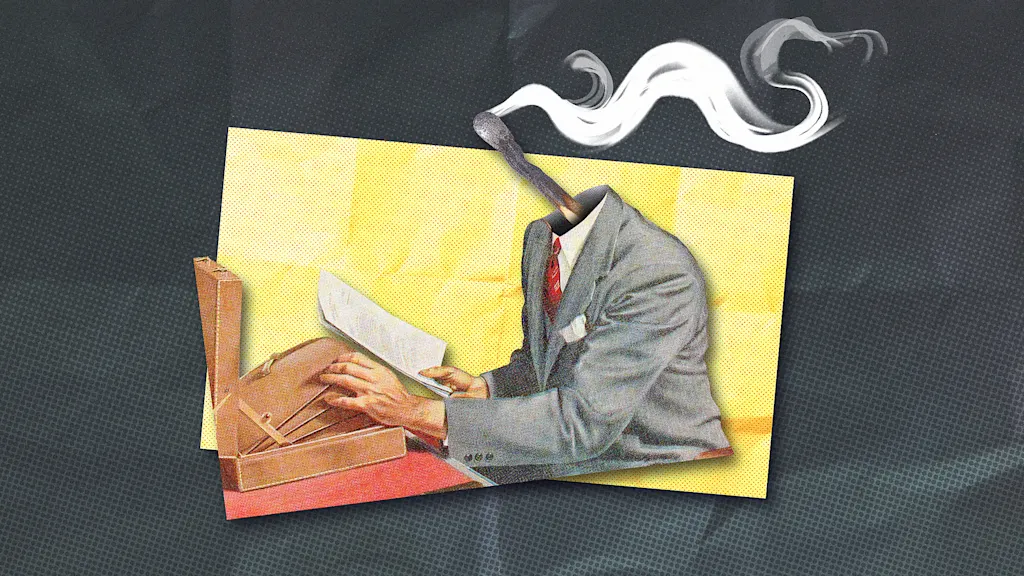
1 day agoDesigners: We are perpetuating our own burnout problem
Design and research roles experience the highest burnout rates in tech, driven by external pressures and internal frameworks that may not support well-being.
Mental health
fromSilicon Canals
1 day agoThere's a specific kind of tiredness that has nothing to do with sleep. It comes from years of translating yourself into a version that other people could handle, and the exhaustion lives in the gap between who you are and who you've been performing so consistently that even you forgot there was a difference. - Silicon Canals
Workplace burnout often stems from the exhaustion of pretending to be someone you're not, rather than from overwork itself.
Productivity
fromSilicon Canals
1 week agoMost companies don't have a burnout problem. They have a system that rewards people who can't stop performing and then acts surprised when those people collapse, because the collapse was always part of the business model. - Silicon Canals
The most dedicated employees may be the most frightened, driven by a culture that rewards overwork and leads to burnout.

Mental health
fromSilicon Canals
1 day agoThere's a specific kind of tiredness that has nothing to do with sleep. It comes from years of translating yourself into a version that other people could handle, and the exhaustion lives in the gap between who you are and who you've been performing so consistently that even you forgot there was a difference. - Silicon Canals
Workplace burnout often stems from the exhaustion of pretending to be someone you're not, rather than from overwork itself.
Productivity
fromSilicon Canals
1 week agoMost companies don't have a burnout problem. They have a system that rewards people who can't stop performing and then acts surprised when those people collapse, because the collapse was always part of the business model. - Silicon Canals
The most dedicated employees may be the most frightened, driven by a culture that rewards overwork and leads to burnout.
Psychology
fromSilicon Canals
6 hours agoPsychology says the most emotionally strong people aren't the ones who never fall apart - they're the ones who fall apart privately, reassemble without fanfare, and never use their recovery as a reason for anyone else to feel guilty - Silicon Canals
Emotional strength involves acknowledging feelings and recovering privately, not denying vulnerability or pretending to be unbreakable.
Psychology
fromSilicon Canals
5 hours agoThe hardest thing about being the calm one in a family is that your steadiness becomes load-bearing. Everyone leans on it, nobody asks what holds it up, and the day you finally crack, people don't comfort you. They panic. Because your collapse threatens the architecture, and the architecture was always more important than you were. - Silicon Canals
The calm family member often bears the burden of emotional labor, managing others' feelings while suppressing their own.
Mindfulness
fromSilicon Canals
13 hours agoPsychology says people who constantly research self-improvement but never start aren't lazy - they've confused the feeling of learning with the feeling of changing - Silicon Canals
Learning about self-improvement can create a false sense of progress without actual change in behavior.
#productivity
Productivity
fromFast Company
2 days agoMany productivity programs solve the wrong problem. This is what leaders should do instead
Organizations face work design problems rather than productivity issues, leading to temporary solutions that fail to address underlying conflicts in problem-solving approaches.


Psychology
fromSilicon Canals
20 hours agoPsychology says the reason older people stop caring isn't emotional withdrawal - it's that they've finally learned to distinguish between what actually matters and what they were only caring about out of social obligation - Silicon Canals
Older individuals prioritize emotional connections over superficial relationships as they age, focusing on what truly matters in their lives.
Psychology
fromSilicon Canals
1 day agoPsychology says people who slowly become unpleasant to be around as they get older didn't develop new flaws - they lost the motivation to manage the old ones, and the management, it turns out, was doing considerably more work than anyone around them understood while it was still running - Silicon Canals
People don't become worse with age; they simply stop managing their flaws as their energy to do so diminishes.



fromEntrepreneur
3 weeks agoBurnout Isn't a Badge - It's a Sign You're Neglecting Yourself
After 40, stress physiology changes. Recovery slows. Hormonal responses linger longer. Sleep disruption compounds more quickly. Cognitive fatigue accumulates across weeks instead of days. Entrepreneurs, in particular, face chronic cognitive load: constant decision-making, emotional responsibility for teams, financial pressure (from investors, shareholders, and stakeholders), unpredictable stress cycles that follow you home to your family.
Miscellaneous
Artificial intelligence
fromFortune
2 weeks agoI run the world's largest employee mental health company. Leaders are treating AI adoption as a tech problem. It's not | Fortune
AI-driven job insecurity causes significant employee anxiety, manifesting as disengagement or burnout, requiring leaders to address this as a people challenge through transparent communication and trust-building rather than treating it solely as a technology issue.
Mental health
fromSilicon Canals
2 days agoSome people don't fear failure. They fear succeeding and then being expected to sustain it, because the version of them that achieved it was running on adrenaline and desperation, and the person who shows up on Monday is someone quieter who doesn't know how to replicate what the emergency produced. - Silicon Canals
The fear of success stems from the pressure to replicate high performance, not from a desire to avoid good outcomes.
Psychology
fromSilicon Canals
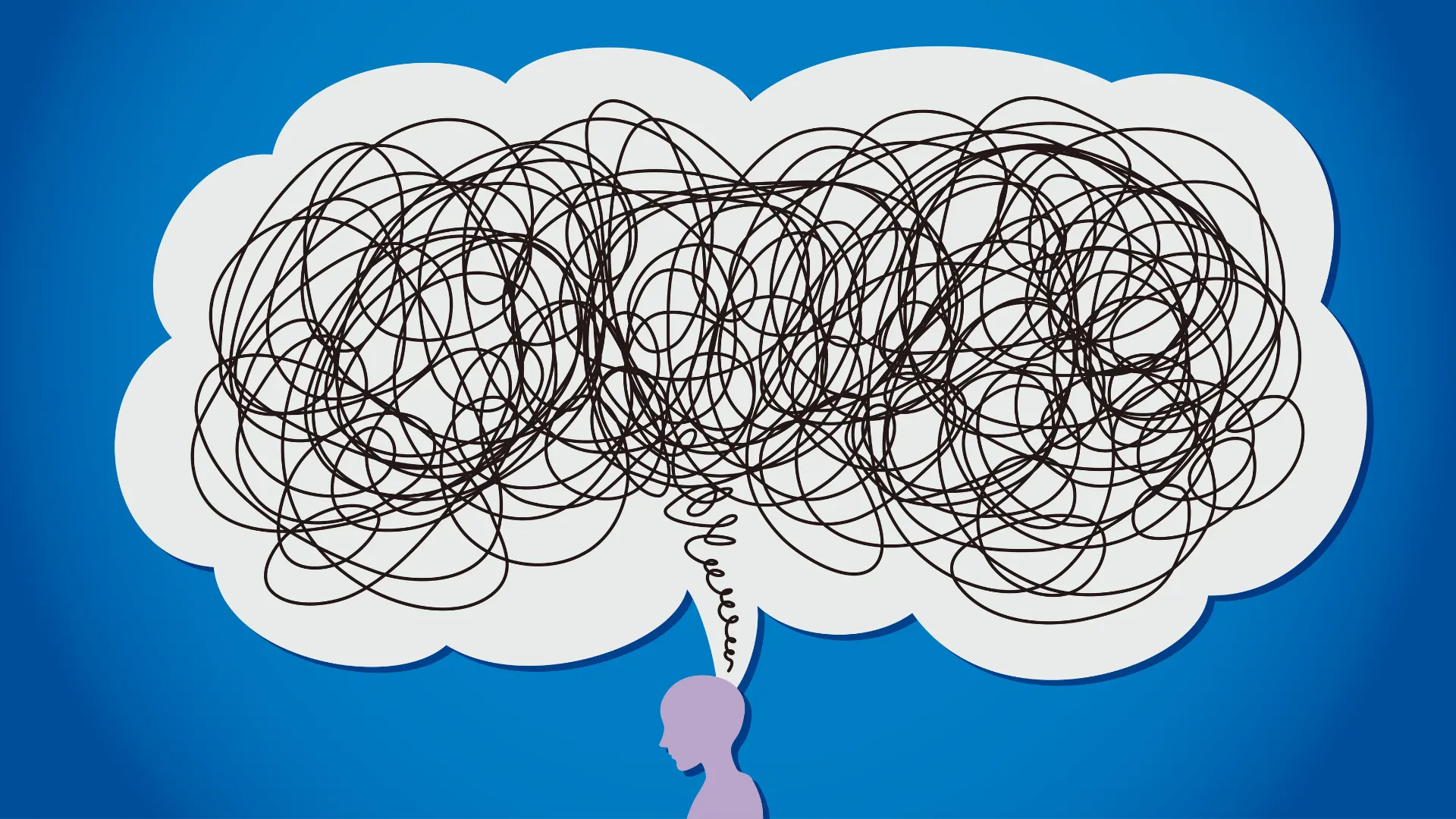
4 days agoI'm 34 and I just realized I've been performing competence at work for seven years because somewhere along the way I confused being impressive with being safe, and the exhaustion I thought was burnout was actually the weight of never once letting anyone see me learn something for the first time. - Silicon Canals
Performing competence can lead to self-erasure and social rewards, masking genuine capability with a polished exterior.
Business
fromEntrepreneur
1 month agoHow Employee Financial Wellness Unlocks Peak Productivity
Business leaders can address affordability and productivity simultaneously by implementing financial wellness programs that help employees achieve long-term financial stability and reduce financial stress-related productivity losses.
fromSlate Magazine
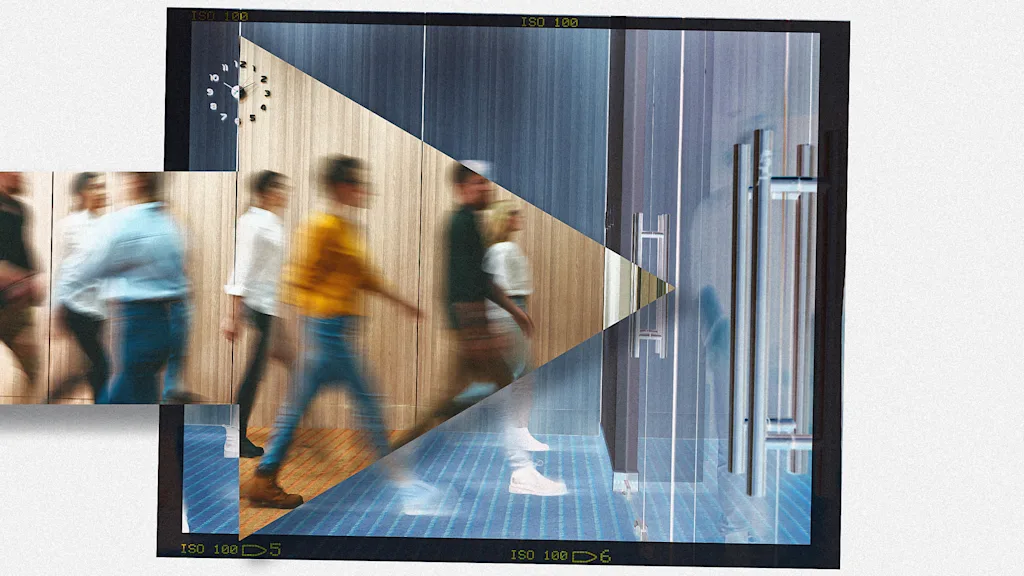
1 month agoMy Co-Worker Is Ignoring a Major Part of Her Health. We're All Worse Off Because of It.
My co-worker, "Alyssa," joined the office a few months ago. As far as I can tell, she is significantly hard of hearing but doesn't use any hearing aid. I've tried to train myself to speak loudly and clearly with her (I have family who are going deaf, I get it), but she still often misses part of what I say.
Miscellaneous

Careers
fromeLearning Industry
2 weeks ago10 Signs Of A Toxic Workplace (And How Employees Can Protect Themselves)
Toxic workplaces develop from unaddressed negative behaviors, poor leadership, and unhealthy practices, manifesting through poor communication, hostile behavior, and lack of transparency that damage employee well-being and productivity.
Mental health
fromFast Company
2 weeks agoHow companies can prioritize the mental health of their employees and take steps to address chronic burnout
Employers must prioritize mental health and foster supportive work environments to address employee burnout caused by external stressors and hustle culture.
fromForbes
1 month agoHow To Improve Your Employees' Focus In The Office
Workplace noise isn't just a nuisance. It's also a stressor and productivity killer, according to a Jabra study from 2024. As someone who likes working in quiet zones, I understand. That's why I recommend leaders spend time considering how their workspace design affects the noise level for their employees.
Remote teams
fromFast Company
1 month agoWhat is 'wellness governance' (and why you should be practicing it)
Being a leader today requires a new level of performance. One that overrides fatigue, can suppress internal signals, and absorbs constant urgency, all while rapidly context-switching. Simply said, modern leadership demands have increased, and not everyone is-or wants to stay-on board. Today's leaders face growing expectations, dynamic responsibilities, and constant pressure to perform amid deep uncertainty and an ever-accelerating business ecosystem.
Wellness
fromScienceAlert
2 months ago5 Easy Tips to Have a Great Day at Work, From a Workplace Psychologist
Most people know what a difficult day at work feels like. It can be tiring, draining and tense, leaving you unable to switch off. But there are also days when work feels lighter and more energising. These good days are not necessarily defined by big wins or major achievements. In fact, they tend to come from harmonious experiences in the workplace that support our psychological needs.
Mental health
fromMacon Telegraph
2 months agoSolving for burnout: 7 strategies to enhance workers' mental health and productivity in 2026
Loneliness and burnout-deeply interwined in the workplace-are hitting American workers (and companies) hard. In 2025, global healthcare firm Cigna found that over half of all employees surveyed felt lonely. Around 57% admitted to feeling unmotivated and stagnant, while two-thirds of full-time workers say they experience burnout on the job, according to a 2025 Gallup study. The financial toll is jaw-dropping. Harvard Business Review reports that loneliness costs U.S. companies up to $154 billion annually through lost productivity, increased burnout, and employees resigning.
Mental health
[ Load more ]