#fiber--gut-health
#fiber--gut-health
[ follow ]
#gut-health #nutrition #gut-microbiome #fiber #diet #digestive-health #probiotics #health #fibre #immune-system




fromIndependent
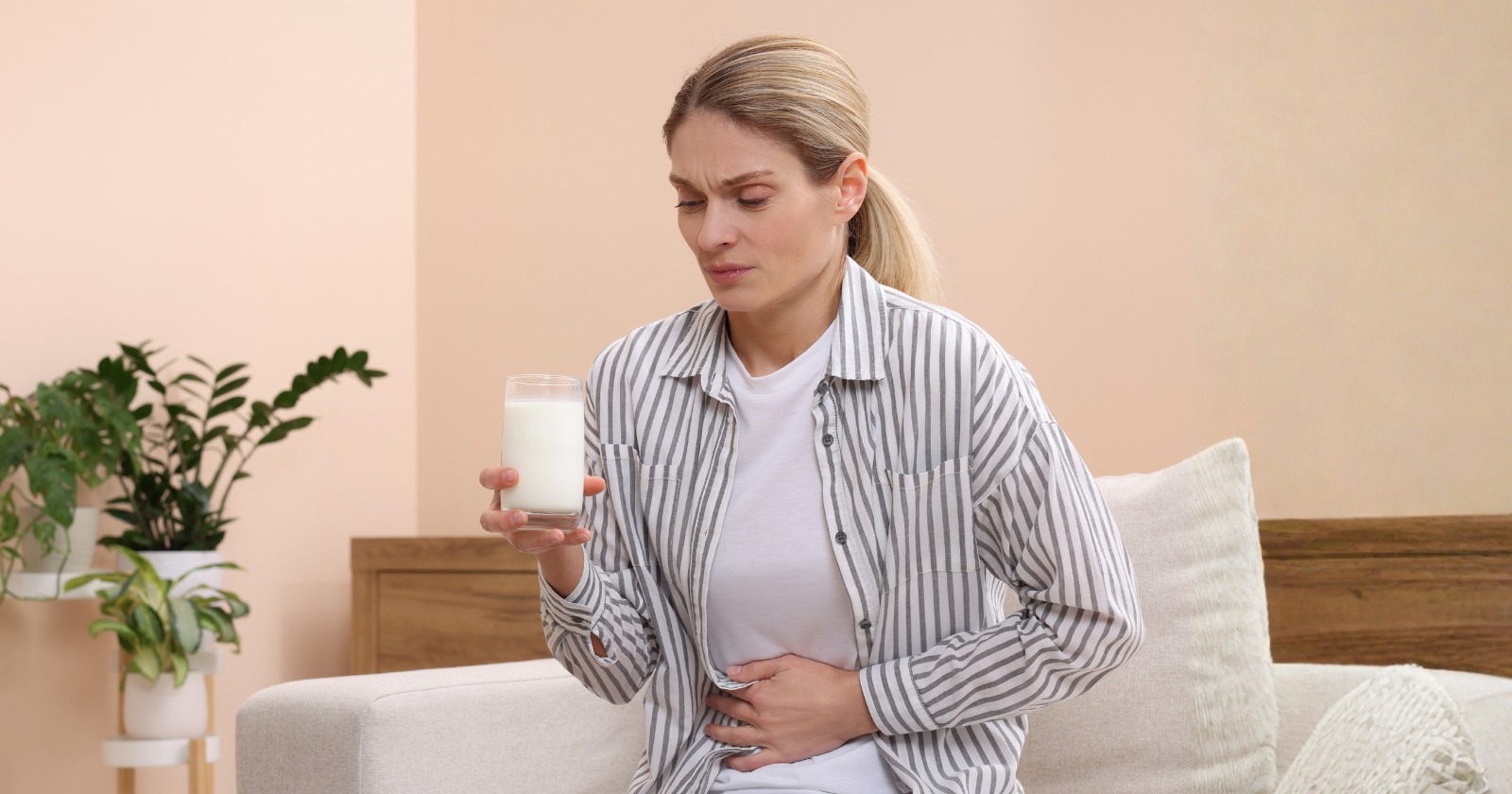
1 week agoEveryone's talking about: The ?'Chinese baddie' diet - what is it and does it improve digestion and banish bloating?
The 'Chinese baddie' diet trend on TikTok humorously highlights various traditional Chinese wellness practices, sparking interest in alternative health approaches among users.
Wellness
#gut-health
Health
fromwww.businessinsider.com
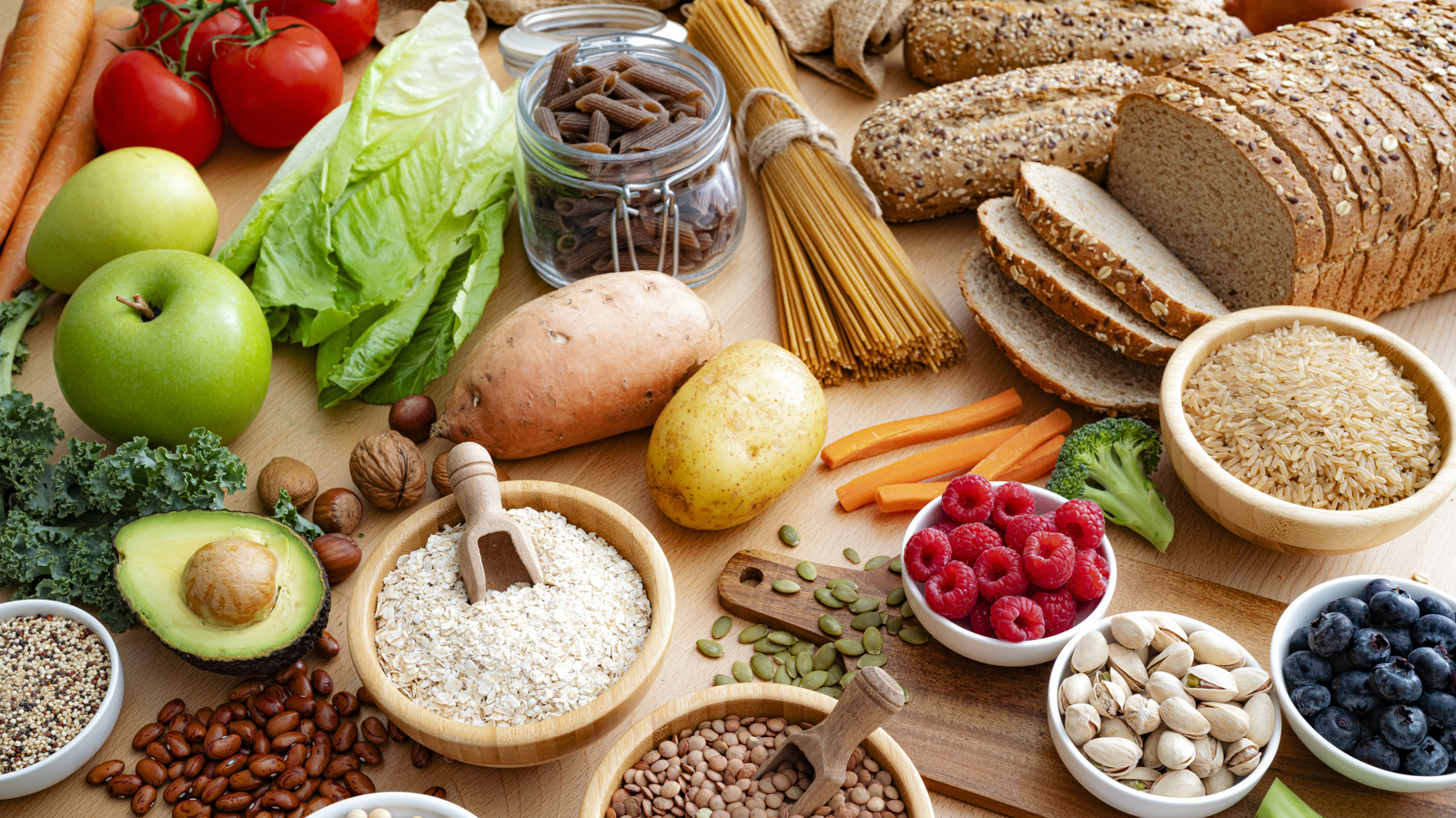
1 week agoHere are 3 tips to reduce your risk of heart disease from a researcher studying the link between cardiovascular and gut health
Maximizing gut health is linked to reducing chronic disease risk, emphasizing plant-based diets and limiting ultra-processed foods.

fromPsychology Today
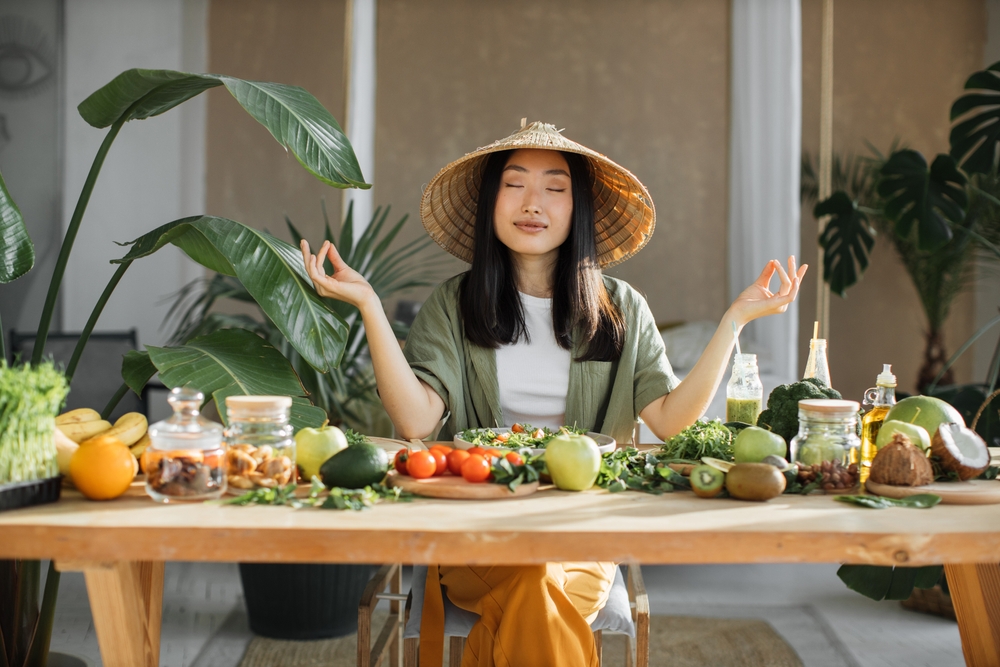
1 month agoIs the Gut-Autism Link Overblown?
The article from the journal argues that the gut-autism axis is a house of cards built on lousy studies with inconsistent data. They assert that the studies are contradictory and that too much emphasis is placed on dubious mouse models. It is notoriously challenging to nail down microbial causes of disease—it is hard enough to simply identify a normal microbiome.
Science
fromwww.scientificamerican.com
3 weeks agoThe gut microbiome may influence brain aging, mouse study suggests
Young, two-month-old lab mice housed with older, 18-month-old mice showed really impaired cognition. Researchers exposed young mice raised in a sterile, microbe-free environment to gut bacteria from old mice, causing the younger animals to perform worse on cognitive tests, as if they had prematurely aged, just like the cohoused mice.
Medicine
fromTasting Table
1 month ago8 Fruits With An Impressively High Fiber Content - Tasting Table
Fiber comes in two forms - soluble and insoluble. The former helps to regulate blood sugar levels in in the body, while the latter promotes healthy digestion by keeping food moving through the gut. Many fruits contain both types of fiber, so incorporating them into your snacks, breakfast bowls, and desserts comes with significant benefits.
SF food
Alternative medicine
fromAlternative Medicine Magazine
1 month agoThe Surprising Benefits of Whole Grains for Gut Health and Immunity
Whole grains retain bran, germ, and endosperm, providing fiber, vitamins, minerals, and antioxidants that support digestive health, gut microbiota, and immune function, unlike refined grains which lose these nutrients during processing.



fromwww.npr.org
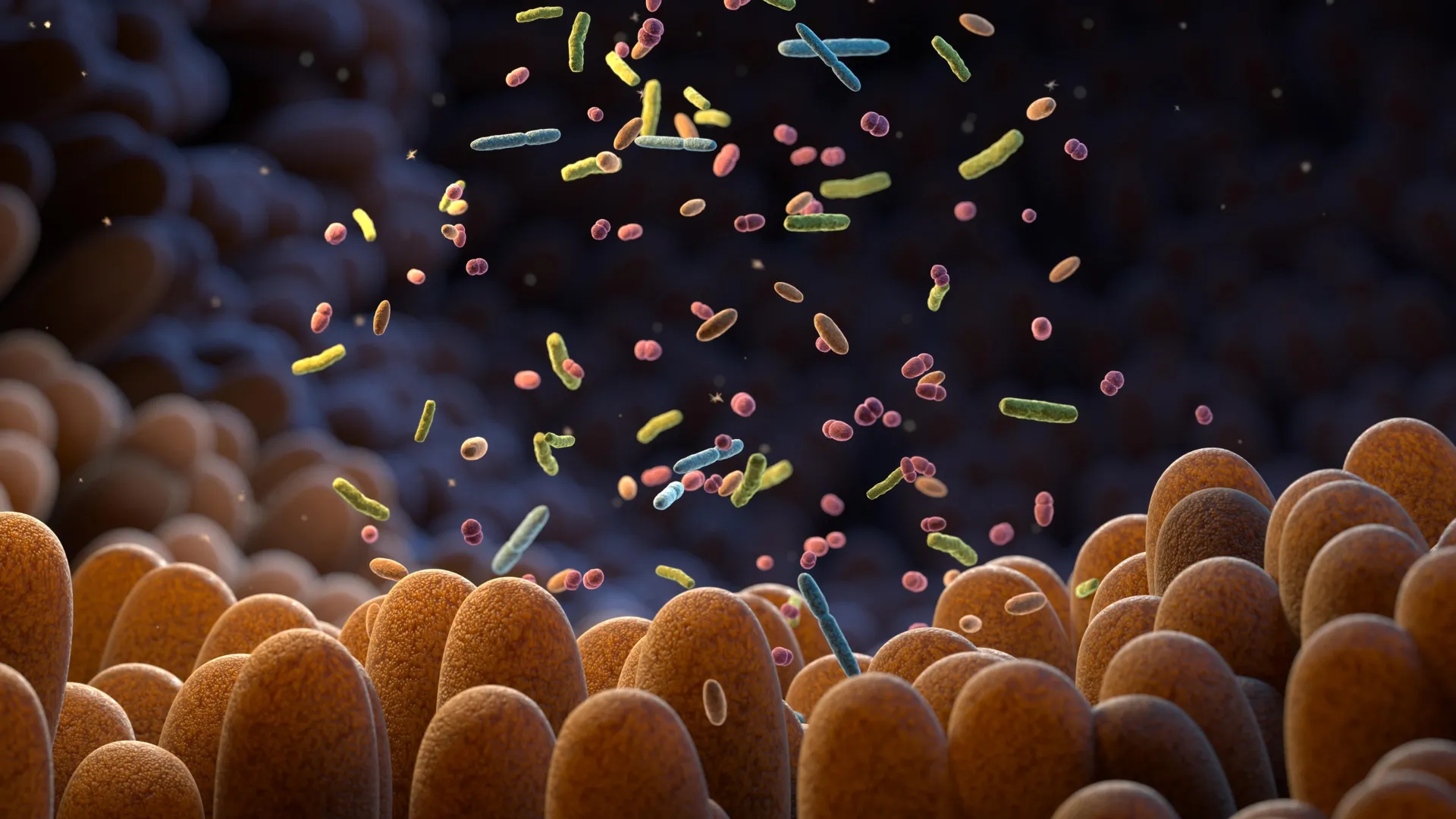
1 month agoScientists find a new clue to help them identify a healthy gut microbiome
There are some communities that are very unhealthy where the diversity is higher. Low diversity is not a universal marker. We found something that at first seemed surprising. That a healthy microbiome has lots of competition. These bugs are all going after the same food. In an unhealthy gut, on the other hand, you see tight cooperation - microorganisms are helping each other out.
Medicine
Everyday cooking
fromBusiness Insider
1 month agoA dietitian, yoga instructor, and mom of 2 shares how she fills up on protein- and fiber-rich foods during her busy days
A busy dietitian prioritizes convenient, flexible whole-foods-focused eating with sustainable changes rather than restrictive diets, emphasizing protein and fiber-rich breakfasts to maintain energy and satiety throughout the day.
fromPsychology Today
1 month agoCould Glial Cells Be the Key to New Schizophrenia Treatments?
Anyone living with schizophrenia understands the true limitations of current treatment options. Antipsychotics remain the single leading treatment for the disorder, and they are riddled with undesirable side effects. Weight gain, tardive dyskinesia, and excessive drowsiness are a few. Much research is devoted to expanding the range of medication options, and few academics have pursued other avenues. However, there is a possibility that treatment for schizophrenia can be approached through cellular methods if long-term research validates early signs of hope.
Mental health
fromScienceDaily
1 month agoJust two days of oatmeal cut bad cholesterol by 10%
Compared with a control group that also reduced calories but did not eat oats, those on the oat based plan saw a markedly greater improvement in their cholesterol levels. The reduction remained noticeable even six weeks later. Researchers also found that the diet changed the balance of bacteria in the gut. Substances produced by these microbes appear to play an important role in the health benefits linked to oats.
Medicine
Alternative medicine
fromwww.scientificamerican.com
1 month agoHelp yourself to stronger immunity
The immune system can be enhanced through science-backed interventions including specific supplements, vaccines, and exercise, with omega-3 fatty acids and curcumin showing evidence of effectiveness while vitamin D proves less beneficial than previously claimed.
fromwww.scientificamerican.com
1 month agoA pair of gut bacteria may cause constipation
Gut bacteria are crucial to ensuring healthy digestion and defecation. But two species of bacteria may also be the cause of constipation: according to a new study, Bacteroides thetaiotaomicron and Akkermansia muciniphila appear to work in concert to break down colonic mucin, the slimy coating in our colons that keeps our poo moving along. Too little mucin means a drier and more constipation-prone colon.
Science
fromwww.theguardian.com
2 months agoDoes it even need to be said? No, you don't need to do a parasite cleanse'
Everything on my Instagram feed at the moment is about worms and parasites, she told the Wall Street Journal, ominously adding: I don't know what the heck is going to come out. Maybe your social media feeds aren't full of posts about worms and parasites, in which case, congratulations. But type parasite cleanse into TikTok or Instagram and you'll be inundated with so-called experts peddling expensive herbal supplements that promise to detox the body and rid it of harmful worms and parasites.
Public health
fromTasting Table
1 month agoStomach Trouble From Cabbage? These Cooking Methods May Help - Tasting Table
The reason cabbage (and beans, for that matter) is a "musical fruit" is a complex sugar known as raffinose. Raffinose is especially hard for the human gut to digest because the small intestine cannot process it. So, by the time it reaches the colon, the bacteria used to break it down release gas that leads to bloating and flatulence. Furthermore, as a cruciferous veggie, cabbage also contains high amounts of sulfuric compounds,
Cooking
fromBusiness Insider
2 months agoA busy dietitian shares what she eats for good gut health
Rachel Swanson, a registered dietitian at LifeSpan Medicine and author of "Trying!: A Science-Backed Plan to Optimize Your Fertility," splits her time between New York City and Miami, spending about half the year in each. She also takes small-group workout classes three times a week, focusing on strength training. She says eating enough nutrients, especially protein for muscle-building, is crucial for her. She generally aims for around 0.7 grams of protein per pound of body weight, the protein intake usually recommended for physically active people.
Food & drink



fromMail Online
1 month agoBlueberries: Why eating a handful a day could lower blood pressure
A humble - and delicious - berry could be the answer to improving your gut, brain and heart health, a major review found last week. Experts have long urged us to eat more blueberries, but thankfully you don't need to be consuming kilos of the superfruit for it to have an impact. Every year Britons consume 57,000 tonnes of the tiny fruits; enough to fill 23 Olympic size swimming pools.
Food & drink
fromTasting Table
1 month ago9 Bedtime Snacks Nutritionists Actually Recommend - Tasting Table
Late-night snacking has had a bad rap for a long time. When pop culture takes a stab at this (very) human thing, it often portrays the scene as pernicious or, at best, distasteful. Combine that with regular condemnation by diet culture and accusatory media headlines that frame after-dinner eating as a moral failing, and it's easy to see why most of us want to steer clear.
Wellness
fromBusiness Insider
1 month agoFiber content is exploding on the internet. It means we're finally owning up to its effects.
The ad leans into the truth about Raisin Bran that, for decades, it tried to obscure with messaging about its plentiful raisin content: This cereal makes you poop. I'll admit: I laughed. I can't deny a good poop joke, and its frankness about the reason some people enjoy bran cereal reminded me of my favorite SNL sketches for " Colon Blow" cereal.
Food & drink

Food & drink
fromSilicon Canals
1 month ago8 immune-boosting foods to eat in February when winter illness rates are highest - Silicon Canals
Eating immune-supporting foods such as citrus and garlic strengthens the immune system during winter, helping offset vitamin D deficiency and increased exposure to indoor pathogens.
fromwww.independent.co.uk
1 month agoHow fasting can dramatically reduce symptoms of stomach condition
Intermittent fasting within an eight-hour window can significantly reduce symptoms of Crohn's disease, a new study has found. Crohn's disease, according to the NHS, is a long-term condition where part of the gut becomes inflamed. It cannot currently be cured and the common symptoms include: diarrhoea, blood or mucus in your poo and stomach pain. Researchers at the University of Calgary found that time-restricted feeding can reduce disease activity by 40 per cent and halve abdominal discomfort in over 12 weeks in people living with Crohn's disease.
Health
fromArs Technica
2 months agoAvoiding ultraprocessed foods supports healthier aging
We compared how participants fared while eating their habitual diets with how they responded to the two diets that were low in ultraprocessed foods. During the periods when participants ate fewer ultraprocessed foods, they naturally consumed fewer calories and lost weight, including total and abdominal body fat. Beyond weight loss, they also showed meaningful improvements in insulin sensitivity, healthier cholesterol levels, fewer signs of inflammation, and favorable changes in hormones that help regulate appetite and metabolism.
Food & drink
[ Load more ]