#field-offices
#field-offices
[ follow ]
#remote-work #return-to-office #hybrid-work #urban-migration #labor-market #employment-trends #layoffs
#remote-work
Remote teams
fromSacramento Bee
4 weeks agoWork from home in California? These 10 state jobs offer remote, hybrid schedules
California state departments continue hiring for remote and hybrid positions through June despite governor's return-to-office order, offering competitive benefits including access to the nation's largest public pension system.

Remote teams
fromSacramento Bee
4 weeks agoWork from home in California? These 10 state jobs offer remote, hybrid schedules
California state departments continue hiring for remote and hybrid positions through June despite governor's return-to-office order, offering competitive benefits including access to the nation's largest public pension system.
fromNextgov.com
1 week agoAgency data leads worry about staff capacity to tackle statutory requirements, survey finds
Among the 189 CDO and other data leader respondents to the annual survey conducted by the nonprofit, nonpartisan Data Foundation, about 40% said they had lost six or more employees last year.
EU data protection
fromHoodline
1 week agoHybrid HQ Shuffle: SC&H Packs Up Sparks, Plants Flag in Hunt Valley
The new headquarters at 226 Schilling Circle, Suite 300, provides roughly 20,000 square feet of workspace, with floor-to-ceiling windows, a cafe, and expanded conference and breakout areas. 'After 19 years in Sparks, we needed a headquarters built for how we work today and where we're headed tomorrow,' CEO Pritpal Kalsi said in the company's release.
Real estate
fromwww.bbc.com
1 week agoCampaigners celebrate after new town plans dropped
Campaigner Aysha Hawcutt stated that residents were 'not anti-homes', but believed the Adlington plan was 'the wrong proposal in the wrong place'. She expressed pride in the community's resilience against the development threats.
London politics
Real estate
fromInc
2 weeks agoWhy Connectivity Is the New 'Location' in Commercial Real Estate
Digital infrastructure and connectivity now rival or surpass traditional location as the primary factor determining real estate value for business properties, with 96% of U.S. business leaders willing to pay premium prices for reliable connectivity.
Higher education
fromBusiness Insider
3 weeks agoI moved 13 times over 15 years to advance my career. I would never wish this on anyone.
Frequent relocations for academic career advancement create emotional exhaustion and disconnection despite professional success, ultimately revealing the psychological cost of mobility.
Parenting
fromBusiness Insider
4 weeks agoI work at a coworking space that has an on-site preschool. It's completely changed my life and my parenting.
A coworking space with on-site childcare solved irregular scheduling challenges, enabling stress-free work while maintaining proximity to a young child.
Startup companies
fromYahoo Life
1 month agoMy city was filling up with digital nomads, so I converted my family home into a business
Hana Nguyen built a coworking business in Da Nang, Vietnam after discovering the concept through a foreign friend, starting in a hotel space before launching her own venture in her family home.
SF politics
fromSacramento Bee
3 weeks agoUnion proposes 100% remote work as California state workers resume negotiations
California state worker unions are negotiating with labor officials over Gov. Newsom's July return-to-office mandate requiring four days weekly in-office work, with unions demanding full telework options and free parking.
Design
fromDwell
3 weeks agoWhat Live/Work Spaces Have Looked Like Through the Ages
Dual-purpose live/work housing has existed for centuries across cultures, with medieval European burgage plots and Japanese machiyas exemplifying how merchants historically integrated commerce and domestic life in single structures.
fromeLearning Industry
1 month agoTop Customer Service Skills Every Employee Needs To Deliver Exceptional Experiences
Customer service skills define how effectively employees represent a brand and resolve customer needs. In every industry, these skills determine whether a business builds loyalty or loses trust. Customers today expect responsiveness, empathy, and accuracy across every touchpoint-from phone calls and chats to social media interactions.
Business intelligence
fromBusiness Matters
1 month agoThe impact of road signs on economic development
When routes are well organized, there are clear directional signs, and speed limits become reasonable. The early installation of warning signs allows transport companies to plan deliveries more accurately and avoid delays. For businesses, time is money. When a truck carrying goods does not spend hours detouring due to an unclear traffic scheme or stuck in traffic where it could have been avoided thanks to competent traffic management, fuel costs, driver wages, and vehicle maintenance costs are reduced.
Alternative transportation




Productivity
fromFast Company
1 month ago5 ways to design better meetings and improve your work calendar
Treat meetings as products requiring intentional design, testing, and optimization rather than default calendar events, transforming organizational productivity and reducing the $1.4 trillion annual cost of ineffective meetings.
Careers
fromFortune
3 weeks agoHR is supposed to design career paths. So why are its own so unclear? | Fortune
HR professionals face unclear career progression and high turnover, with 26% lacking clear paths and 41% considering leaving the field despite HR's role in designing career frameworks for others.
Miscellaneous
fromArchDaily
1 month ago7 Unbuilt Masterplans Reimagining Urban Futures Through Ecology and Collective Space
Unbuilt urban masterplans explore adaptive spatial frameworks that recalibrate mobility, ecology, and collective life through climate-responsive design and public space integration across diverse global contexts.
New York City
fromInc
1 month ago140 Cities in Maine, L.A.'s Olympic Committee, and NYC: The Urban Tool That's About to Change Everything
MIT researchers created the first complete pedestrian activity model for New York City, revealing movement patterns and crash vulnerabilities, applicable to any U.S. city and enabling better infrastructure funding allocation.
Canada news
fromwww.cbc.ca
1 month agoOntario not purchased or leased new space for thousands of returning civil servants | CBC News
Ontario government has not signed new leases or purchased real estate despite mandating 60,000 public servants to return to full-time in-office work, causing space shortages.
fromWGLT
2 weeks agoState Farm to close Corporate HQ and Illinois Operations Center and consolidate Bloomington employees at Corporate South
While we don't know yet what will happen to the Illinois Operations Center or Corporate Headquarters, we will eventually pass back savings to our customers by reducing costs associated with unoccupied space. We simply have too much office space in Bloomington - about double what we need.
Remote teams
#return-to-office-mandates
Remote teams
fromInc
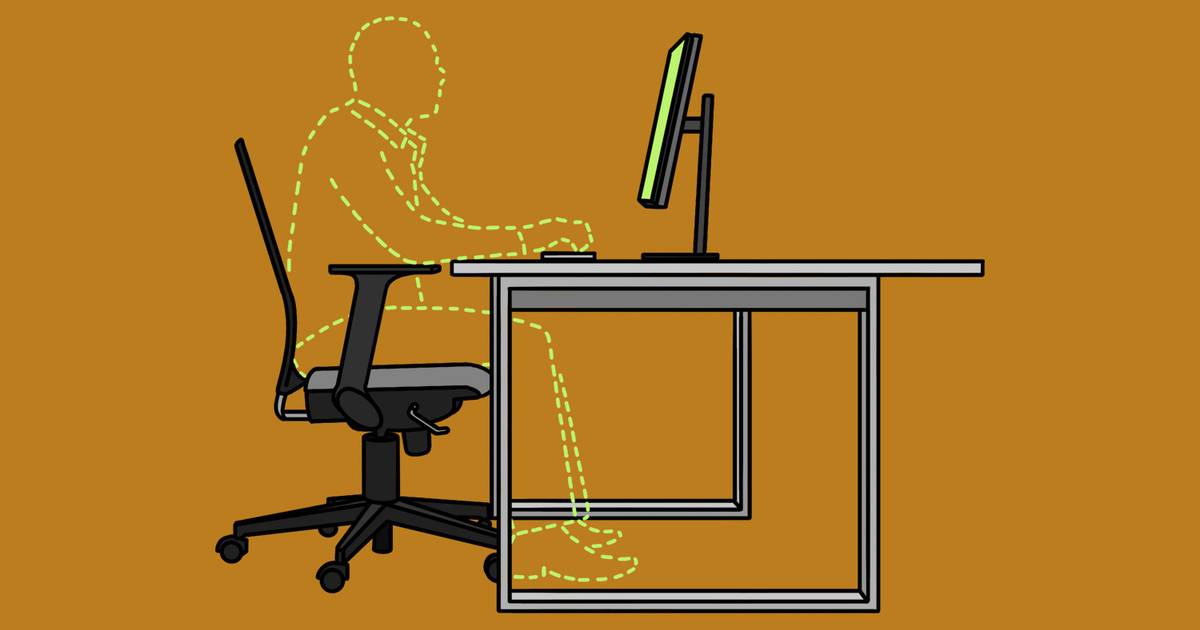
2 weeks agoWorkers Are Returning to the Office-But Their Workspaces Aren't Ready
Companies successfully enforced return-to-office mandates in 2025, but many failed to provide adequately sized or equipped workspaces, forcing employees to improvise workarounds to maintain productivity.
Remote teams
fromwww.hrdive.com
2 weeks agoOffice space must support learning and well-being to attract workers, design firm says
Employees prioritize physical and mental wellness amenities, focused work spaces, and nature access in office design, with reduced resistance to return-to-office policies as job market tightens.
Remote teams
fromEntrepreneur
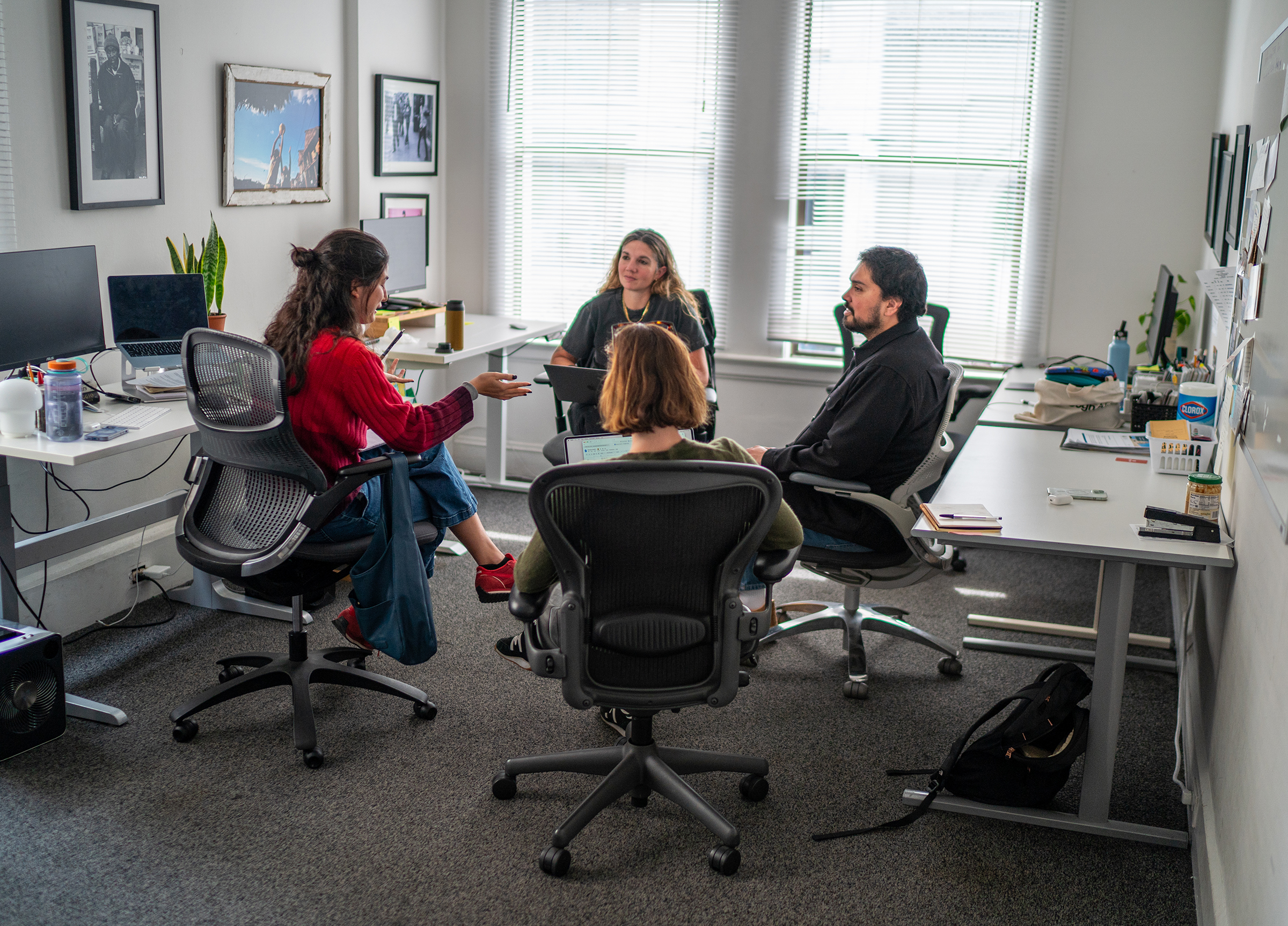
3 weeks agoWhat Hybrid Work Exposes That Office Life Used to Hide
Hybrid work exposes structural gaps in decision rights, escalation paths, and operating norms that previously operated informally through proximity, requiring explicit documentation to maintain execution momentum.

Venture
fromLondon Business News | Londonlovesbusiness.com
2 months agoEOR vs subsidiary setup: How to choose the right expansion model - London Business News | Londonlovesbusiness.com
Choose EOR for rapid, low-risk market entry; use a subsidiary for long-term control and local presence despite higher cost and complexity.


fromArchDaily
1 month agoHealth, Habitat, and Civic Infrastructure: Designing the City as a National Park
Cities around the world share a common goal: to become healthier and greener, supported by civic infrastructure that restores ecosystems and strengthens public life. The question is how to reach this. Global climate targets, local building codes, and municipal standards increasingly guide designers and planners toward better choices. Still, many cities struggle to translate these frameworks into everyday, street-level comfort and long-term ecological protection.
Environment
fromBusiness Facilities Magazine
1 month agoWhy Corporate Real Estate Leaders Are Choosing Secondary Cities - Business Facilities Magazine
C orporate real estate strategy has entered a new phase. Expansion decisions are no longer driven by brand prestige or default gateway markets. Today's environment demands cost discipline, workforce stability, operational resilience, and long-term flexibility. For companies considering expansion or relocation, smaller metros - often called secondary cities - are increasingly landing on the shortlist. Not as compromises. As competitive, strategic options.
Real estate
fromCity Limits
2 months agoOpinion: Why I Support the Monitor Point Project
You don't have to live long in Williamsburg or Greenpoint to know New York is becoming too expensive for working families. Rents are out of control, and far too many of our neighbors are being priced out of the communities they've called home for generations. As president of the Cooper Park Residents Council, I see every day how the housing crisis affects seniors, parents, and young people who are just trying to stay in the city they love.
New York City
fromThe Walrus
2 months agoWelcome Back to the Office. You Won't Get Anything Done | The Walrus
I was twenty years old and a college student, which meant that I was quite useless. I found out that it was one kind of torture to do pointless work for two or three hours a day-usually, producing research memos that no one read-and then another kind of torture to figure out how to do nothing until it was acceptable to leave the office at 5 p.m.
Careers
Real estate
fromwww.housingwire.com
2 months agoFrom military service to the built world: Why construction still struggles with accountability and visibility
Construction mirrors military structure and discipline but lacks integrated systems, causing fragmented data, poor coordination, and risk to budgets, schedules, safety, and trust.
[ Load more ]