#financial-dependency
#financial-dependency
[ follow ]
#personal-finance #financial-anxiety #wealth-inequality #inflation #social-security #financial-advice
fromFortune
18 hours agoMillions of Americans paid billions in tariffs later ruled illegal - and they won't see a dime back | Fortune
Low- and middle-income families and small businesses accounted for well over half of the U.S. population, yet they paid a disproportionate share of their incomes to the government due to IEEPA tariffs.
US Elections
Parenting
fromSilicon Canals
1 day agoI grew up watching my father calculate the tip before we even ordered, and I thought that was just how restaurants worked. It took me twenty years to understand he was running a budget in real time so we could feel normal for an hour without it costing us the week. - Silicon Canals
Working-class childhood is shaped more by the concealment of sacrifice than by deprivation itself.
Psychology
fromSilicon Canals
2 days agoThe hardest part of growing up lower middle class wasn't the lack of money. It was learning to want things quietly, because visible desire in a household running on tight margins felt like an accusation against the people who were already giving everything they had. - Silicon Canals
Emotional training around scarcity shapes behavior in lower middle class childhoods, teaching children to suppress desires to avoid adding stress to their families.
#wealth-tax
Left-wing politics
fromFortune
3 days agoBernie Sanders calls out Bezos, Musk, Bloomberg and Buffett in billionaire tax push: 'The richest people in America have never ever had it so good' | Fortune
Wealth taxes are proposed to address economic inequality and provide financial relief to working Americans.
Relationships
fromSilicon Canals
3 days agoYou know you grew up lower-middle-class if the most stressful sound of your childhood was the phone ringing at dinner - and you understood, before anyone explained it, that some calls meant someone needed something the family didn't quite have, and that understanding became the background noise of every evening for years - Silicon Canals
Growing up lower-middle-class means living with constant worry, always one crisis away from trouble despite appearing fine on the outside.


fromTruthout
6 days agoLow-Income Moms Struggle to Keep Their Families Afloat Amid Gas Price Increases
Luna Rosado, a single mother, has seen her gas expenses rise by $40 weekly due to a 30 percent increase in prices after the war in Iran. This has resulted in $160 less for groceries and other necessities each month, forcing her to constantly adjust her budget.
Washington DC
Careers
fromSilicon Canals
6 days agoThe most profound disconnect between boomers and younger generations isn't about avocado toast or laziness - it's that boomers inherited an economy designed to reward time invested, while millennials and Gen Z are navigating one that rewards attention captured, and the skill sets don't translate - Silicon Canals
Generational tension arises from differing economic realities between baby boomers and younger generations, affecting perceptions of work and success.
Psychology
fromSilicon Canals
2 days agoPsychology says people who grew up poor and became successful often can't fully enjoy it - not because they're ungrateful, but because some part of them never stopped waiting for it to disappear - Silicon Canals
Successful individuals often struggle with feelings of scarcity and anxiety about their financial stability, despite their achievements.
fromFortune
5 days agoMacquarie bets impact investing can fill an Asian financial access gap left by microfinance and commercial banks | Fortune
"The specific barrier is capital," says Lisa George, global head of the Macquarie Group Foundation. "Without access to capital, it's very hard to get social mobility and educational mobility in life."
Fundraising
Parenting
fromFortune
6 days agoTwo-thirds of parents say their adult Gen Z kids still rely on them financially for support-even though it's putting them under strain | Fortune
Many Gen Zers rely on parental financial support, causing strain on both generations' finances amid a challenging job market and high living costs.
fromwww.dw.com
5 days agoWealth tax: Why are countries afraid to tax the ultrarich?
One way is to increase income taxes. There's also the option for an annual or one-off wealth tax on everything someone has above a certain mark. A few governments want to tax extreme wealth to lower taxes on a stagnating middle class or to make up for social inequality.
US Elections
World politics
fromLondon Business News | Londonlovesbusiness.com
20 hours agoWhen monetary policy intersects with Middle East crisis - London Business News | Londonlovesbusiness.com
Monetary policy and geopolitical dynamics are causing significant volatility in the U.S. Dollar Index and Treasury yields, reflecting market corrections rather than structural weaknesses.
#financial-anxiety
fromSilicon Canals
2 weeks agoMental health
There's a specific kind of financial anxiety that has nothing to do with how much money you have. It belongs to people who finally became comfortable but never updated the internal math that was written during scarcity, so every purchase still runs through a threat calculator from 1997. - Silicon Canals
Psychology
fromSilicon Canals
3 days ago9 subtle behaviors that reveal someone grew up in a household where money was discussed in whispers, and why those behaviors persist long after financial security has arrived - Silicon Canals
Financial behaviors are shaped by early experiences and trauma, not just knowledge or information gaps about money.
fromSilicon Canals
1 month agoMental health
The financial anxiety that never goes away no matter how much money you earn is not a mindset problem it's your nervous system still living in the economy you grew up in - Silicon Canals
Financial anxiety stems from somatic nervous system encoding of childhood money experiences, not rational spreadsheet analysis or current financial reality.
Mindfulness
fromSilicon Canals
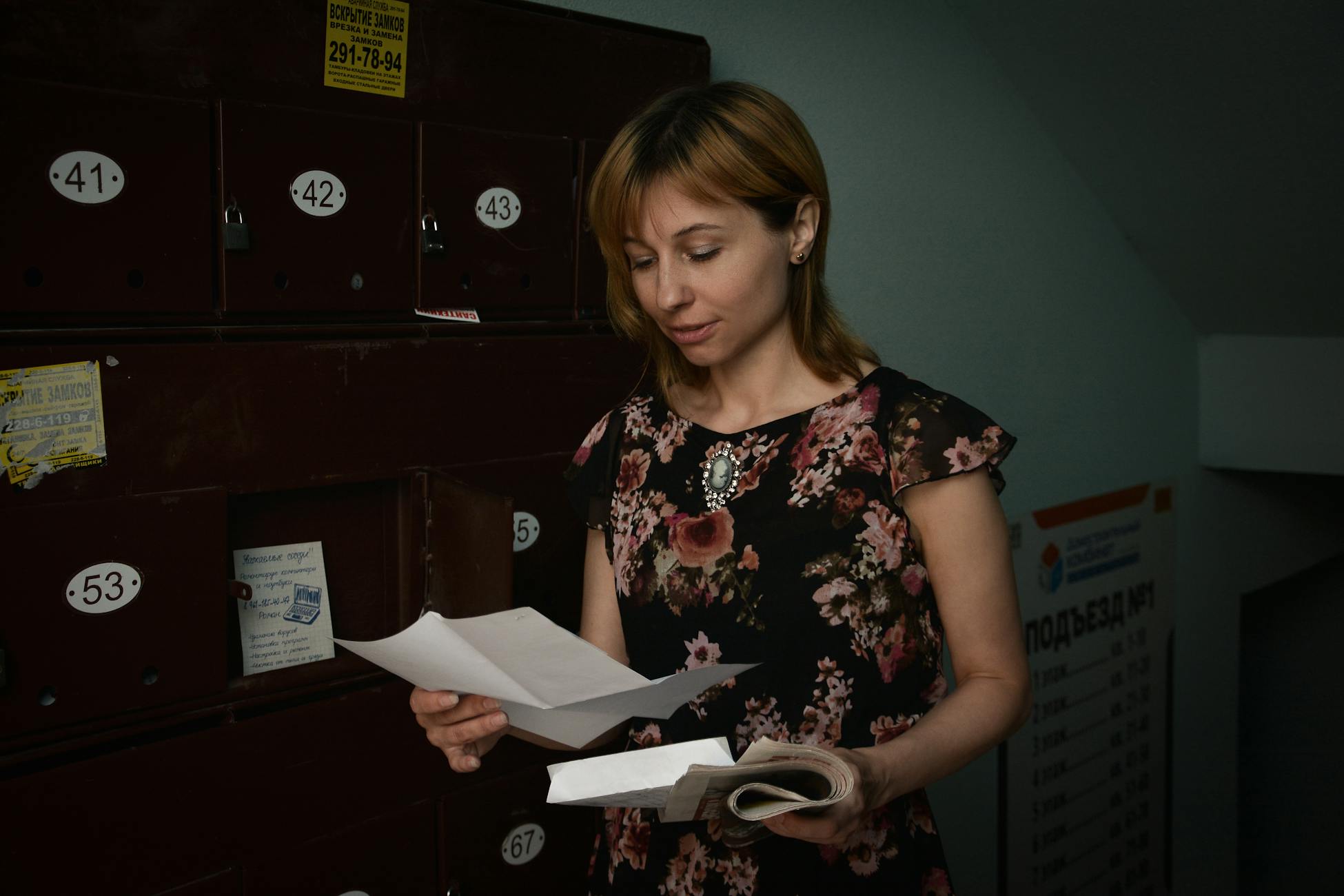
1 week agoPeople who grew up watching their parents check the mailbox with visible anxiety understand something about money that no financial literacy course will ever teach - that scarcity isn't a budget problem, it's a nervous system state - Silicon Canals
Financial anxiety stems from deep-rooted emotional experiences rather than just a lack of knowledge about budgeting or financial concepts.
Mental health
fromSilicon Canals
2 weeks agoThere's a specific kind of financial anxiety that has nothing to do with how much money you have. It belongs to people who finally became comfortable but never updated the internal math that was written during scarcity, so every purchase still runs through a threat calculator from 1997. - Silicon Canals
Financial anxiety often stems from past experiences rather than current financial realities, affecting decision-making even in improved circumstances.
Psychology
fromSilicon Canals
3 days ago9 subtle behaviors that reveal someone grew up in a household where money was discussed in whispers, and why those behaviors persist long after financial security has arrived - Silicon Canals
Financial behaviors are shaped by early experiences and trauma, not just knowledge or information gaps about money.

#personal-finance
Retirement
fromSlate Magazine
2 weeks agoI Feel Like I'm Missing a Trick to Be Financially Comfortable. What Is It?
Building wealth requires time and consistent saving, not shortcuts or tricks.
fromSilicon Canals
2 months agoSilicon Valley
8 habits that seem financially responsible but are actually the exact things keeping lower middle class families stuck forever - Silicon Canals
Many commonly taught 'responsible' money habits—obsessing over small savings, buying cheap items, and prioritizing frugality—sabotage wealth building and income growth.
fromSilicon Canals
1 month agoRetirement
If you do these 7 things to save money, you have a level of financial discipline most people lack - Silicon Canals
Financial discipline requires tracking expenses, automating savings, and choosing sustainable habits that prioritize long-term goals over small, recurring conveniences.


Education
fromSilicon Canals
2 weeks agoNobody teaches you that class isn't about income. It's about which mistakes are survivable. A rich kid's DUI becomes a learning experience. A poor kid's missed rent payment becomes a credit score that follows them for seven years. Same species, different physics. - Silicon Canals
Credit scores reflect structural inequalities, where similar mistakes lead to vastly different consequences based on financial safety nets.
Retirement
fromLondon Business News | Londonlovesbusiness.com
3 days agoEvery time you borrow from a bank, you're paying more than you think - London Business News | Londonlovesbusiness.com
Opportunity cost in loans includes lost potential earnings from repayment dollars, not just the interest rate paid.
Right-wing politics
fromFortune
2 weeks agoEconomists agree: You're not crazy for feeling like the rich get richer, and the poor are doing worse. Welcome to the 'K-shaped economy' | Fortune
The K recovery illustrates a growing economic divide where the wealthy prosper while the poor struggle, echoing historical patterns of inequality.
fromIndependent
4 days ago'If you are using credit cards to take out cash, you need to cut up your card' - money experts share their credit card dos and don'ts
Credit cards can be very dangerous from a financial well-being perspective, if used irresponsibly. The temptation to use one to fund a big holiday or a new sofa that you can't afford can be seriously tempting.
Relationships
Mental health
fromSilicon Canals
2 weeks agoPeople who genuinely understand money but still feel broke aren't bad with finances. They grew up in a system where having enough was redefined every time they relaxed, so their brain permanently registers stability as the moment before loss. - Silicon Canals
Money anxiety stems from childhood experiences of financial instability where relief was followed by new crises, not from financial illiteracy or lack of knowledge.
World politics
fromwww.theguardian.com
5 days agoA third inflationary shock in less than a decade is coming: who will pay the price this time around? | Aditya Chakrabortty
Daniel Yergin highlights the vulnerability of global oil supplies through the Strait of Hormuz and the consequences of military actions against Iran.
Psychology
fromSilicon Canals
6 days agoPeople who grew up calculating whether they could afford both the drink and the entree before anyone else sat down don't stop doing that math when they earn six figures. The arithmetic isn't financial anymore. It's a loyalty ritual to a younger version of themselves who promised never to be caught without an exit. - Silicon Canals
Child poverty in the U.S. leads to adult poverty more than in Denmark, Germany, the UK, or Australia, with lasting effects beyond financial circumstances.
#financial-scarcity
Mental health
fromSilicon Canals
2 weeks agoI grew up lower middle class and the thing nobody understands is that we didn't budget because we were disciplined. We budgeted because we'd already done the math on what happens when the car breaks down in the same month the insurance is due, and that math never leaves your body even after the numbers change. - Silicon Canals
Financial scarcity rewires the body and mind, creating lasting effects on budgeting and spending behaviors rooted in stress and dread.
Psychology
fromSilicon Canals
1 week agoThe most expensive thing about growing up poor isn't what you couldn't afford. It's the decision-making architecture it installs, where every choice runs through a scarcity filter that adds cost to options other people experience as free. - Silicon Canals
Financial scarcity significantly impacts cognitive performance, altering decision-making processes and creating a lasting influence on individuals' choices beyond material deprivation.
fromFortune
2 weeks agoThe K-shaped economy has left many six-figure earners 'on thin ice' as housing costs, lifestyle creep, and the job market put them at risk | Fortune
"The wealthy who are at financial risk are high earners whose lack of budgeting and profligate spending has them overleveraged and exposed. While they appear to be doing well from the outside, they are only a step away from real financial trouble."
Business
Psychology
fromSilicon Canals
1 week ago7 things people raised in lower middle class households still do with money long after they can afford not to, and every single one traces back to a nervous system that learned to count before it learned to rest. - Silicon Canals
Financial habits formed in childhood persist, driven by physiological responses rather than just psychological factors.

fromwww.aljazeera.com
1 month agoWhen money is scarce, every choice counts: Bank, cash, or credit?
I have not touched a paper note for months. I don't even have money to pay for a taxi. Now we walk a lot, for long distances. Palestinians in Gaza use the Israeli currency, the shekel, in their daily transactions, and depend on Israel to supply banks with new banknotes and coins.
World news
Psychology
fromSilicon Canals
3 weeks agoChildren who grew up in homes where money was tight but never discussed openly usually become adults who display these 8 financial behaviors even after they're financially stable - Silicon Canals
Childhood financial experiences, particularly the silence around money struggles, create lasting patterns that influence financial decision-making and behavior throughout adulthood, even after achieving financial stability.
Cooking
fromSilicon Canals
2 months ago10 lower-middle-class behaviors that look ordinary but actually build more security than high incomes - Silicon Canals
Frugal, practical habits—home cooking, repairing items, conserving resources—create durable financial resilience that withstands job loss, recessions, and emergencies.
Silicon Valley
fromSilicon Canals
1 month agoThe 8 money habits that quietly reveal someone grew up in a household where there was never quite enough - Silicon Canals
Childhood financial scarcity creates lasting money habits—mental tallying, stockpiling, hypervigilance, and subtle behavioral patterns that persist despite later financial stability.
Mindfulness
fromSilicon Canals
2 months ago7 things working-class people do with money that wealthy people secretly wish they'd learned - Silicon Canals
Working-class people track every penny, find joy without spending, prioritize essentials, avoid lifestyle inflation, and build financial resilience through discipline and resourcefulness.
Psychology
fromSilicon Canals
1 month agoPsychology says people who grew up poor develop a relationship with money that wealthy people mistake for anxiety - but it's actually a form of hypervigilance that kept their family from catastrophe - Silicon Canals
Growing up with financial instability develops hypervigilance around money as an adaptive survival skill rather than anxiety or dysfunction.
Psychology
fromSilicon Canals
1 month agoWhy people from lower middle class families notice small financial details that wealthier people are completely blind to - Silicon Canals
Financial hypervigilance—heightened attention to money and spending—develops in people raised in lower middle-class households and persists into adulthood, affecting how they monitor expenses and experience anxiety around finances.
Business
fromSlate Magazine
2 months agoI Never Learned the Most Important Money Lesson When I Was Young. Now I'm Dealing With the Difficult Consequences.
Refinance the 38% personal loan and prioritize paying high-interest credit-card balances while improving credit score before applying for debt consolidation.
Business
fromSilicon Canals
1 month ago8 everyday spending choices that quietly keep middle-class households under pressure - Silicon Canals
Small, normalized recurring expenses—especially subscription creep—accumulate into substantial monthly costs that significantly strain middle-class household finances.
[ Load more ]