#finished-wood
#finished-wood
[ follow ]
#interior-design #architecture #furniture-design #sustainability #design #sustainable-design #home-design


#furniture-design

fromYanko Design - Modern Industrial Design News
5 days agoBREMEN Turns a Broom Into a Guitar and a Desk Into a Piano - Yanko Design
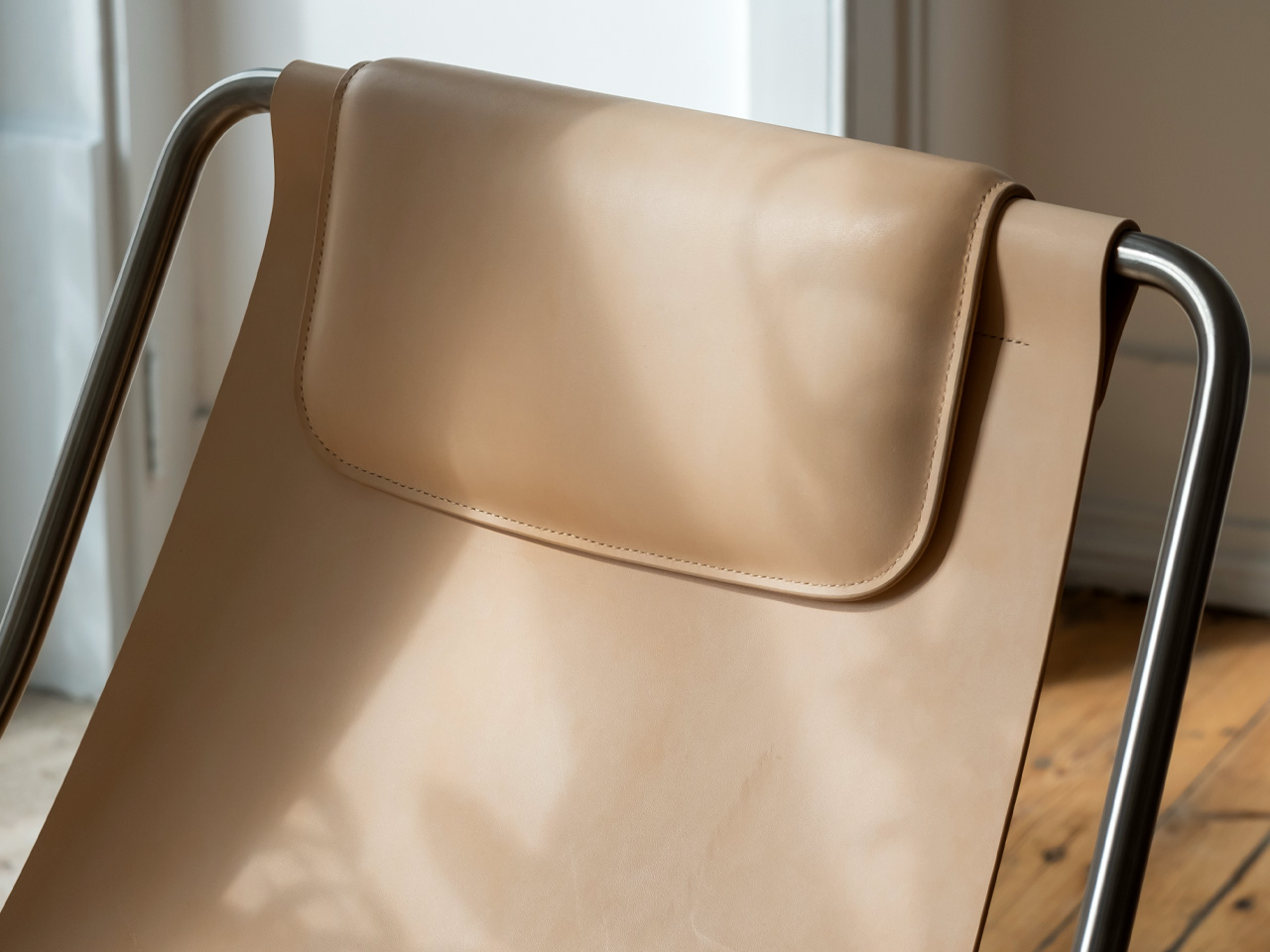
BREMEN is designed to change the way people interact with music by allowing everyday objects to become actual instruments, thus removing traditional barriers to music-making.
Berlin music


fromApartment Therapy
6 days agoEmma Chamberlain's West Elm Collab Is Giving Vintage Energy (It's Made for Small Spaces!)
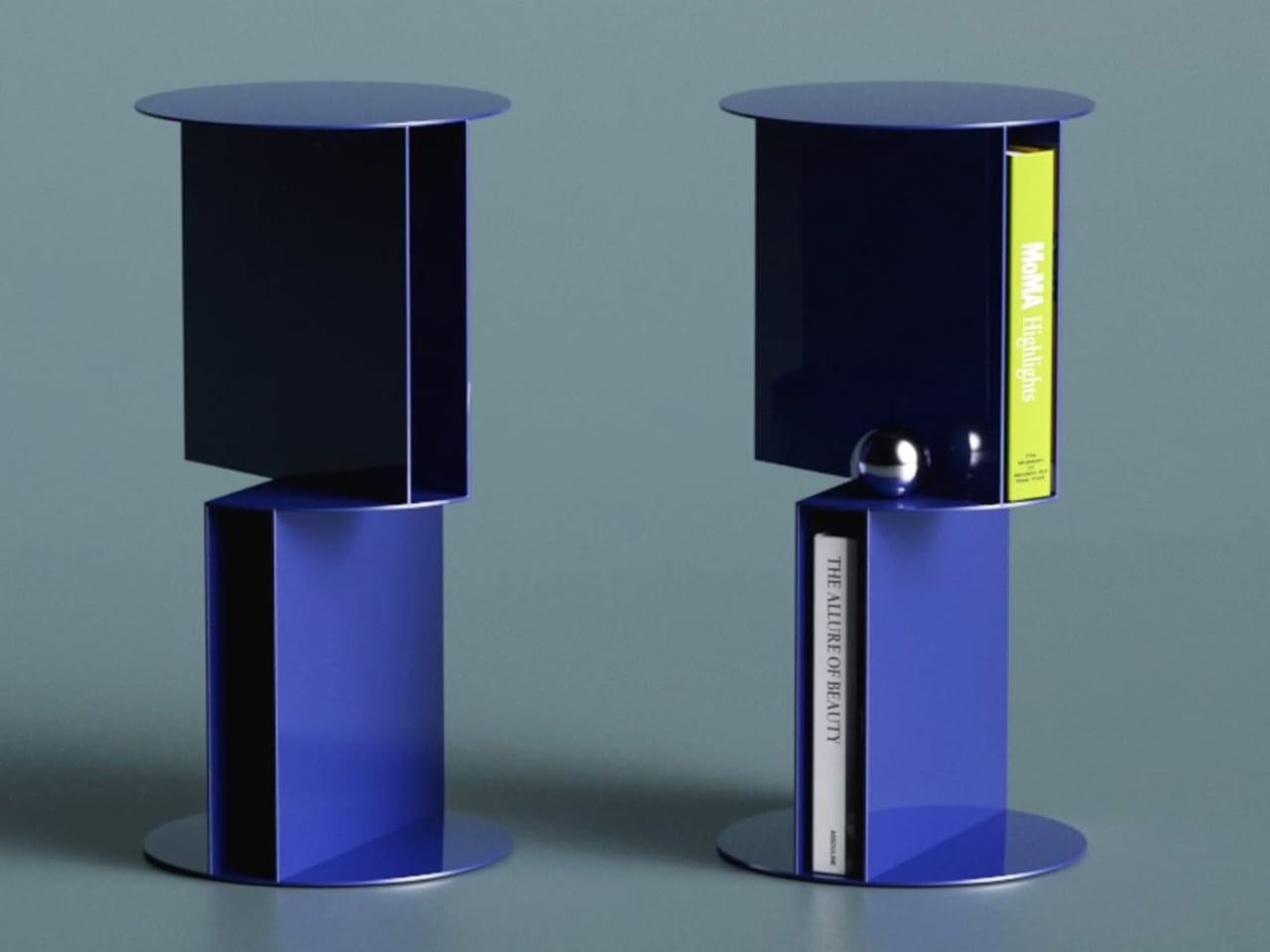
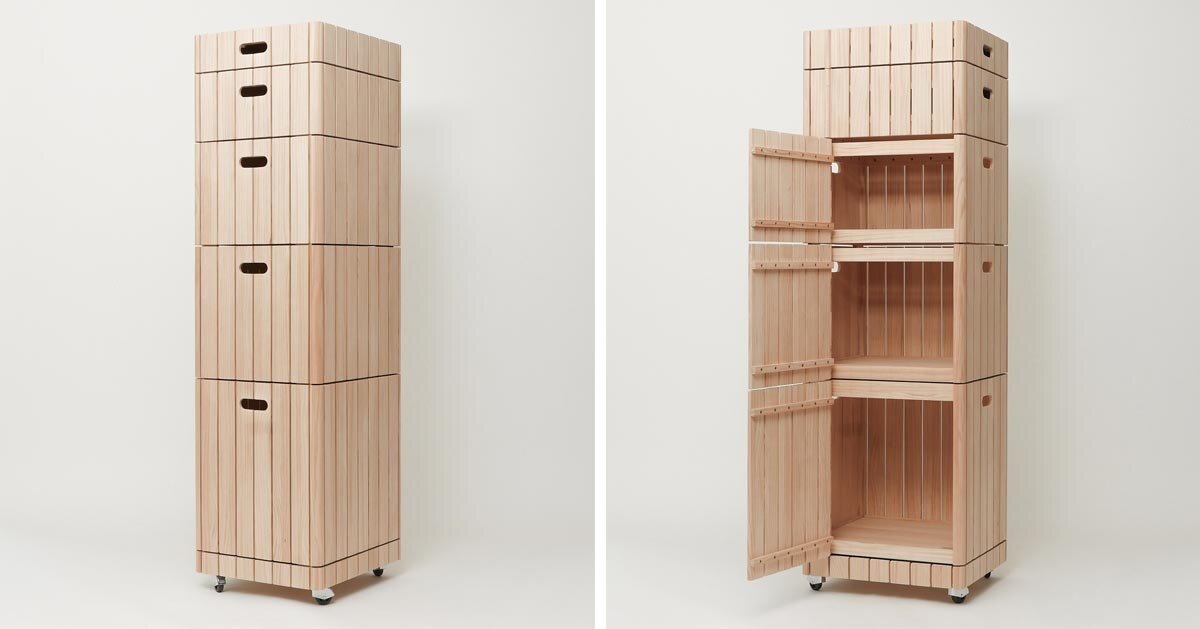
The collection spans several categories in the home, featuring smart storage pieces like the electric lime Lacquer Entryway Storage Pillar and a crescent moon-shaped chair and ottoman set.
E-Commerce
#architecture


Renovation
fromdesignboom | architecture & design magazine
4 days agoarthur casas adapts speculative structure into wood-lined coastal house in brazil
Arthur Casas transforms an unfinished structure into Bravíssima House, integrating it with the landscape and enhancing family living through design and materials.

fromianVisits
3 weeks agoThat dressing gown? It's wood. Inside London's strangest materials exhibition
This is just one item in a display that looks at how wood can be turned into all sorts of things that don't look or feel like wood at all. It's all because wood is a renewable resource and could be a viable replacement for plastics and other oil-based materials.
London
fromLondon Business News | Londonlovesbusiness.com
1 month agoThe best solid wood furniture brands in the UK (2026): Expert reviews and buying guide - London Business News | Londonlovesbusiness.com
Off the Grain works out of Halifax in West Yorkshire, handcrafting every piece to order. Forget flat-pack or particleboard - here, it's all about real materials and genuine expertise. Skilled craftspeople cut, join, and finish each item by hand. You can pick your dimensions, wood, and finish, so the final piece fits your space instead of the other way around.
Real estate
Arts
fromArchDaily
1 month agoBuildFest Introduces "Acts of Construction," a Three-Year Exploration of Timber Installations
Bethel Woods launches BuildFest, a three-year initiative featuring large-scale timber installations and multimedia experiences on the historic 1969 Woodstock festival grounds, organized sequentially around construction, choreography, and performance themes.

fromApartment Therapy
1 month agoA "Heirloom" Solid-Wood Dresser and 8 More Finds Editors Can't Stop Talking About
If you're on the hunt for the most comfortable sofa or a clutter-clearing closet organizer, you can always count on Apartment Therapy editors to dole out thoughtful recommendations (it's what we do!). But how often do you get a glimpse at our personal shopping habits? Covering the latest home, cleaning, storage, and lifestyle finds means we're bound to make discoveries for our own homes along the way.
E-Commerce
#kitchen-renovation
Remodel
fromApartment Therapy
3 weeks agoThis Tiny 143-Square-Foot Kitchen Now Has Room for 6
Kevin and Ian renovated their 11-by-13-foot Door County cottage kitchen by removing upper cabinets, relocating the refrigerator, and adding a bar-height table with drawer storage to maximize functionality for six guests.
fromwww.archdaily.com
3 weeks agoWood House / JAK Architecture
What began as a modest brief for a young and growing family soon evolved into a considered renovation that reimagines an existing Barwon Heads home. The original house had endured several unsympathetic alterations over the years, leaving it disjointed and built to a poor standard.
Renovation
Design
fromYanko Design - Modern Industrial Design News
3 weeks agoBentu Just Built Furniture From Cities That No Longer Exist - Yanko Design
Bentu Design transforms urban demolition rubble into furniture through 3D printing, achieving 85% waste utilization while preserving the physical and cultural memory of demolished communities.
fromApartment Therapy
3 weeks agoThis Trendy Aesthetic Will Define DIY Projects in 2026, According to Michaels' Experts
After years of hyper-polished feeds and showroom-perfect homes, people are embracing the beauty of imperfection. Wabi-sabi spaces celebrate texture, visible brushstrokes, uneven stitching, and layered finishes.
Design
fromTasting Table
2 months ago9 Kitchens That Mix Wood Tones Without Clashing - Tasting Table
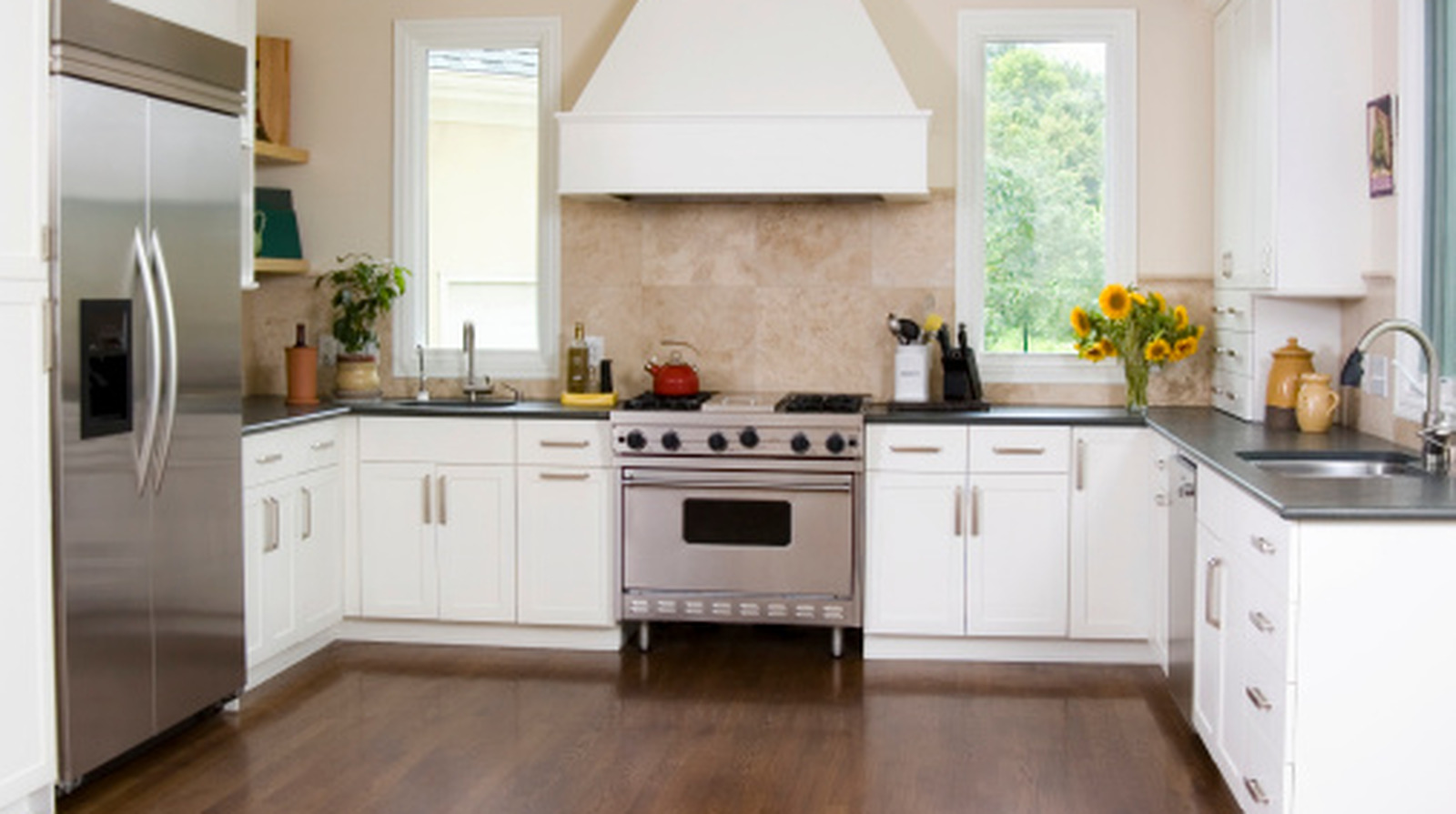
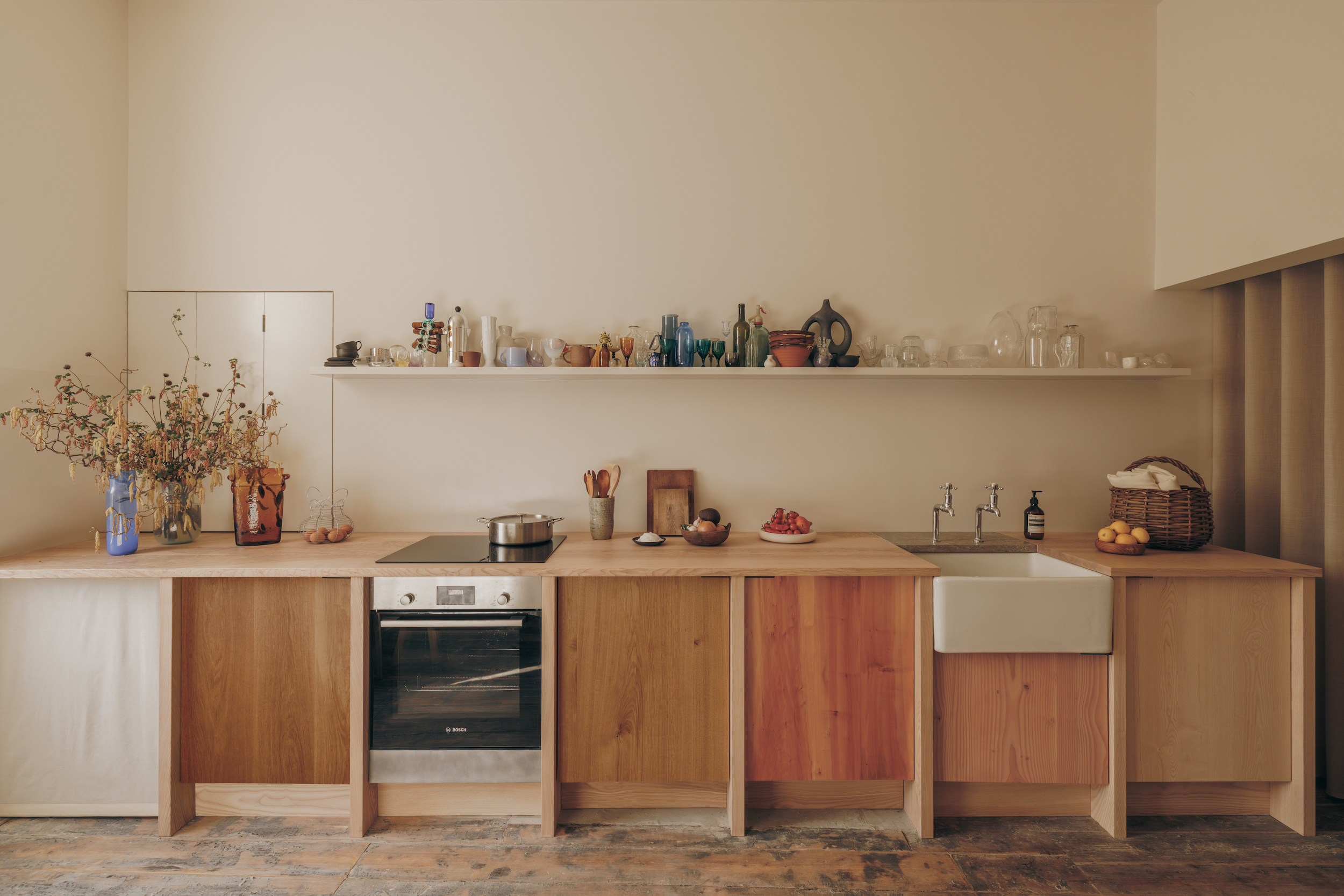
Mixing wood tones can be a bold and rewarding design choice, but the potential for unseemly clashing is real. With a room as important as your kitchen, you want the space to feel inviting, stylish, and functional all at once. Before diving head-first into mixed wood tones, research the different ways to avoid a potentially ugly contrast. Kitchen flooring, backsplashes, cabinets, countertops, and even light fixtures all have the potential to be transformed with a wooden facelift.
Remodel
fromTasting Table
2 months agoWhy Bold And Colorful Lacquer Finishes Are Making A Comeback In Kitchens - Tasting Table
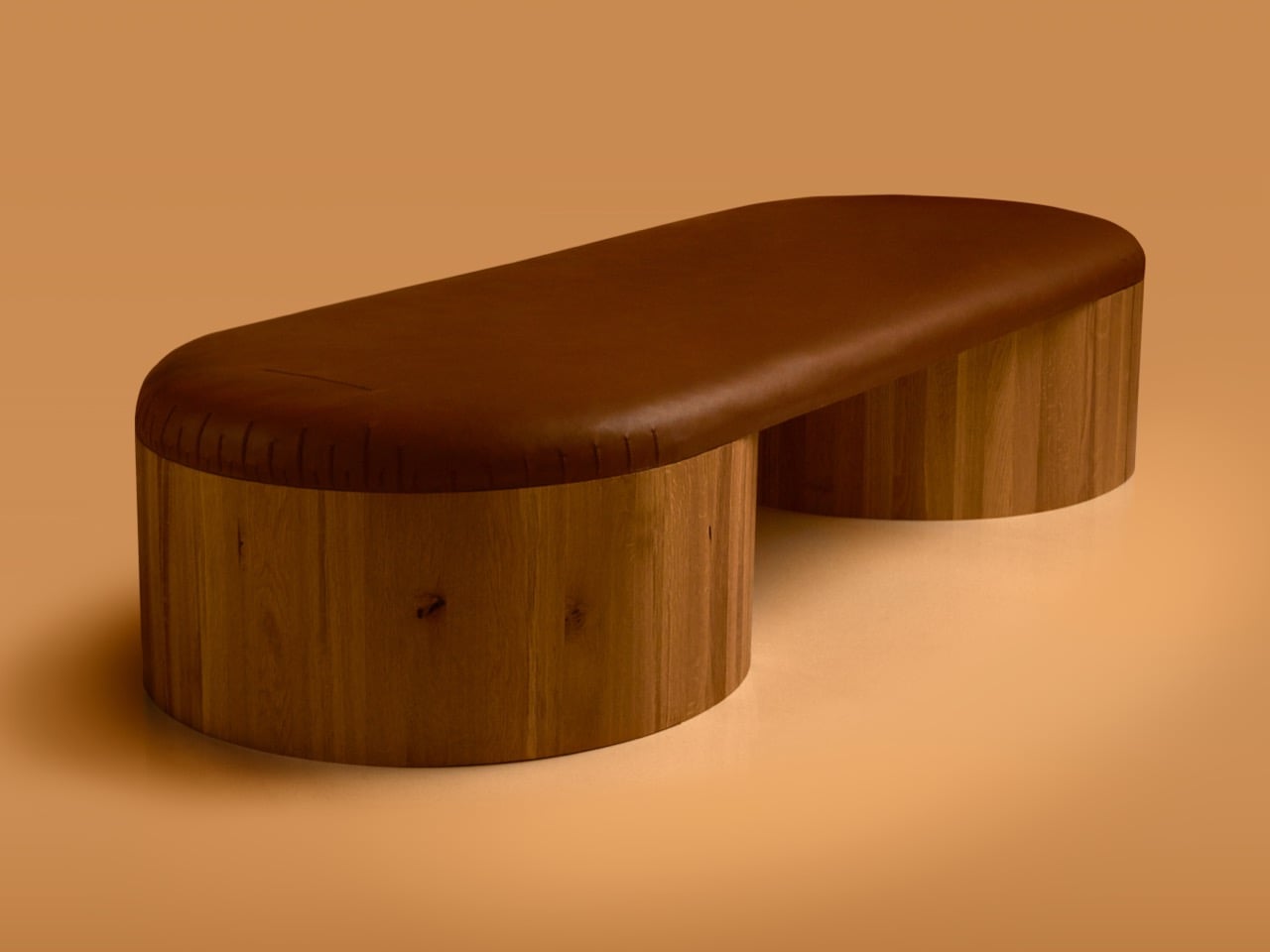
The gloss and color-pop of lacquer is a refreshing alternative - it achieves a playful vibrancy with modern sophistication. There are plenty of perks that come with lacquer finishes, too. For one thing, lacquer can be applied almost anywhere, from an accent kitchen island to your dining table to the material for all of your counters and cabinets. It introduces and strengthens the room's color scheme, also contributes some fresh texture with its sleek, shiny finish.
Remodel
fromBusiness Matters
2 months agoWhy Thermally Modified Timber Has Moved Into the Construction Mainstream
Thermal modification is not a new invention, but its relevance has increased as expectations around performance, sustainability, and predictability have tightened. Developers, architects, and contractors are no longer just asking whether timber looks good or performs well initially. They want to know how it behaves after ten, twenty, or thirty years, and how much risk it introduces into a project once the scaffolding is gone.
Remodel
fromYanko Design - Modern Industrial Design News
2 months agoThis Oak Sideboard Has Doors You Can't Stop Touching - Yanko Design
You know that feeling when you run your fingers across something and the texture makes you stop in your tracks? That's exactly the vibe British furniture maker Nick James is going for with his sideboard featuring sculpted doors. And honestly, it's the kind of piece that makes you rethink what furniture can be. At first glance, it looks like a solid oak sideboard. Clean lines, classic proportions, nothing too flashy.
Design
fromInverse
1 month ago55 Cheap, Highly Rated Things That Make Your Home Look Expensive as Hell
Making your home look expensive doesn't require a renovation budget or a personality transplant. Sometimes it's as simple as swapping out the obvious stuff - the cords, the clutter, the tired textiles - for pieces that look considered and grown-up. Ahead are dozens of cheap, highly rated finds that punch way above their price point and instantly make your space feel more intentional, polished, and expensive as hell.
Design
fromArchDaily
2 months agoFrom Industry to the Living Room: Metal Furniture in Interior Architecture
How did a material conceived for bridges, factories, and large-scale structures make its way to the living room bench, the apartment bookshelf, the café table? For centuries, metal was associated with labor, machinery, and monumentality-from the exposed structures of 19th-century World's Fairs to the productive logic of modern industry. Its presence in domestic interiors is not self-evident but rather a cultural achievement: the transformation of an industrial material into an element of everyday, intimate use, in close proximity to the body.
Design
[ Load more ]