#founder-instinct
#founder-instinct
[ follow ]
#entrepreneurship #venture-capital #ai #leadership #technology #innovation #business-growth #business-strategy
fromwww.businessinsider.com
1 day agoMeta's CTO has some advice for college students wanting to work in tech: 'Constantly be building.'
You just have to immerse yourself in it. You should just constantly be building. That's what's going to give you the best chance of having the relevant skill set that is needed to make a difference in technology.
Education
#entrepreneurship

Silicon Valley food
fromEntrepreneur
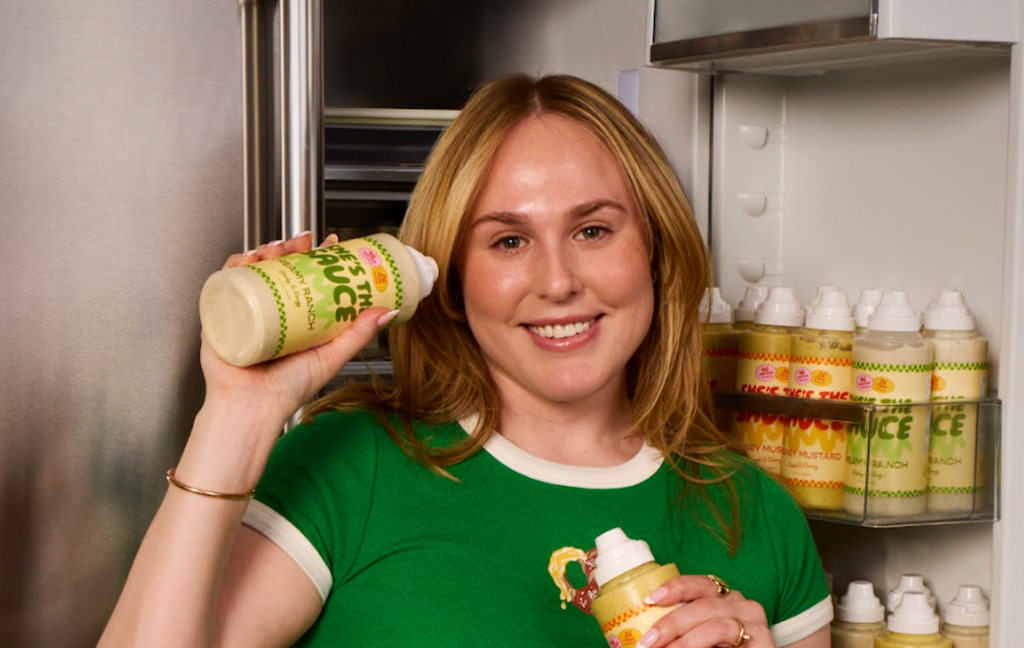
1 day agoThis 30-Year-Old Uber Employee Started a 'Scrappy' Side Hustle in Her Kitchen - It Hit $10K in 48 Hours: 'Never About Chasing a Trend'
Glabman created She's The Sauce to provide functional condiments while managing health issues, achieving $10,000 in revenue within 48 hours.
#silicon-valley
Silicon Valley
fromFortune
1 day agoI helped build Uber and Discord and now my tools help fuel billion-dollar unicorns. But Silicon Valley is losing the AI race to itself | Fortune
Silicon Valley is falling behind in innovation due to slow adaptation to social demands and a focus on preserving existing business models.

Silicon Valley
fromFortune
1 day agoI helped build Uber and Discord and now my tools help fuel billion-dollar unicorns. But Silicon Valley is losing the AI race to itself | Fortune
Silicon Valley is falling behind in innovation due to slow adaptation to social demands and a focus on preserving existing business models.
fromSilicon Canals
18 hours agoI spent a decade building a career I thought I wanted, a house I thought I needed, and a persona I thought would finally make me real - and one Saturday morning over coffee I sat with the quiet certainty that I had built all of it for someone who no longer lived inside me - Silicon Canals
When the person you're pretending to be gets too heavy to carry, you realize that the mask you've worn for so long has become your actual face.
Retirement
#ai
Business
fromFortune
1 day agoLeaders push for a 'Manhattan Project' and public-private solutions around AI and labor | Fortune
AI could create a talent and job crisis, necessitating collaboration between public and private sectors to manage the transition effectively.
#leadership
Careers
fromEntrepreneur
4 days agoNetflix Cofounder Reed Hastings Learned An Unconventional Leadership Lesson From His First Boss, Who Washed Office Coffee Cups At 4:30 A.M.
Reed Hastings learned a leadership lesson from CEO Barry Plotkin, who washed his coffee cups to demonstrate humility and support for his team.
Growth hacking
fromSilicon Canals
2 days agoThe people who look most successful on the outside often have no idea what they're doing - they just learned early that confidence and competence look identical from a distance - Silicon Canals
The gap between perceived success and actual competence is significant, often leading to overconfidence in those with limited knowledge.
fromFast Company
1 month agoWhy I take founders on a 3-mile hike before writing a check
I don't take founders here for exercise. I take them here because the controlled environment of a boardroom practically demands rehearsed answers. The trail does not. I don't prepare a script for these walks. In fact, that's the point. The pitch is already done; I know the metrics. Now I want to know the human.
Philosophy
Careers
fromSlate Magazine
1 month agoI Knew This Trait Was Common Among Start-Up Founders. I Didn't Realize How Debilitating It Would Be for the Rest of Us.
A senior manager at a startup struggles with a founder-boss who prioritizes innovation and new features over resolving current operational crises and team capacity constraints.
Venture
fromFortune
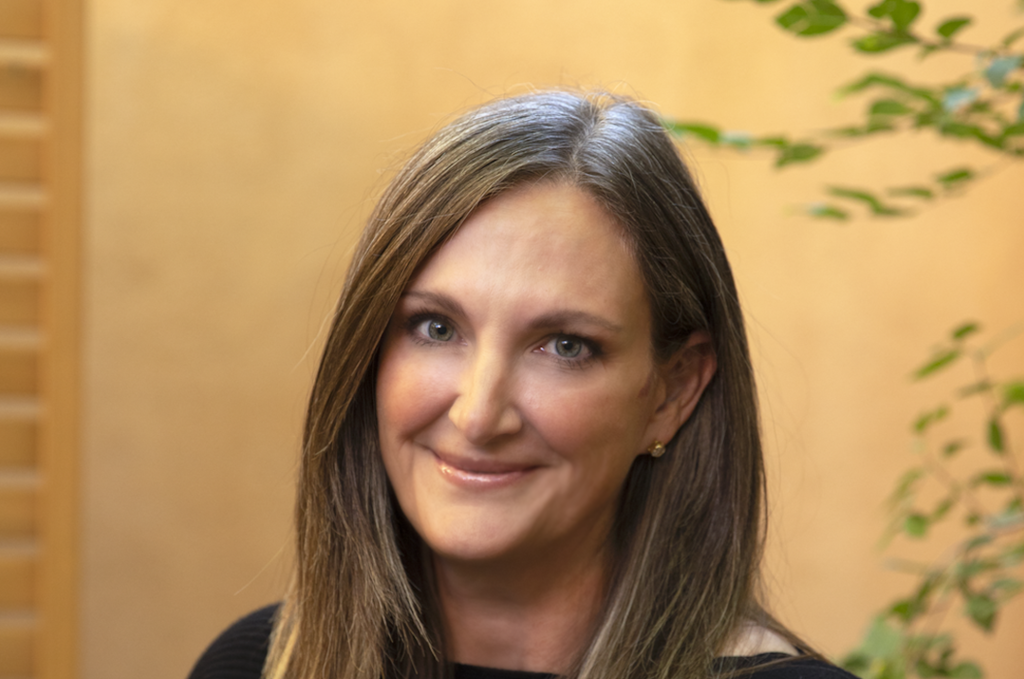
4 weeks agoMeet the breakout VC who goes deep to make a '360-degree' behavioral map before investing in founders | Fortune
Adam Zeplain uses a deeply psychological approach to venture capital, prioritizing understanding founders' character and relationships over traditional financial metrics to predict success.


Startup companies
fromSilicon Canals
1 month agoElon Musk says if you want to build something that matters, stop doing these 6 things most founders refuse to give up - Silicon Canals
Founders limit company potential by micromanaging talented people instead of hiring experts smarter than themselves in specific domains.
fromFast Company
14 years agoDon't Ever Stop Bootstrapping
Here are some ideas in bootstrapping which have been helpful to me, and which I hope will help anyone growing their own organization. 1) Bootstrapping Don't ever stop bootstrapping.My point is, always have your 'skin in the game.' Keep your expenses down. Care about your costs. Don't rest on your laurels ... and keep caring about how that dollar is spent on Day One as Day 2,555 (seven years, which is the average start-up mode).
fromEntrepreneur
2 months agoWhy the Entrepreneurs Who Suffer Early Win Bigger Later
In an era obsessed with shortcuts, overnight success, and polished social media profiles, adversity is often treated as something to avoid. Something unfortunate. Something that signals failure. That assumption is completely wrong. Adversity is not a flaw in the entrepreneurial journey; it is, in fact, the training ground, the pressure that sharpens one's judgment, accelerates their adaptability and forges the kind of resilience no accelerator, MBA or funding round can manufacture.
Venture
fromBusiness Insider
1 month ago3 founders who dropped out of college share the moment they knew it was time
Silicon Valley is having an anti-college moment due to sky-high education fees, AI lowering the barrier to entry for skills like coding, and the shifting political and social landscape. But three young founders who dropped out of college told Business Insider that they weren't motivated by expenses or politics, but by timing. Each spotted an opportunity in the market that they couldn't resist, leading them to quit college and go all in on entrepreneurship.
Startup companies
fromInfoQ
2 months agoThe Technical Founder's Path: Code, Leadership, and Balance
So it was 2020, prime time of COVID, and I was feeling a little bit unsure what I wanted to do with my life. I was still, at the time, sophomore in college, sent home halfway through university. And one of my friends had been sharing that she was working on a mobile app around biking. I basically contacted her. We decided to work together, and from there really grew from working and contributing as an intern, to founding engineer.
Startup companies
[ Load more ]