#steve-jobs
#steve-jobs
[ follow ]
#apple #technology #innovation #history #macintosh #advertising #apple-design #leadership #stanford-university
#apple


Silicon Valley
fromFortune
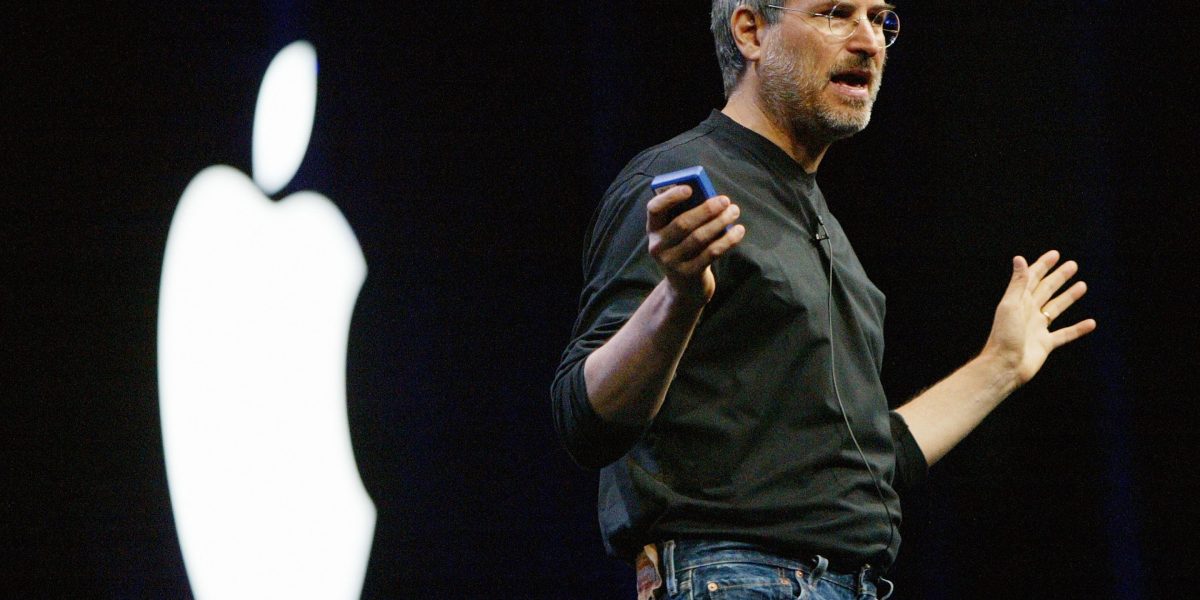
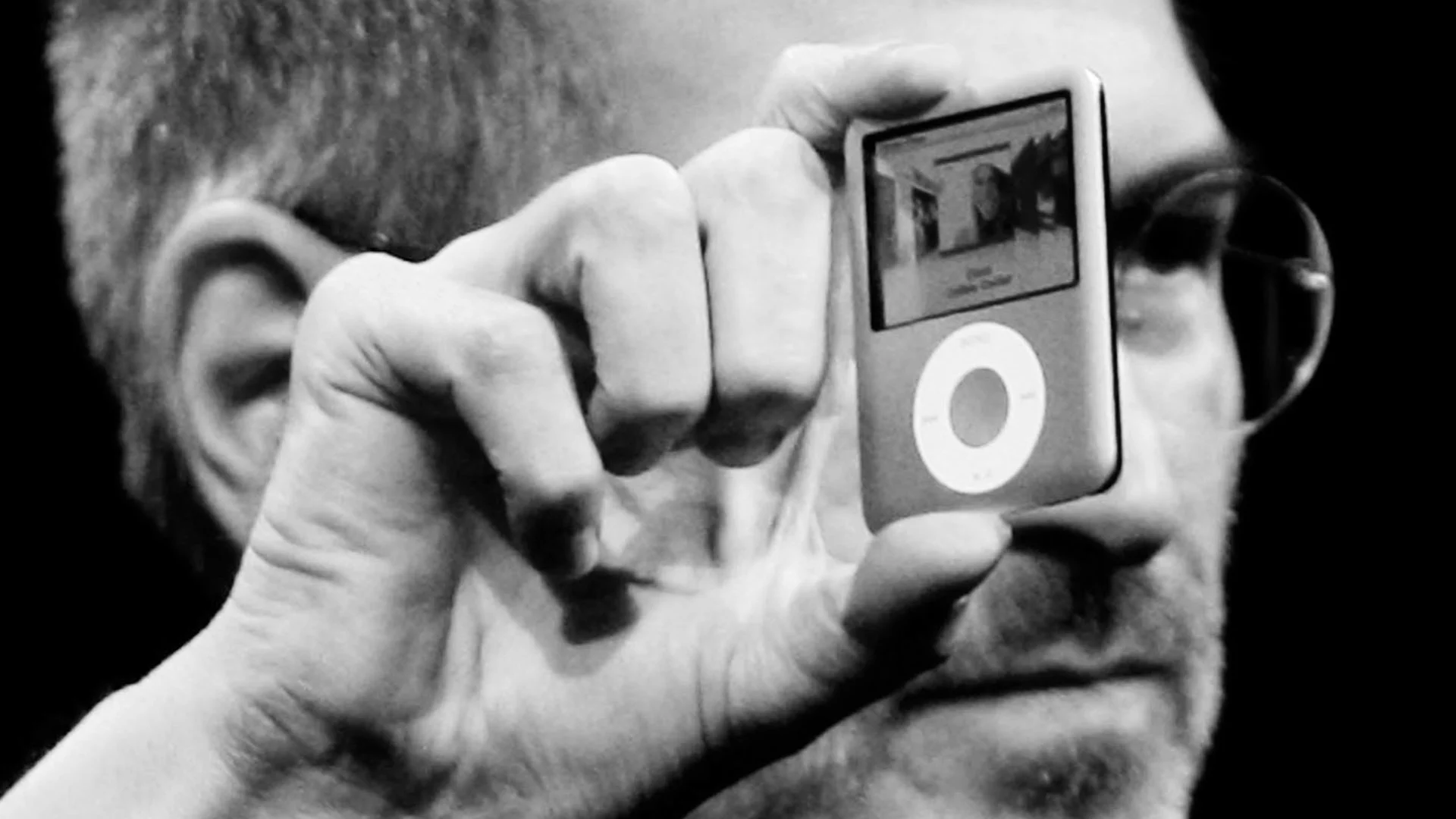
2 days agoSteve Jobs sold his Volkswagen to raise $1,300 for Apple's first computer. He became a millionaire just two years later at 23 | Fortune
Steve Jobs and Steve Wozniak sold personal belongings to fund the creation of Apple, leading to the launch of the Apple I in 1976.
#pixar
Silicon Valley
fromFortune
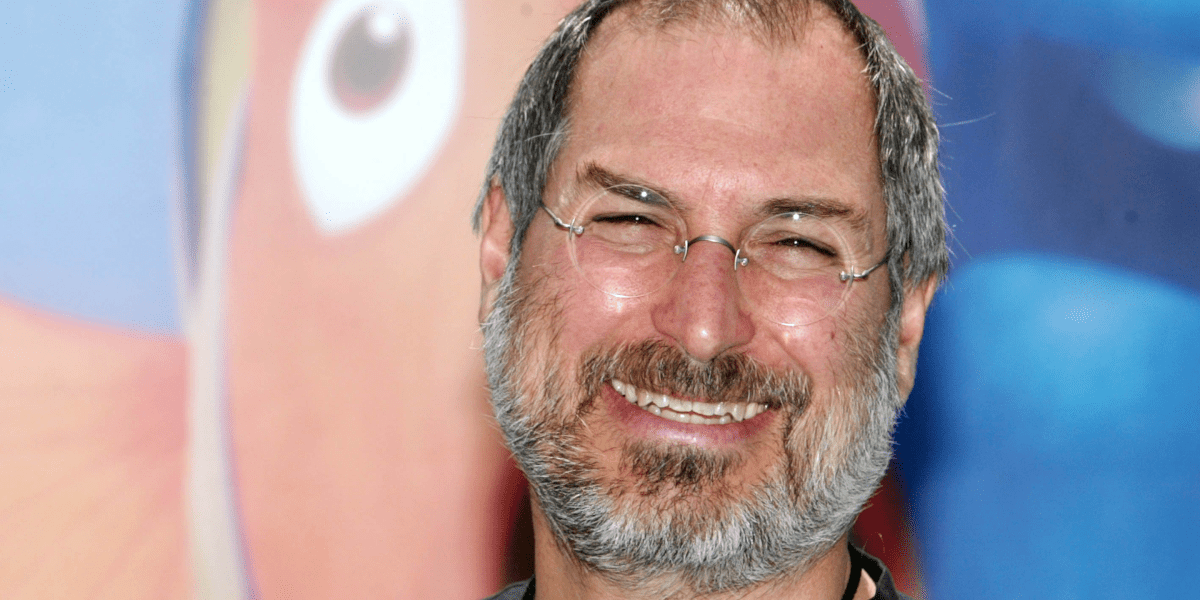
2 days agoSteve Jobs didn't actually become a billionaire thanks to leading Apple-but rather from his work with this film company | Fortune
Steve Jobs' acquisition of Pixar transformed his fortune and revolutionized animated entertainment, culminating in a successful IPO after the release of Toy Story.
fromYanko Design - Modern Industrial Design News
1 week agoOnly 9 People in the World Will Own This iPhone 17 Pro With A Piece of Steve Jobs' Turtleneck On the Back - Yanko Design
The 'Steve Jobs' iPhone 17 Pro contains an authenticated fragment of Jobs' original black turtleneck, sealed inside the chassis beneath a raised titanium logo.
Apple
Apple
fromEntrepreneur
1 month agoHere's What 15 Years of Lunches with Steve Jobs Taught One Apple Insider
Steve Jobs' insatiable curiosity and willingness to learn drove Apple's success, with Jony Ive crediting this mindset as fundamental to designing iconic products and building a trillion-dollar company.
fromFortune
1 month agoFormer Apple exec had lunch with his boss Steve Jobs for 15 years-he says the late founder taught him that learning is more important than being right | Fortune
Being curious and exploring tentative ideas were far more important to Steve than being socially acceptable. For Steve, wanting to learn was far more important than wanting to be right. Our curiosity united us. It formed the basis of our joyful and productive collaboration. I think it also tempered our fear of doing something terrifyingly new.
Apple
Apple
fromFortune
2 months agoInspired by Steve Jobs, New York Stock Exchange's owner says successful leaders surround themselves with smart people-and 'get rid of the stupid ones' | Fortune
Curating talented people and buying existing innovations can scale businesses faster than inventing from scratch, exemplified by Jeffrey Sprecher's growth of Intercontinental Exchange.
fromWIRED
2 months agoSteve Jobs' Early Apple Items Are Going Up for Auction-Along With His Bow Ties
Now Chovanec, who wound up in possession of much of the contents of that bedroom, has consigned a collection of the ephemera to RR Auction for sale. Items include Jobs' desk, its drawers filled with Reed College notebooks and work he did for Atari in the mid-'70s; the Bob Dylan 8-track tapes (and one Joan Baez tape) he listened to incessantly; a set of magazines that Jobs' father kept to commemorate cover stories about his son; Jobs' annotated horoscope generated by an Atari computer;
Apple
fromFortune
3 months agoSteve Jobs sold his Volkswagen to raise $1,300 for Apple's first computer-he became a millionaire just two years later at 23 | Fortune
If it wasn't for a Volkswagen bus and a calculator, Apple might never have existed. At the time, late cofounder Steve Jobs was in his early 20s and strapped for cash, but hooked on the idea that everyone should be able to own a home computer. The only problem? Like many founders, he didn't have enough money to bring his vision to life.
Apple
Apple
fromFortune
3 months agoApple's Steve Jobs told students to never 'settle' in their careers: 'If you haven't found it yet, keep looking' | Fortune
Loving your work enables sustained excellence and resilience, exemplified by Steve Jobs' return from setbacks to build Apple into a multitrillion-dollar company.
fromFortune
5 months agoSteve and Me (Fortune, 2011) | Fortune
And while it is true that Jobs was as charismatic as Clooney and as manipulative as Machiavelli, the legend we helped him construct served many purposes beyond pumping up his own ego. He was an irresistible force who knew that in order to bring to market the amazing technological wonders that bubbled in his imagination, he also had to become the Svengali of the digital revolution that was to be the hallmark of his generation.
Silicon Valley
Apple
fromFortune
5 months agoCorning CEO says Steve Jobs pressured him into making all the screens for the first iPhone: 'Do you know what your biggest problem is? You're afraid' | Fortune
Steve Jobs pressured Corning's CEO to overcome capacity fears and rapidly scale Gorilla Glass manufacturing to meet the iPhone's launch timeline.

E-Commerce
fromFortune
9 months agoZillow's CEO ditched Microsoft for a 'money-losing real estate startup'-and credits his career success to Steve Jobs' Apple App Store launch
Jeremy Wacksman transitioned from Microsoft to Zillow amid a housing crisis, leading the company to a $17 billion market cap over 15 years.
fromHackernoon
4 years agoReality Is Flexible: You Just Have to Believe | HackerNoon
The world is a very malleable place. If you know what you want, and you go for it with maximum energy and drive and passion, the world will often reconfigure itself around you much more quickly and easily than you would think.
Growth hacking
[ Load more ]