#funding-and-infrastructure
#funding-and-infrastructure
[ follow ]
#new-york-city #city-council #transportation #affordable-housing #housing-development #transportation-policy
fromFast Company
5 days agoHow Paris redesigned itself to be a city of bikes-not cars
"This project is symbolic of what we've done over the last 12 years, reshaping the streets and the city," Christophe Najovski, the city's deputy mayor in charge of green spaces, stated during the opening ceremony.
Paris food
Non-profit organizations
fromStreetsblog New York City
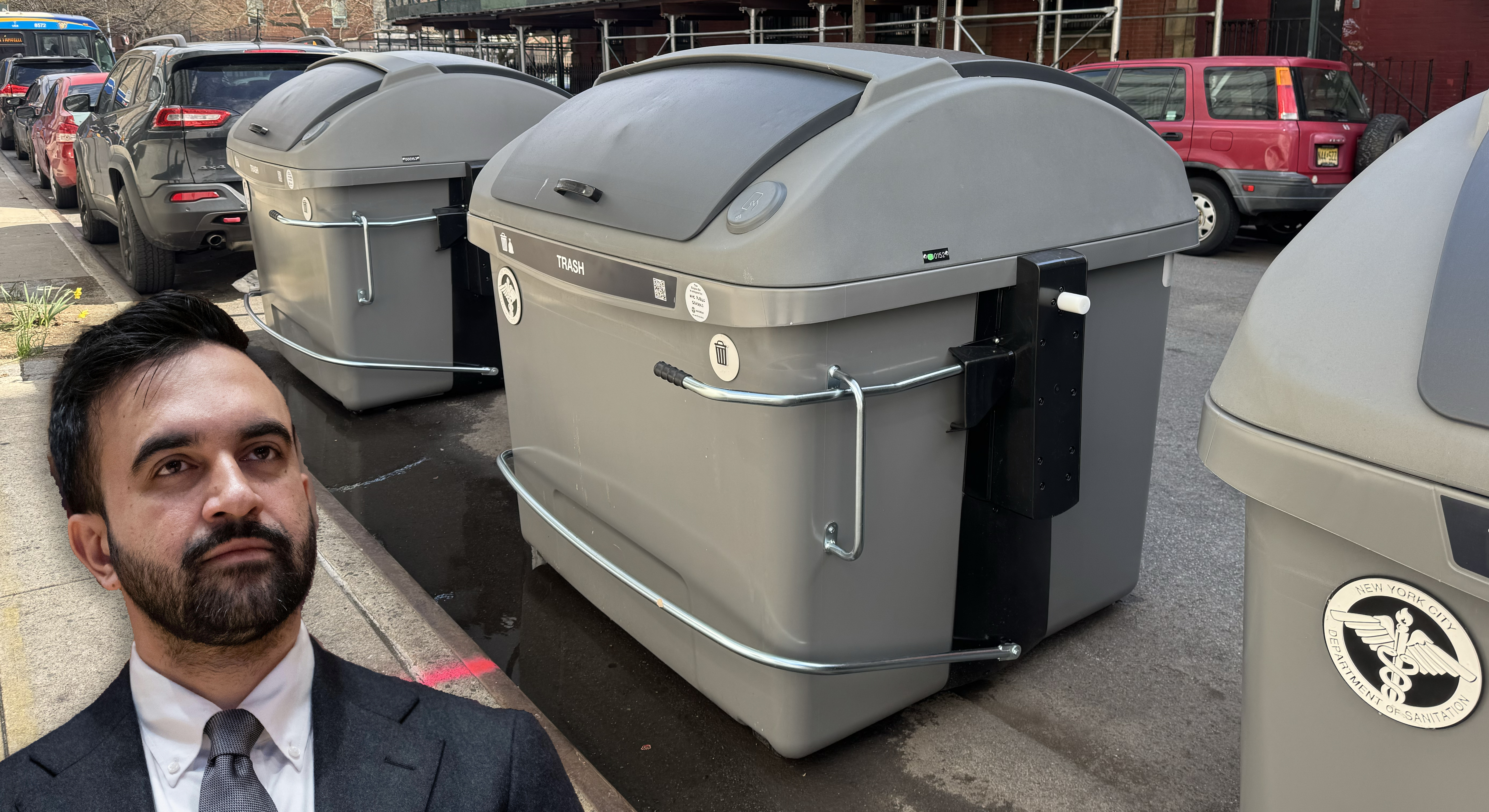
5 days ago'Game-Changer': Non-Profit Throws Financial Lifeline to Open Streets Program - Streetsblog New York City
The new funding model for open streets provides upfront financial support to volunteer organizations, improving efficiency and community engagement.

SF politics
fromFortune
5 days agoHyperscalers often lack the "aptitude" on power as the political push picks up to expedite grid connections and pipelines | Fortune
Federal efforts to expedite power grid interconnections face challenges due to hyperscalers' communication issues and lack of understanding of processes.
fromwww.housingwire.com
2 weeks agoHow Public Financing Wins Projects Before You Build
Through Community Facilities Districts (CFD), Municipal Utility Districts (MUD), Public Improvement Districts (PID), Community Development Districts (CDD) and reimbursement districts (RD), builders can potentially shift infrastructure costs off their balance sheets and onto special districts that homebuyers ultimately absorb through property taxes without potentially adding debt to the builder's books.
LA real estate


fromwww.bbc.com
1 week agoCampaigners celebrate after new town plans dropped
Campaigner Aysha Hawcutt stated that residents were 'not anti-homes', but believed the Adlington plan was 'the wrong proposal in the wrong place'. She expressed pride in the community's resilience against the development threats.
London politics
from24/7 Wall St.
3 days agoThe US Government Could End The Federal Gas Tax
The tax provides more than $23 billion per year in revenue for federal highway and public transit programs. The federal gas tax has been in place, in one way or another, since 1919 and was last raised in 1993.
Alternative transportation
fromwww.bbc.com
2 weeks agoNeighbourhoods to get 20m funding boost
We've had enough of politicians standing up and telling people what needs to happen in their area. It's time to listen to local people themselves. We're putting money behind local voices so they can choose for themselves how they put pride back in communities that felt ignored for so many years.
UK politics

San Francisco
fromArchDaily
2 weeks agoForm, Function, and Funding: The High-Tech Urbanism of San Francisco
San Francisco's technology economy has rapidly reshaped the city's built environment with architectural refinement but indifference to existing residents, creating a severe housing crisis and displacement of essential workers.
fromStreetsblog Empire State
1 week agoLawmakers Want More Funding For Upstate Transit Than Hochul Is Offering - Streetsblog Empire State
"We need at least a 15-percent increase in state operating assistance in order for the Upstate systems to address their structural budget deficits. What that means is we need that 15-percent increase so that we are not faced with having to reduce service. We're not faced with having to increase fares."
Alternative transportation
Business
fromLondon Business News | Londonlovesbusiness.com
2 weeks agoLong-term capital is shaping modern business strategies - London Business News | Londonlovesbusiness.com
Family offices provide patient capital and strategic support for long-term business growth, prioritizing stability and multi-generational wealth preservation over short-term returns.
fromLos Angeles Times
41 years agoLoan Arranged for Rehab Development
First Interstate Mortgage Co.'s income property division has arranged a $2.3-million construction loan and $2.6-million permanent loan for the rehabilitation of an existing three-story building in Pasadena, located at 95 N. Marengo St.
Real estate
Alternative transportation
fromStreetsblog
2 weeks agoWhy Some Congresspeople Want to Go Big on Greenways - Streetsblog USA
The Parks to People Act proposes $300 million in federal funding for walking and biking infrastructure as essential transportation tools, despite political opposition dismissing them as distractions.
NYC politics
fromStreetsblog
2 weeks agoThursday's Headlines: Backed into a Corner Edition - Streetsblog New York City
Governor Hochul promotes auto insurance deregulation backed by Uber and major insurers spending millions on lobbying, while facing increased scrutiny from press corps over corporate influence.
Alternative transportation
fromFast Company
3 weeks agoTraffic safety improvements frequently die by popular vote. It's time to stop that
Vision Zero, a Swedish road safety philosophy, proves traffic deaths are preventable through proper street design, enforcement, and awareness, yet Americans resist safety improvements due to normalized traffic violence.
New York City
fromwww.amny.com
2 weeks agoEditorial | NYC spends too much money. It's time to get things under control. | amNewYork
New York City faces a $7.3 billion budget deficit over two fiscal years due to chronic overspending relative to revenue, with structural imbalances threatening municipal bond ratings.
fromStreetsblog
1 month agoWhen The Suburbs Want To Opt Out of Funding Regional Transit - Streetsblog USA
A vote six years in the making that would decimate the Dallas Area Rapid Transit system might soon be called off, potentially averting a major funding crisis for the agency - though advocates say there's more work to be done to make sure every DFW resident has the mass mobility options they deserve. Since the beginning of the decade, a handful of wealthy, sprawling suburban cities in the greater Dallas metro have been fighting
US politics
fromEntrepreneur
2 months agoHow to Win Big With Public-Sector Partners
Understanding the difference in purpose Unlike private businesses, which exist to make a profit, public institutions are designed to create impact - especially social and economic outcomes that benefit everyone, not just paying customers. A public agency doesn't measure its success in revenue or margins, but in how much it improves lives, builds equity and maintains public trust. This doesn't mean budgets and spending don't matter - they absolutely do - but money is not the goal. It's the tool.
World politics
fromBusiness Matters
1 month agoThe impact of road signs on economic development
When routes are well organized, there are clear directional signs, and speed limits become reasonable. The early installation of warning signs allows transport companies to plan deliveries more accurately and avoid delays. For businesses, time is money. When a truck carrying goods does not spend hours detouring due to an unclear traffic scheme or stuck in traffic where it could have been avoided thanks to competent traffic management, fuel costs, driver wages, and vehicle maintenance costs are reduced.
Alternative transportation
fromGothamist
1 month agoGateway Hudson River tunnel funds are flowing, but no shovels are in the ground
Construction remains paused for now and we continue to work with our contractors to plan how to deploy these funds in the most effective way and get workers back on the job to resume some construction as soon as possible,
US politics
New York City
fromBond Buyer
3 weeks agoMTA capital cost savings may be example for other agencies
The MTA's Construction & Development Department achieved $1.2 billion in cost savings during 2025, bringing total savings to $3 billion from 2020-2024, demonstrating cost management strategies applicable to other transit agencies nationwide.
Alternative transportation
fromFast Company
1 month agoThe 'time is money' mantra is a terrible starting point for planning and designing infrastructure
Using productivity and time-as-money frameworks to justify transportation planning decisions is economically flawed and oversimplifies the complex nature of traffic congestion and urban mobility.
California
fromStreetsblog
1 month agoHighway Projects Still Grab Biggest Share as California OK's Nearly $1B in State Transportation Funding - Streetsblog California
California approved $988.7 million in transportation investments prioritizing highways and road safety while including some transit, walking, and bicycling funding.
US politics
fromStreetsblog
1 month agoThis Bill Would Give Your Community More Money To Build Its Own Transportation Future - Streetsblog USA
The BASICS Act shifts federal transportation funding toward metro regions, enabling human-centered projects and preventing state DOTs from monopolizing funds for highways.
fromtherealdeal.com
2 months agoBuilders get their remedy, and some cities tweak their defenses
Cedar Street just came out victorious in a multi-year saga with the city of La Canada Flintridge, winning the first successful builder's remedy case in California Superior Court for its 80-unit mixed-use project at 600 Foothill Boulevard and setting a path for other developers to build. But the fight may have left its scars, in time, stress and now soured relationships with some officials.
Real estate
fromCity Limits
2 months agoOpinion: Creative Public-Private Partnerships Can Help Tackle NYC's Housing Shortage
To address the housing shortage, the city should make it cheaper for landlords to build new units. A public-private partnership where the city builds the shells of new apartment buildings and leases the interiors to landlords, who in turn develop and rent them to tenants, can increase supply and lower rents. Some estimate that the city needs 500,000 more housing units by 2032 to keep up with demand. Rental prices are skyrocketing because of this high demand and limited supply.
Real estate
US politics
fromStreetsblog
2 months agoOpinion: Transportation Researchers Still Care About Equity. This Week They're Proving It - Streetsblog USA
A unified convening champions transportation equity as federal programs, oversight, and policies are cut, disrupted, and repurposed in ways that deepen existing injustices.
fromStreetsblog
1 month agoMamdani Budget Adds Staff, Cash For More Bus And Bike Projects - Streetsblog New York City
The proposed funding would begin to dig the city Department of Transportation out of Adams's failure to meet the benchmarks established under the Streets Master Plan law. A 2025 report from the Independent Budget Office accused the former mayor of denying DOT the funds that agency officials said they needed to build the 150 new miles of bus lanes and 250 miles of new bike lanes over the five years of the plan.
New York City
[ Load more ]