#fungi-conservation
#fungi-conservation
[ follow ]
#climate-change #biodiversity #biodiversity-loss #sustainability #conservation #public-health #food-security

fromwww.scientificamerican.com
3 days agoSee these ziti-sized fish scale a 50-foot waterfall
During major floods, thousands of tiny fish convene at Luvilombo Falls in the upper Congo River Basin to undertake a peculiar vertical migration, described for the first time today in Scientific Reports.
OMG science
fromTheregister
1 week agoBees and hummingbirds get trace alcohol from nectar
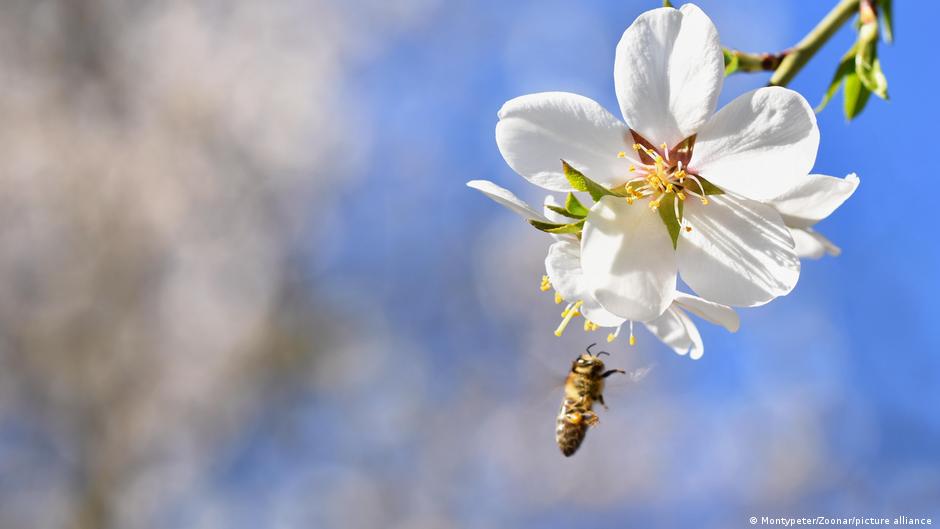
A study by researchers at the University of California Berkeley has found that ethanol is surprisingly common in floral nectar, the sugary fuel that keeps pollinators alive. Yeast feeding on those sugars produces trace amounts of alcohol, and in this study, it showed up in 26 of the 29 plant species sampled.
Beer


fromMail Online
5 days agoBritain has just 20 years to save its wildlife, experts warn
'Our results show that the next 20 years are critical,' lead author Dr Rob Cooke told the Daily Mail. 'By around 2050, we reach a point where the choices we make on emissions and land use will largely determine whether Britain moves towards a much more degraded or a much more nature‑positive future.'
Environment
Design
fromArchDaily
2 weeks agoRethinking Architecture at the Scale of Planetary Systems
Contemporary architecture operates within interconnected technological systems—energy networks, data infrastructures, and global logistics—that fundamentally shape what can be built, its affordability, performance, and waste production.
fromwww.theguardian.com
2 weeks agoSmall changes in how we garden can make a big difference to birds | Letter
Around a third of UK gardeners use pesticides, and our studies found that house sparrow numbers, for example, were nearly 40% lower in gardens where the pesticide metaldehyde was used. By reducing pesticide use, you can actively encourage birds back into your outdoor spaces, as they rely on invertebrates such as slugs and snails as natural prey.
Pets
fromwww.theguardian.com
3 weeks agoMy ideas are a little revolutionary': ecologist Suzanne Simard on intelligent forests, the climate and her critics
Wildfires have become an ever bigger problem in Canada. The 2018 wildfires were the biggest in British Columbia's history, but this record was broken in 2021, and then again in 2023, when fires consumed an area three times the size of the Canadian province of Nova Scotia and the smoke travelled as far as New York City.
Canada news
fromNature
3 weeks agoUsing mosquitoes to vaccinate bats could curb the spread of deadly diseases
In a study published in Science Advances, researchers in China fed Aedes aegypti mosquitoes blood that contained either a vaccine against Nipah virus or the rabies virus. The viruses, contained in the vaccines, replicated inside the insects and reached their salivary glands, allowing them to pass on the vaccine when feeding on bats or when the bats ate the insects.
Coronavirus
Roam Research
fromdesignboom | architecture & design magazine
4 weeks agomushroom-inspired devices convert wasted energy into reusable power to charge gadgets
Spoa devices harvest wasted electromagnetic fields from household environments to generate reusable electricity for charging gadgets and appliances.
fromNature
3 weeks agoPrevent pandemics through One Health commitments
Risks of outbreaks with pandemic potential rise with increasing land-use change, biodiversity loss and climate change. The Pandemic Agreement adopted by the World Health Assembly in 2025 marks a historic shift that establishes the One Health approach as a legally binding obligation for pandemic prevention.
Public health
Science
fromwww.theguardian.com
1 month agoMarsupials previously thought extinct for millennia discovered in New Guinea
Two marsupial species presumed extinct for 6,000 years were discovered alive in West Papua rainforests, representing rare Lazarus taxa that survived despite disappearing from fossil records.

fromLos Angeles Times
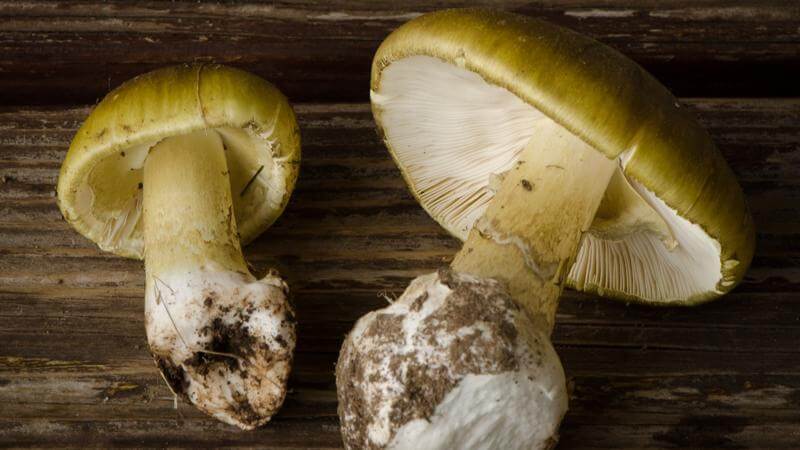
3 weeks agoIf the giant sequoia is dying out, why are there tens of thousands of seedlings and saplings?
The new trees number in the thousands - at least 4,000 per acre or as many as 20,000, depending on who is counting. A few rise above head-height, the most energetic sentinels of regeneration. What will become of this nursery in the wild in the next hundred years, or thousand, is the crux of a scientific and policy dispute.
Environment
fromwww.theguardian.com
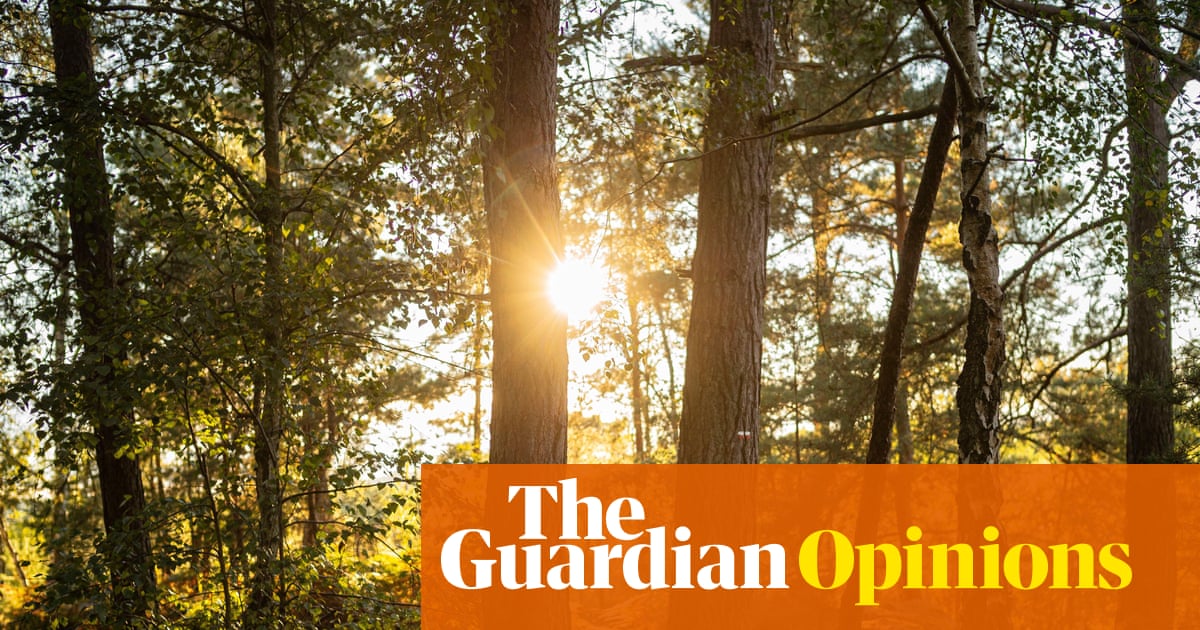
1 month agoHumanity heating planet faster than ever before, study finds
Climate breakdown is occurring more rapidly with the heating rate almost doubling, according to research that excludes the effect of natural factors behind the latest scorching temperatures. It found global heating accelerated from a steady rate of less than 0.2C per decade between 1970 and 2015 to about 0.35C per decade over the past 10 years.
Environment
fromwww.scientificamerican.com
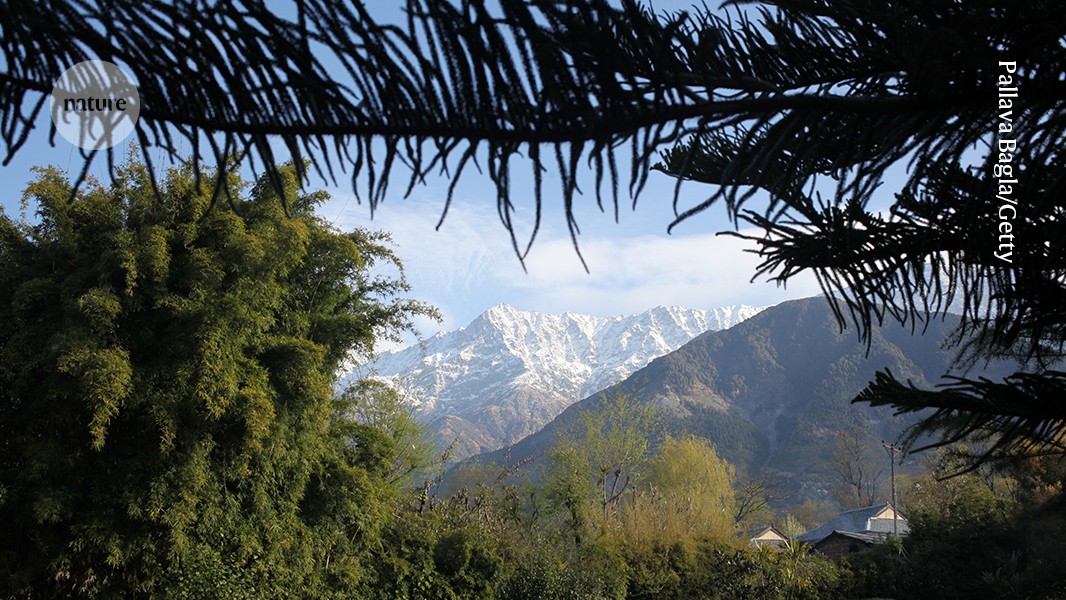
2 months agoMeet the extremophile molds wreaking havoc in museums
Mold is a perennial scourge in museums that can disfigure and destroy art and artifacts. To keep this microbial foe in check, institutions follow protocols designed to deter the familiar fungi that thrive in humid settings. But it seems a new front has opened in this long-standing battle. I'd recently heard rumblings that curators in my then home base of Denmark have been wrestling with perplexing infestations that seem to defy the normal rules of engagement.
Science
fromThe Conversation
2 months agoSome companies claim they can 'resurrect' species. Does that make people more comfortable with extinction?
Less than a year ago, United States company Colossal Biosciences announced it had "resurrected" the dire wolf, a megafauna-hunting wolf species that had been extinct for 10,000 years. Within two days of Colossal's announcement, the Interior Secretary of the US, Doug Burgum, used the idea of resurrection to justify weakening environmental protection laws: "pick your favourite species and call up Colossal". His reasoning appeared to confirm critics' fears about de-extinction technology. If we can bring any species back, why protect them to begin with?
Philosophy
fromMindful
1 month agoCan Compassion Save the Planet?
When British author Karen Armstrong won the TED prize in 2008, she used the money to convene a group of religious thinkers from a wide range of faiths to craft an updated version of the Golden Rule for the 21st century. What emerged was the Charter for Compassion, which calls on people around the world "to work tirelessly to alleviate the suffering of our fellow creatures, to dethrone ourselves from the center of our world and put another there, and to honor the inviolable sanctity of every single human being, treating everybody, without exception, with absolute justice, equity and respect."
Philosophy
fromArs Technica
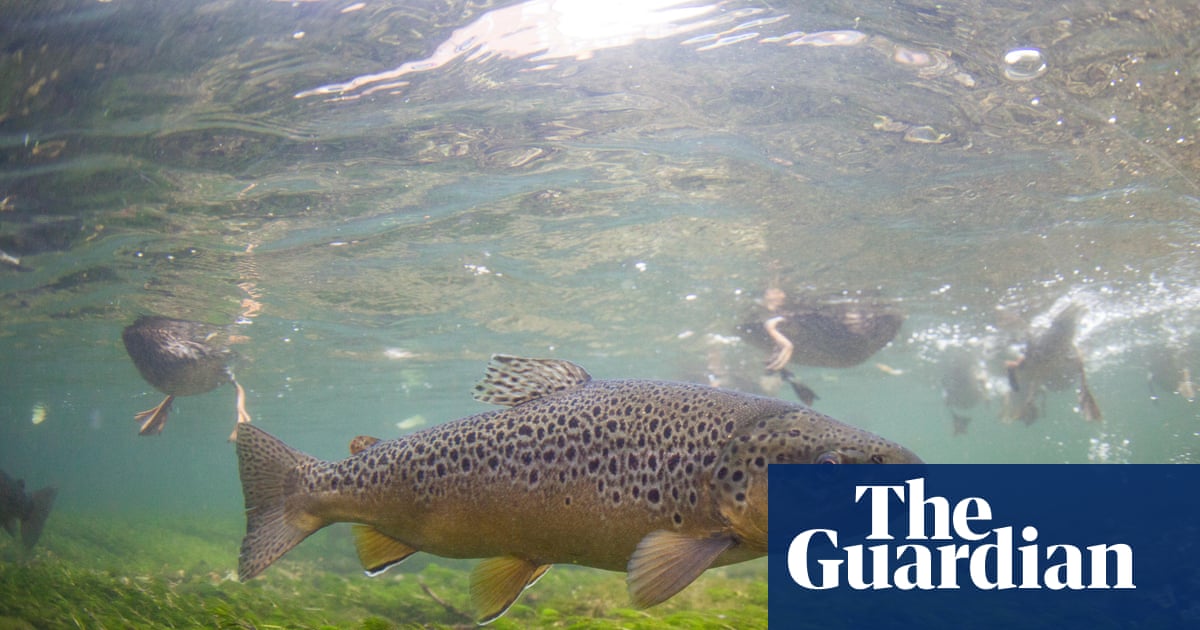
1 month agoBringing the "functionally extinct" American chestnut back from the dead
The work suggested that resistance arises from a relatively large number of sites, each with relatively minor effects. For example, the sites in the genome identified by quantitative trait analysis typically boosted resistance by about 10 points on the researchers' 100-point scale. In the genome-wide analysis, 17 individual genetic differences were associated with about a quarter of the heritable resistance traits.
Agriculture
fromNature
2 months agoTo improve resilience to climate change, track what endures
When the category-5 storm Hurricane Melissa struck Jamaica in October, its path crossed communities that had varying levels of preparedness. Many with maintained coastal protections, upgraded drainage and reliable early-warning systems had power and water restored in days. Others were immobilized for weeks.
Environment
fromwww.dw.com
2 months agoThe business of saving nature
The world spends 30 times more money destroying nature than protecting it. That's according to a new report from the United Nations Environment Programme (UNEP) that exposes a massive gulf between so-called "harmful investments" and financing that promotes nature preservation. The global environment agency's latest "State of Finance for Nature" (SNF) report is calling to phase out the US$7.3 trillion (6.2 trillion) in global investments that damage nature including into high-emissions energy infrastructure and manufacturing, for example.
Environment
fromThe Mercury News
2 months agoContra Costa's ecosystem being restored, one indigenous plant at a time
Waterways across Contra Costa County are increasingly threatened by invasive plant species that engulf canals and drains, decreasing biodiversity and reducing safe habitats for wildlife. In an effort to address and restore the environment, the Contra Costa County Flood Control and Water Conservation District is working to reverse that trend. The district hosted its recent 12th annual Giving Natives a Chance event at the Clayton Valley Drain near Concord's Hillcrest Community Park, inviting volunteers from across the county to plant native species around waterways and drains.
Environment
Environment
fromwww.theguardian.com
2 months agoGood luck Dua Leaper: scientists return frogs wiped out by fungal disease to wild
Green and golden bell frogs were reintroduced to the ACT after about four decades using immunised, microchipped individuals and engineered thermal refuges to combat chytrid fungus.
Environment
fromDesign You Trust - Design Daily Since 2007
2 months agoSpectacular Winning Images From The Ecology Photo Contest 2025
Powerful ecological photographs reveal nature's indifference, global biodiversity, and collaborations that highlight ecology's immediacy and deep ties to human existence.
fromwww.theguardian.com
2 months agoRare butterflies bounce back after landowners in Wales cut back on flailing hedges
Conservationists have now persuaded landowners to cut hedges in a more gentle rotation, with sections left uncut for up to three years, to enable more eggs to survive over winter. The caterpillars emerge with the foliage in spring and hatch into adult butterflies in July. The brown hairstreak is difficult to spot as a butterfly but every winter volunteers assess its populations by counting its minuscule cream-coloured eggs, which with careful searching are visible on the bare branches of blackthorn.
Environment
[ Load more ]