#galloway-hoard
#galloway-hoard
[ follow ]



France news
fromThe Local France
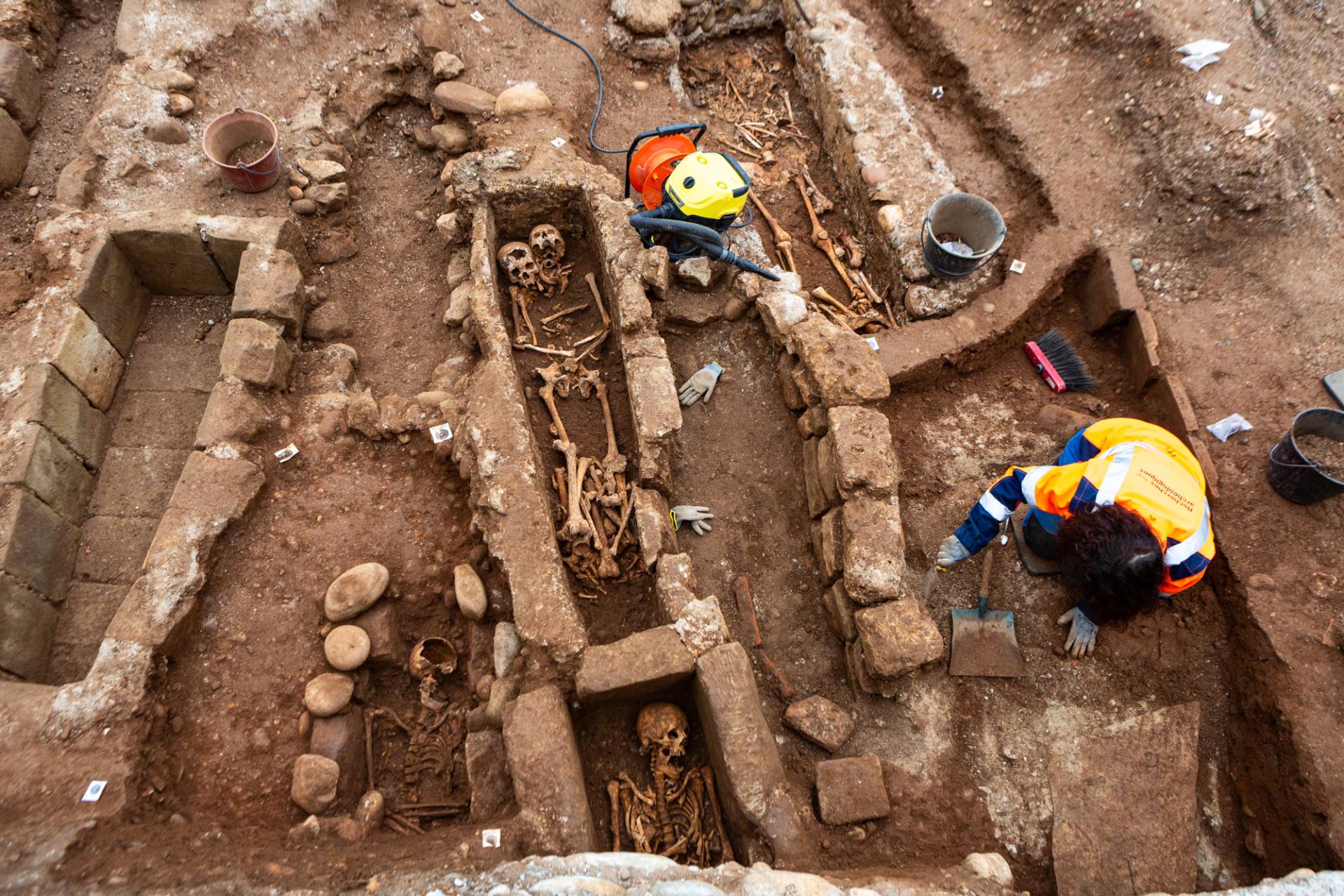
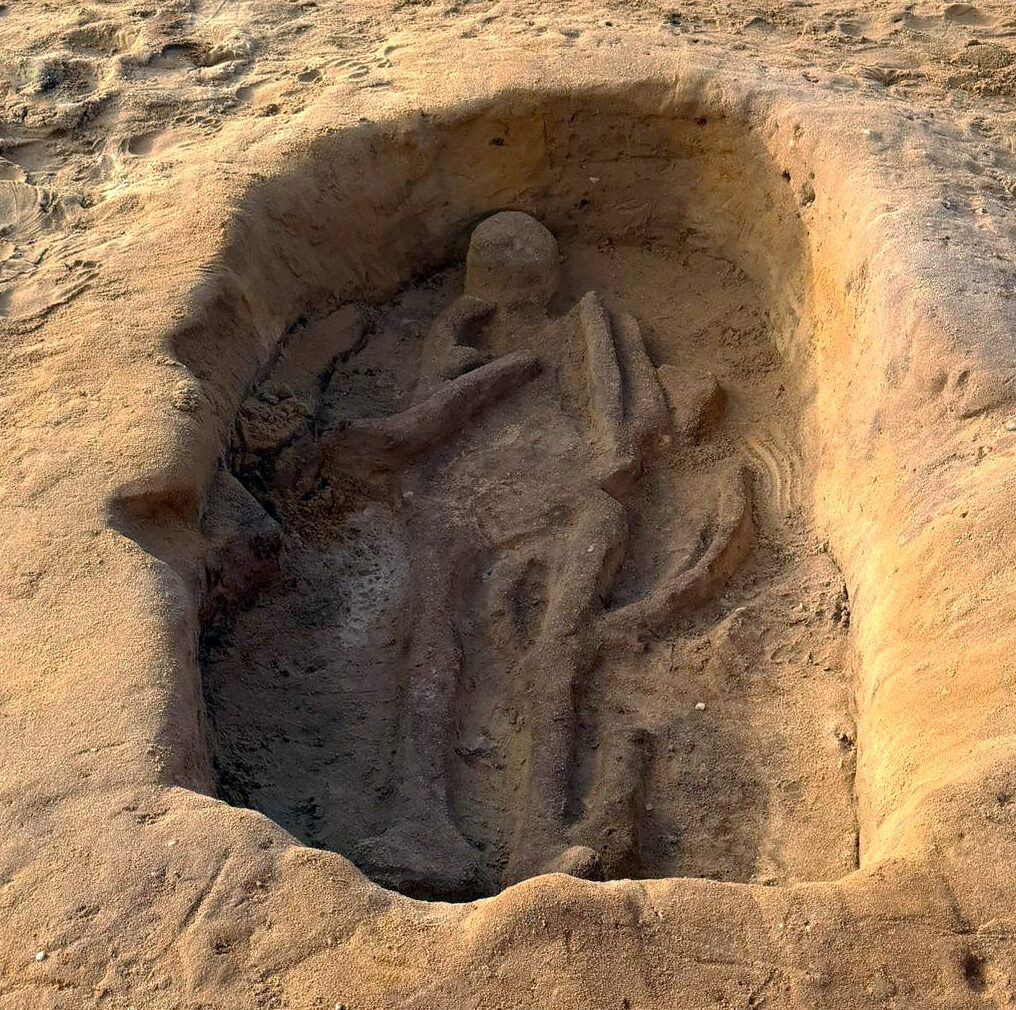
2 weeks agoMysterious ancient skeletons discovered sitting upright in France
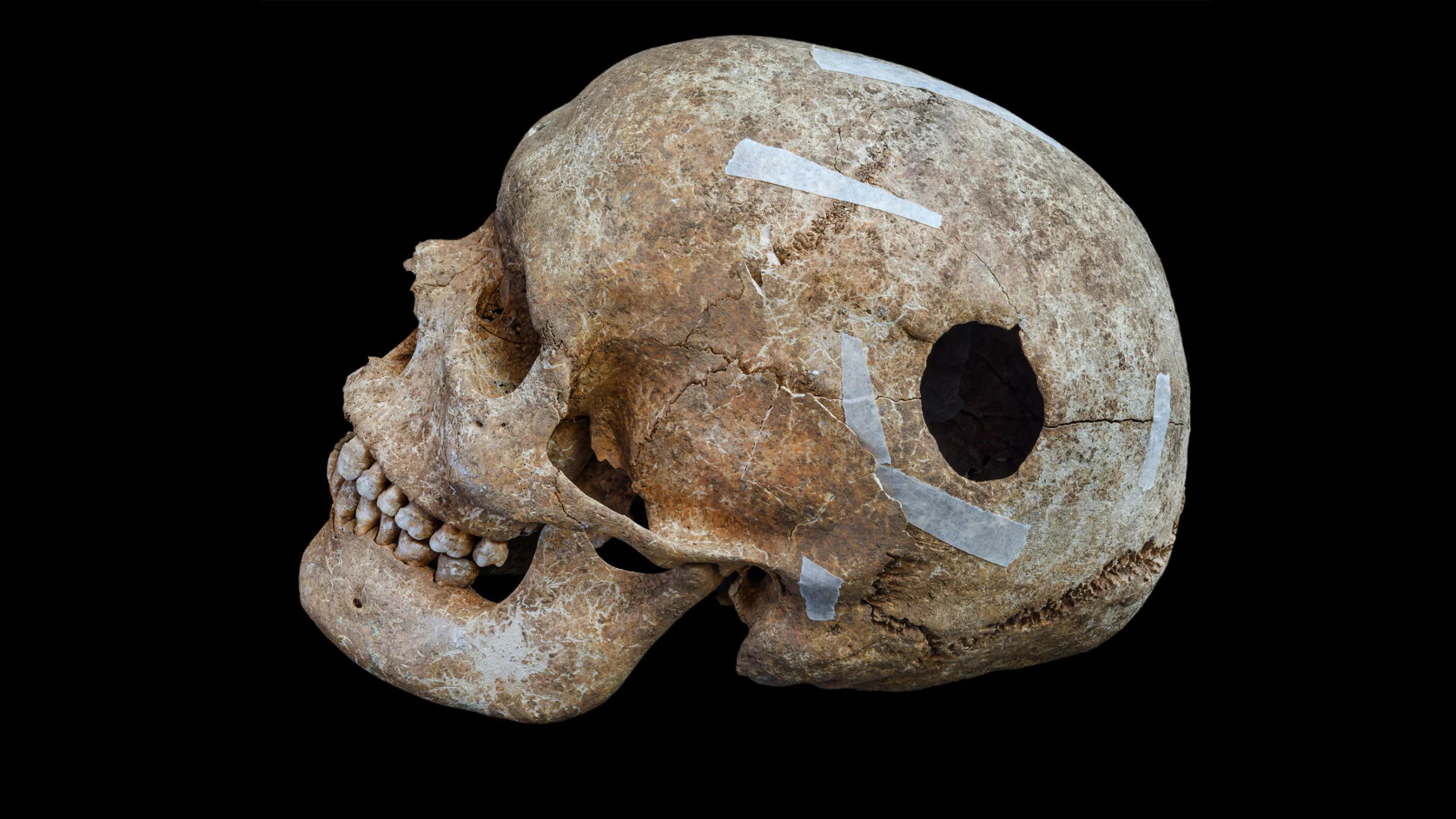
Ancient Gauls in Dijon buried some people seated upright facing west in pits, with over 20 such tombs discovered since 1992, representing more than a quarter of all known seated Gaul burials worldwide.
Arts
fromArtnet News
2 weeks agoLost Parthenon Piece Unearthed From Lord Elgin's Shipwreck | Artnet News
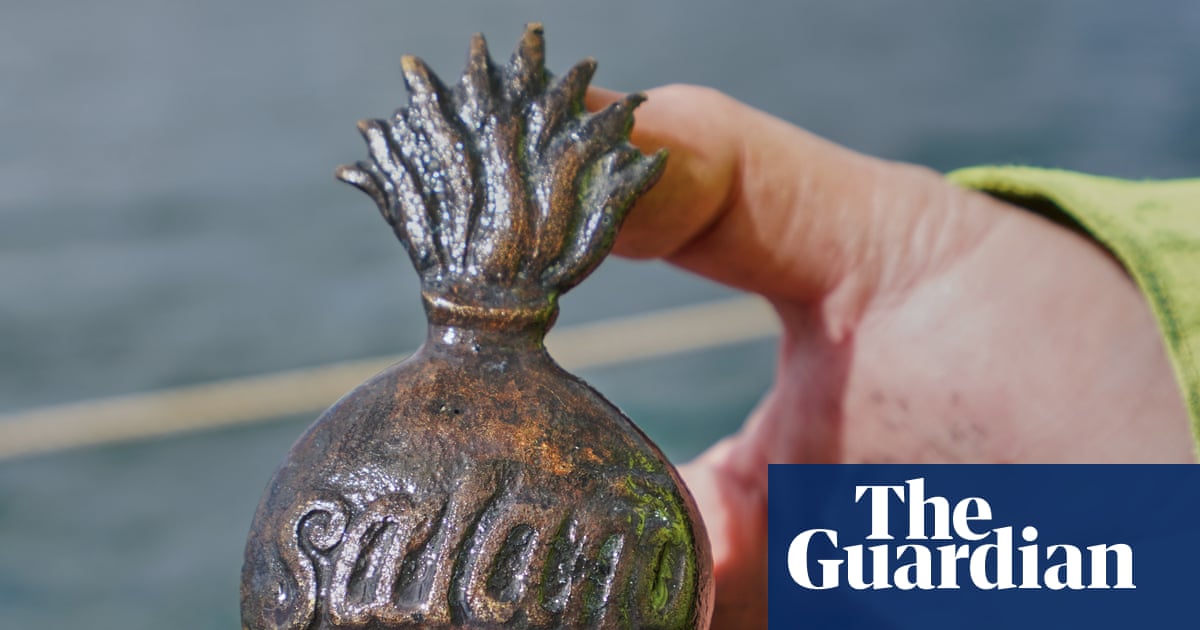
Greek underwater archaeologists recovered a small Parthenon marble fragment off Kythira island, likely from the temple's ornamental crown, during an excavation of Lord Elgin's sunken ship from 1802.
fromwww.thehistoryblog.com
5 days agoNeolithic axe found in Lake Constance
The axe was the most important find in the group and would have been highly valued in the Neolithic community. Experiments with fiddle bows have found that it takes more than a day of work to manufacture an axe like this one.
History

fromArtnet News
3 weeks agoStrange Coin Used on U.K. Bus Turns Out to Be 2,000-Year-Old Relic
An enigmatic coin that someone used to board a British bus seven decades ago is now entering the collection of the Leeds Discovery Centre, following the revelation that it's a bit of 2,000 year old currency from the former Carthaginian trading settlement of Gadir, in modern-day Cádiz, Spain-one of Europe's longest-inhabited cities, settled by Phoenicians around 1,100 B.C.E.
Arts


fromwww.bbc.com
2 months agoTreasures found on HS2 route stored in secret warehouse
Treasures unearthed by hundreds of archaeologists so far during work on the controversial planned HS2 train line have been shown exclusively to the BBC. The 450,000 objects, which are being held in a secret warehouse, include a possible Roman gladiator's tag, a hand axe that may be more than 40,000 years old and 19th Century gold dentures. It is an "unprecedented" amount and array of items, which will yield new insights into Britain's past, says the Centre for British Archaeology.
London
fromwww.thehistoryblog.com
2 weeks agoFive more seated Gauls found in Dijon
They were all adult males between 40 and 60 years old when they died, ranging in height from 1.62 to 1.82 meters (5'4-6). They were in good overall health with excellent teeth, but osteoarthritis in the bones, particularly in the legs, attests to them having consistently experienced strenuous physical activity in their lives.
History
Business
fromwww.theguardian.com
1 month agoA great wee place': the small Scottish factory crafting Olympic curling stones
Kays Scotland handcrafts Olympic curling stones from rare Ailsa Craig granite, combining centuries-old material with skilled, small-scale manufacturing for global Winter Olympics supply.

fromHyperallergic
1 month agoThe Irish Do It Best
The Irish government will give 2,000 artists unrestricted weekly stipends in a program officials described as a "recognition, at government level, of the important role of the arts in Irish society." After a successful three-year pilot, the Irish government made its basic income program for artists permanent. Similar pilots have been launched here in the United States, but they're supported primarily by the nonprofit sector.
Arts
fromwww.standard.co.uk
1 month agoBritish Museum raises 3.5million to save Henry VIII-linked pendant found by metal detectorist in field
It was discovered six years ago by a metal detectorist in a field in Warwickshire. Now the Tudor Heart - a gold pendant linked to Henry VIII's marriage to his first wife, Katherine of Aragon - will go on show to millions after the British Museum successfully raised 3.5 million to save it following a four-month fundraising campaign. The London museum launched an appeal in October as it was keen to save the Tudor Heart, which was discovered by a metal detectorist in 2019,
London
History
fromianVisits
3 weeks agoLooted from a royal palace: The medieval jug now on display in London
A medieval English bronze jug looted from Ghana's Asante kingdom reveals how European luxury goods became valued ceremonial objects through trans-continental trade networks before colonial appropriation.
Arts
fromThe Art Newspaper - International art news and events
1 month agoUK exhibition celebrates the artisans throughout history who went to war
Frontline-made objects salvaged from battlefields reveal the skills, identities, and lived experiences of ordinary soldiers across conflicts from the World Wars to modern wars.
History
fromMedievalists.net
3 weeks agoThe Medieval Jug that Travelled from England to West Africa and Back - Medievalists.net
A medieval English bronze ewer traveled to West Africa, became sacred in the Asante royal palace, and returned to Britain after colonial warfare, demonstrating Africa's pre-modern global connections.
History
fromMedievalists.net
1 month agoNew Medieval Books: Castles and Strongholds of Northumberland - Medievalists.net
Northumberland contains more castles, towers, peles, bastles and barmkins than any other British county, serving as private residences and fortifications for nobility and landowners.
fromMedievalists.net
1 month agoViking-Age Woman Buried with Her Dog in Norway - Medievalists.net
Excavations carried out in 2025 by the Arctic University Museum of Norway revealed that the artefacts came from a boat burial. The grave contained the skeleton of a woman placed inside a boat measuring about 5.5 metres in length. She had been buried together with a dog, suggesting the animal may have been an important companion in life.
History
History
fromMedievalists.net
1 month agoDreaming of Owning a Medieval Artefact? Here's Your Chance - Medievalists.net
TimeLine Auctions' March 3 online sale features hundreds of medieval historical objects including a 13th-century Limoges cross, 1224 Chinese armor, Viking silver mount, and Anglo-Saxon brooch.
fromwww.thehistoryblog.com
1 month agoRare Mithraic altars found in Scotland go on display for the first time
Two exceptionally rare and beautifully carved Mithraic altars found in Inveresk, East Lothian, Scotland, are going on display for the first time. They are not just the only Roman altars ever found in Scotland, but are among the finest examples of Roman sculpture in Roman Britain. They are also uniquely early in date, having been made in 140s A.D. during Antoninus Pius' reoccupation of southern Scotland, whereas most other archaeological materials related to the worship of Mithras in Britannia date to the 3rd century.
fromMedievalists.net
2 months agoMedieval gold ring discovered in Norway - Medievalists.net
A gold ring with a deep-blue, oval setting - decorated with fine spirals of filigree and tiny granulated beads - has been recovered from medieval deposits in Tønsberg, a historic town in southeastern Norway. The ring was found during an excavation in the modern town centre, where archaeologists have been investigating layers of urban life preserved beneath today's streets. The discovery was made within the protected archaeological area known as Tønsberg Medieval Town.
History
[ Load more ]