#george-gilbert
#george-gilbert
[ follow ]
#art #contemporary-art #art-exhibition #photography #sculpture #exhibition #whitney-biennial #art-exhibitions
fromHi-Fructose Magazine - The New Contemporary Art Magazine
1 day agoKyle Cobban Draws From The Unknown - Hi-Fructose Magazine
"It's an amalgamation of the Chicago neighborhood aesthetic with a Bulls fan, quite literally. It's kind of on the nose, but that's how I juxtapose the elements of my work, with the structure of a home and then a figure who is around or in the home."
Chicago Bulls
Renovation
fromdesignboom | architecture & design magazine
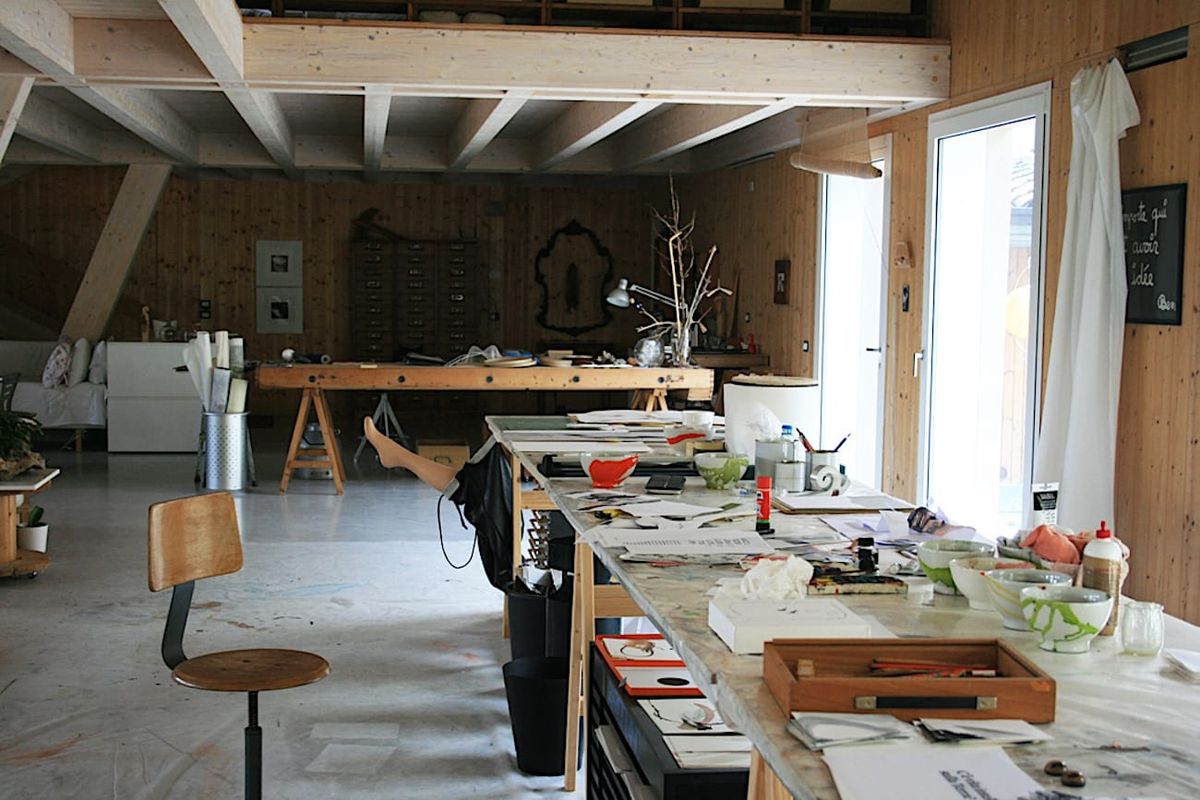
4 days agopaul rudolph's historical walker guest house returns in exhibition curated by A$AP rocky
The Walker Guest House, designed by Paul Rudolph, is showcased in Los Angeles with original and modern design elements, highlighting its significance in American modernism.
#art


Arts
fromIrish Independent
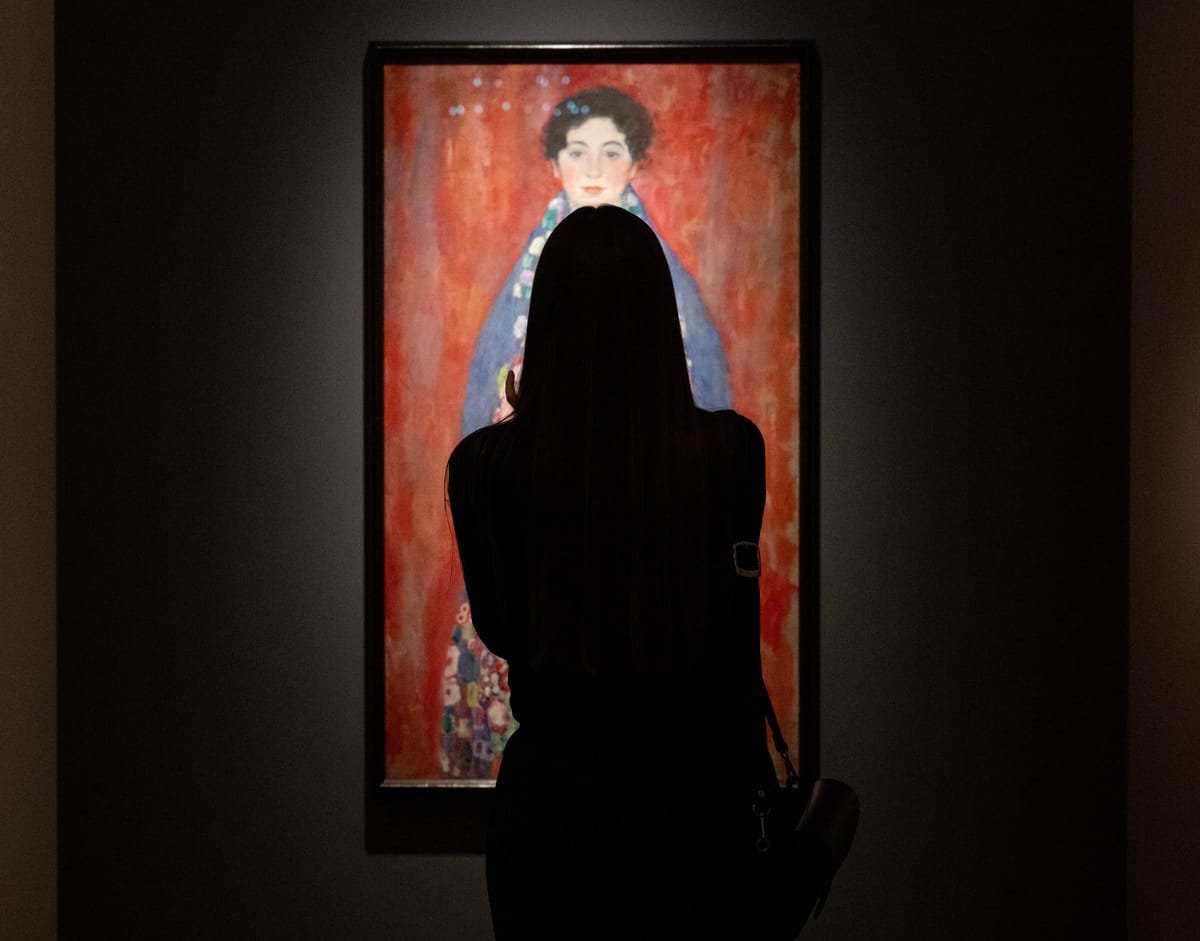
3 days ago'You have to step in and experience it' - artists on the rise of AI-generated art and the 'essential' gallery visit
Miriam Fitzgerald Juskova's exhibit combines paper quilling with mathematics, showcasing intricate art that engages viewers and emphasizes the value of handmade creations.
Arts
fromIrish Independent
3 days ago'You have to step in and experience it' - artists on the rise of AI-generated art and the 'essential' gallery visit
Miriam Fitzgerald Juskova's exhibit combines paper quilling with mathematics, showcasing intricate art that engages viewers and emphasizes the value of handmade creations.
fromThe Washington Post
2 weeks agoCalvin Tomkins, who narrated the rise of contemporary art, dies at 100
When I started, there was no art coverage in the news magazines and there was no regular coverage, even in Time ... Contemporary art, particularly, was considered a ridiculous and foolish aberration. It didn't have anything to do with art, according to a lot of people.
US news
fromJuxtapoz
4 days agoJuxtapoz Magazine - Last Days to See Kate Meissner's New Paintings @ Lyles & King's Project Space, NYC
"These works are an exploration of the human body's elasticity and capacity to metamorphose. Informed by my own experience of pregnancy and the birth of my first child last year, these paintings are a meditation on physiological transformation and the body's underlying animalistic and mammalian nature."
Arts
Arts
fromThe Art Newspaper - International art news and events
1 day agoPaul Pfeiffer will be inaugural artist-in-residence at Brooklyn's Barclays Center arena
Paul Pfeiffer will be the inaugural artist-in-residence at Barclays Center, focusing on media workshops for those affected by the criminal-justice system.
fromHyperallergic
1 day agoThe Art World Is a Joke
Kamrooz Aram is everywhere this year, from Mumbai Art Week to the Whitney Biennial, and critic Aruna D'Souza is grateful. She pens a beautiful meditation on his work, reading his abstract paintings as not simply a denunciation of Western modernism nor a reassertion of Islamic visual motifs, but something else entirely - something gestural, exuberant, riotous, and incomparably his own.
Arts
fromBOOOOOOOM!
2 days ago"Idling" by Artist Greta Kresse
"These paintings merge the landscape and the intimacy of windows through the framing of the car, bridging the two realms I've typically explored separately. The car becomes a meditation on transition, on existing simultaneously here and elsewhere."
Arts
fromdesignboom | architecture & design magazine
2 months ago'dan flavin: grids' floods NYC's david zwirner gallery with fluorescent color
The exhibition gathers several grid installations first developed in 1976, presented here through careful re-creations of historic works. Installed directly into corners, the luminous sculptures become a fixed part of the gallery as walls, ceilings, and floors receive light as an active condition. The atmosphere of each room shifts, all while remaining unified by the straightforward presence of the simple fluorescent fixtures.
Design


fromArtnet News
2 weeks agoPeter Halley Returns to Austria with First Solo Show in Two Decades
In many ways working in the tradition of Kazimir Malevich and Josef Albers, his compositions employ a language of squares and rectangles known as "Cells" and "Prisons," connected by bold lines called "Conduits." Together, these geometric and linear arrangements tap into the inherent geometry that structure reality, and conceptually refer to the construction of everyday life, both public and private as well as physical and psychological.
Arts
fromHyperallergic
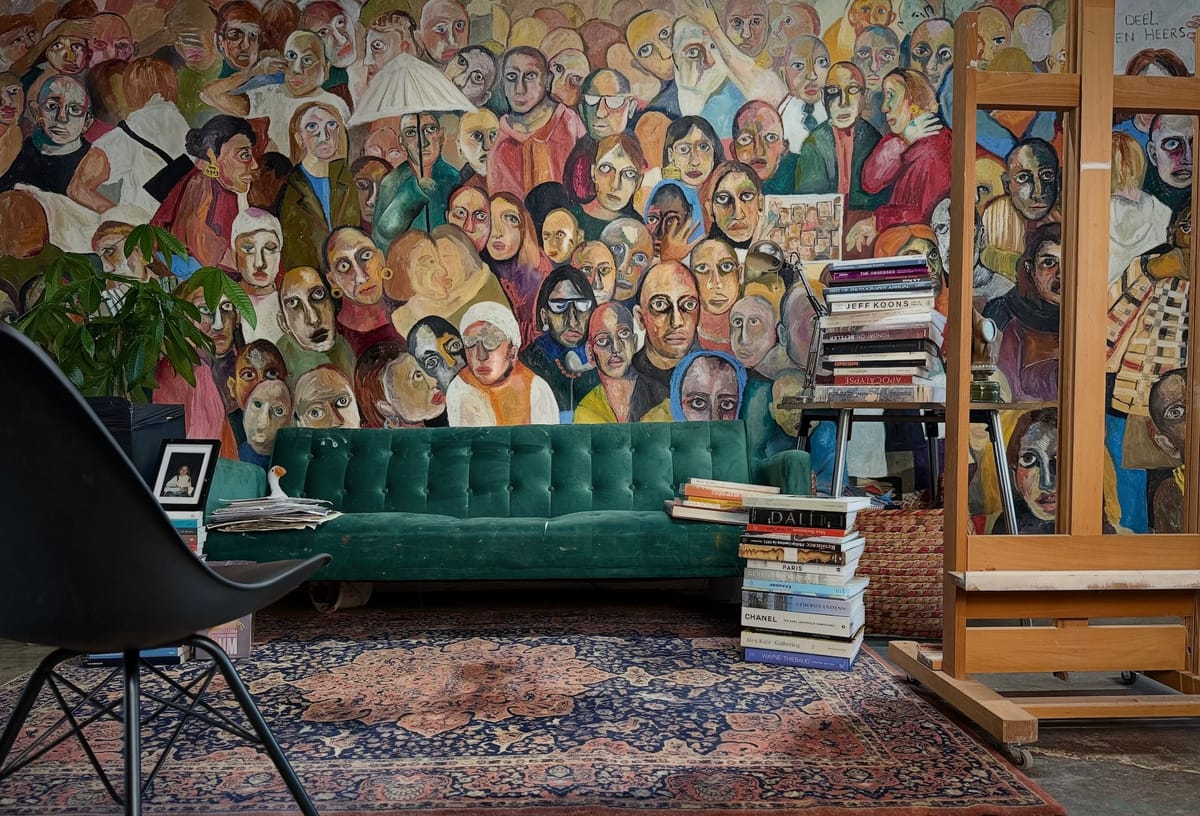
2 weeks agoWhat Do We Really Think of the New New Museum?
The new New Museum is many things: contemporary, perhaps, but also a science, history, anthropology, and many other museums in one. It echoes the desire of its patron class to own the world and its affiliated courtier class to deliver it to them on a silver platter, or encased in perforated metal, in this case.
Arts
fromHyperallergic
3 weeks agoEmbracing Friction in the Art World
On Franklin Street in Brooklyn's Greenpoint neighborhood, one non-commercial gallery fosters 'a small, stubbornly human space for friction.' Friction—the ubiquitous buzzword that captures the simultaneous delight and discomfort of doing things the slow way—is at the heart of artists Pap Souleye Fall and Char Jeré's current show at Subtitled NYC. It also reflects the overall spirit of this little exhibition space and of a burgeoning movement to reject our culture of optimization in favor of a bumpier, more intimate, less alienating experience.
Arts
Arts
fromJuxtapoz
1 month agoJuxtapoz Magazine - Rise above it: John Rivas @ Francois Ghebaly New York
Salvadoran-American artist John Rivas expands his mixed-media practice into hand-carved wooden sculpture, exploring cultural identity, family labor, and personal memory through material resourcefulness and collaborative processes.
fromHyperallergic
1 month agoThe Sticky Politics of Wall Texts
In 2024, I made a vow to never base my art criticism on wall labels. My decision came after reading reactions to that year's Whitney Biennial. "If every label in 'Even Better Than the Real Thing,' the 81st installment of the Whitney Biennial, were peeled off the walls and tossed into the Hudson, what would happen?" asked Jackson Arn in the New Yorker. (He went on to suggest that the overall show would have been much better.)
Arts
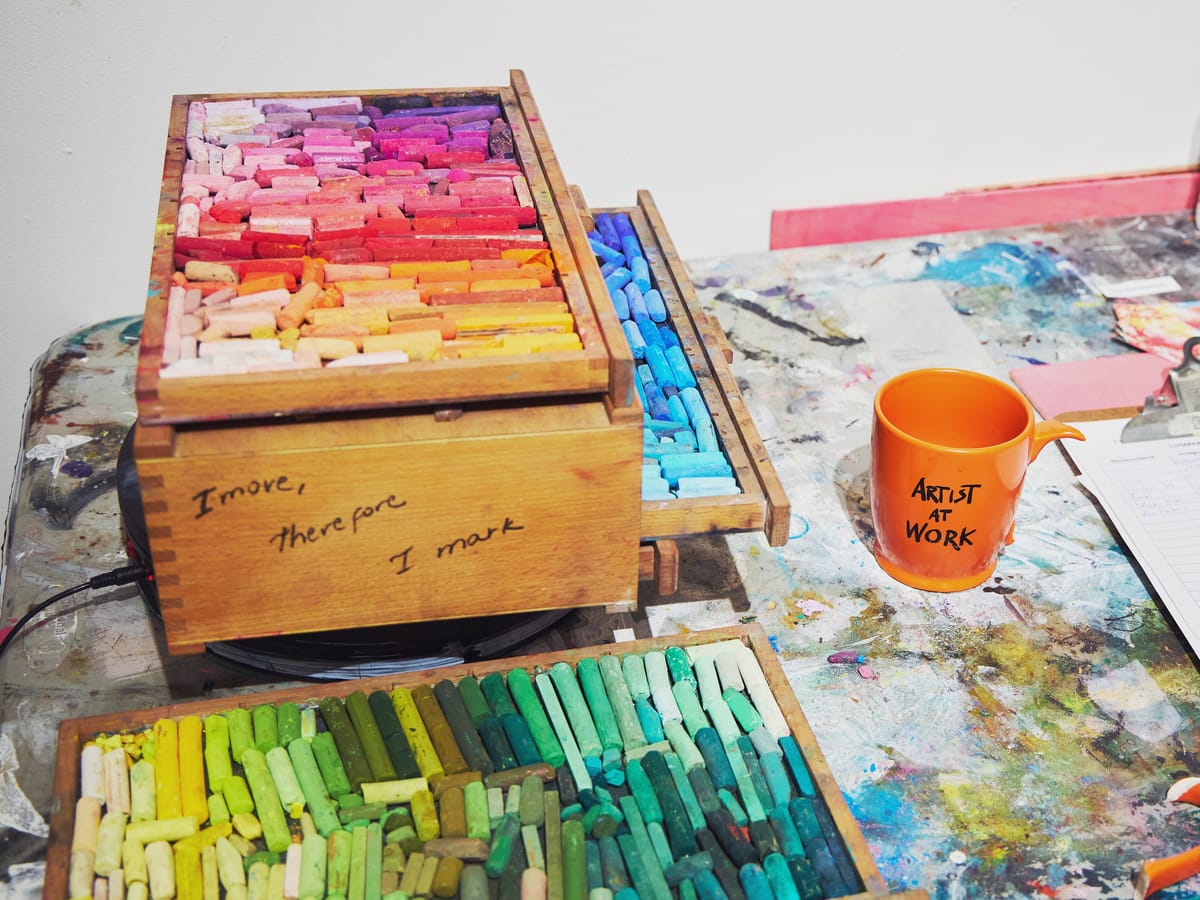
fromHyperallergic
1 month agoA View From the Easel
I work outside, carving and shaping the stone. Outside my house, I have a table, an extension cord, and tools. It's very cold and I have to wear all my winter clothes. When it's too cold, I do the filing and finishing work inside after I shape it outside. I listen to all kinds of music. I listen to Eminem all the time; his albums are all my favorites. For drawings, I work at Kinngait Studios or at home on my kitchen table.
Arts
fromJuxtapoz
2 months agoJuxtapoz Magazine - Polygrapher: Joseph Yaeger @ Modern Art, London
Modern Art is pleased to present Polygrapher, the first solo exhibition by Joseph Yaeger since announcing his representation by the gallery, and the inaugural exhibition at their Bennet Street gallery. Polygrapher denotes both the exhibition title and a text written by the artist, published in the exhibition's accompanying booklet. Taking the form of an interrogation the artist underwent attached to a Stoelting UltraScribe--and in which only the answers have been transcribed--it creates a framework for the experience of the subsequent paintings.
Arts
fromHyperallergic
2 months agoHow Joan Miro and America Fell in Love
Six months before his momentous first trip to the United States, Joan Miró sent a letter to his New York City gallerist, Pierre Matisse. Writing from repressive Francoist Spain in the austere aftermath of the Second World War, the Catalan artist was searching for new frontiers. "In the future world, America, with its energy and vitality, must play a leading role," he told Matisse." I have to be in New York to be in direct, personal contact with your country; my work will benefit from that shock."
Arts
fromHyperallergic
1 month agoThese Are the Artists in MoMA PS1's Greater New York Show
Taking over the museum's transformed school building starting April 16, the cross-borough survey will celebrate MoMA PS1's 50th anniversary with a bevy of site-specific installations, new commissions, and rarely seen work by 53 artists and collectives living and working across New York City. A complete list of participants is included at the end of this article. This year, Greater New York will coincide with the Whitney Biennial for the first time in the show's history.
Arts
fromHyperallergic
2 months agoA View From the Easel
Mornings are best for concentrated work. In the winter, I turn on the heat at 8am and get started around 10am. Summer, I start around 9am. I have two areas in the studio for projects. The large, heavy wood sculptures are carved in the front section of the studio, closest to the roll-up wide door. Smaller sculptures are placed on a hydraulic workbench. Before I start, I focus, connect with the Source, and ask for guidance.
Arts
Arts
fromHi-Fructose Magazine - The New Contemporary Art Magazine
2 months agoPainting From The Inside Out With Christian Van Minnen - Hi-Fructose Magazine
Paintings juxtapose bruised, tumorous flesh with forbidden fruits and gummy forms to create disorienting, alluring yet repulsive surrealist imagery.
[ Load more ]