Venture
from24/7 Wall St.
17 hours agoWhy Marvell's Breakout Deserves Investors' Attention
Marvell stock shows potential for long-term growth following Nvidia's $2 billion investment, despite short-term market fluctuations.
In recent weeks, China approved the world's first commercial brain-computer interface medical device and unveiled a five-ton class electric vertical takeoff and landing aircraft that has already completed a public flight.
Nexchip Semiconductor is seeking a dual listing alongside its existing Shanghai shares, a move designed to tap international capital for what amounts to an industrial expansion of extraordinary scale.
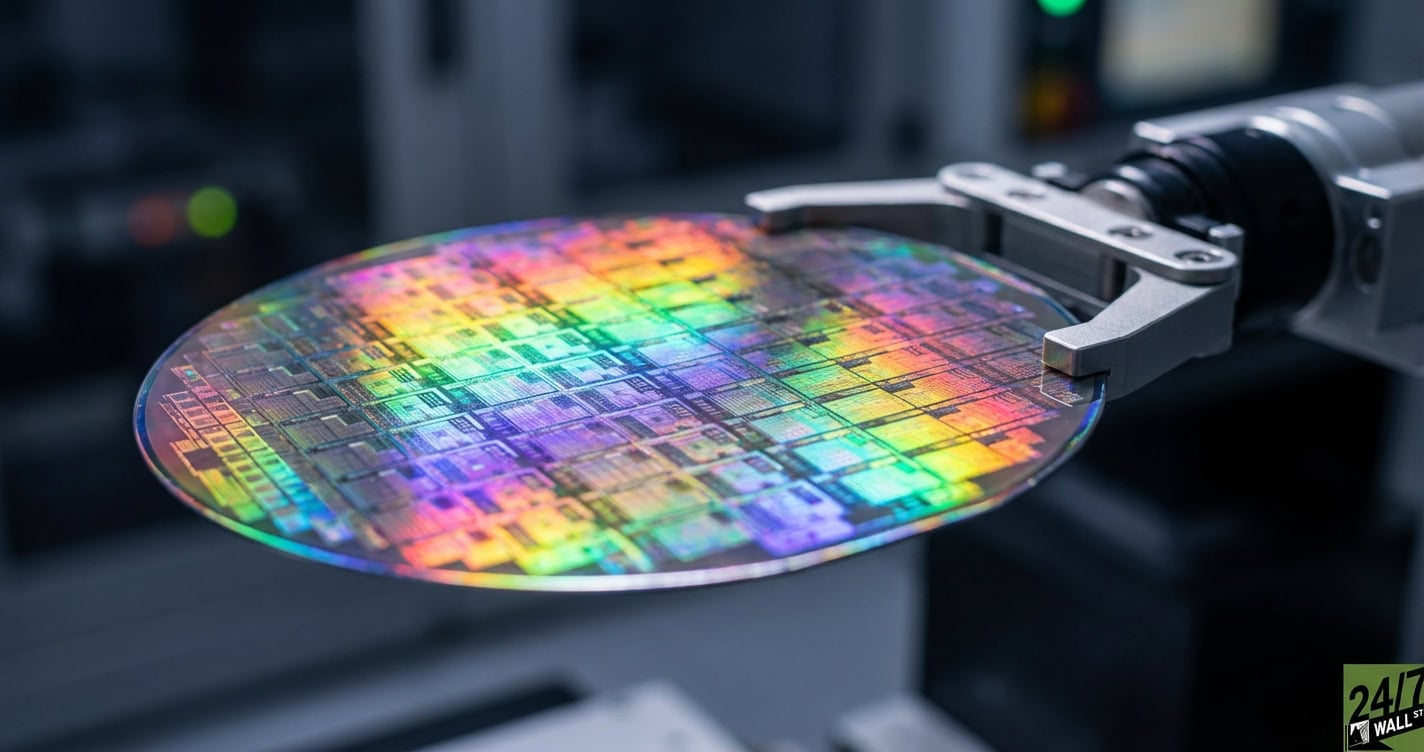
The need for higher performance and more energy-efficient chips is driving high growth rates for leading-edge logic, high-bandwidth memory and advanced packaging. These are areas where Applied is the process equipment leader, and we expect to grow our semiconductor equipment business over 20 percent this calendar year.
Global helium consumption runs about 6 billion cubic feet per year. Qatar supplied a big slice until this month. With one-third of output sidelined, prices have already soared.
Lace Lithography uses a beam of helium atoms rather than light to etch chip patterns, achieving a width of approximately 0.1 nanometres, which is about 135 times finer than ASML's EUV light.
Our custom accelerator business is progressing very well across five customers. Anthropic will soon implement one gigawatt of Broadcom-baked TPUs, and we expect the AI company plans a three-gigawatt deployment in 2027. Meta will install multiple gigawatts of Broadcom's XPU accelerators in 2027 and beyond. OpenAI will deploy over one gigawatt of compute capacity based on custom XPUs in 2027.
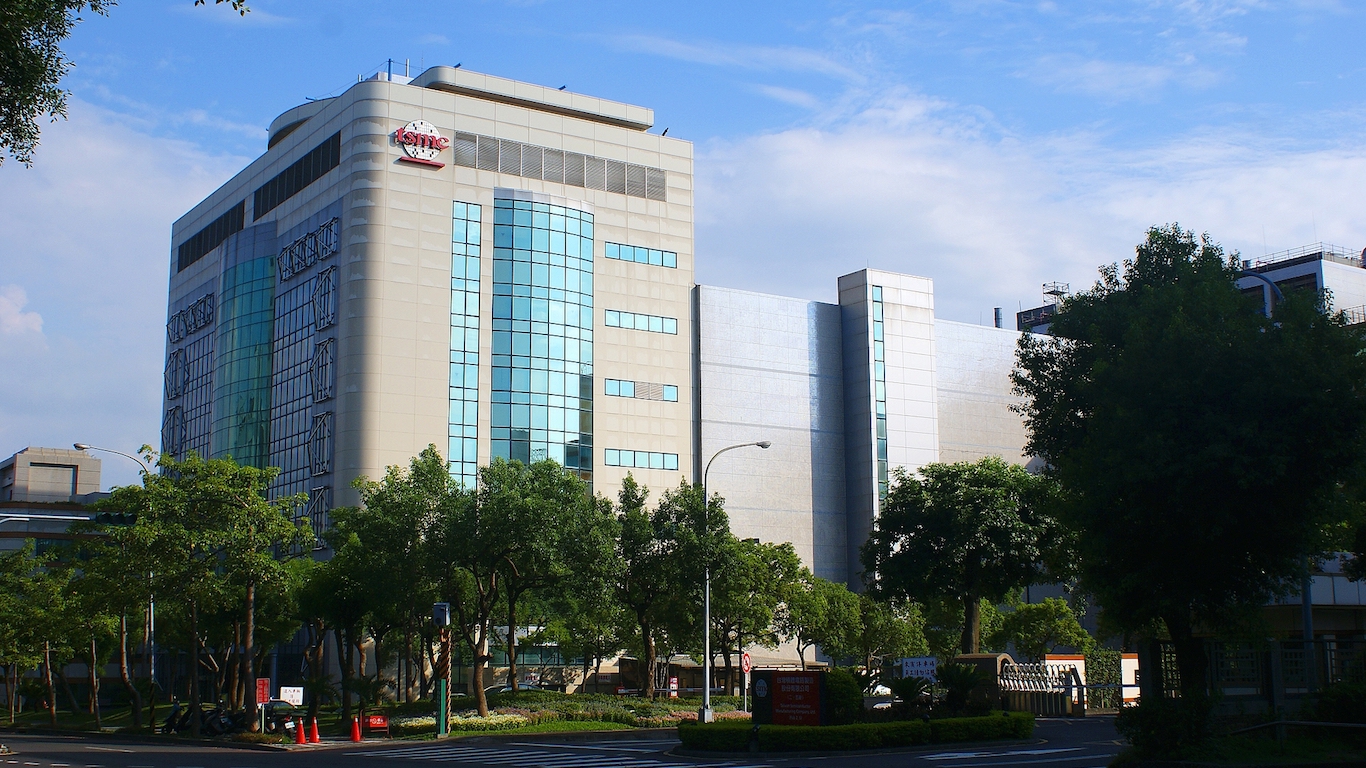
Taiwan Semiconductor Manufacturing (NYSE:TSM) sits at the center of this fund, representing 22.3% of the portfolio - a concentration that reflects TSMC's irreplaceable role in global chip supply chains. It manufactures chips for Apple, Nvidia, AMD, and virtually every other major technology company, and that dominance shows up in its financials: 45% profit margin and 35% return on equity that few industrial companies anywhere in the world can match.
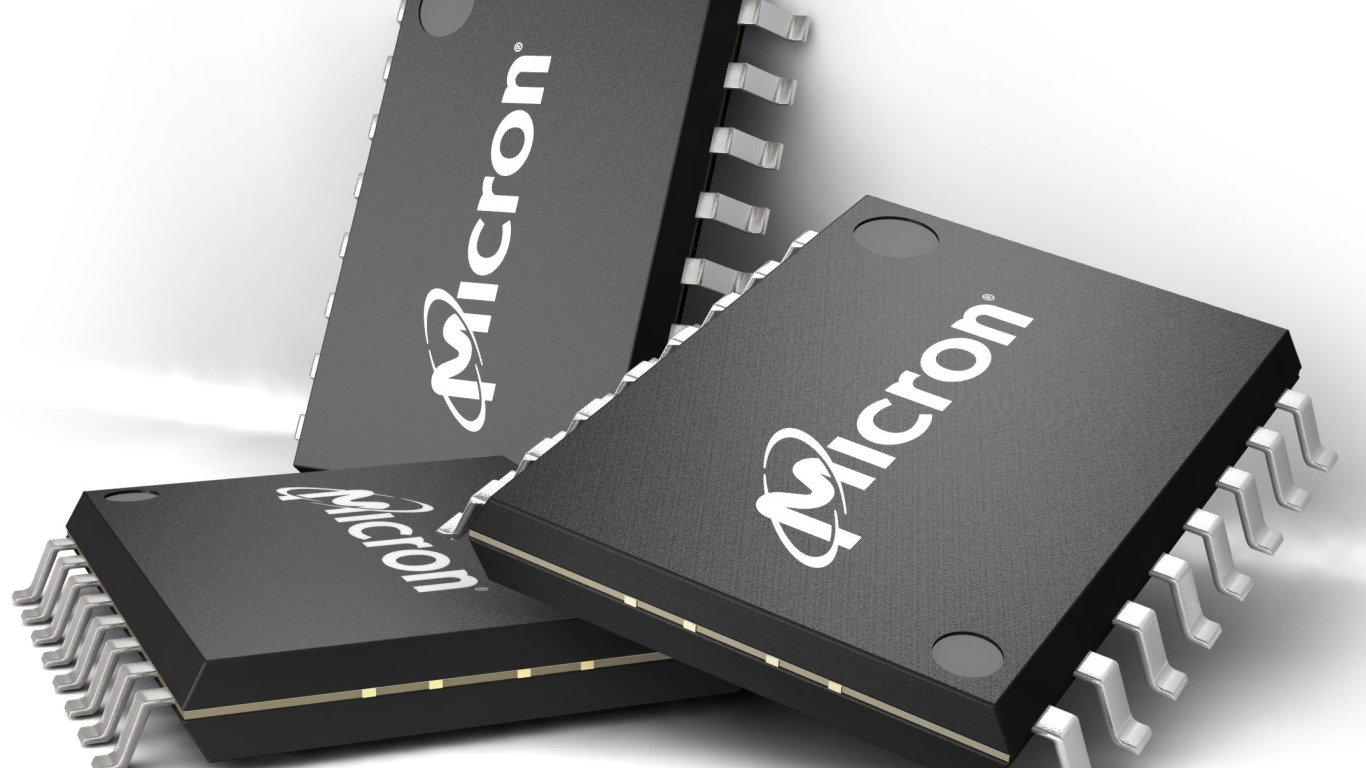
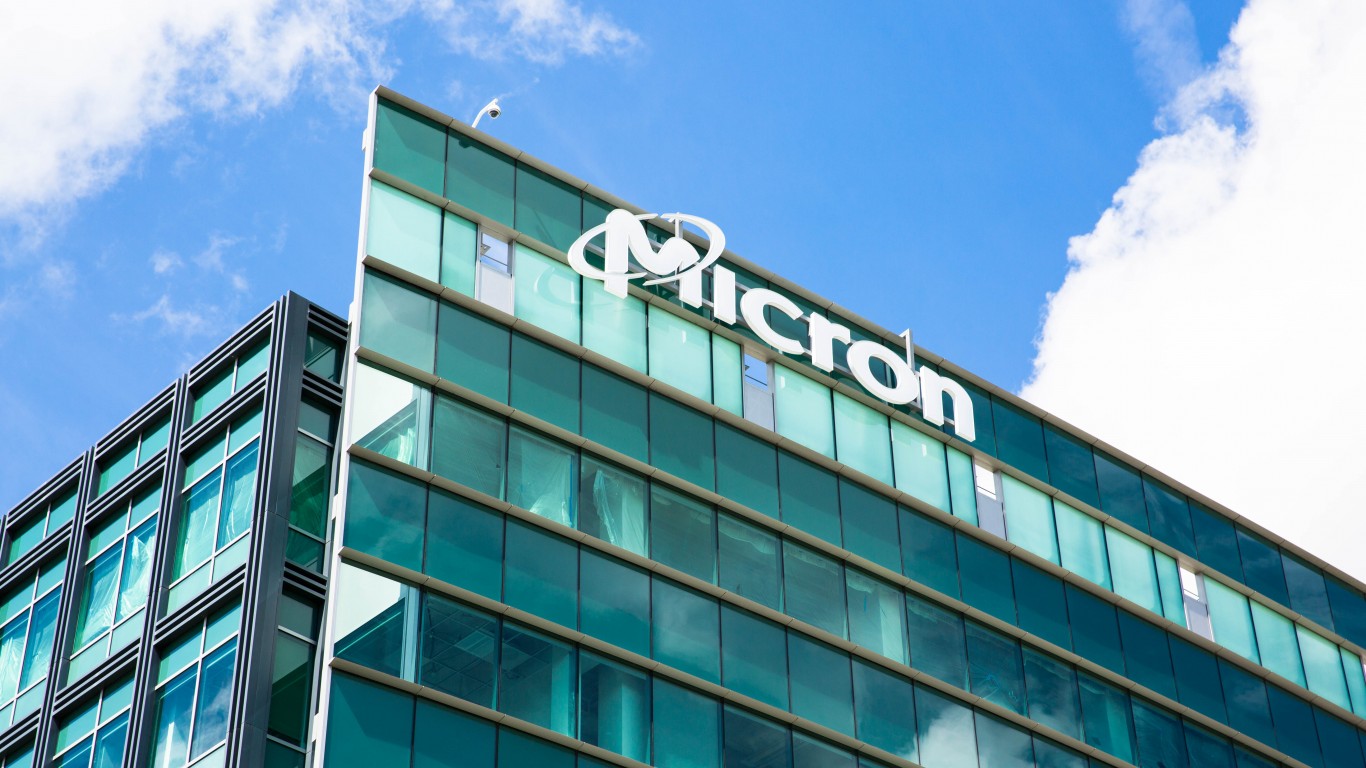
Micron broke snowy winter ground in New York on Friday to begin building a chip fab that promises to bring up to 50,000 jobs and much-needed computer memory production to US shores, as the AI boom continues to push memory prices up. The company's stock surged on the news that shovels had been put to work on the facility first announced in 2022, which had been bedeviled by environmental delays.
When Donald Trump nominated Elbridge Colby as the undersecretary of defense for policy, the news stirred headlines in Taiwan. Colby, who has since been confirmed, had repeatedly stated on social media that if China ever invaded Taiwan, the US military should destroy TSMC, the world's most important chip manufacturer, to prevent it from falling into Chinese hands. The provocative suggestion has been echoed by Democratic Representative Seth Moulton,
U.S. regulators have allegedly drafted rules that would require U.S. government approval to ship AI chips anywhere outside the U.S., according to Bloomberg, citing sources. This would give the U.S. significantly more control over companies like AMD and Nvidia.
The gold rush across the high-end processor market might help Apple's processor manufacturing partner, TSMC, drive harder bargains than in the past. That's because Apple's huge appetite for processors is being met by fast-growing demand for chips for servers. As a result, the cost of the chips used inside Macs, iPads, and iPhones will likely increase, putting even more inflationary pressure on Cupertino's bottom line.
As generative artificial-intelligence models become more sophisticated and eat up more energy to produce images and videos, the electronic chips that power them are reaching their limits of speed and efficiency. Optical chips - semiconductor chips that run on light rather than electricity - could solve these problems, say researchers working in the field. Such chips, also called photonic chips, are still years away from being integrated into consumer computers and are unlikely to wholly replace electronic chips.
Instead of paralyzing China's AI sector, these controls have promoted domestic self-reliance. With no choice but to develop indigenous workarounds and architectural innovations, Chinese businesses are decoupling AI progress from sheer hardware volume. U.S. policies have undoubtedly bought time, but they have also ushered in a parallel innovation ecosystem totally independent of Western influence.
Micron's version of events says it's signed a letter of intent to acquire Powerchip's entire P5 site in Tongluo, Taiwan, for total cash consideration of US$1.8 billion. "The acquisition includes an existing 300 mm fab cleanroom of 300,000 square feet and will further position Micron to address growing global demand for memory solutions," the company stated, adding that the company "expects this acquisition to contribute to meaningful DRAM wafer output beginning in the second half of calendar 2027."