#gps--exercise-modes
#gps--exercise-modes
[ follow ]
#wearable-technology #smartwatch #health-tracking #health-monitoring #battery-life #wearables #fitbit #apple-watch
:max_bytes(150000):strip_icc()/TAL-man-wearing-apple-watch-WEARABLETECH0426-2eb4f1a344cd457d94865439986e263e.jpg)


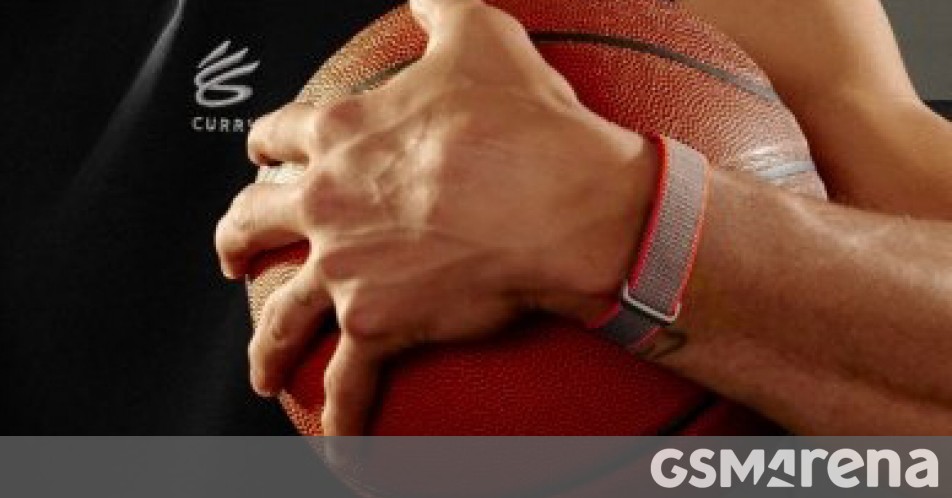
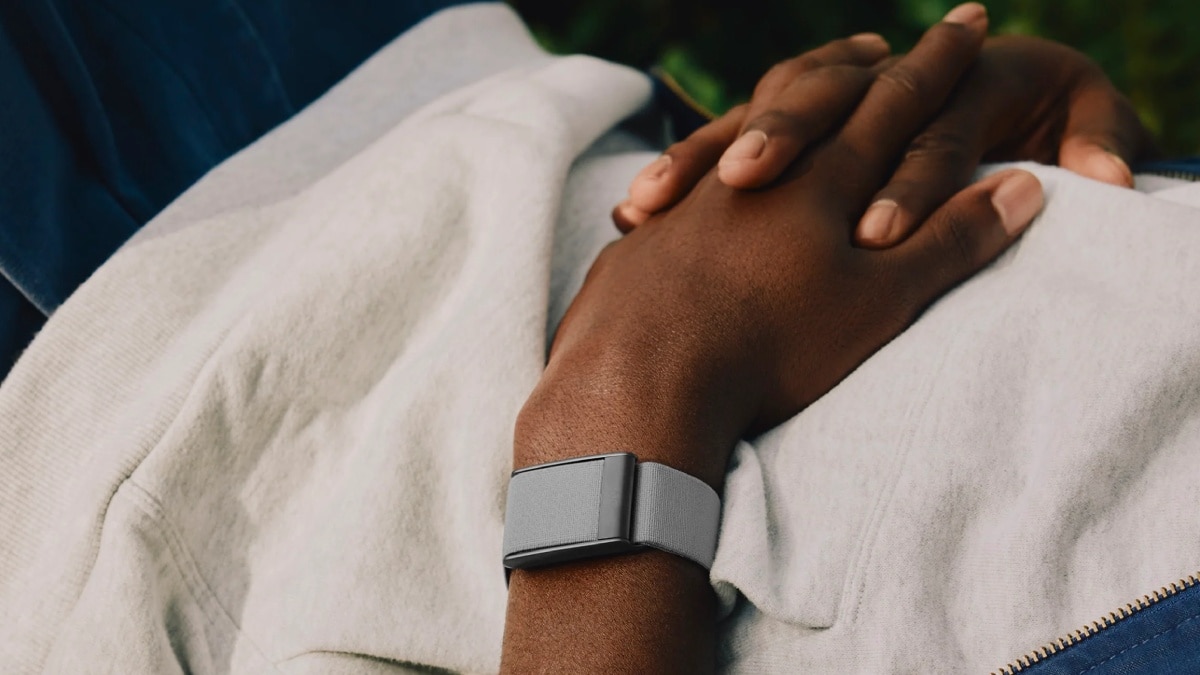


fromWIRED
2 days agoGarmin's Latest Training Features Fend Off the Advances of the Apple Watch
Food logging can be done in a few ways, including searching a database, scanning barcodes, or using AI-based camera analysis. Simpler items like eggs and fruit are identified well, but complex meals can be frustrating due to lighting and AI limitations.
Wearables
Alternative transportation
fromLondon Business News | Londonlovesbusiness.com
5 days agoE-bikes and mental health: Why outdoor riding reduces anxiety fast - London Business News | Londonlovesbusiness.com
Riding e-bikes enhances mental health by providing exercise, fresh air, and a stress-free commuting alternative.


Marketing tech
fromAdExchanger
2 weeks agoMyFitnessPal Wants To Start The Health And Wellness Subsector Of Retail Media | AdExchanger
MyFitnessPal launches a data-driven advertising business leveraging user meal planning and nutrition data, expanding from single mobile display ads to multiple formats including video, native ads, and branded integrations through direct sales channels.
Roam Research
fromZDNET
2 weeks agoThis tiny satellite device replaced my smartwatch while adventuring off-grid
The Garmin inReach Mini 3 Plus is a satellite communicator with touchscreen, longer battery life, improved antenna support, and a siren, offering better value than the Fenix 8 Pro watch for outdoor adventurers seeking safety and connectivity.
fromiRunFar
3 weeks agoAI-Powered Optimization: New Frontiers in Peak Running Performance
Super shoes and ultralight gear make a difference, but with new advancements in artificial intelligence (AI) that can look at our running form and compare it to the ideal, analyze our nutrition intake from a simple photo and help us plan our diets, and offer guidance on training and recovery, the interwovenness of technology and running is only set to increase.
Running



fromZDNET
1 month ago41 hidden Google Maps settings and features every power user should know
After writing about Google Maps for nearly 15 years, I've learned firsthand that it's packed with hidden settings, menus, and toggles. Many help you fine-tune the app to your liking, while others unlock new features you probably didn't know existed.
Roam Research
Health
fromZDNET
1 month agoThe Apple Watch missed my hypertension - but this blood pressure wearable caught it instantly
High blood pressure affects nearly half of US adults and causes over 1,000 deaths daily, making it a significant health threat that wearable devices like Apple Watch can help detect through continuous monitoring.
Mobile UX
fromGSMArena.com
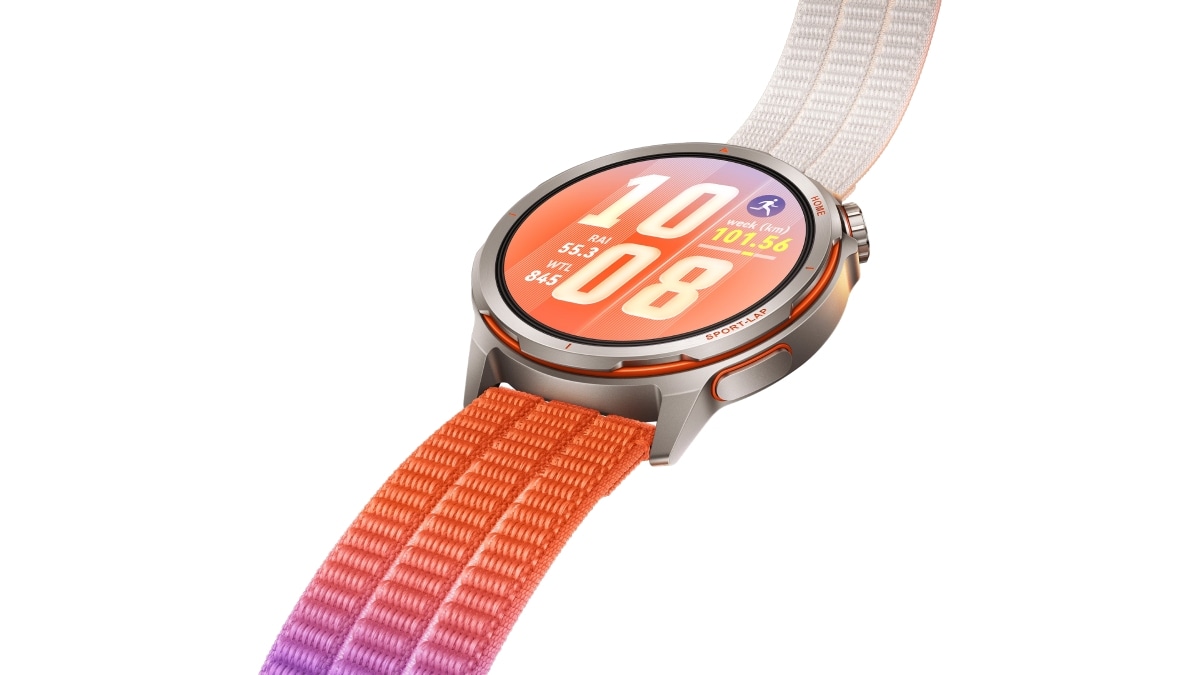
1 month agoHuawei Watch GT Runner 2 brings updated GPS antenna, marathon mode and 14 days of battery life
Huawei Watch GT Runner 2 is a specialized running watch featuring advanced GPS positioning, marathon training modes, and health monitoring, co-developed with Olympic runner Eliud Kipchoge.


Wearables
fromZDNET
2 weeks agoI wore the Whoop 5.0 for a month - it combines the best of the Oura Ring and Apple Watch
Whoop launched the 5.0 and MG health trackers to reach broader consumers, featuring blood pressure monitoring, ECG detection, and clinician-reviewed blood testing through Advanced Labs.
fromYoga Journal
2 months agoIf Fitness Tracking Exhausts You, You're Not Alone. Here's What to Consider Instead.
As someone who comes alive at 2 am and can easily sink into an hour-long vortex of consuming YouTube shorts, I started using an Oura ring to act as a sort of pseudo-parent. It's motivated me to stand up from my desk more often, swap my mid-day social media breaks for 20-minute meditations, and develop a more calming before-bed routine than letting one episode of Vanderpump Rules turn into three.
Yoga
Artificial intelligence
fromTechCrunch
2 months agoGoogle Maps now lets you access Gemini while walking and cycling | TechCrunch
Google Maps now provides Gemini-powered hands-free conversational navigation for walking and cycling, enabling voice queries, multi-question conversations, and hands-free messaging while navigating.



fromAbc
2 months agoIs it worth getting a desk treadmill to boost your steps?
Recent surveys estimate more than 6.7 million Australians - almost half of all workers, and the majority in Sydney, Melbourne and Canberra - work from home at least some of the time in paid or unpaid roles. With that increase in working from home, it's easy to spend too long sitting, which is now recognised as bad for our health.
Public health
fromZDNET
2 months agoAre AI health coach subscriptions a scam? My verdict after testing Fitbit's for a month
What can AI do for my health? Before testing Google's revamped Fitbit Premium, powered by Gemini, I didn't believe it could do that much. Of course, I'm aware of the technology's ability to comb through large datasets to decode patterns. That's helpful for exercise, sleep tracking, or predicting illness or strain. It's one of the reasons I love using devices like smartwatches and smart rings to track my health.
Wellness
Running
fromKotaku
2 months agoGarmin Helps You Hit Your 2026 Fitness Goals, Now Selling the Forerunner 55 at Its Lowest Price Ever - Kotaku
Garmin Forerunner 55 offers GPS, wrist-based heart rate, multi-sport support, adaptive training plans, continuous health tracking, and a limited-time $50 Amazon discount to $149.
fromGSMArena.com
1 month agoA Meta smartwatch is reportedly coming this year
Rumors of a Meta smartwatch first surfaced in 2021, with leaked images appearing in 2022 before reports claimed the project was shelved. Now, a new report says Meta has revived the smartwatch project and plans to launch it this year. According to The Information, citing sources familiar with the project, Meta's upcoming smartwatch, internally codenamed Malibu 2, is expected to launch in 2026 with health-tracking capabilities and Meta AI features.
Mobile UX
fromWIRED
3 weeks agoThe Fort Strength Training Wearable Tracks Your Sets
We use the IMU sensors to detect which exercise the user is performing and identify the period engaging in concentric, eccentric, or isometric hold. These are the three main types of lifting exercises; you might know them as contracting, lengthening, or static exercises. The Fort uses the wrist as a proxy for bar velocity, and the company is seeking FDA clearance and will also be pursuing large, third-party studies from independent labs.
Wearables


fromTheoldguybicycleblog
1 month agoDoes the Garmin Varia Work With Wahoo Bike Computers? (My Real-World Test)
Yes - the Garmin Varia radar works with Wahoo bike computers (including the Wahoo ELEMNT BOLT). Once paired, your Wahoo shows a Quick Answer:left-side radar strip(You can put it on the right side if you prefer) and car icons that move as vehicles approach from behind. It gives you earlier awareness than a mirror alone, especially on quiet roads where you can lose focus. Why I Wanted This Answer Before I Bought One For years I relied on my Take-A-Look mirror.
Bicycling
fromInsideHook
1 month agoThis AI-Powered Home Gym Acts As Your Own Personal Trainer
I felt too intimidated to try weight lifting again on my own, but wanted to experience the benefits those gym workouts provide, which is quite different to my typical routine of pilates, tennis and pole. Simultaneously, I've been working toward a solid home gym situation (while understanding my limited space in a one-bedroom in Queens). I began investigating full out home gym tech, and AEKE stood out as the most exciting of the bunch, because it most similarly aligned with having a personal trainer. I tried out the AEKE Smart Home Gym K1 with the Bench.
Gadgets
fromZDNET
2 months agoThis tracker fits inside your bra to measure blood flow - and lasts longer than your smartwatch
Petal is a bra insert that uses bio-impedance sensors and electrical measurements to monitor blood flow near the heart. Because wearers position the insert right next to the heart, the device can capture more accurate readings than your typical smartwatch, Petal says. The device comes in one size and fits snug against each breast. It's made with biocompatible materials, including a soft European fabric and a polyurethane-coated interior.
Health
Gadgets
fromZDNET
2 months agoI've tried countless tracker tags, and these are the best I've found for Android
Rolling Square's AirNotch Pro Dual tags provide cross-platform Find My and Google Find Hub compatibility, durable IP68 construction, long battery life, omnidirectional sound, and built-in key attachment.
Wearables
fromWIRED
1 month agoIf a Garmin Is Too Expensive, Consider Suunto's Latest Adventure Watch
The Suunto Vertical 2 features an AMOLED display, LED flashlight, and physical buttons with improved durability, though battery life decreased by approximately 10 days compared to its predecessor due to the display upgrade.
fromTheoldguybicycleblog
1 month agoWhy I'm Talking About a $100 Bike Computer (Even Though I Ride a $350 One)
I personally ride a Wahoo ELEMNT BOLT and love it - but a lot of riders don't want to spend $350 on a bike computer. The COOSPO CS600 usually sells for around $100. Sometimes a little less. That puts it in a completely different category than the Wahoo. I want to be very clear about something: I do not ride this unit myself. I'm not pretending I do, and I'm not recommending it as a replacement for the Wahoo.
Gadgets
fromEngadget
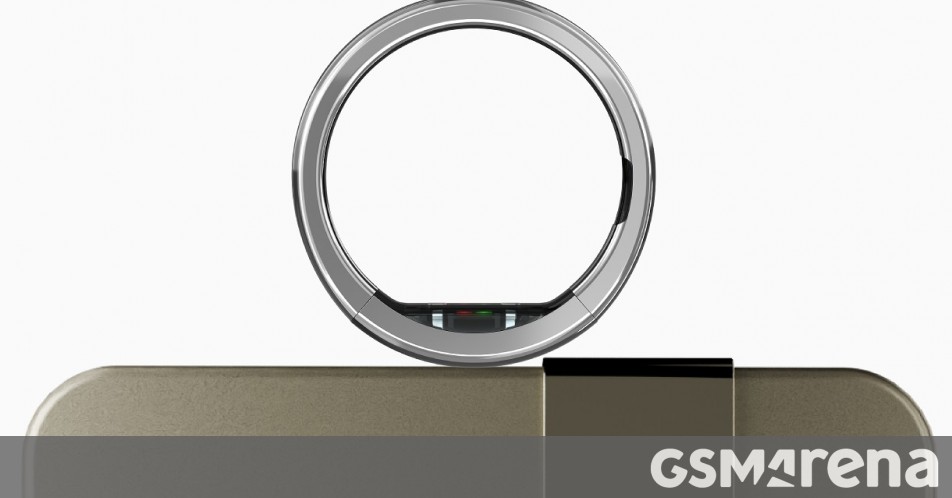
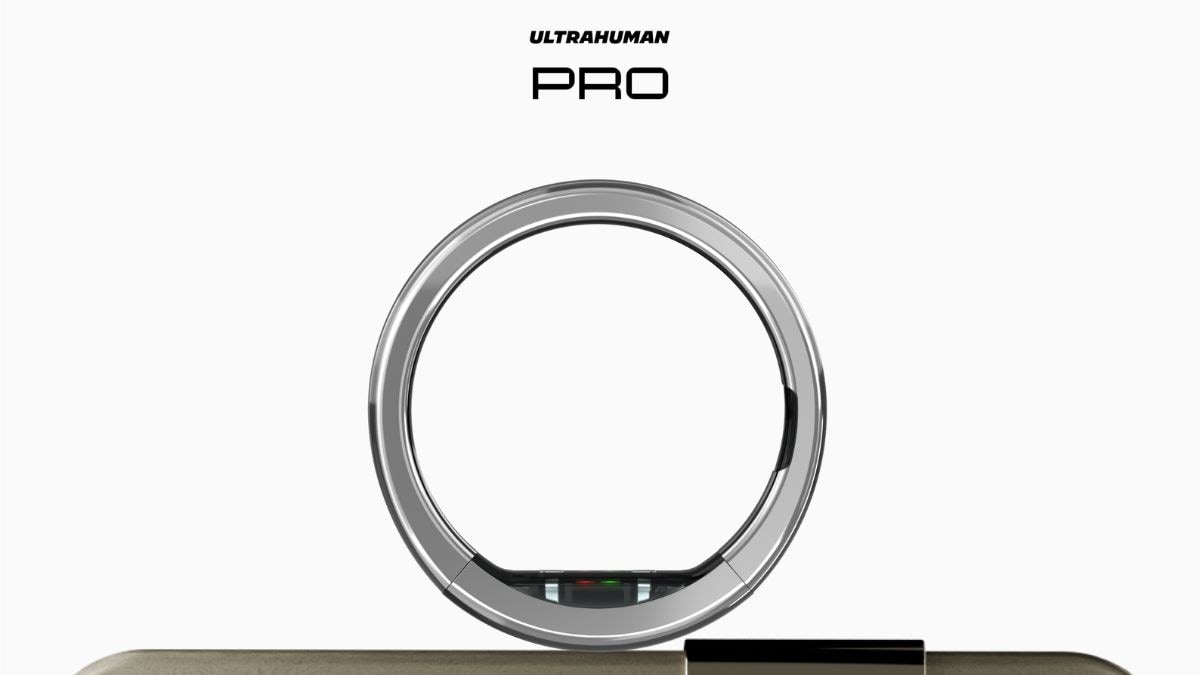
1 month agoUltrahuman's new Pro ring comes with 15 days battery life
If there's one thing that stops people using their smart rings over the long term, it's the battery life. After all, they're so unobtrusive, it's easy to forget to drop it on the charging plate every few days. It doesn't take long for your pricey gadget to become little more than a very expensive piece of jewelry.
Wearables


fromCNET
2 months agoThis Is the Best Walking Pad for Remote Work
As a fitness writer and mom, I'm constantly multitasking. Whether it's meeting deadlines or managing my household, it can sometimes be hard to put myself first. I prefer walking and running outdoors for cardio, and I even have a jogging stroller to bring my son along for the ride. Now that winter has set in, it's harder to get movement in. If you work remotely and don't want to skip out on your step count, an under-desk treadmill might be a good option to have on hand.
Gadgets
Wearables
fromTechCrunch
1 month agoWearable startup CUDIS launches a new health ring line with an AI-fueled 'coach' | TechCrunch
CUDIS launches an AI-powered health ring with an agent coach, gamified points system for healthy behaviors, and Pace of Aging tracking to incentivize and optimize user wellness.
fromGadgets 360
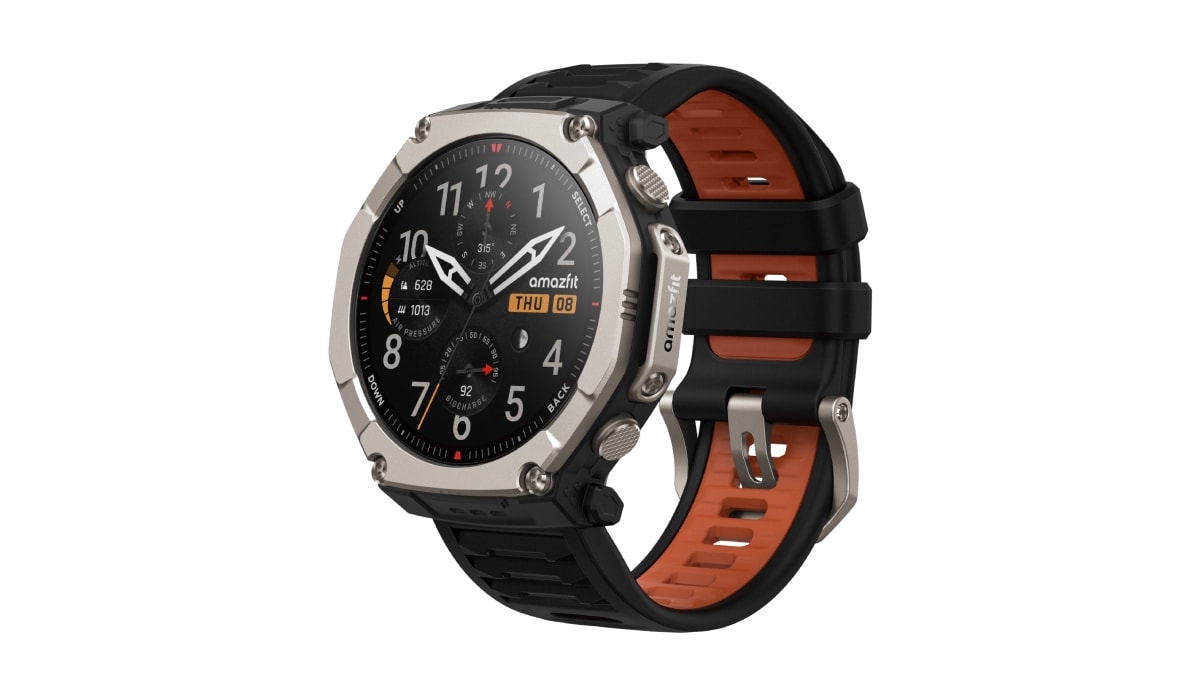
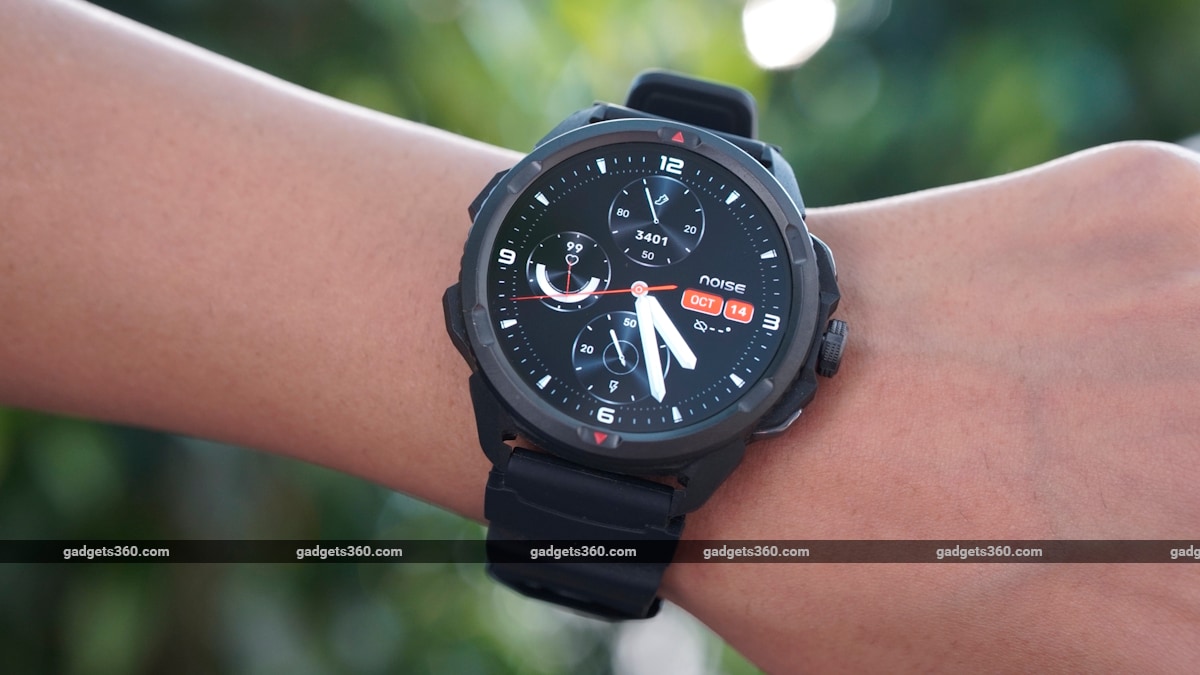
1 month agoBest Smartwatches Under Rs 20,000 in India: Amazfit T-Rex 3, OnePlus Watch 2R, More
The smartwatch market in India has expanded quickly, and buyers now have access to feature-packed wearables that offer a strong mix of design, fitness tracking, health monitoring, and battery life at affordable prices. Brands also offer useful features like built-in GPS navigation (without relying on a connected smartwatch), sensors that monitor specific health metrics, and smarter software to the mid-range segment, making it easier to find a capable watch without overspending.
Wearables
fromLondon Business News | Londonlovesbusiness.com
1 month agoWearable tech sparks a stir at the Australian Open - London Business News | Londonlovesbusiness.com
A tennis match usually starts with rituals you can set your watch by. A towel tug, a ball bounce, a glance at the strings. This year, a different ritual stole the first spotlight, because officials asked top players to take off a wrist wearable before they played, and the moment landed like a plot twist you did not order. This piece walks you through what happened, why it happened, and what it says about where tennis sits with athlete data right now.
Wearables


Wearables
fromKotaku
2 months agoGarmin Clears Out Fitness GPS Smartwatch at Its Lowest Price, Vivoactive 5 Now Cheaper Than Apple Watches - Kotaku
Garmin Vivoactive 5 is discounted on Amazon and offers an AMOLED display, extensive health monitoring, over 30 workout apps, and lightweight all-day wearability.
[ Load more ]