Design
fromPsychology Today
18 hours agoThe Future of Brain Health Is Architecture
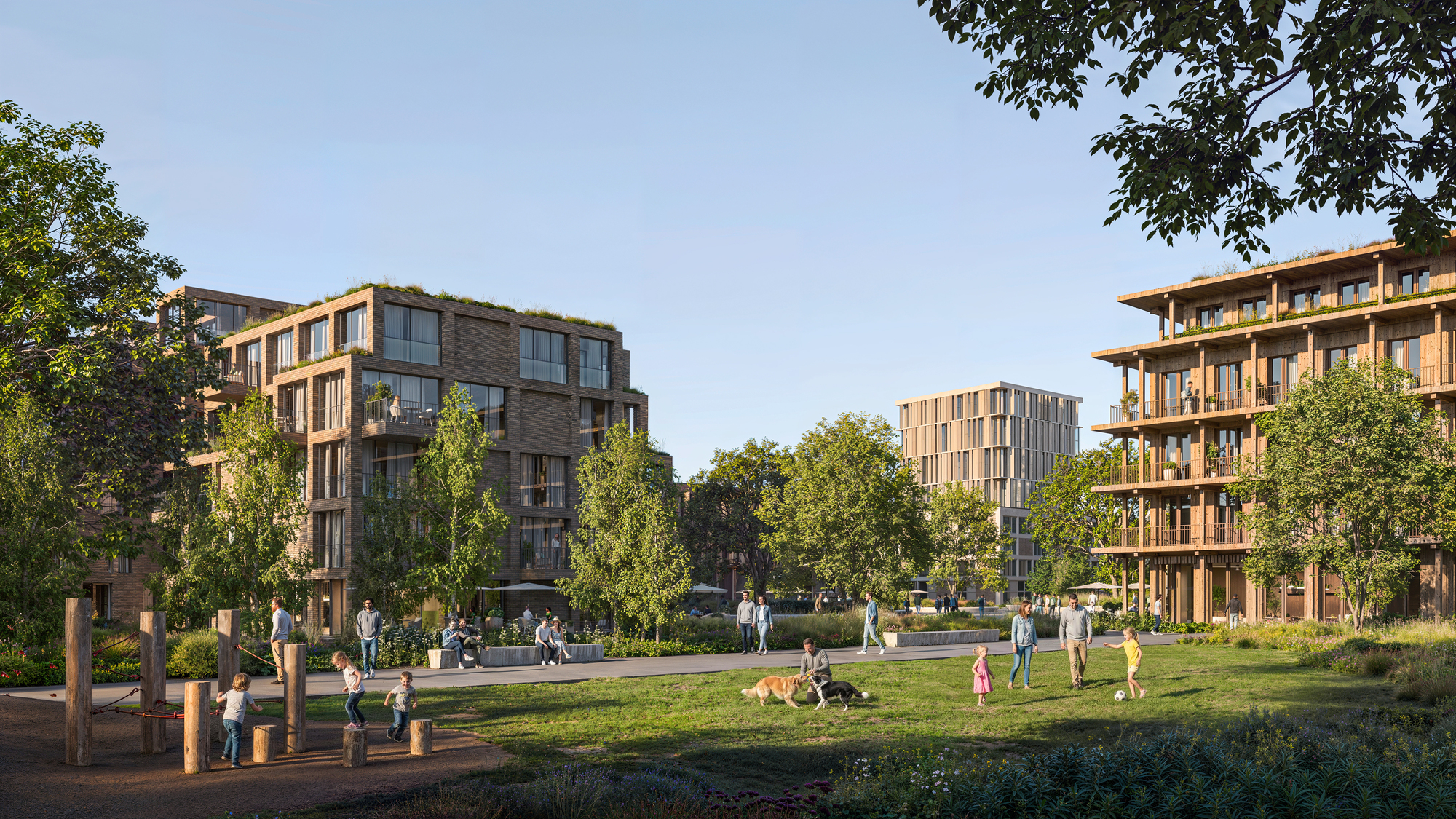
The built environment significantly influences mental health, mood, and performance, with neuroscience guiding design for improved well-being.
When lives are assigned a higher dollar value, stricter pollution standards tend to clear the 'economic efficiency' sniff test, resulting in cleaner air. But that improved air quality comes at the expense of America's industrial industries, which have to invest in pricey systems to reduce the amount of these pollutants they spew down to acceptable levels.
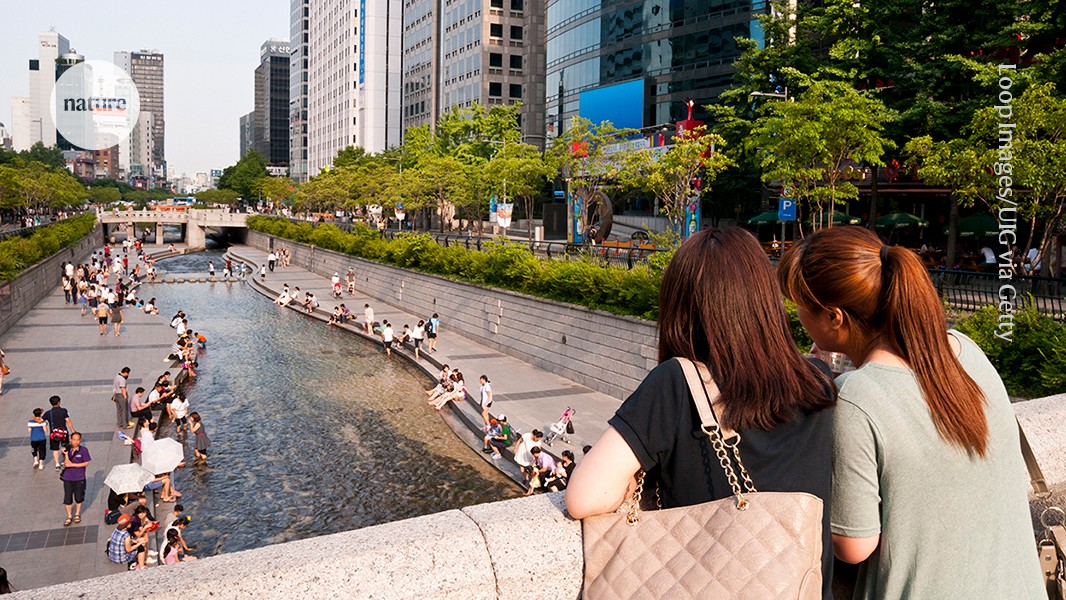
"This project is symbolic of what we've done over the last 12 years, reshaping the streets and the city," Christophe Najovski, the city's deputy mayor in charge of green spaces, stated during the opening ceremony.
"Too often, California makes the best transportation projects fight the hardest for approval. AB 1976 starts to change that by modernizing outdated rules, limiting unreasonable process hurdles, and creating a clearer path to safer, more people-oriented streets," said Marc T. Vukcevich, Director of State Policy, Streets For All.
In 2019, scientists found that balloons eaten by seabirds are more likely to kill them than other kinds of plastic yet they do not seem to have been earmarked in the same way as, for example, plastic straws.
The Greenbelt, an over 800,000-hectare ecologically sensitive zone around the Greater Golden Horseshoe, was created in 2005. It provides environmental protection and specifies where development should not occur.
Campaigner Aysha Hawcutt stated that residents were 'not anti-homes', but believed the Adlington plan was 'the wrong proposal in the wrong place'. She expressed pride in the community's resilience against the development threats.
The city of Orlando happens to have the most green space per resident than any other major city, according to a new analysis from travel platform BookRetreats. The city, known as The City Beautiful, offers roughly 2,777 square feet of greenery per person. That translates to more than 148 parks, gardens, and recreation areas, according to the study, with plenty of lakes, trails, and botanical gardens to explore.
While the data shows 80% of people live within walking distance of green or blue spaces such as a river, park or woodland, it also reveals a disparity between rural and poorer urban areas. In some areas of local authorities, fewer than 20% of residents live close to these spaces, according to data released by the Department for Environment, Food and Rural Affairs on Wednesday.
Though they're individually tiny, parking spots quietly play a dominant role in shaping urban landscapes. Most US cities dedicate at least 25% of their developable land to them. Some, even more. That land usage doesn't only determine the way a city looks. It also means covering large swathes of urban areas in heat-absorbing asphalt, which contributes to making summers hotter and heightens the risk of flooding since it prevents drainage during storms and heavy rainfall.
We genuinely welcome feedback and ideas about the future of the Zoo, and we're always open to thoughtful public input. That said, the first time we saw this proposal was this week in a newspaper opinion piece, and we do not consider this idea realistic. Anyone can come up with a fanciful plan and pretty pictures, but these images do not reflect the complexity or responsibility involved in caring for animals, conservation of species, and operating a major public institution.
Jane Jacobs was also one of the voices that challenged this predominantly rationalist logic, arguing that truly vibrant streets are those capable of sustaining the diversity of everyday life, its informal exchanges, and the forms of care and natural surveillance that emerge from them. What these authors share is a fundamental insight: streets are not merely infrastructures for circulation, but social ecosystems, shaped by the relationships, uses, and encounters that take place within them.
It shows up three times a day, on your plate. The U.S. spends over $30 billion annually on agricultural subsidies. Most support corn and soy, crops that become livestock feed, not food for people. U.S. meat is artificially cheap, which has locked us into a high-emissions food system. It's the highway funding of food: a policy choice that induces demand and reinforces path dependency.