#guildhall
#guildhall
[ follow ]
#heritage #urban-development #cultural-heritage #london #pedestrianisation #southbank-centre #brutalism

Photography
fromLondon Business News | Londonlovesbusiness.com
3 days agoCapturing connection: How to document your next London networking event - London Business News | Londonlovesbusiness.com
Collaborating with a professional event photographer is essential for capturing meaningful moments and enhancing brand storytelling through high-quality images.
fromMedievalists.net
3 days agoMedieval Gold Discovery Goes on Display in Newcastle - Medievalists.net
We are delighted to unite these incredible archaeological finds from across the North for our latest exhibition. From Roman silver discovered along Hadrian's Wall to 9th-century gold found by a Newcastle University student, this is a rare opportunity to see these scattered treasures displayed alongside one another.
History
fromTime Out London
3 weeks agoA new 15 million music venue will open in a legendary old east London theatre
The Victorian building is set to become a 2,300-capacity venue, which the company says will showcase 'a wide range of artists'. The building dates back to 1896, when it was used as a theatre and opera house, before closing its doors in 1933. After that, it became a cinema - though this, too, closed in 1969.
London music
fromLondon On The Inside
4 weeks agoThe Community Space Like No Other | Neighbourhood Watch
The Exchange is a community hub powered by North Paddington Foodbank who are the UK's first and only cash-first foodbank. Instead of offering food parcels, the foodbank gives out cash and vouchers instead, creating real routes out of crisis. This in turn helps foodbanks evolve into hubs of culture, care and community.
London startup
UK politics
fromwww.theguardian.com
1 month agoParliament should leave the London bubble and the Palace of Westminster be repurposed | Letters
Parliament should permanently relocate from London to a geographically central location like Derby, reducing costs, improving accessibility, and generating revenue through heritage tourism of renovated historic buildings.
London music
fromTime Out London
3 weeks agoYou can see six incredible plays at the Barbican for free this month - and you'll be the only audience member
Theatre for One offers free five-minute Irish plays performed individually to single audience members in a booth at the Barbican Centre during its main theatre refurbishment.
#barbican-centre-renovation
London
fromTime Out London
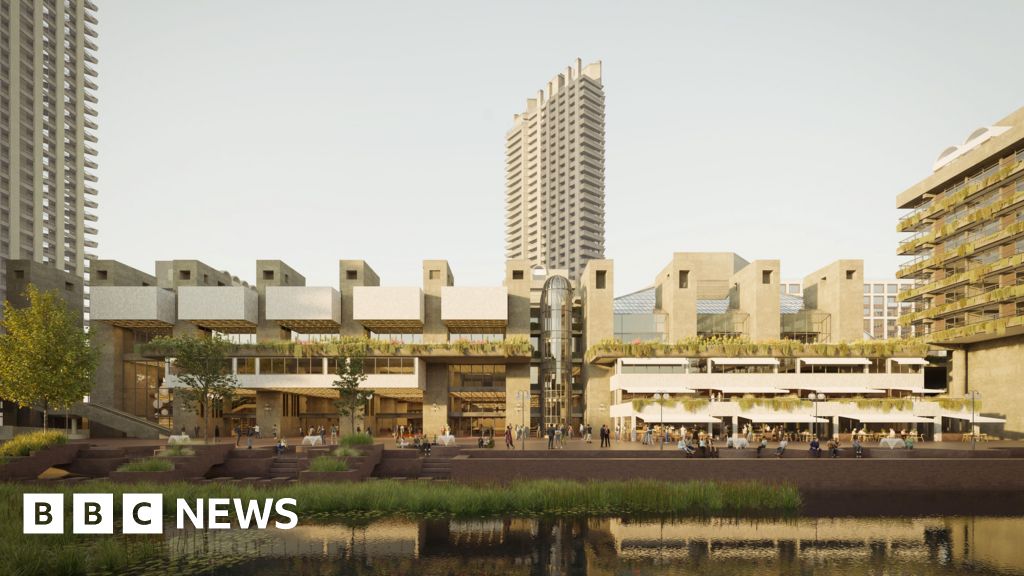
1 month agoEverything you need to know about the huge 231 million makeover of London's Barbican
The Barbican Centre receives £231 million in approved upgrades including Conservatory improvements, enhanced accessibility, a multi-faith prayer room, and improved wayfinding throughout the complex.
London
fromTime Out London
1 month agoEverything you need to know about the huge 231 million makeover of London's Barbican
The Barbican Centre receives £231 million in approved upgrades including Conservatory improvements, enhanced accessibility, a multi-faith prayer room, and improved wayfinding throughout the complex.
London politics
fromwww.standard.co.uk
2 weeks ago176-year-old London pub facing demolition gets lifeline as plans for flats rejected
Greenwich Council rejected plans to demolish the 176-year-old Anglesea Arms pub in Woolwich for a second time, citing insufficient evidence that the pub is no longer commercially viable.
fromianVisits
1 month agoBarbican's 231m renewal gets green light - with year-long closure planned
At the heart of the scheme is a substantial upgrade to the Barbican's Conservatory. Longstanding maintenance and accessibility issues will be addressed, alongside the creation of a climate-controlled environment to protect its plant collection. The revamped Conservatory is intended to become a more prominent visitor attraction, with regular free public access and new routes to raised balconies offering views across the tropical landscape.
Renovation
fromwww.theguardian.com
1 month agoThe Guardian view on saving Westminster: parliament should leave London | Editorial
The palace, rebuilt after a fire destroyed it in 1834, is falling apart. There have been 36 fire incidents since 2016. Water leaks, heating failures and sewerage problems plague the heart of this Unesco world heritage site. Fixing Westminster would save money in the long run. An upgrade is also a matter of safety and legacy.
UK politics
Renovation
fromwww.standard.co.uk
1 month agoNeighbours at war over plans to build over last surviving' Georgian entrance at 1.6m Greenwich home
A proposed two-floor extension to a Georgian listed house in Greenwich would destroy the last remaining example of architect Michael Searles' distinctive recessed entrance bay design, sparking heritage concerns and neighbour disputes.
fromLondon On The Inside
3 weeks agoWhy Leicester Square Is Quietly Becoming London's Casino Quarter
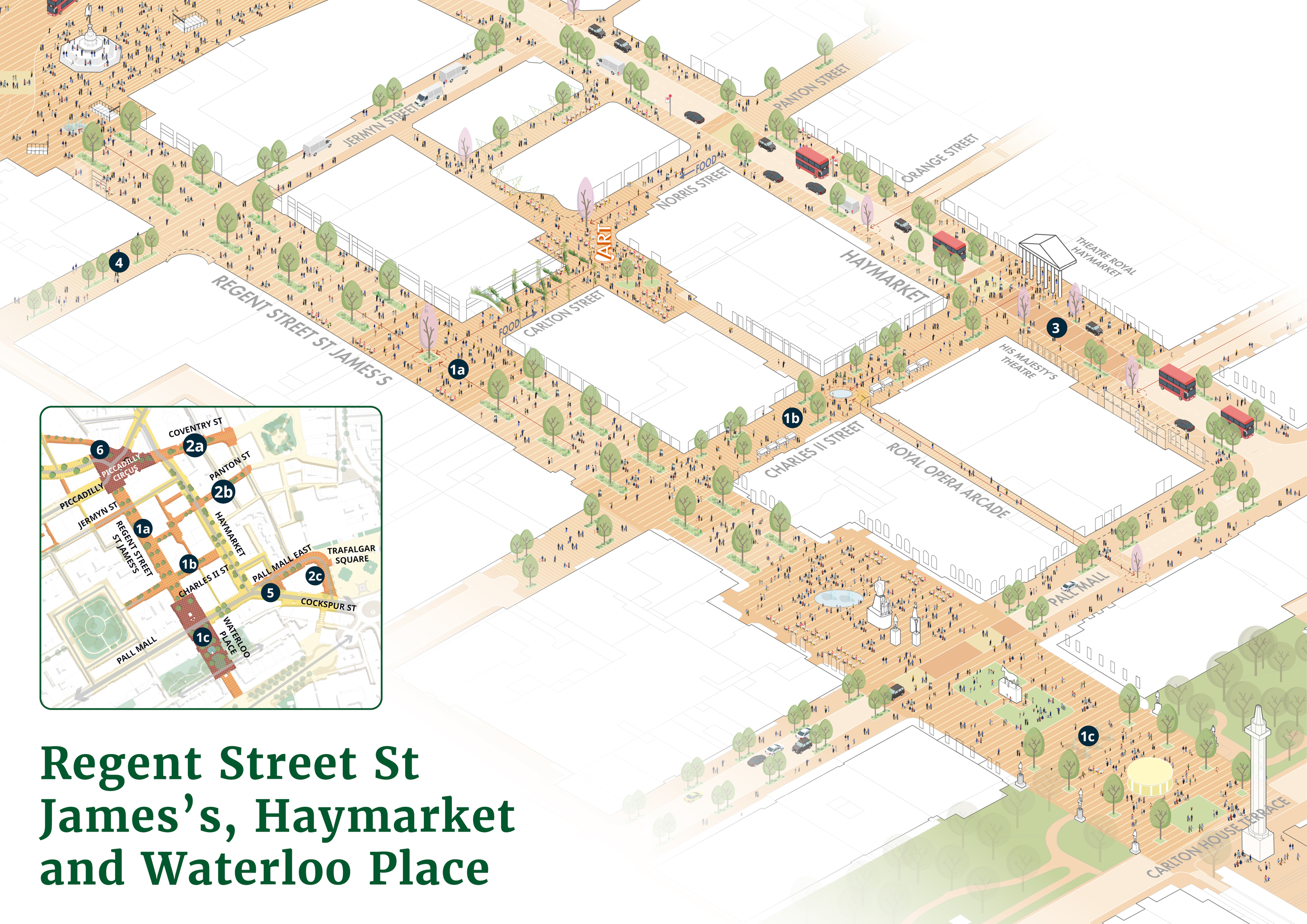
In October last year, permission was given by councillors in London to turn the iconic Trocadero building into a two-storey casino and restaurant. Situated on Coventry Street, it is perfectly situated between Piccadilly Circus and Leicester Square. This meeting place and bustling hub has long been at the heart of London's entertainment scene.
London politics
fromwww.amny.com
1 month agoDeck the Halls of Valhalla brings the Middle Ages to Brooklyn | amNewYork
This Sunday, step back a century (or ten) at the Society for Creative Anachronism's ninth annual Deck the Halls of Valhalla, featuring activities and performances highlighting the arts of the Middle Ages. New York City better known as the Crown Province of stgar resides in the East Kingdom of the SCA, a Medieval history and culture organization with members around the globe.
History
fromwww.bbc.com
1 month agoHornsey Town Hall taken off at-risk register
Bringing such a culturally and historically significant building back into public use has been a huge privilege for everyone involved. This restoration has taken years of considered collaboration and care, guided by a shared commitment to do justice to the Town Hall's heritage while giving it a new lease of life and protecting it for future generations to enjoy.
Remodel
fromianVisits
1 month agoAmersham's fairground organ museum is starting to offer tours
The charming Amersham fairground organ museum, which is usually open a few Sundays per year, has now started offering guided tours. The occasional open days are more a chance to sit and listen to the old fair organs playing their pipes, and have a nice lunch at the same time. However, the guided tours, which will take place on Saturdays, will offer a deeper dive into their collection of organs and the music cards that control them.
Music
Arts
fromThe Art Newspaper - International art news and events
3 months agoHow UK museums are embracing citizens' assemblies to help frame their futures
UK museums are using citizens' assemblies to involve the public in shaping institutional policy, priorities and funding decisions, leveraging museums' public trust.
fromTime Out London
1 month agoThis gorgeous art deco office building in the City of London is being converted into a hotel
If you're an art deco architecture geek, you'll no doubt know all about Ibex House. The shimmering pale office building, which you'll find on the east side of the Minories in the City, is renowned for its long streamline moderne curves and mesmerising black-framed windows. The vast H-shaped structure is Grade II-listed and one of London's most remarkable surviving art deco buildings.
Remodel
fromwww.standard.co.uk
1 month agoLondon's biggest theatre to be built and it's not in the West End
At Troubadour, we are driven by a belief in creating extraordinary spaces that inspire artists, audiences, and the stories they come together to share. The 3,000 seat venue is to be built in Greenwich Securing planning permission for the new Troubadour Greenwich Peninsula Theatre marks a major milestone for us, and an exciting new chapter in our commitment to bold, large-scale live performance.
Arts


London politics
fromwww.standard.co.uk
1 month agoTower of London 'at-risk of serious harm' under draft plan for Square Mile
Historic England warns that the City of London Corporation's City Plan 2040 poses serious risks to the Tower of London's preservation due to excessive development scale and location.
fromianVisits
2 months agoTickets Alert: Open days at Whitehall's Banqueting House
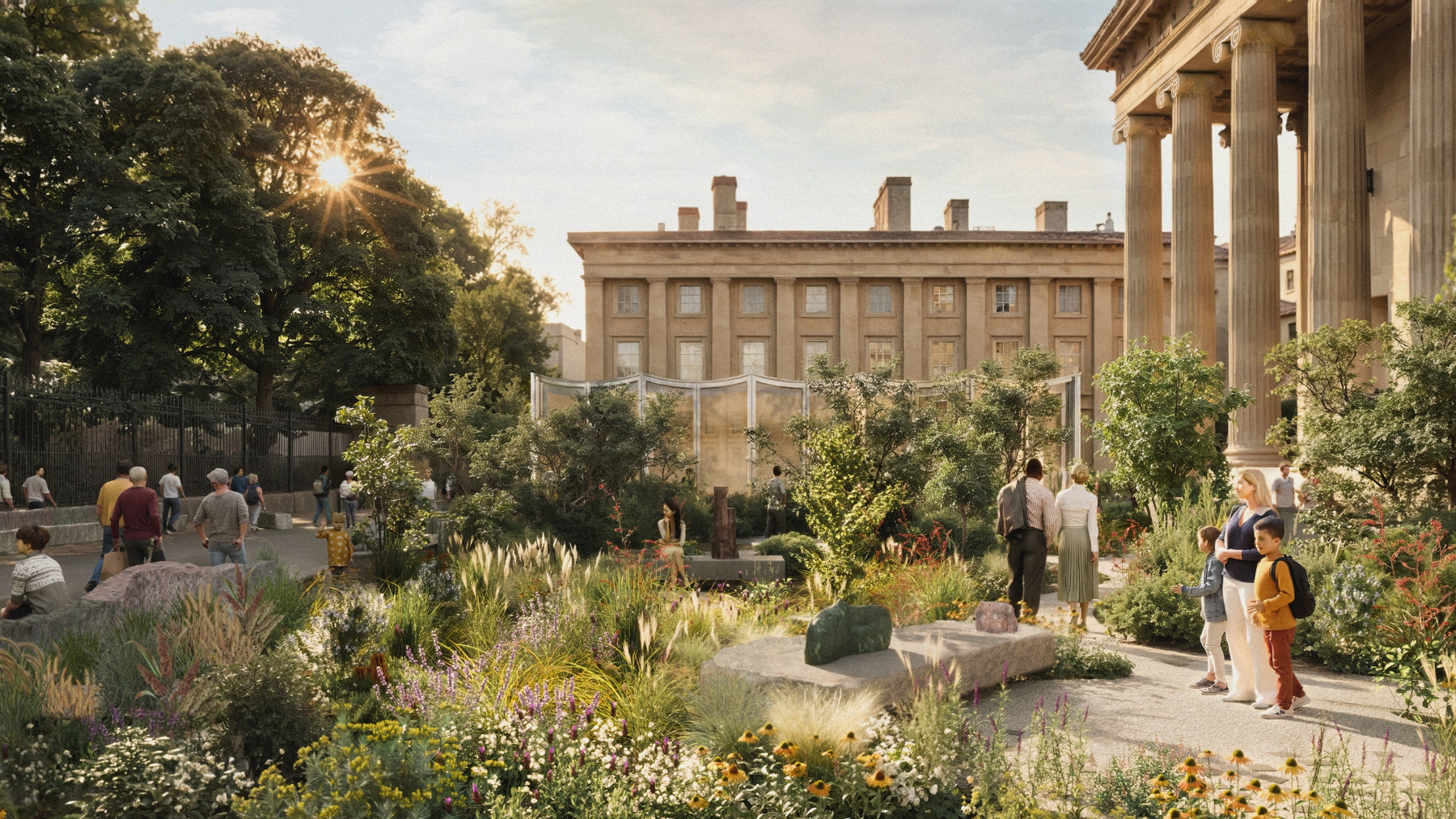
Whitehall's Banqueting House, one of the few survivors of the vast Palace of Whitehall, is due to reopen this summer, but is having a few preview days before fully reopening. Inside the highlight is the painted ceiling by Sir Peter Paul Rubens, commissioned by King Charles I and installed in 1636. That painted ceiling would also have been one of the last things the King saw when he was led out onto the scaffolding to be executed.
fromianVisits
2 months agoPikes at the Palace: English civil war re-enactors to march through London
So, on Sunday 25th January, members of the reenactment society will converge on The Mall from all across the country, some arriving already dressed in buff coats and broad-brimmed hats, others changing into period clothing on arrival. There are pikes to be shouldered, muskets checked, and a few tentative practice swings as old drill is recalled, before the ranks are set and order restored.
History
fromianVisits
1 month agoYou can now have afternoon tea in the Old Bailey
The afternoon starts with a tour of the Old Bailey, including the courtrooms, the judges' dining room, and the cells below. If you've booked the afternoon tea, you're taken back up to the richly decorated Great Hall for an afternoon tea surrounded by all the pomp and grandeur that the hall can deliver.
London
fromwww.independent.co.uk
2 months agoPensioner threatens to chain himself to historic lamppost if council plan goes ahead
From reproductive rights to climate change to Big Tech, The Independent is on the ground when the story is developing. Whether it's investigating the financials of Elon Musk's pro-Trump PAC or producing our latest documentary, 'The A Word', which shines a light on the American women fighting for reproductive rights, we know how important it is to parse out the facts from the messaging.
UK news
Renovation
fromThe Art Newspaper - International art news and events
1 month agoLondon's Brustalist Southbank Centre awarded protected heritage status
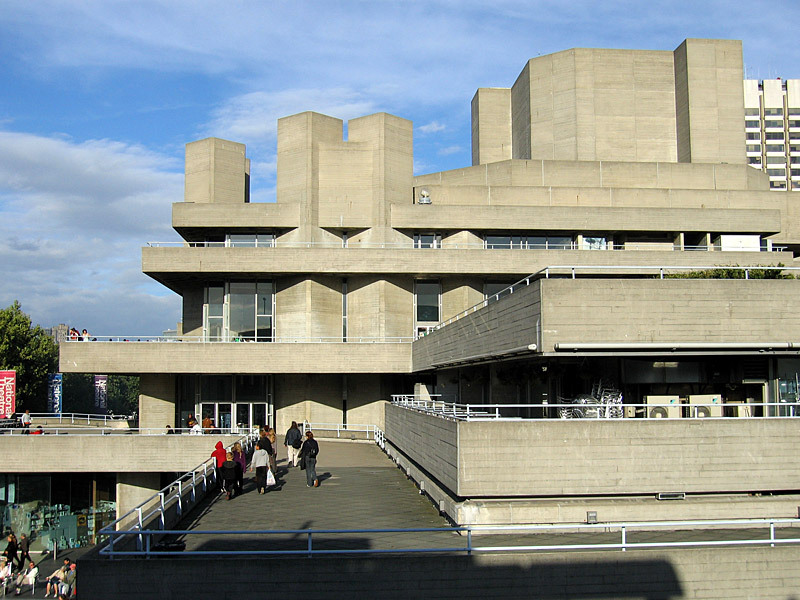
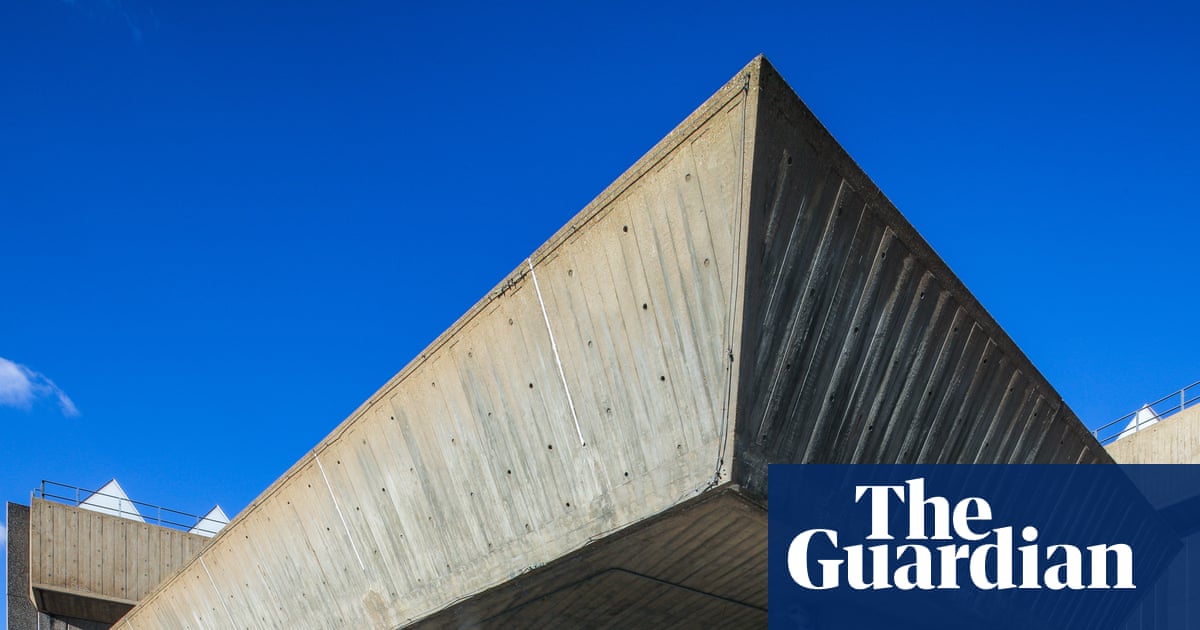
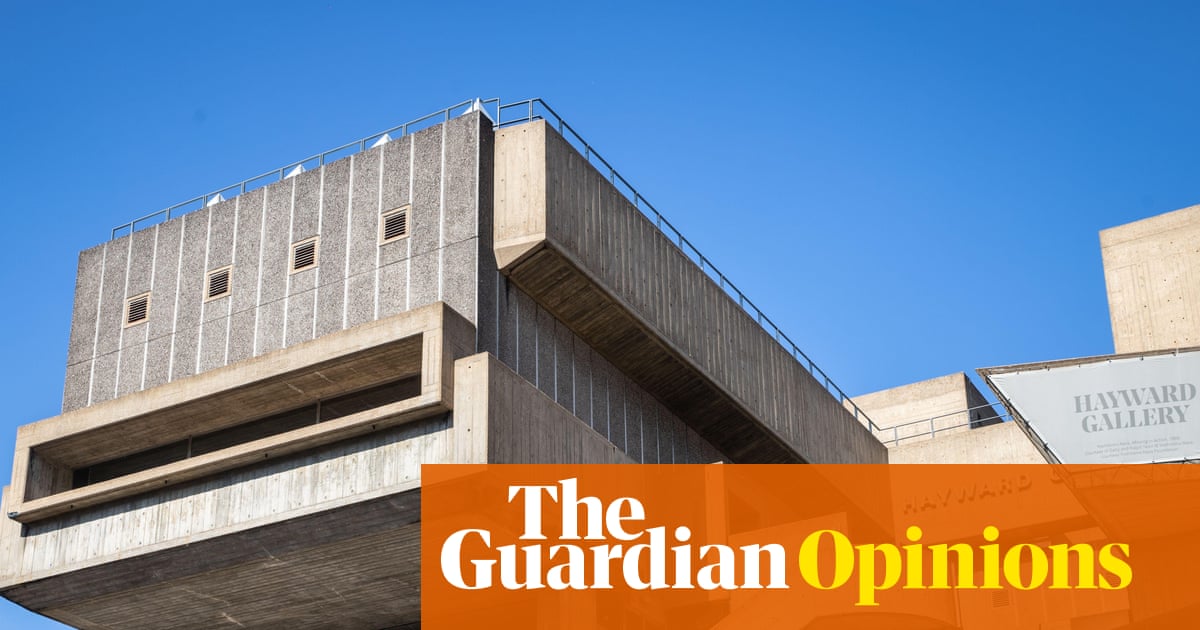
London's Southbank Centre has received Grade II listing, granting statutory heritage protection to its Brutalist Hayward Gallery, Purcell Room, Queen Elizabeth Hall and adjacent spaces.
fromianVisits
1 month agoLondon's Alleys: Ship Tavern Passage, City of London, EC3
The alley likely came into existence when the first Leadenhall Market, as a market for herbs, opened, with a long passage leading from the market to Gracechurch Street. The alley used to be longer and straighter, but the eastern half was cut off when a building was constructed on the site. That building was demolished in 2000, and archaeologists researched it for Roman remains in 2002.
London
[ Load more ]