#gut-virome
#gut-virome
[ follow ]
#gut-microbiome #gut-health #nutrition #probiotics #aging #immune-system #diet #microbiome-testing #microbiome #fiber






#gut-health

Health
fromwww.businessinsider.com
1 week agoHere are 3 tips to reduce your risk of heart disease from a researcher studying the link between cardiovascular and gut health
Maximizing gut health is linked to reducing chronic disease risk, emphasizing plant-based diets and limiting ultra-processed foods.
fromPsychology Today
1 month agoIs the Gut-Autism Link Overblown?
The article from the journal argues that the gut-autism axis is a house of cards built on lousy studies with inconsistent data. They assert that the studies are contradictory and that too much emphasis is placed on dubious mouse models. It is notoriously challenging to nail down microbial causes of disease—it is hard enough to simply identify a normal microbiome.
Science
fromwww.scientificamerican.com
3 weeks agoThe gut microbiome may influence brain aging, mouse study suggests
Young, two-month-old lab mice housed with older, 18-month-old mice showed really impaired cognition. Researchers exposed young mice raised in a sterile, microbe-free environment to gut bacteria from old mice, causing the younger animals to perform worse on cognitive tests, as if they had prematurely aged, just like the cohoused mice.
Medicine
Alternative medicine
fromAlternative Medicine Magazine
1 month agoThe Surprising Benefits of Whole Grains for Gut Health and Immunity
Whole grains retain bran, germ, and endosperm, providing fiber, vitamins, minerals, and antioxidants that support digestive health, gut microbiota, and immune function, unlike refined grains which lose these nutrients during processing.
fromwww.npr.org
1 month agoScientists find a new clue to help them identify a healthy gut microbiome
There are some communities that are very unhealthy where the diversity is higher. Low diversity is not a universal marker. We found something that at first seemed surprising. That a healthy microbiome has lots of competition. These bugs are all going after the same food. In an unhealthy gut, on the other hand, you see tight cooperation - microorganisms are helping each other out.
Medicine
Alternative medicine
fromwww.scientificamerican.com
1 month agoHelp yourself to stronger immunity
The immune system can be enhanced through science-backed interventions including specific supplements, vaccines, and exercise, with omega-3 fatty acids and curcumin showing evidence of effectiveness while vitamin D proves less beneficial than previously claimed.
fromwww.scientificamerican.com
1 month agoA pair of gut bacteria may cause constipation
Gut bacteria are crucial to ensuring healthy digestion and defecation. But two species of bacteria may also be the cause of constipation: according to a new study, Bacteroides thetaiotaomicron and Akkermansia muciniphila appear to work in concert to break down colonic mucin, the slimy coating in our colons that keeps our poo moving along. Too little mucin means a drier and more constipation-prone colon.
Science

fromwww.theguardian.com
2 months agoDoes it even need to be said? No, you don't need to do a parasite cleanse'
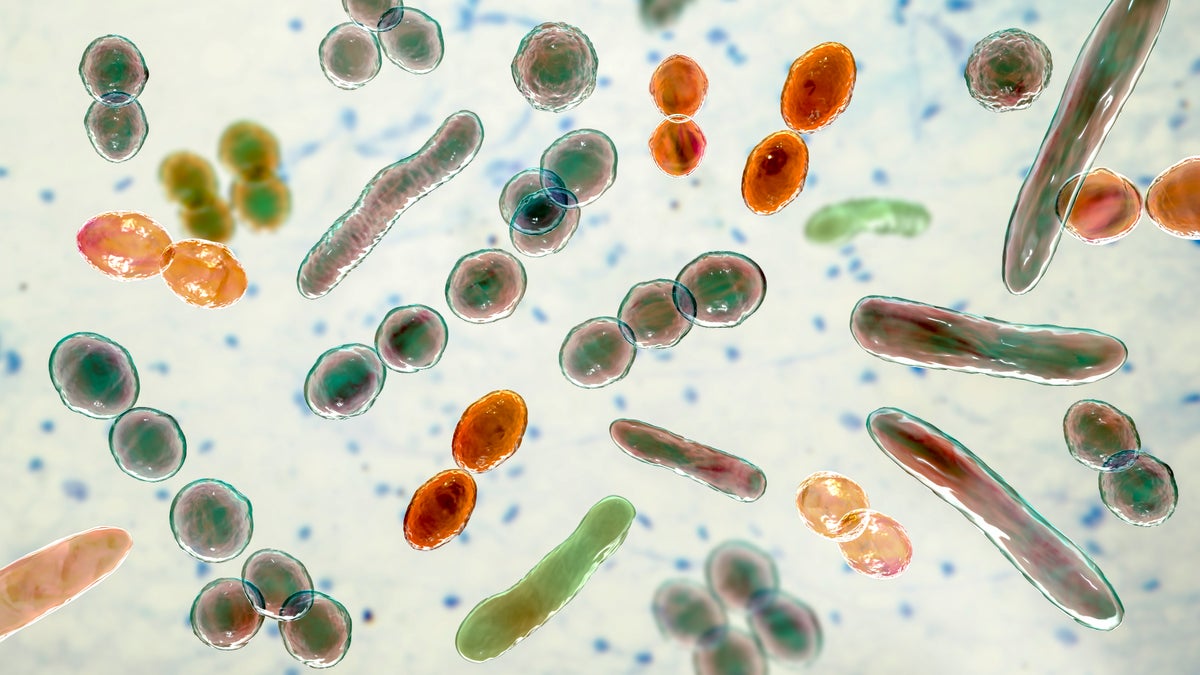
Everything on my Instagram feed at the moment is about worms and parasites, she told the Wall Street Journal, ominously adding: I don't know what the heck is going to come out. Maybe your social media feeds aren't full of posts about worms and parasites, in which case, congratulations. But type parasite cleanse into TikTok or Instagram and you'll be inundated with so-called experts peddling expensive herbal supplements that promise to detox the body and rid it of harmful worms and parasites.
Public health
fromBusiness Insider
2 months agoA busy dietitian shares what she eats for good gut health
Rachel Swanson, a registered dietitian at LifeSpan Medicine and author of "Trying!: A Science-Backed Plan to Optimize Your Fertility," splits her time between New York City and Miami, spending about half the year in each. She also takes small-group workout classes three times a week, focusing on strength training. She says eating enough nutrients, especially protein for muscle-building, is crucial for her. She generally aims for around 0.7 grams of protein per pound of body weight, the protein intake usually recommended for physically active people.
Food & drink



Alternative medicine
fromAlternative Medicine Magazine
2 months agoMaintain a Balanced Vaginal Microbiota
VSL4 Vaginal Health is a precision-formulated daily supplement designed to support balanced vaginal microbiota, urinary tract health, and overall feminine wellness with probiotics, prebiotic, vitamins, and cranberry.
fromNature
2 months agoDaily briefing: The human cells in our bodies that aren't genetically ours
A virus that sickens marine mammals has been detected in Arctic waters for the first time. Scientists used drones armed with petri dishes to collect samples of blow - the air and mucus whales expel from their blowholes - from whales in northern Norway. The team identified cetacean morbillivirus in samples from humpback whales ( Megaptera novaeangliae) and one sperm whale ( Physeter macrocephalus), though the humpbacks showed no symptoms of disease.
Science
fromMail Online
1 month agoBacteria found the eyes could drive dementia, experts discover
To make their discovery, researchers examined donated eye tissue from more than 100 people who had died with Alzheimer's, mild cognitive impairment or no signs of dementia. They were looking specifically for C. pneumoniae, because previous research has already linked it to Alzheimer's. The bacteria has also been detected in brain tissue from patients who died with the condition, sometimes found close to the sticky amyloid plaques and tangles believed to drive memory loss and confusion.
Medicine
fromNature
2 months agoDaily briefing: Why 'harmless' germs can be deadly for some people
DNA variants near a gene called MSRB3 - which is important for hearing in humans - could determine whether a dog's ears are pendulous like a basset hound's or stubby like a rottweiler's. Researchers analysed the genomes of thousands of canines and found that small, single-letter changes to DNA in a region of the genome near MSRB3 could boost the gene's activity. The boost can increase the rate at which ear cells proliferate, resulting in longer ears.
Science
fromenglish.elpais.com
1 month agoWhen your body becomes a brewery
He wasn't crazy. His body had literally turned into a brewery. Cases like this have been mere medical anecdotes for decades, but they have just received the most solid scientific validation yet. A study published in Nature Microbiology, conducted by researchers at the University of California (UC) San Diego and Massachusetts General Hospital, has finally identified what happens inside the gut of these patients. More importantly, it has found a treatment that works: a stool transplant.
Medicine
[ Load more ]