#healthcare-workers-casualties
#healthcare-workers-casualties
[ follow ]
#mental-health #healthcare #nhs #new-york-city #patient-care #bma #patient-safety #workplace-violence

fromwww.bbc.com
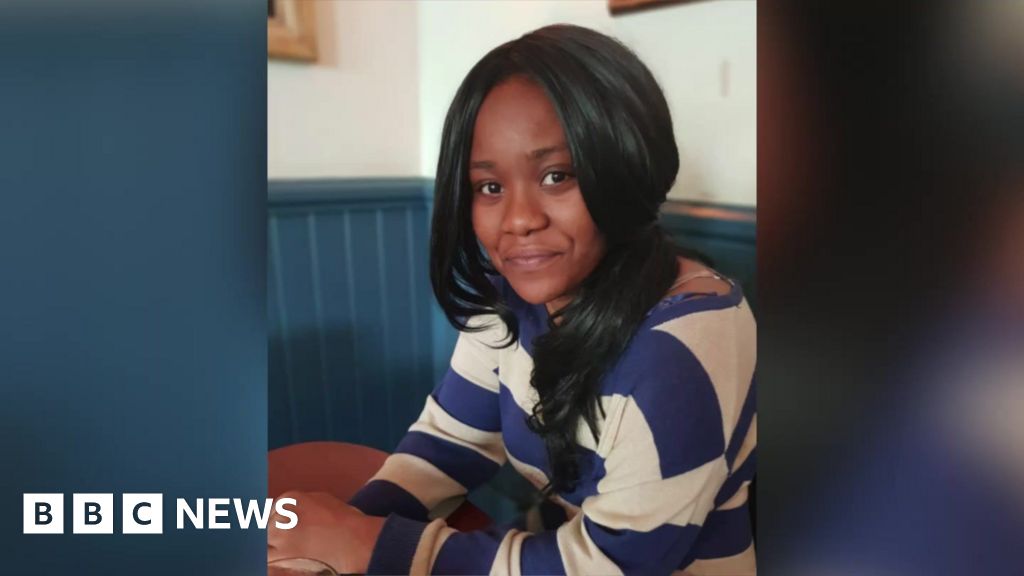
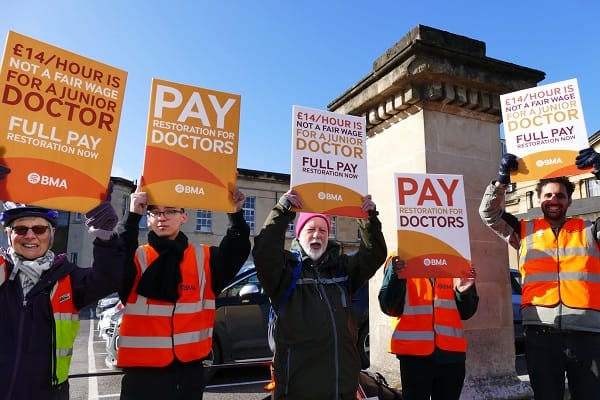
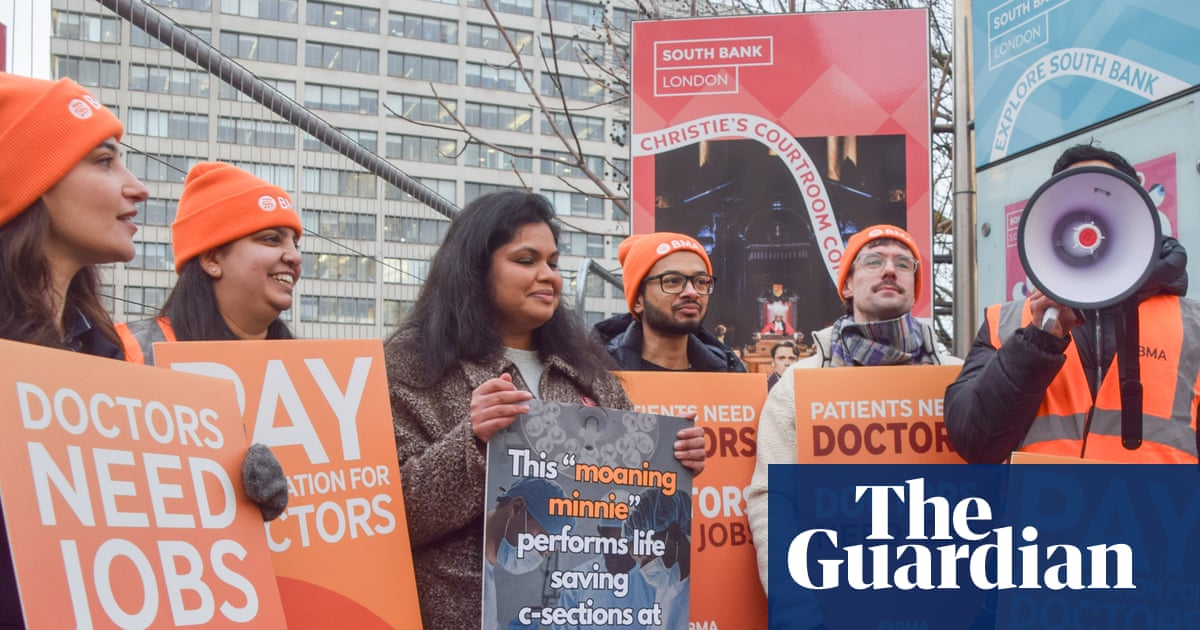
3 days agoDoctors lose new jobs package as strike to go ahead
The government has withdrawn an offer of creating 1,000 more doctor training posts in England after the British Medical Association (BMA) refused to call off a six-day strike next week. The extra posts were part of a wider package of measures put forward by ministers earlier this year to resolve the long-running dispute with resident doctors.
UK politics





#nhs
UK politics
fromLondon Business News | Londonlovesbusiness.com
5 days agoStarmer accuses doctors of 'reckless' walkout as strike deadline looms - London Business News | Londonlovesbusiness.com
Keir Starmer criticized resident doctors for rejecting a pay deal without a vote, warning it could harm the NHS and patients.



#nhs-pandemic-response
Healthcare
fromwww.theguardian.com
2 weeks agoSuperhuman' healthcare workers saved NHS from collapse, Covid inquiry finds
The NHS nearly collapsed during the Covid pandemic, surviving only through healthcare workers' extraordinary efforts despite being understaffed and under-resourced before the outbreak.
UK news
fromwww.independent.co.uk
2 weeks agoCovid-19 inquiry: Harrowing effect of pandemic on NHS and patients to be revealed
The UK Covid-19 Public Inquiry reveals the NHS faced severe staffing shortages, equipment crises, and overwhelming death tolls during the pandemic, with health leaders providing emotional testimony about catastrophic conditions.
Medicine
fromBuzzFeed
2 weeks agoHospital Workers Are Revealing The Heartbreaking Regrets Patients Had On Their Deathbeds, And Wow
Healthcare workers witness profound deathbed regrets centered on lost relationships, unresolved conflicts, and time wasted on non-essential pursuits rather than loved ones.
fromwww.cbc.ca
3 days agoOffice space for emergency care: East-end Toronto hospital says patient demand is more than double capacity | CBC News
The emergency department at Michael Garron Hospital was built to care for about 150 patients a day, but now sees more than 300 patients daily, amounting to about 107,000 patients last year in a space designed for 50,000 annually.
Healthcare
fromThe Nation
3 weeks agoA Motto for All Health Workers: Resist, Resist, Resist
What are scientists, clinicians, and public health practitioners supposed to do in this moment? What use is research when our patients might be deported tomorrow? Why try to stem the tide of outbreaks when the world has fallen apart? This is why: because even in these times, enlarging the scope of human knowledge matters. The search for cures still matters. The fate of individual patients still matters.
Public health
#workplace-safety
Public health
fromABC7 San Francisco
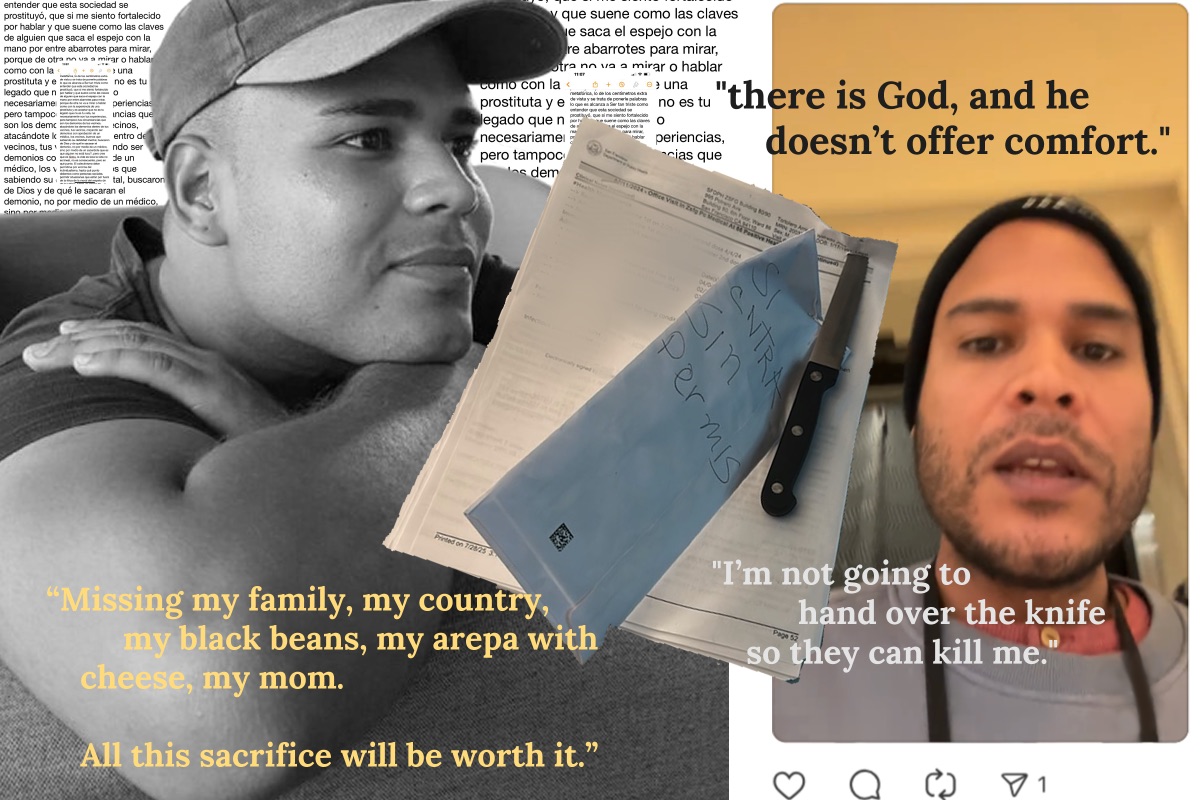
4 weeks agoSocial workers demand UCSF improves safety after worker fatally stabbed by patient
UCSF social workers demand stronger workplace safety measures and increased staffing following a colleague's fatal stabbing, citing unaddressed safety concerns and lack of leadership response.
Brooklyn
fromBrooklyn Paper
3 weeks agoOp-Ed | The Brooklyn Hospital Center is abandoning nurses and patients * Brooklyn Paper
Nurses at The Brooklyn Hospital Center have lost health coverage for 40 days after management refused to contribute to health funds despite a signed contract, while executive leadership remains unaffected.
Public health
fromKqed
4 weeks agoHospital Security Debate Swirls After San Francisco Social Worker Stabbing | KQED
Healthcare workers at UCSF face widespread violence, with 90% experiencing threats or assault and 20% violently assaulted on the job, prompting safety demands following a social worker's fatal stabbing.



fromLondon Business News | Londonlovesbusiness.com
6 days agoExperts warn UK could run out of medicines in weeks if Iran war continues - London Business News | Londonlovesbusiness.com
Mark Samuels, chief executive of Medicines UK, stated, "We're not in a crisis currently, but it's still a serious situation." This highlights the precarious state of drug supplies amid rising geopolitical tensions.
Healthcare
fromTruthout
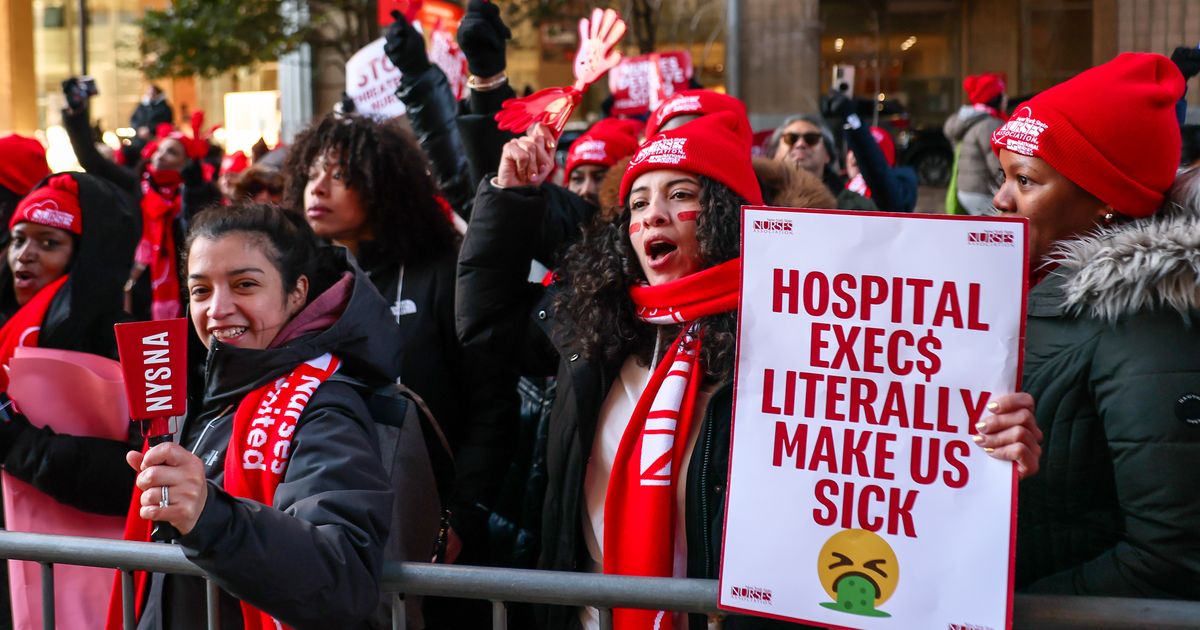
1 month agoStriking Nurses From Coast to Coast Stood Up to Corporate Forces and Won
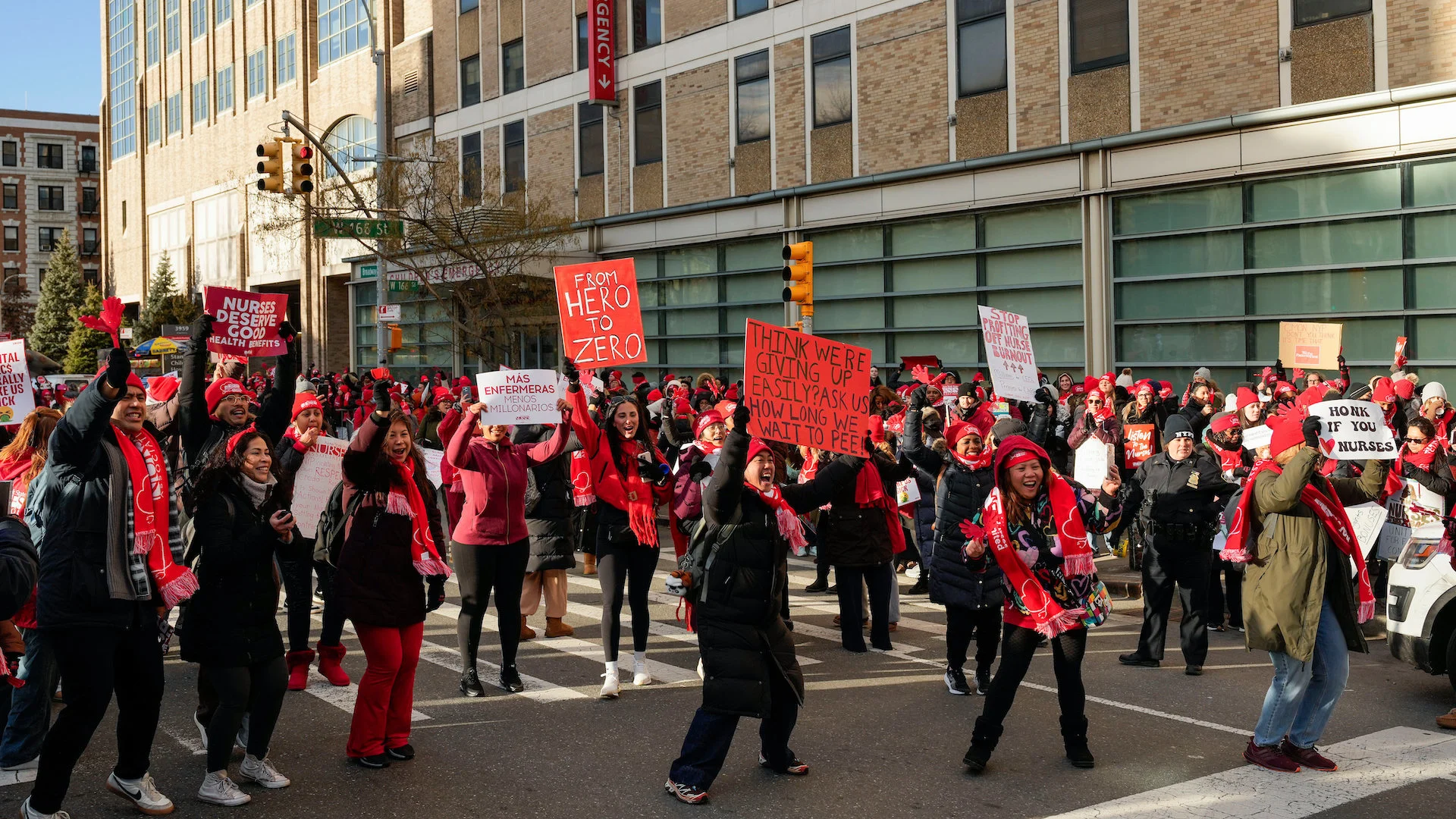
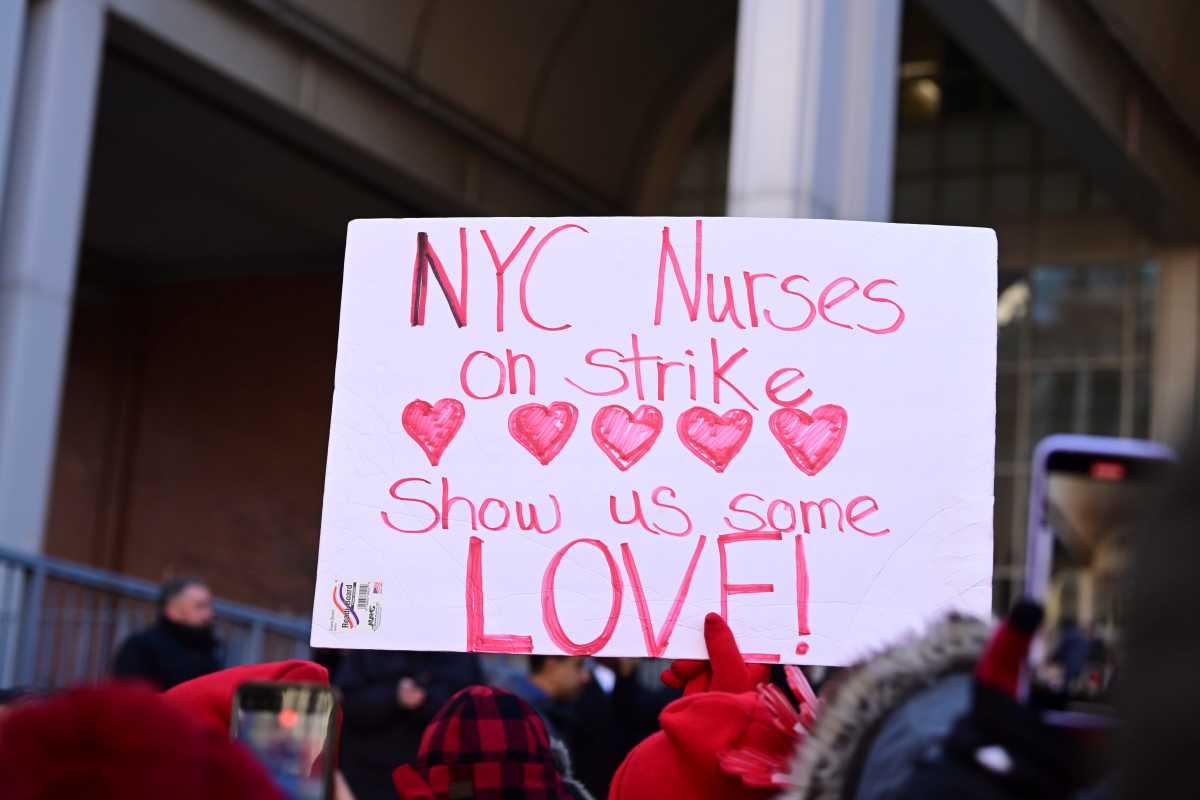
Members of the New York State Nurses Association (NYSNA), affiliated with National Nurses United, AFL-CIO, went out on a strike to protect their health insurance and pension benefits. Dania Muñoz, a nurse practitioner at Mount Sinai Hospital in New York City, explained that the private hospitals she and others were taking on are 'some of the top paid hospital systems in the country.'
Public health
Healthcare
fromLondon Business News | Londonlovesbusiness.com
2 weeks agoCovid inquiry warns UK emergency care 'struggling to cope' - London Business News | Londonlovesbusiness.com
Ongoing capacity issues in emergency care threaten the UK's healthcare system's preparedness for future pandemics, according to the Royal College of Emergency Medicine.
fromBoston.com
2 weeks agoMassachusetts ER doctors say long wait times reflect a health system under strain
For Massachusetts emergency physicians, that dream captures a simple truth: long ER waits rarely steam from care inside the department. Instead, doctors say they're the result of bottlenecks across a system stretched thin by staffing shortages, aging patients, limited hospital beds, and gaps in primary care.
Healthcare
Healthcare
fromwww.theguardian.com
3 weeks agoThis doctor treated migrants' severe injuries at the US-Mexico wall: Political decisions made it as violent as possible'
Dr. Brian Elmore established a mobile clinic in Ciudad Juarez to provide emergency medical care to migrants facing severe injuries and limited healthcare access near the US-Mexico border.
fromLondon Business News | Londonlovesbusiness.com
1 month ago'The chaos continues': Sustained winter pressures batter an underprepared Emergency Care system - London Business News | Londonlovesbusiness.com
The government, and health service leaders, must pay attention to the chaos inside Emergency Departments this winter, which are buckling under the pressure because of a failure to prepare for predictable surges in seasonal illnesses. That's the key takeaway from NHS England's latest stats on the pressures the Urgent and Emergency Care system is under in England, published today, according to the Royal College of Medicine (RCEM).
Public health
fromwww.theguardian.com
3 weeks agoThe light will always outshine the dark': trauma surgeon Shehan Hettiaratchy on his harrowing, heartening calling
There was a collective fear that we're under attack — there are people on the streets of London trying to kill our fellow Londoners. On the day itself, Hettiaratchy was in charge and had to think practically and methodically: This is patient A, patient B, patient C; what are the injuries, what needs to happen, what needs to go on?
Healthcare

Healthcare
fromFortune
3 weeks agoHealthcare has been propping up a shaky labor market. For the first time in over four years, the sector shed thousands of jobs | Fortune
Healthcare lost 28,000 jobs in February, marking its first decline in four years and exposing the labor market's dangerous dependence on a single sector for growth.
fromMission Local
1 month agoS.F. healthcare workers say safety issues continue at city's clinics
But as the city's Department of Public Health follows Mayor Daniel Lurie's directions to make cuts, they wanted to make one thing clear: safety in the city's medical facilities requires more than just the presence of security personnel. It requires widespread training in de-escalation, working with patients with complex needs, and crisis response, they said. These programs are on the chopping block.
Public health
fromBoston.com
2 months agoNurses in and around Boston are holding vigils for Alex Pretti
The Massachusetts Nurses Association, a union representing nurses across the state, is planning vigils for Alex Pretti, a Minneapolis nurse who was shot and killed by federal agents. The MNA plans to host vigils for Pretti, who worked at a veteran's hospital, Thursday night at Boston Medical Center, Worcester VA Clinic, and Northampton VA Medical Center, the union said. The MNA aims to honor Pretti's service as a nurse, his advocacy for human rights, and the veterans and communities he served, said a spokesperson for the union.
US news
fromThe Nation
2 months agoHealthcare Workers Must Continue Alex Pretti's Fight
One might ask why an epidemiologist like me would be interested in Latin American history at this moment. What drew me to that era was the key role that clinicians and public health workers played in the resistance against the dictatorship; their simultaneous push for a national healthcare program; and the ways in which this sector organized, even as more conservative physicians sided with the putschists, happy to see their more progressive colleagues jailed and persecuted.
Public health
Healthcare
fromGothamist
1 month agoJersey City is losing 1 of its 2 emergency rooms. Where will patients in crisis go?
Jersey City's Heights University Hospital will close its emergency room on March 14, reducing the city's emergency care capacity and forcing residents to travel farther for urgent medical services.
Public health
fromSecuritymagazine
1 month ago55% Healthcare Workers Faced Increases in Violence - How Is Security Adapting to Protect Them?
Hospitals face rising physical and verbal assaults on staff, prompting modernization of security systems, SOC data sharing, and cross-system integration to improve safety and operations.
fromBuzzFeed
1 month agoFirst Responders Are Calling Out The "Fatal" Safety Mistakes You Should Never, Ever Make
If you are choking and are alone, try to get yourself into a high-traffic area, such as a hallway in a building or outside your house. If you pass out, you're way more likely to be found as opposed to being in a room in a building or your house. Call 911 even though you can't speak. Someone will be sent to your location by dispatch.
Public health
Healthcare
fromwww.theguardian.com
2 months agoThe Guardian view on protecting NHS staff: ministers must take a lead in reducing attacks on the health workforce | Editorial
Violence against NHS staff in England has risen sharply to an average of 285 reported attacks per day in 2024-25, constituting an emergency.
[ Load more ]