#heat-sensitive-foods
#heat-sensitive-foods
[ follow ]
#cooking-tips #food-safety #flavor-enhancement #cooking #food-preservation #nutrition #prime-rib #meat-preparation
fromTasting Table
3 days agoSkipping Store-Bought Blueberries With A White Coating? Think Again - Tasting Table
Bloom acts as a protective barrier and helps shield blueberries from moisture loss, bacteria, and environmental stress. It's basically the fruit's own little built-in defense system and sunscreen.
Alternative medicine
Berlin food
fromTasting Table
2 weeks agoBuying Leafy Greens In Bulk? Here's How Long They Really Last - Tasting Table
Bagged leafy greens last 4-5 days unopened or 2 days after opening, while loose greens last up to 10 days; proper storage in airtight containers with paper towels in the crisper drawer preserves freshness.
Remodel
fromTasting Table
3 weeks ago'Burping' Isn't Just For Infants. Turns Out It Benefits Your Kitchen, Too - Tasting Table
House burping, a trend of regularly ventilating homes by opening windows and doors, originated in Germany centuries ago and may help reduce mold and improve indoor air quality.
fromTasting Table
6 days agoStop Starting Your Indoor Vegetable Seeds Too Early: Here's The Timing Rule Of Thumb To Go By - Tasting Table
Seedlings are ambitious and will germinate and start growing once pressed into damp soil, shooting toward the nearest light source. However, if they remain in small containers without natural light, they can become root-bound and leggy, eventually collapsing under their own weight.
Agriculture
Silicon Valley food
fromTasting Table
3 weeks agoBye, Seafood: Expect To Spot This Tinned Food All Over In 2026 - Tasting Table
Artisanal tinned vegetables are emerging as a predicted 2026 food trend, following the success of premium seafood conservas in Spain and Portugal, offering high-quality alternatives to traditional canned vegetables.
#food-safety
Berlin food
fromTasting Table
4 weeks agoThe One Container You Should Never Use For Raw Meat, According To A Food Scientist - Tasting Table
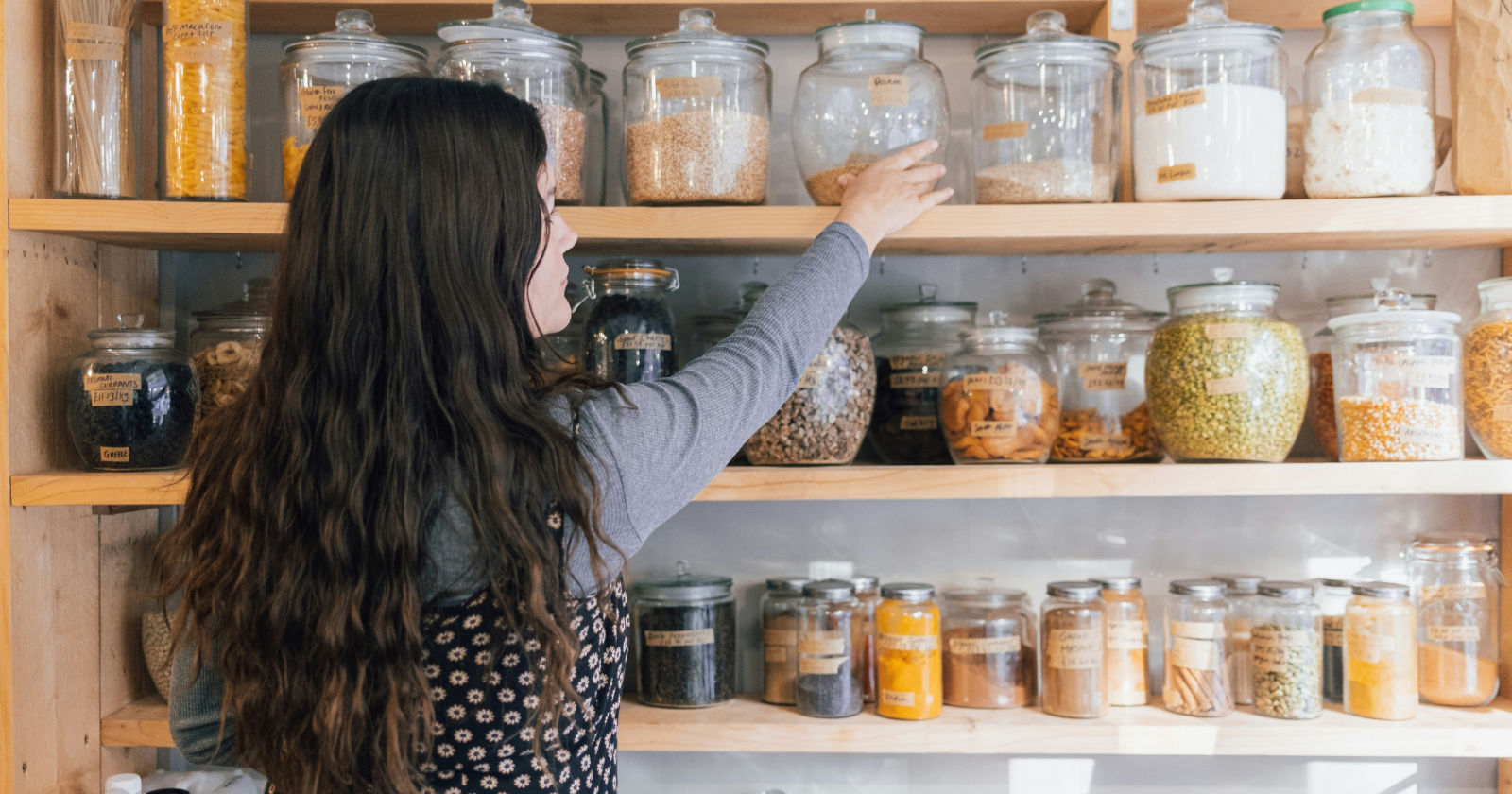
Plastic food storage containers are porous and harbor bacteria more readily than glass or stainless steel, making them less safe for storing raw meat and other foods.

Berlin food
fromTasting Table
4 weeks agoThe One Container You Should Never Use For Raw Meat, According To A Food Scientist - Tasting Table
Plastic food storage containers are porous and harbor bacteria more readily than glass or stainless steel, making them less safe for storing raw meat and other foods.
fromTasting Table
1 month agoShould You Remove Raw Meat From Its Packaging Before Storing? - Tasting Table
According to the United States Department of Agriculture (USDA), all ground meat, as well as poultry (even those with longer expiration dates) should be used or frozen within the first 48 hours of coming home from the store. Raw steaks, pork chops, and roasts can go a bit longer, at three to five days.
Miscellaneous
fromTasting Table
3 weeks agoWhy 'Uncured' Meats Are Still Technically Cured - Tasting Table
Meat is cured when it's introduced to sodium nitrite or nitrate. There are natural and artificial versions of this. Artificially cured meats are manufactured in a lab, where nitrite is added in precise amounts to prevent nasty bacteria like botulism from forming, as well as preserving the color and flavor.
Alternative medicine
fromTasting Table
3 weeks agoThis Is What You Should Do With Potatoes That Have Sprouted - Tasting Table
Potato sprouts contain compounds (specifically glycoalkaloids like solanine and chaconine), which stick in the potatoes' skin and become toxic in the body when consumed in large quantities, leading to an upset stomach or indigestion. However, it's worth noting that potatoes already contain glycoalkaloids - the compound is just more concentrated in the sprouts.
Agriculture
fromTasting Table
2 weeks agoThe Absolute Best Way To Store Green Garlic To Keep It Fresh And Crisp - Tasting Table
Moisture is your best bet for keeping green garlic fresh and crisp long enough to elevate your dishes throughout the week. Just wrap it in a damp paper towel before placing it in a plastic bag for fridge storage (the crisper drawer should work). These steps should last it for about five to seven days.
Everyday cooking
Everyday cooking
fromTasting Table
2 weeks agoAlton Brown's Method For Drying Steak In The Fridge Uses This Household Gadget - Tasting Table
Dry-brining steak with kosher salt on a wire rack in the fridge for 8-12 hours, enhanced by a small fan for air circulation, creates a crispy crust and tender, flavorful meat.
Everyday cooking
fromTasting Table
3 weeks agoWhy You'll Probably Want To Avoid This Popular Type Of Meat At The Grocery Store - Tasting Table
Pre-marinated packaged meats compromise texture and contain excessive sodium and phosphates, making homemade marinades a healthier alternative despite requiring more time.
fromTasting Table
3 weeks agoTrust Us, You Should Never Make Scrambled Eggs In Advance - Tasting Table
Eggs cook so quickly, you aren't going to save any time by cooking them in large batches and then heating some up each morning. In the time it would take to reheat them, you could just cook a fresh batch.
Cooking
Everyday cooking
fromTasting Table
1 month agoSkip The Microwave And Reheat Leftovers This Way For Even Heating - Tasting Table
Convection ovens reheat leftovers more effectively than microwaves by circulating hot air for even heating and crispy exteriors, and air fryers function as accessible convection ovens for home kitchens.
fromTasting Table
1 month ago3 Common Mistakes Everyone Makes Freezing Seafood - Tasting Table
Freezing seafood seems like it should be a two-step process: open freezer, put fish in, but it's deceptively unforgiving. Fish and shellfish are mostly water (just like us!), with delicate muscle fibers and comparatively low connective tissue, which means small mistakes in freezing technique have noticeable quality consequences once thawed. Unlike red meat, which has a dense structure and intramuscular fat to buffer damage, seafood can't hide any missteps,
Cooking
fromTasting Table
2 months ago9 Mistakes Everyone Makes With Plastic Wrap - Tasting Table
You probably already know that it's generally not a good idea to expose plastic - like food storage containers, for instance - to high temperatures. After all, it can cause chemicals in the plastic to leach into your food. It probably shouldn't come as a huge surprise, then, that it's also a bad idea to use plastic wrap under very high heat. This is because plastic wrap melts very easily when exposed to high temps,
Everyday cooking
[ Load more ]