#heirlooms--antiques
#heirlooms--antiques
[ follow ]
#nostalgia #antiques #collectibles #auction #historical-artifacts #interior-design #estate-sales #art-market

:max_bytes(150000):strip_icc()/TAL-wickford-antiques-estate-liquidators-NEANTIQUES0823-381086c4a2e04ccba568fab4b1ec6037.jpg)
fromwww.npr.org
1 week agoHow a jeweler's quest to create the world's largest jeweled egg led to his downfall
Paul Kutchinsky's ambition to create the world's largest jeweled egg was driven by a desire to showcase British craftsmanship on a global stage, competing with the legendary Faberge eggs.
Berlin
fromMedievalists.net
4 days agoMedieval Gold Discovery Goes on Display in Newcastle - Medievalists.net
We are delighted to unite these incredible archaeological finds from across the North for our latest exhibition. From Roman silver discovered along Hadrian's Wall to 9th-century gold found by a Newcastle University student, this is a rare opportunity to see these scattered treasures displayed alongside one another.
History
fromArchitectural Digest
2 weeks agoHow Alexander Widener Turned His Vintage Obsession Into a Career
In the digital world that we're in, you know, negative videos are what goes viral. People are always knocking people down a peg and it's really easy to fall into that. If something bad happens-which, when you own your business, something bad happens every day- it's easy to circle in despair. But my challenge is to look for the positive and figure out how to pivot, and if something isn't working then figure out a different way to get it done.
Digital life
#estate-sales
Boston real estate
fromBusiness Insider
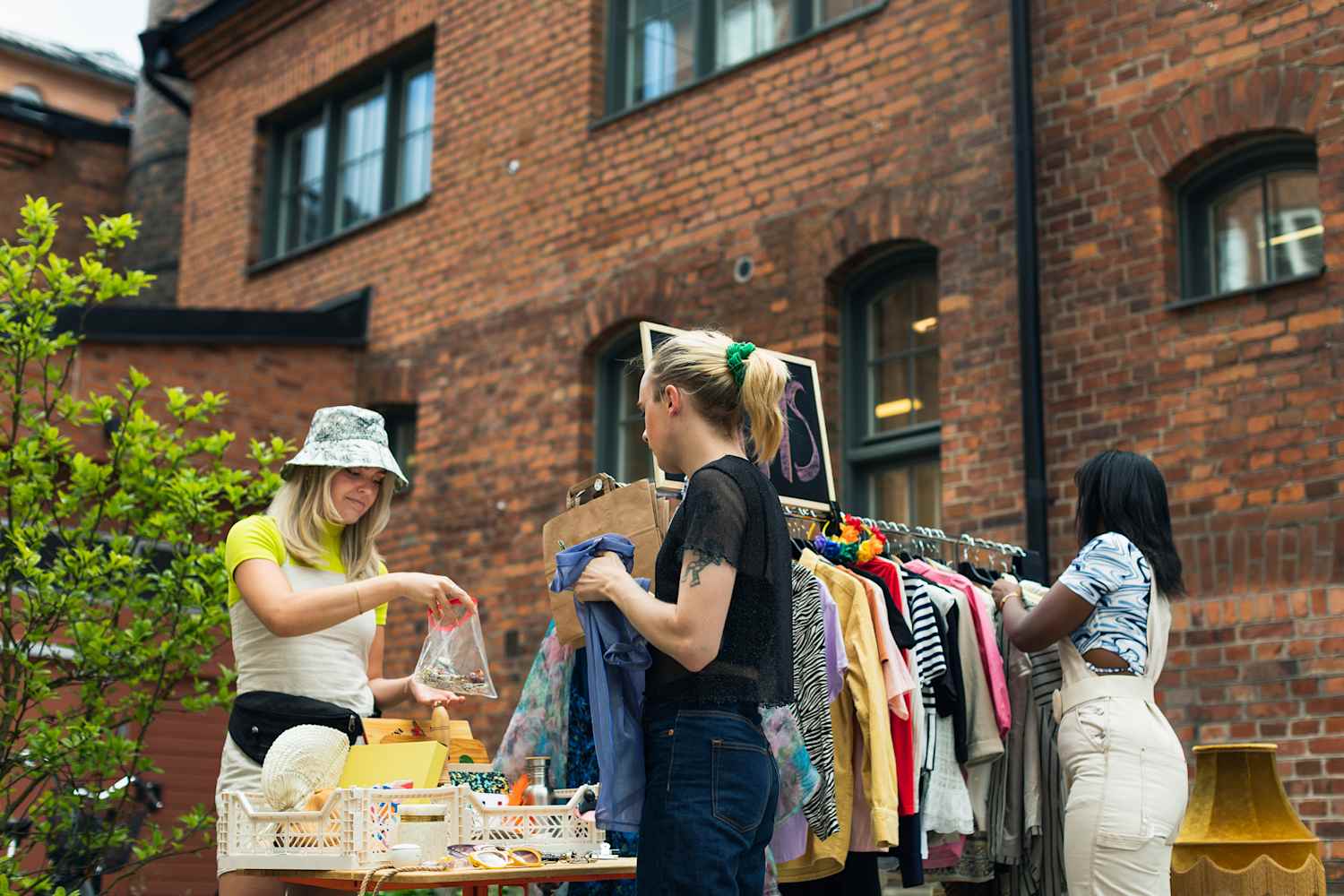
2 weeks agoI went to an estate sale to find out why millennials and Gen Zers love buying cheap stuff from aging baby boomers
Baby boomers' massive accumulation of possessions is creating a major estate sale opportunity for younger generations to acquire quality vintage and midcentury items at accessible prices.
Fashion & style
fromGothamist
3 weeks ago4,000 square feet of luxury knickknacks on sale in Brooklyn this weekend
Luxury home stager Jason Saft launches a Collector's Market featuring over 800 curated home decor and accessories items accumulated over a decade, responding to customer demand for collectible pieces beyond furniture.
fromThe Art Newspaper - International art news and events
3 weeks agoGlassblower and porcelain heir Paul Arnhold on the art he loves to collect
Glass demands immediacy. Working at temperatures above 2,000°F leaves little room for overthinking, so the process becomes a kind of live dialogue between material, colour and chance. That same immediacy informs what I'm drawn to as a collector: works that carry a decisive gesture, a tactile presence, and the feeling that they could only exist in one form.
Miscellaneous
Parenting
fromBusiness Insider
4 weeks agoMy mom has been collecting miniatures for 50 years. They have taken over our 1000-square-foot basement.
Celina Myers' mother has collected miniatures since age 14, filling their entire basement with thousands of organized tiny treasures that continue to bring her joy despite physical disability.
SF parents
fromBusiness Insider
4 weeks agoI inherited a storage unit from a family friend. It was full of vintage clothes, which I now sell online.
Scottlynn Krause and her mother launched CS80 Vintage after inheriting thousands of pristine 1980s sportswear items from a family friend's defunct sporting goods store, converting a disposal problem into a successful online business.
History
fromianVisits
3 weeks agoLooted from a royal palace: The medieval jug now on display in London
A medieval English bronze jug looted from Ghana's Asante kingdom reveals how European luxury goods became valued ceremonial objects through trans-continental trade networks before colonial appropriation.
London
fromianVisits
3 weeks agoThe Last Collar: Rare survivor from Charles Dickens's wardrobe goes on display
Charles Dickens's rarely surviving shirt collar, believed to be his last worn before his death, will be displayed at the Charles Dickens Museum alongside a formal suit's silk stockings from 1870.
Arts
fromThe Art Newspaper - International art news and events
2 weeks agoMajor collection of Indian paintings and calligraphy to be offered at Christie's
Christie's will auction Indian paintings and calligraphy from the Cowles collection in London on 28 April, featuring Mughal works estimated at over £1.5m, with prices ranging from low thousands to £180,000.
Real estate
fromBusiness Insider
1 month agoA woman spent $25 on a quirky cat statue at an estate sale. It turned out to be an Italian art piece worth $3,000.
A New Jersey woman purchased a $25 ceramic cat at an estate sale that turned out to be a valuable Italian Fornasetti art piece potentially worth $3,000, which she plans to keep for personal enjoyment.
Renovation
fromLos Angeles Times
36 years agoArchitectural Antiques Used as Home Decorating Elements
Architectural antiques from salvage houses and demolition sites are increasingly used as distinctive building and decorating elements in new home construction, driven by renewed historical interest and their status as art forms.
History
fromMedievalists.net
1 month agoDreaming of Owning a Medieval Artefact? Here's Your Chance - Medievalists.net
TimeLine Auctions' March 3 online sale features hundreds of medieval historical objects including a 13th-century Limoges cross, 1224 Chinese armor, Viking silver mount, and Anglo-Saxon brooch.
fromArtnet News
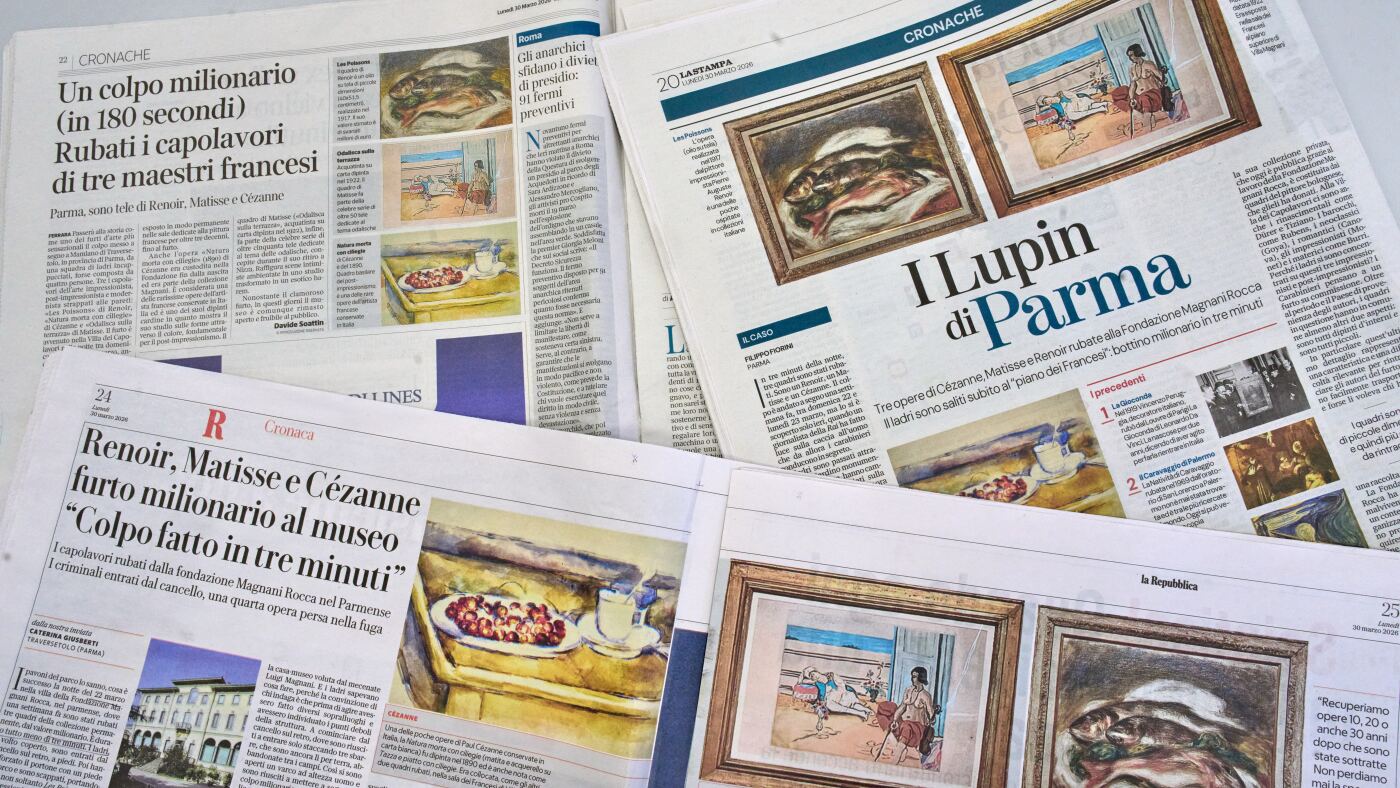
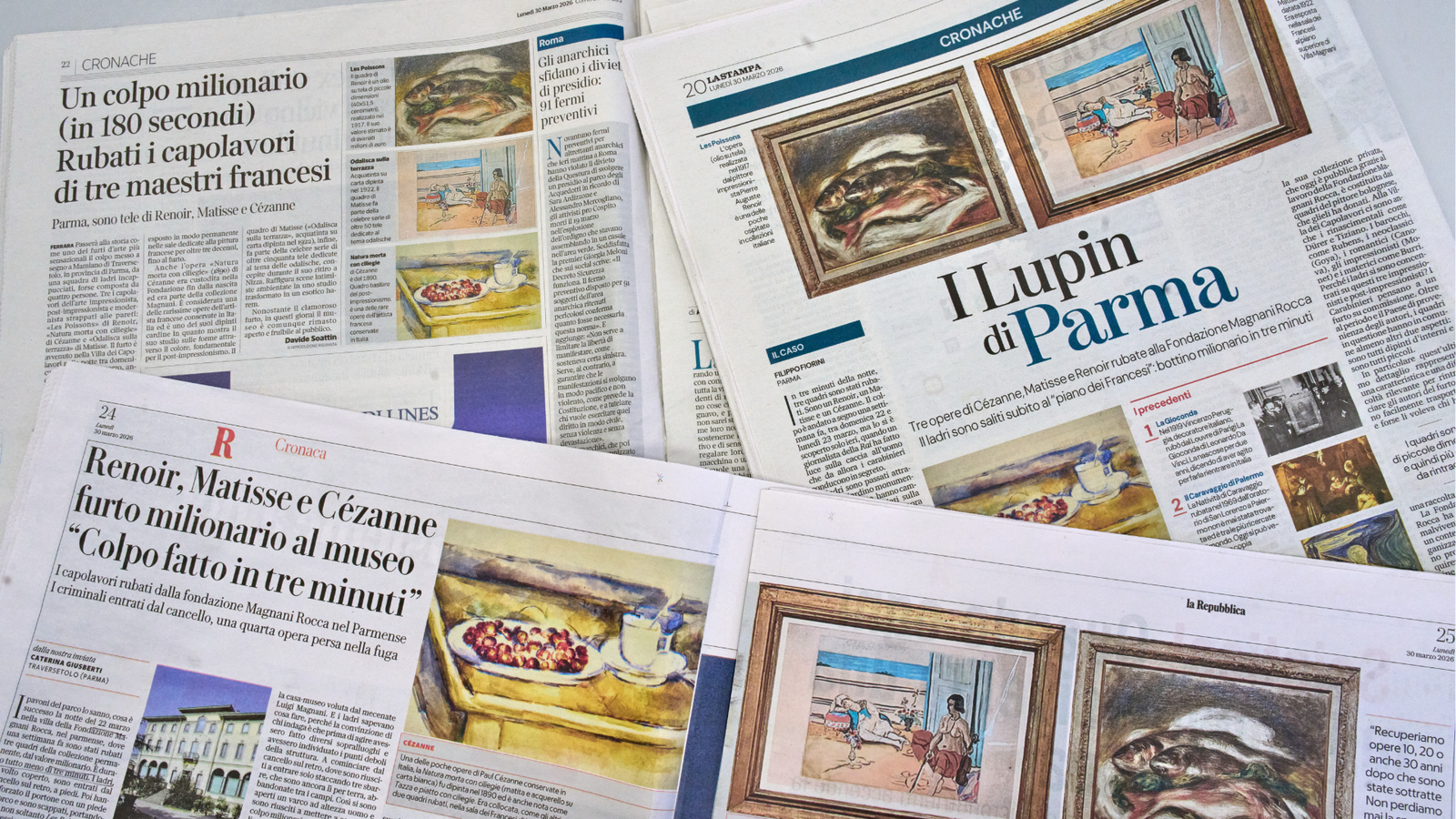
3 weeks agoJeweled Snuffboxes Stolen in Brazen Paris Heist Go on Display
The exquisite, jewel-encrusted boxes were badly damaged in 2024, after they were among seven treasures stolen from Paris's Musée Cognacq-Jay by a gang of axe-wielding thieves. The perpetrators broke into the temporary exhibition, titled "Luxe de Poche," or "Pocket Luxury," on November 20, making off with goods that were, at the time, reported to be worth more than €1 million.
Arts

fromCurbed
2 months agoSentimental Value Is an Excellent Lamp Movie
Sentimental Value is very much a film about a house - a Victorian " dragestil," or "dragon style," home in Oslo where generations of the same family have lived for more than a 100 years. Director Joachim Trier, who found the house in Oslo's Frogner neighborhood, called its role in the film "a witness of the unspoken ... a witness of the 20th century."
fromIndependent
2 months agoLiam Collins: My lifetime collection of 'stuff' might look like junk - but every piece has meaning
When you reach a certain age, one of the things you notice at the turn of the year is the "stuff" you have accumulated. Old newspapers, documents and books jostle with the detritus of life, from pieces of dead coral from Barbados to an old label that never made it onto a bottle of Guinness. I have spent the last decade preaching to my adult children, telling them to stop buying things.
Mindfulness
Business
fromLondon Business News | Londonlovesbusiness.com
2 months agoThe rising appeal of traditional goods in modern investment portfolios - London Business News | Londonlovesbusiness.com
UK investors increasingly allocate to tangible alternative assets for stability, scarcity-driven appreciation, and clearer ownership, balancing portfolios against market volatility.


fromAeon
2 months agoThere's a gentle artistry to a museum taxidermist's craft | Aeon Videos
This short captures Tim Bovard, the staff taxidermist for the Natural History Museum of Los Angeles County, as he reflects on over five decades spent perfecting his craft. Sparked by a childhood fascination with the museum's dioramas that never faded, Bovard has devoted his career to shaping what he calls the 'illusion of life' - a process that requires both scientific precision and imaginative interpretation.
Philosophy
fromSilicon Canals
2 months ago9 things Boomers refuse to throw away that their kids will put straight in the trash without opening - Silicon Canals
My father kept manuals for products we hadn't owned in years, filed alphabetically in a cabinet. When I asked why, he looked at me like I'd suggested burning money. "What if we need to look something up?" The concept of finding any manual online in seconds just doesn't compute for a generation that had to rely on these paper lifelines.
Relationships
fromemptywheel
2 months agoHow Do You Want Your Family to Remember You? - emptywheel
The Stasi, the secret police, were legendary for their data files. Their work was based on instilling fear, and they induced stunningly amazing numbers of East Germans into informing on their neighbors. Something along the lines of 1 in 6 East Germans were informants, whether out of fear or out of approval of what the East German government was doing.
US politics
fromSilicon Canals
1 month agoTreasures worth thousands: homeowners discover vintage items hidden in walls during renovation - Silicon Canals
Picture this: you're knee-deep in renovation dust, crowbar in hand, when something unexpected tumbles from behind century-old plaster. A yellowed envelope? A strange metal box? That moment when your heart skips because you realize you might have just found something extraordinary. For some lucky homeowners, these discoveries turn out to be worth thousands of dollars, transforming a simple home improvement project into an unexpected treasure hunt.
Renovation
fromTasting Table
2 months agoThe Vintage Cast Iron Brand That's A Rare (And Valuable) Thrift Find - Tasting Table
If you spot a Griswold pan with a 13 on it, for example, know that not a lot of these pans were made due to negative connotations and associations with bad luck. Dating back to the early 1900s, these babies can fetch several thousand dollars. In addition to the Griswold 13, the 20 is also a rarity to find. Griswold isn't the only label that is a solid grab.
Cooking
fromwww.theguardian.com
2 months agoDoes my obsession with old trinkets make me a hoarder or a sentimental maximalist? | Eleanor Burnard
It's important to state that I am the most insufferably sentimental person I know. There are old birthday cards collecting dust in my jam-packed cupboards, stuffed toys their colours long-faded sitting in my bedroom despite their prime cuddling years over, while gifts handmade by friends I no longer talk to take up real estate on my cluttered shelves. You couldn't pay me to part with any of them.
Mental health
fromApartment Therapy
1 month agoThe 150-Year-Old Useful Gem Hiding in Every Thrift Store
As someone who loves vintage things, you can find me at my local thrift store regularly. I enjoy stocking my closet with secondhand finds and finding gifts or unexpected storage gems instead of buying them new. The thrill of the hunt is ultimately what keeps me going back time after time. Whether I have 10 minutes or an hour to peruse, flipping through clothing racks and scouring the shelves always brings me joy,
Fashion & style
fromYanko Design - Modern Industrial Design News
2 months agoThe Case for Heirloom Furniture in an Era Obsessed With Biodegradable Everything - Yanko Design
Furniture made from mycelium or algae can decompose in five years, sure, but a well-made antique armoire outlives empires because no one throws it away. Columns takes that logic seriously. Handcrafted in solid oak, natural leather, and horsehair, the pieces are built to last a thousand years, which sounds like marketing hyperbole until you look at the joinery, the hand stitching, and the material choices. This is furniture designed to be inherited, repaired, and remembered.
Design
fromSilicon Canals
1 month ago8 things your adult kids will fight over when you're gone that have nothing to do with money - Silicon Canals
When my grandmother passed away three years ago, I watched my family transform into people I barely recognized. The woman who'd been my biggest supporter left behind more than just her handwritten letters that I still keep. She left a family suddenly wrestling over who got her wedding china, her favorite armchair, and even who deserved to keep the voicemail messages she'd left on their phones. The money part? That was straightforward.
Relationships
US politics
fromwww.independent.co.uk
1 month agoBritish Museum successfully raises millions to save Henry VIII marriage artefact
The Independent solicits donations to fund independent, paywall-free journalism; the British Museum raised 3.5 million to acquire a Tudor-era gold pendant linked to Henry VIII.
E-Commerce
fromBuzzFeed
1 month ago12 Grandparent Memory Books And Journals To Chronicle Family Histories
BuzzFeed Shopping provides service-focused product recommendations prioritizing readers, vetting products, fact-checking claims, exposing fake deals, and offering authentic, inclusive choices across price points.
Arts
fromThe Art Newspaper - International art news and events
1 month agoUK exhibition celebrates the artisans throughout history who went to war
Frontline-made objects salvaged from battlefields reveal the skills, identities, and lived experiences of ordinary soldiers across conflicts from the World Wars to modern wars.
fromArtnet News
1 month agoA Washington Relic, Royal 'Diamond'-and Other Collectibles Up for Grabs
The snippet carries the phrase "Fathers of the Senate!" which is nowhere found in surviving Washington documents. The expression is borrowed from ancient Roman Senate-specifically the Latin patres conscripti , or "Conscript Fathers"-and quite possibly wasn't the patrician tone Washington intended to set for a young republic. It is unknown why or how it was used in this case as the manuscript from which the fragment was cut is long lost.
Arts
Arts
fromdesignboom | architecture & design magazine
1 month agolight sculptures preserve ancestral designs through antique doilies and lace textile
Kinship transforms heirloom doilies and stockings into LED-lit stainless steel sculptures that preserve textiles and project lace-like shadows and layered histories.
fromPsychology Today
2 months agoYour Life's Work Preserved: Why Collectors Are Going Virtual
The traditional museum experience, pausing in front of an object, and absorbing its history visually or by reading its description, has long shaped how collectors and others relate to cultural treasures. Yet, over the last few decades, digital technology has quietly rewritten many of those rules, changing not only how collections are exhibited but also how they are documented, preserved, and even inherited.
Arts
fromMedievalists.net
2 months agoMedieval gold ring discovered in Norway - Medievalists.net
A gold ring with a deep-blue, oval setting - decorated with fine spirals of filigree and tiny granulated beads - has been recovered from medieval deposits in Tønsberg, a historic town in southeastern Norway. The ring was found during an excavation in the modern town centre, where archaeologists have been investigating layers of urban life preserved beneath today's streets. The discovery was made within the protected archaeological area known as Tønsberg Medieval Town.
History
fromInsideHook
2 months agoThis Western Art Collection Just Set Several Auction Records
For some eminently wealthy individuals, amassing a first-class art collection is an ideal way to spend their money. And while some high-profile art collectors end up donating their collections to museums or other cultural institutions, others take a different approach, reselling their art after a certain amount of time. Which brings us to this week, when billionaire David I. Koch's collection of Western art hit the auction block at Christie's, setting a number of records in the process.
Arts
Arts
fromThe Art Newspaper - International art news and events
2 months agoRediscovered Rubens and a woolly mammoth head star at Brafa fair in Brussels
Brafa's 71st edition expands to three halls with 147 exhibitors, attracting Flemish and French buyers and featuring painting and a rediscovered Rubens.
[ Load more ]