#historic-home-listings
#historic-home-listings
[ follow ]
#historic-preservation #interior-design #architecture #victorian-architecture #real-estate #home-renovation

NYC real estate
fromwww.businessinsider.com
1 day agoWe bought a house that's too small so we could afford our dream neighborhood. A $300,000 third-party loan will help us renovate.
The Feinbergs purchased a small home in Wayne, Pennsylvania, and planned to expand it using RenoFi financing based on future value.
fromCN Traveller
1 day agoFinders Keepers: the best new private houses in the world
"There was so much beauty, so much more than enough for everyone, that it did appear to be a vain activity to try and make a corner in it." This quote captures the essence of Villa Beatrice, where beauty and luxury converge in a breathtaking setting.
Travel
fromLos Angeles Times
2 days agoFor the derelict Wadsworth Chapel, a 125-year-old landmark in West L.A., is a rehab in the works?
"When I see this, I'm thinking hallelujah. It's the first real indicator that the VA is willing to step up and get that chapel restored, which frankly I think is their responsibility."
Non-profit organizations
Boston real estate
fromArchitectural Digest
3 days agoBroadway Actress Barrett Wilbert Weed Turned Her Brooklyn Heights Apartment Into a Victorian Dollhouse
Compelling interiors rely on collaboration between character and setting, as demonstrated in Barrett Wilbert Weed's Brooklyn Heights home restoration.
fromABC7 San Francisco
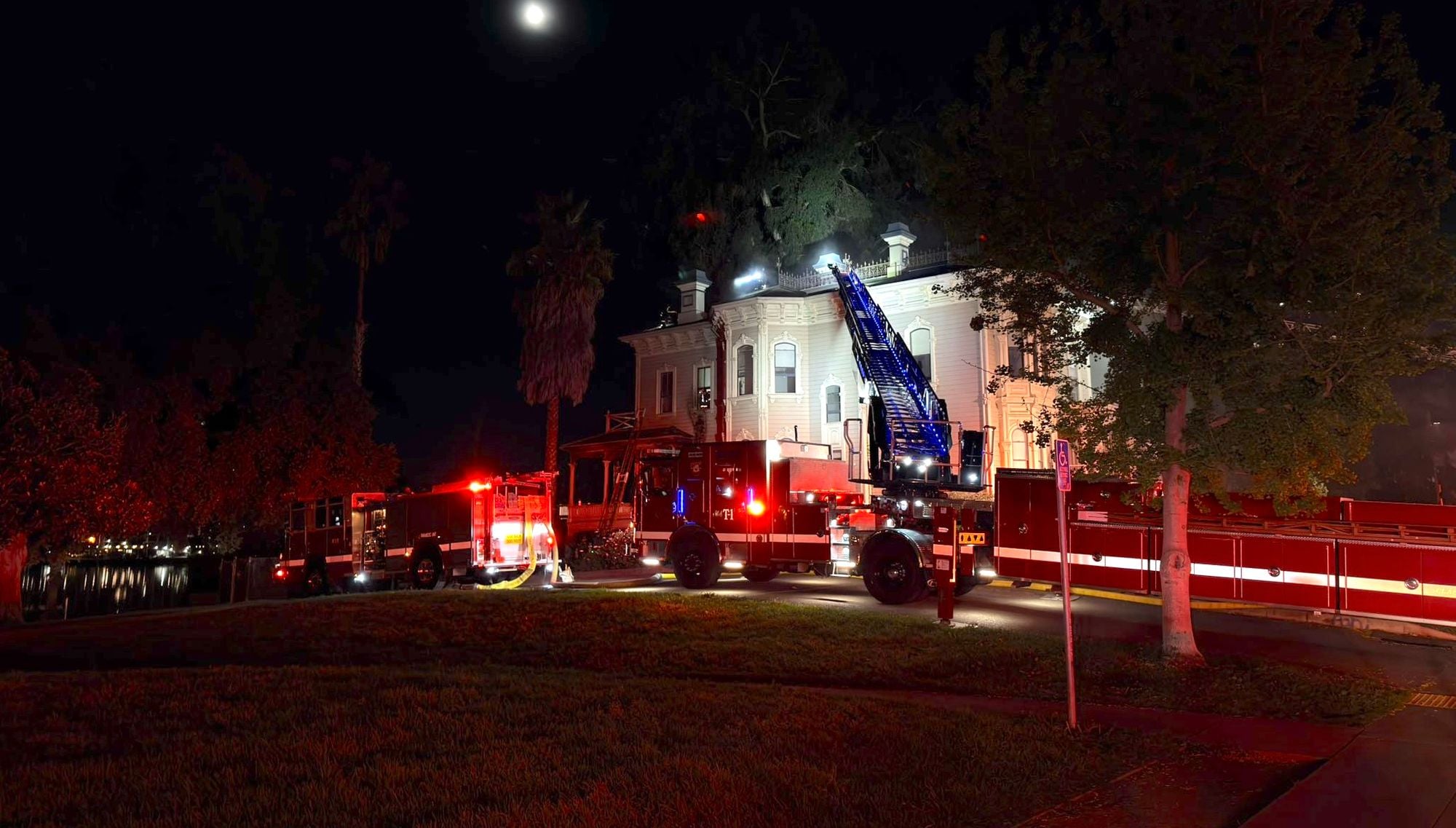
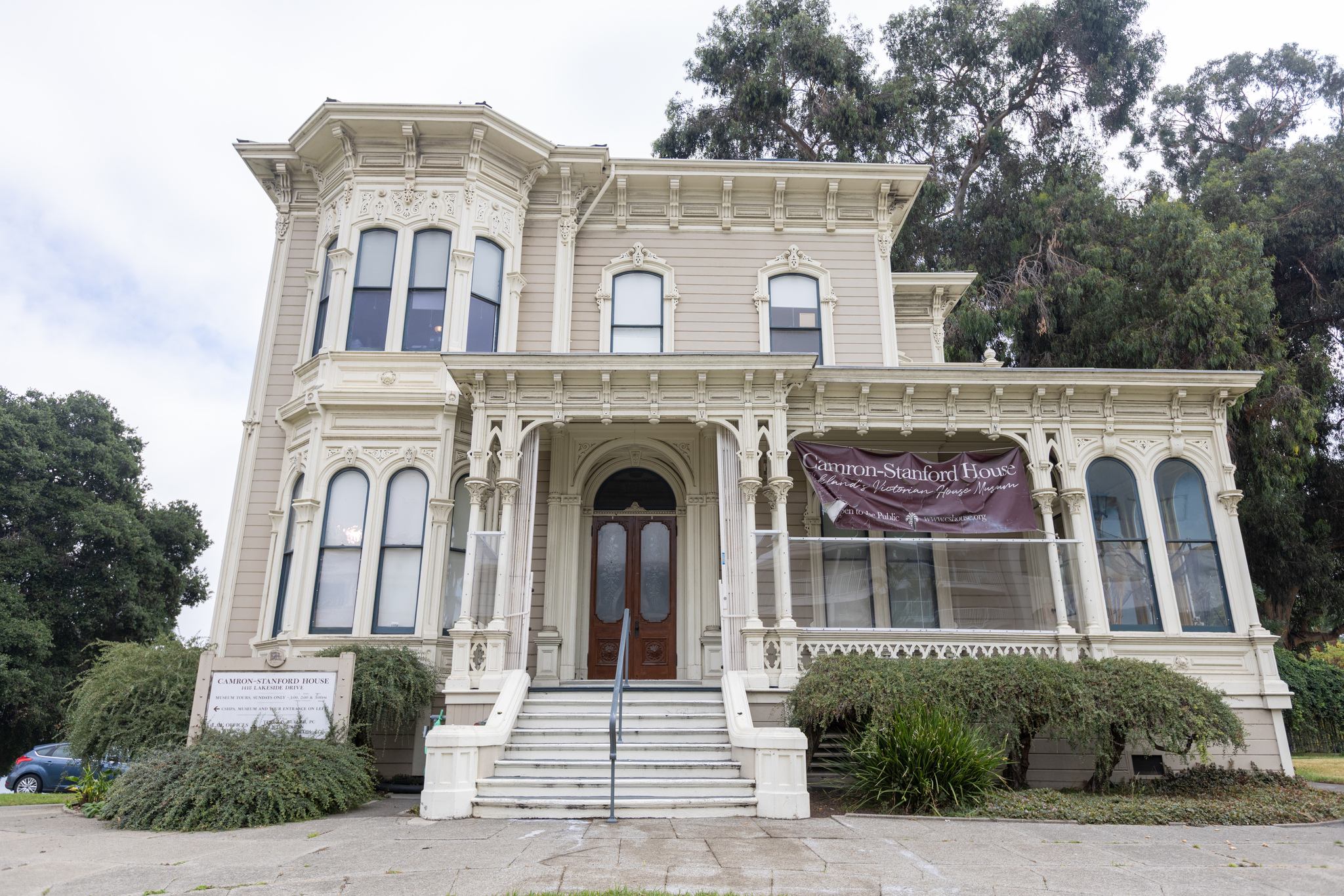
8 hours agoOakland's historic Camron-Stanford House damaged by overnight fire: 'Tremendously heartbreaking'
The fire burned portions of the Camron-Stanford House, a three-story Victorian on the southern end of the lake. Firefighters were able to save the home, but preservationists have questions about how the fire started.
East Bay (California)



fromwww.berkeleyside.org
2 weeks agoJulia Morgan house with noteworthy history coming on the market
The walk, and the houses surrounding it reflect a period when Berkeley's hills were becoming a laboratory for new architectural ideas rooted in craftsmanship, landscape and a belief that the built environment could shape daily life for the better.
East Bay real estate

#brownstone-renovation
Remodel
fromApartment Therapy
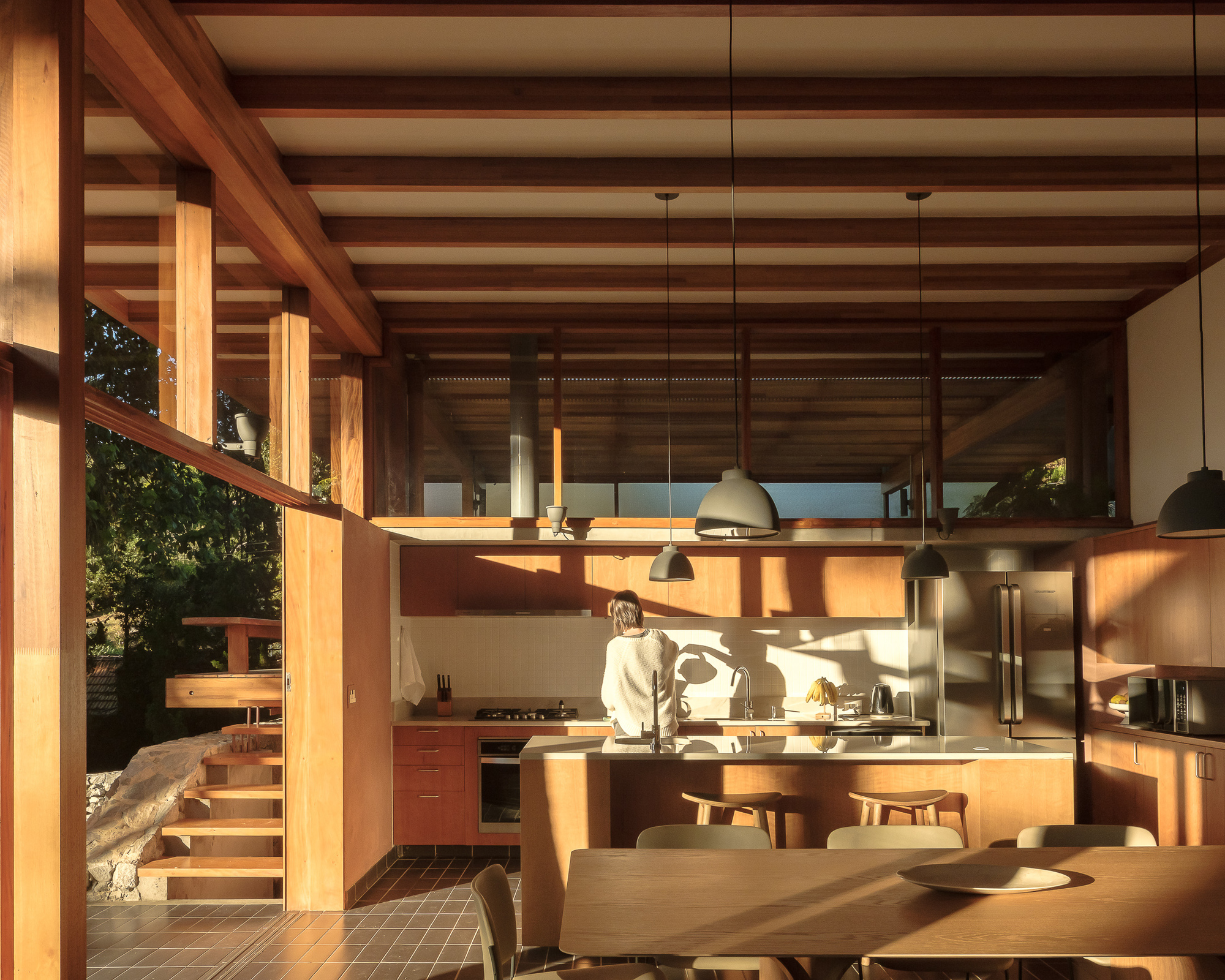
3 weeks agoA 183-Year-Old Brooklyn Brownstone Had Its Character Stripped Out - So a Designer Brought It Back
A Brooklyn Heights brownstone was transformed by removing walls, raising ceilings, and restoring historic architectural details to reclaim its original grand proportions and character.
fromFast Company
6 days agoYou can finally buy an Eames house. Sort of
"It has been estimated that one million five hundred thousand houses each year for a period of 10 years will be needed to relieve the urgent housing problem of this country. The enormity of such a need cannot even be partially satisfied by building techniques as we have known and used them in the past."
Renovation
#historic-preservation
New York City
fromBrooklyn, NY Patch
1 month agoHistoric Brooklyn Homes Preserved Two Months Ahead Of Schedule
A $4 million restoration of the Hunterfly Road Houses at Weeksville Heritage Center preserved four 19th-century structures representing one of the nation's largest pre-Civil War free Black communities.

Renovation
fromLos Angeles Times
18 years agoAn Irvine family mansion, re-created for public use, is one for the books
Irvine is building a replica of the original Irvine family mansion destroyed by fire in 1965 to serve as the Katie Wheeler Branch Library, honoring philanthropist Kathryn Lillard Wheeler.
New York City
fromBrooklyn, NY Patch
1 month agoHistoric Brooklyn Homes Preserved Two Months Ahead Of Schedule
A $4 million restoration of the Hunterfly Road Houses at Weeksville Heritage Center preserved four 19th-century structures representing one of the nation's largest pre-Civil War free Black communities.
Renovation
fromLos Angeles Times
18 years agoAn Irvine family mansion, re-created for public use, is one for the books
Irvine is building a replica of the original Irvine family mansion destroyed by fire in 1965 to serve as the Katie Wheeler Branch Library, honoring philanthropist Kathryn Lillard Wheeler.
London
fromTime Out London
3 weeks agoOne of London's most spectacular houses is opening to the public next month
The Cosmic House, a rare Grade I-listed postmodernist building in Kensington designed by Charles Jencks and Sir Terry Farrell, opens to the public on April 22 with an Isaac Julien film installation.
fromWashingtonian - The website that Washington lives by.
1 month agoOpen Houses: Ready for that Bestie Commune? These Neighboring Properties in DC Are On the Market. - Washingtonian
Both recently renovated units that make up this Shaw townhome are currently available. The main and top floors make up Unit 2 and include three bedrooms and three and a half bathrooms (including en suite bathrooms for each room), walk-in closets, and one parking space. Unit 1 is an English basement-style unit-with above-grade entry-featuring one bedroom and one bathroom, and a back terrace.
Washington DC
fromianVisits
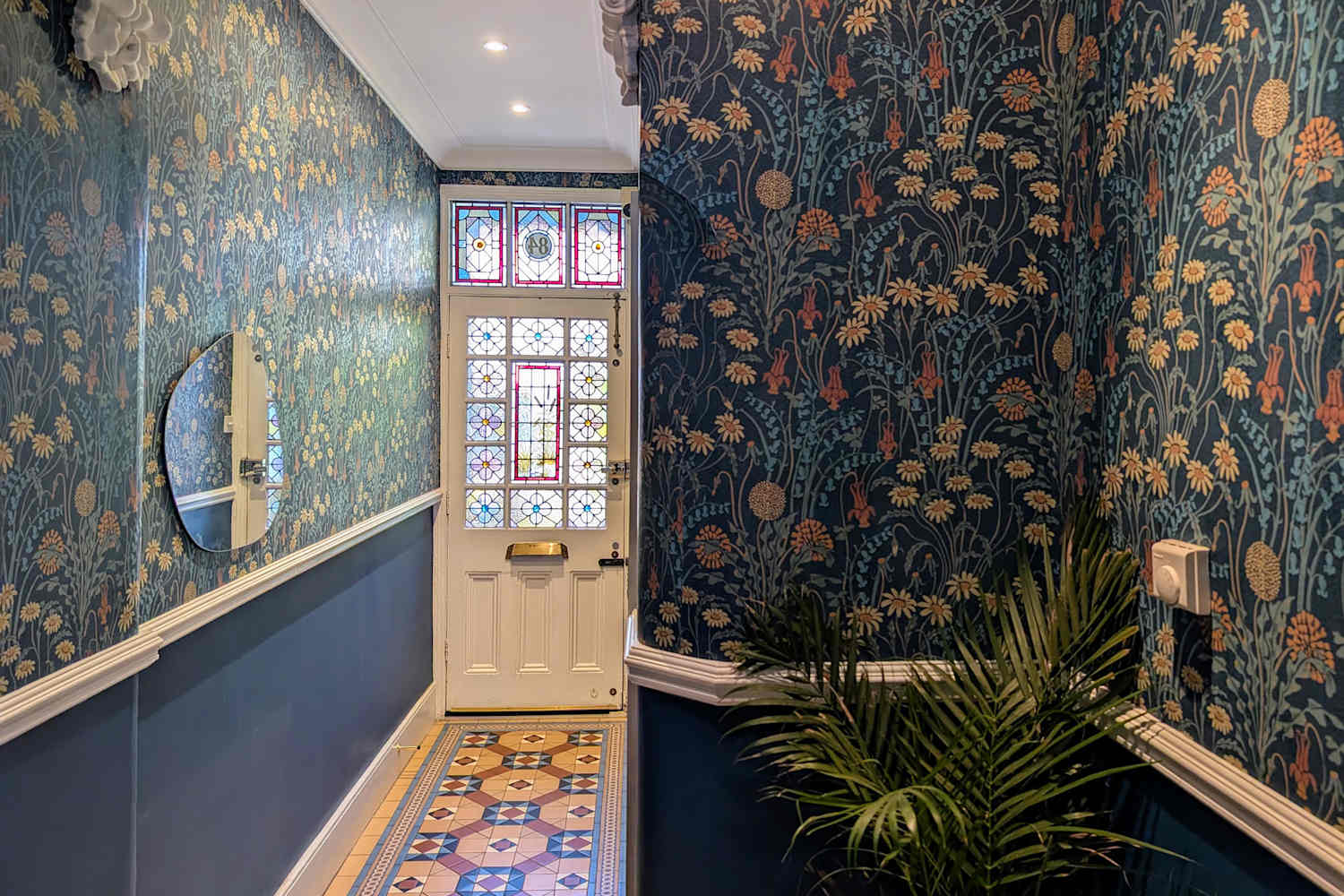
2 weeks agoLittle Holland House: The arts and crafts home open to visitors once a month
It's not a house of outstanding art, being a self-taught carver whose skills evidently advanced over the years, as you can see the evolution from fairly rough carving on the stairs to the very skilled work in the living room. He also created the paintings on the walls - talented chap - but never finished the carving in the living room, as his time finally ran out.
Renovation
fromLos Angeles Times
17 years agoA Montecito classic, revived
George Washington Smith, widely regarded as the founder of the Spanish Colonial Revival style, designed scores of houses in and around Santa Barbara during an architectural career that lasted only a dozen years before his death in 1930. Today those houses, with their signature mix of whitewashed walls, red-tiled roofs, balconies, courtyards, fountains, elaborate carved woodwork and wrought iron, are keenly sought after, according to area real estate agents.
LA real estate
#craftsman-architecture


LA real estate
fromLos Angeles Times
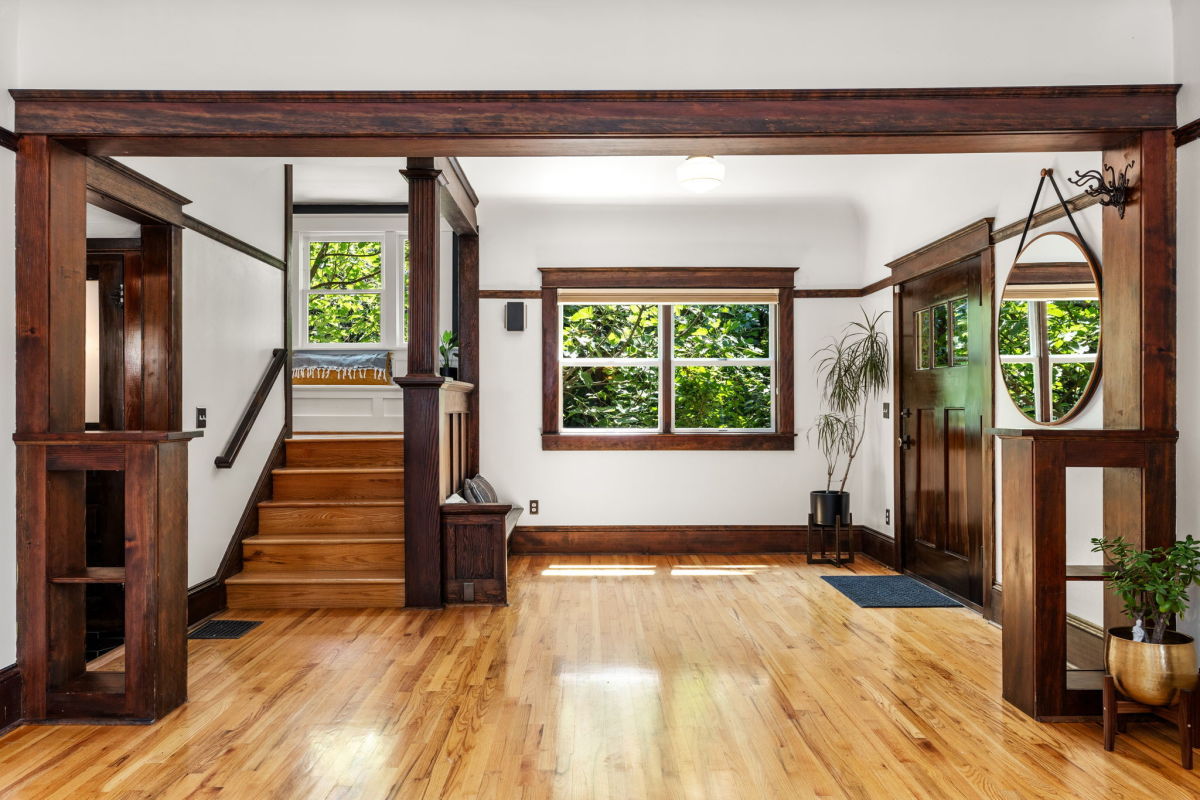
9 years agoEarly Craftsman holds fast to its roots in Montecito Heights
A 1910 Craftsman house in Los Angeles's Montecito Heights neighborhood is listed for $849,000, featuring period-inspired updates while maintaining original architectural details and modern amenities.
fromLos Angeles Times
10 years ago'Downton Abbey' dowager's house and acreage sells in Surrey, England
Twelve weeks after coming on the market, the Surrey house used to portray the home of actress Maggie Smith's character, Lady Violet Crawley, found a buyer and recently closed along with several adjacent properties for nearly $9 million. Known as Dower House on the TV series, it was built around 1686.
Boston real estate
Renovation
fromArchitectural Digest
3 weeks agoA Victorian House in East London Reinterprets French Style Through Rose-Colored Glasses
Soft curves, mirrors, and architectural details transform a narrow Victorian house into a sophisticated, fluid living space with carefully curated furnishings and artistic touches.
fromLos Angeles Times
39 years agoA First-Class Dwelling : A New Owner Discovers the Lively History of His House--and Los Angeles--in a Search of the Public Records
My house is my history book. Like a wise grandfather, this splendid relic of 1903 has been teaching me about the city that adopted me 15 years ago. The old place has watched Los Angeles grow from just over 100,000 to more than 3 million. It was here before the movies, before the aircraft plants, before the car dealers.
LA real estate
Design
fromYanko Design - Modern Industrial Design News
1 month agoThis Iconic Australian Bush House Just Hit the Market for the First Time in Over 40 Years - Yanko Design
The Ball-Eastaway House, a Pritzker Prize-winning architect Glenn Murcutt's first residential use of corrugated iron, is listed for AUD 2.4-2.6 million after 41 years of private ownership.
LA real estate
fromLos Angeles Times
9 years agoHome of the Week: Elderly Windsor Square Victorian mansion was no wallflower
An 1890s Victorian mansion originally built in Westlake was relocated to Windsor Square in 1914 and features ornate period details, hidden rooms, and has appeared in multiple Hollywood films.
fromLos Angeles Times
7 years agoIf this house could talk: Home biographer tells tales of famous names who once lived there
I essentially print one copy of the book for the owner. It tells the story of their house and all the owners from the time it was built until today. The books run from 150 to 250 pages, can take more than 200 hours to produce and are filled with boldface celebrity names and archival photos of stars hanging out in the home with famous friends.
LA real estate



fromBrownstoner
2 months agoGilded Age Kingston Manse, Yours for $2.25 Million
Gleaming woodwork, cozy window seats, and shimmering stained glass windows contribute to the lush Gilded Age atmosphere inside this 1890s Queen Anne in Kingston. All those details do come at a price, but the interior looks lovingly cared for with restored original elements and period sympathetic updates. The dwelling on the market at 77 West Chestnut Street is within the Chestnut Street National Register Historic District, which includes substantial dwellings originally constructed for the influential and affluent of Kingston.
Real estate
Renovation
fromArchitectural Digest
1 month agoA Victorian Row House in Sydney Goes from Dilapidated to Decidedly Mediterranean
A Victorian row house in Potts Point underwent extensive renovation including two additional floors, facade restoration, and interior modernization while preserving original architectural features and creating an elegantly neutral backdrop for antique furnishings and European design elements.
fromLos Angeles Times
7 years agoDon't toss those soulful old windows. Fix them.
As the weights touch, they get a bit musical and there's a kind of harmonic ring in your wall. It's like the house is alive. But with soulful age come other sounds: rattles, wind whistling through gaps and a homeowner's curses because the blasted contraptions won't open and close properly.
Renovation
fromBoston.com
1 month agoFor $3 million, a Newton 'painted lady' with plenty of whimsy
Originally known as the Charles Davis House, the colorful Newton Center home was constructed in the Second Empire style in 1860 by Davis, a well-to-do chemical manufacturer in Boston, according to historic documents. It later served as a nursing home before returning to a single-family dwelling. About 20 years ago, an architect purchased the home and transformed it for himself into a six-bedroom, eight-and-a-half-bathroom home that exudes vibrant color and historic features that effortlessly blend with modern amenities.
Boston real estate
fromLos Angeles Times
11 years agoHome of the Week: Craftsman in Beverly Hills
This Craftsman home, set on a roomy three-quarter-acre lot, has the rolled roof edges, deep overhangs and protruding rafter tails characteristic of the style developed by brothers Charles and Henry Greene. Originally built for Packard dealer Earle C. Anthony, the shingle-clad house was moved from Los Angeles to Beverly Hills in the early 1920s by silent-film star Norman Kerry.
LA real estate
fromWashingtonian - The website that Washington lives by.
2 months agoThe Auspicious Manor: A Masterclass in Scale and Sustainability - Washingtonian
Unrivaled in scale, this nearly 18,000-square-foot manor is a masterclass in architectural precision. The exterior's brick and granite facade is defined by four regal balconies featuring exquisite limestone and granite architectural balusters. Inside, the home is a showcase of custom interior detailing, featuring extensive shadowboxes, art niches, and intricate tray ceilings. Vertical proportions are equally impressive: the main level boasts 20-foot ceilings in the living and family rooms, with 10-foot ceilings throughout the rest of the floor.
Real estate
fromLos Angeles Times
15 years agoModern notes grace a historic pedigree
Designed by noted residential architect Roland E. Coate, the home was built in 1926 for Annie Wilson, daughter of pioneering Southern California businessman and politician Benjamin Wilson, for whom Mt. Wilson is named. The gently sloping 1-acre-plus property was once part of the vast holdings of George S. Patton, father of the famed U.S. general.
LA real estate
Real estate
fromWashingtonian - The website that Washington lives by.
1 month agoA Chef's Kitchen, Cozy Fireplaces, and Eclectic Details: Inside Four Open Houses This Weekend - Washingtonian
Open houses feature a LeDroit Park townhouse, a Rockville Craftsman cul-de-sac home, a five-bedroom Arlington new construction, and a Bethesda house with a roofdeck.
Real estate
fromLondon Business News | Londonlovesbusiness.com
2 months agoExploring a mews house in Central London - London Business News | Londonlovesbusiness.com
Central London mews houses combine historic architectural charm with modern luxury, offering secluded, characterful, and highly desirable residential properties and strong investment potential.
Renovation
fromLos Angeles Times
36 years agoArchitectural Antiques Used as Home Decorating Elements
Architectural antiques from salvage houses and demolition sites are increasingly used as distinctive building and decorating elements in new home construction, driven by renewed historical interest and their status as art forms.


fromSilicon Canals
1 month agoTreasures worth thousands: homeowners discover vintage items hidden in walls during renovation - Silicon Canals
Picture this: you're knee-deep in renovation dust, crowbar in hand, when something unexpected tumbles from behind century-old plaster. A yellowed envelope? A strange metal box? That moment when your heart skips because you realize you might have just found something extraordinary. For some lucky homeowners, these discoveries turn out to be worth thousands of dollars, transforming a simple home improvement project into an unexpected treasure hunt.
Renovation
fromPortland Monthly
1 month agoProperty Watch: A SW Portland Craftsman Returns to Its Roots
Schacht, originally born in Germany and educated in Europe, moved to Portland in 1883 after the German government claimed his Hamburg home via eminent domain, and he decided to move as far away as possible. While his work over his four-decade career spanned a variety of architectural styles, it has been noted that after 1900, he was "among the first Arts and Crafts-influenced architects to practice west of the Rocky Mountains."
Renovation
fromArchitectural Digest
1 month agoA (Definitely!) Haunted Victorian Gets a High Design Second Act in the Berkshires
Not every home is willing to play a supporting role. Jess Cooney's has always demanded top billing. "It's been a main character in my life-we've had a beautiful journey," says the AD PRO Directory member of her 6,000-square-foot house in Great Barrington, Massachusetts. "And it also drives me insane." More than two decades ago, Cooney returned home from Colorado to the Berkshires with her husband, Joe, and a new daughter in tow.
Renovation
[ Load more ]