Design
fromPsychology Today
15 hours agoThe Future of Brain Health Is Architecture
The built environment significantly influences mental health, mood, and performance, with neuroscience guiding design for improved well-being.
I was stealing other people's definitions of happiness and trying to make them fit my life. I'd walk past neighbors' houses at night, see their living rooms lit up through the windows, and think that's what I was missing.
When the person you're pretending to be gets too heavy to carry, you realize that the mask you've worn for so long has become your actual face.
When you design your home with intentionality, you are essentially 'hard-coding' healthy behaviors into your daily rhythm. Health outcomes are the result of thousands of micro-decisions—so in his own home, he prioritized spaces like the kitchen, whose open layout makes cooking a pleasure, and the gym, centrally located.
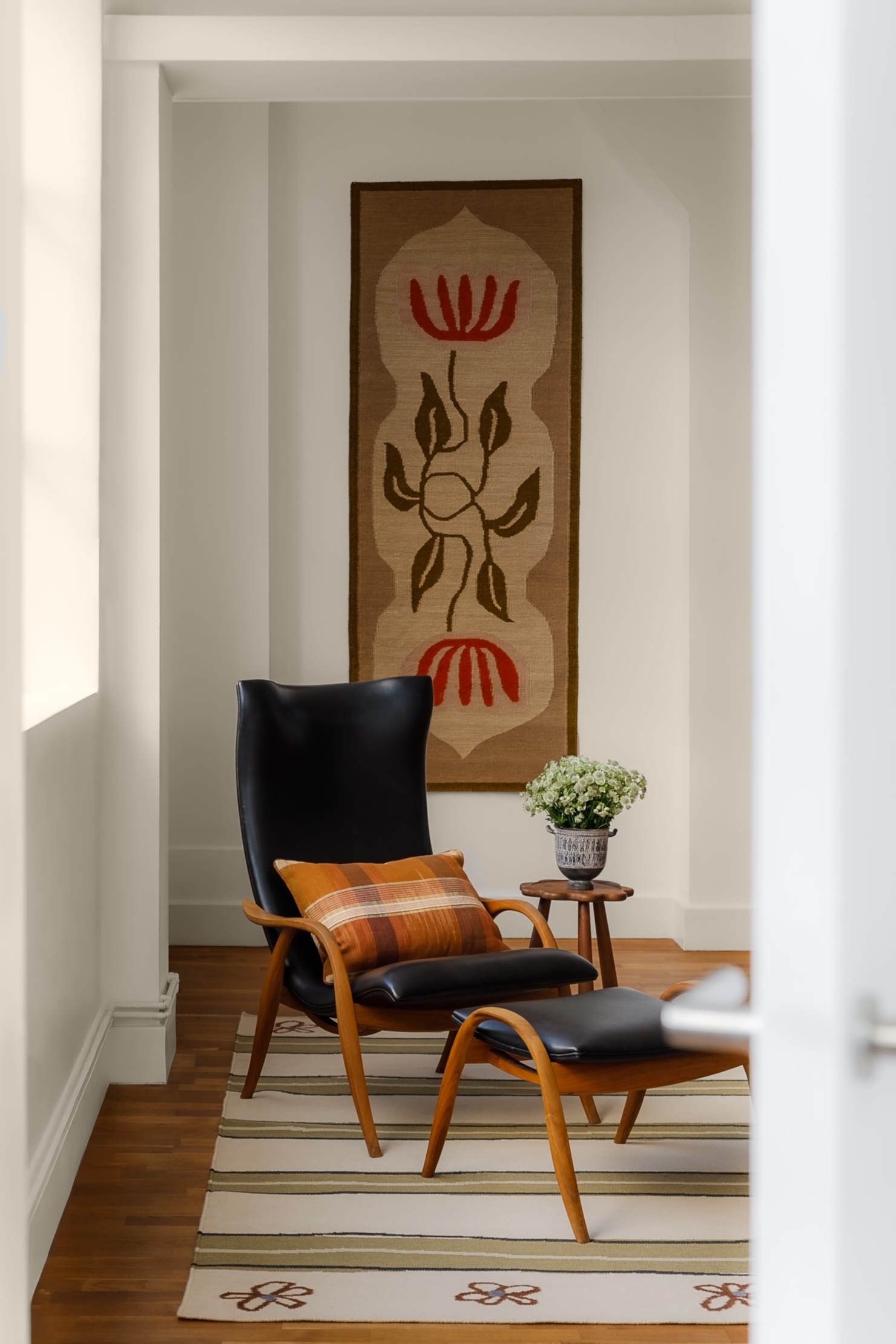
The convenience of sourcing online is fraught with more pitfalls than most of us want to admit. Try finding adequate photos of a vintage piece's condition-close-ups of the fabric, video of damaged areas, any images of a piece's rear or underside!
Work or social media can become addictive, and the bonds between people can suffer in the process. Designating certain spaces as screen-free zones helps provide a clear delineation between work or school and family time. Social media, office or school gossip, and work demands all erode time that could be better spent on personal growth through hobbies or the formation of social bonds.
Even long after the tell-tale odor of new paint has vanished, traditional paint can off-gas for months, releasing volatile organic compounds (VOCs) that have been linked to organ and nervous system damage, cancer, and infertility.