Fashion & style
fromElite Traveler
1 day agoThe Underrated Status Clue? It's Sitting by Your Sink
Aesop's hand wash has become a symbol of aesthetic literacy, influencing home decor and luxury branding beyond traditional markers of wealth.
When you design your home with intentionality, you are essentially 'hard-coding' healthy behaviors into your daily rhythm. Health outcomes are the result of thousands of micro-decisions—so in his own home, he prioritized spaces like the kitchen, whose open layout makes cooking a pleasure, and the gym, centrally located.
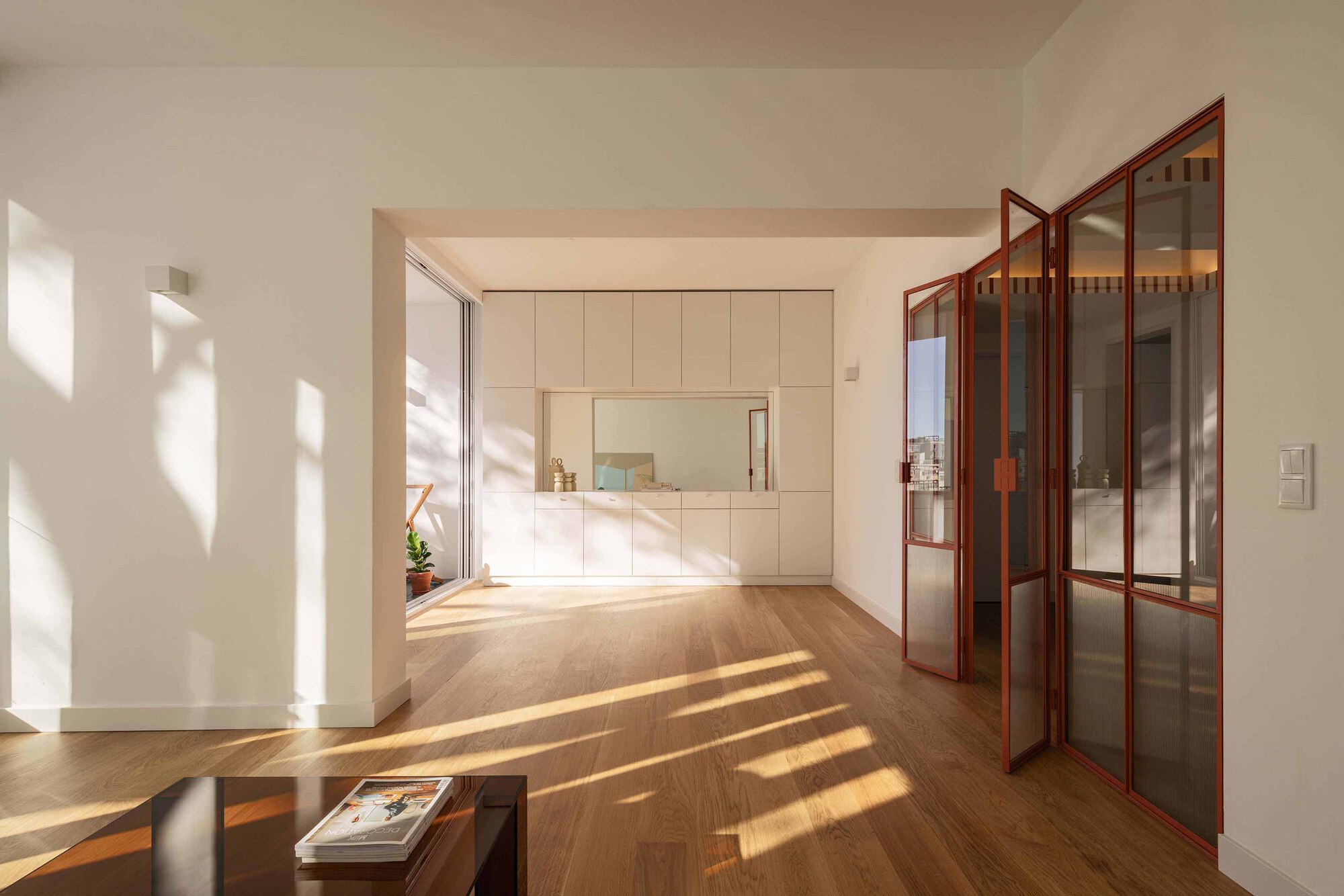
"The clients are a family of five who were already living in the Barcelona flat but wanted to give it new character through the redesign of the kitchen and bathrooms," says Muñoz. "Our focus was to update the spaces while maintaining continuity with the rest of the apartment, which has a lot of personality thanks to the clients."
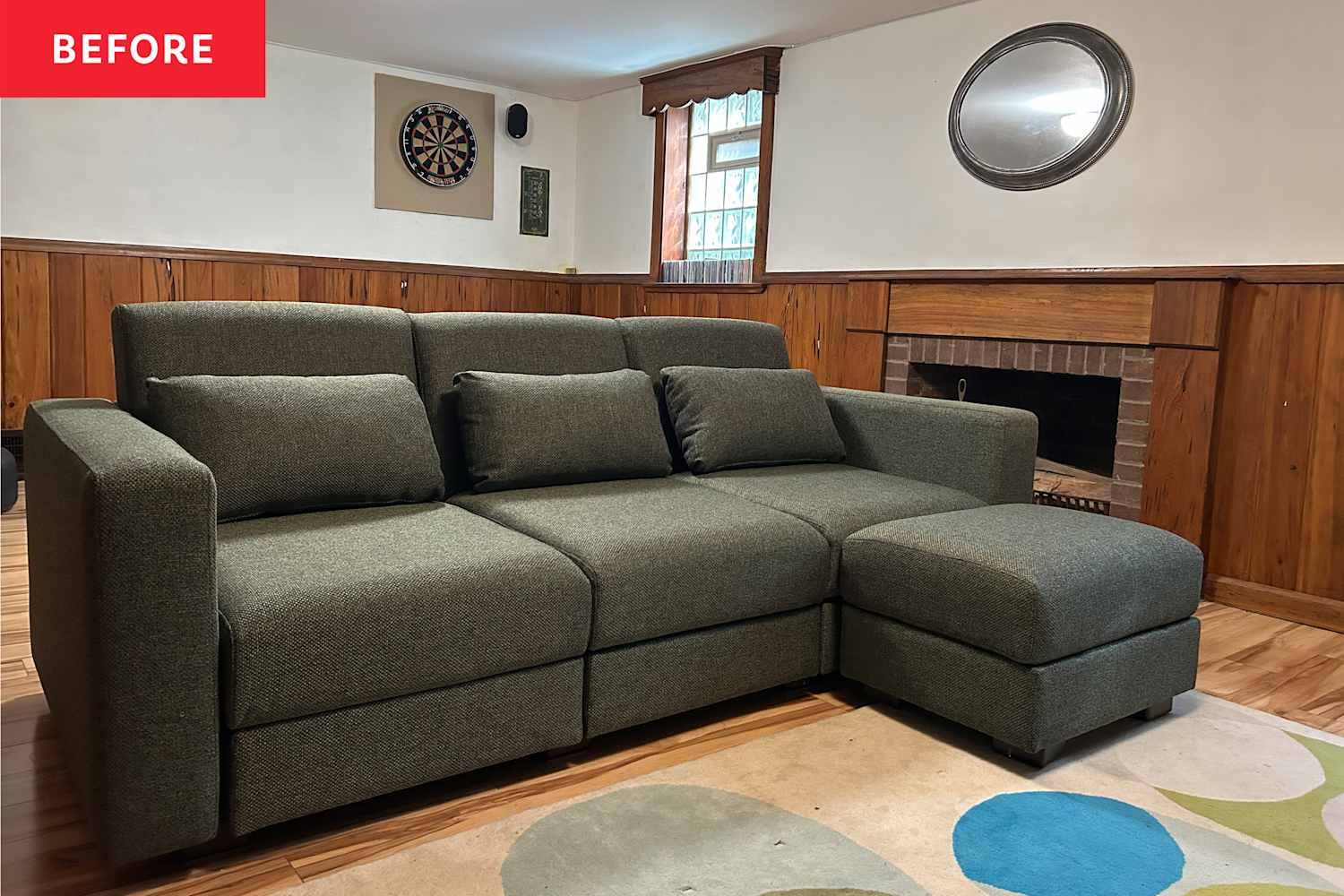
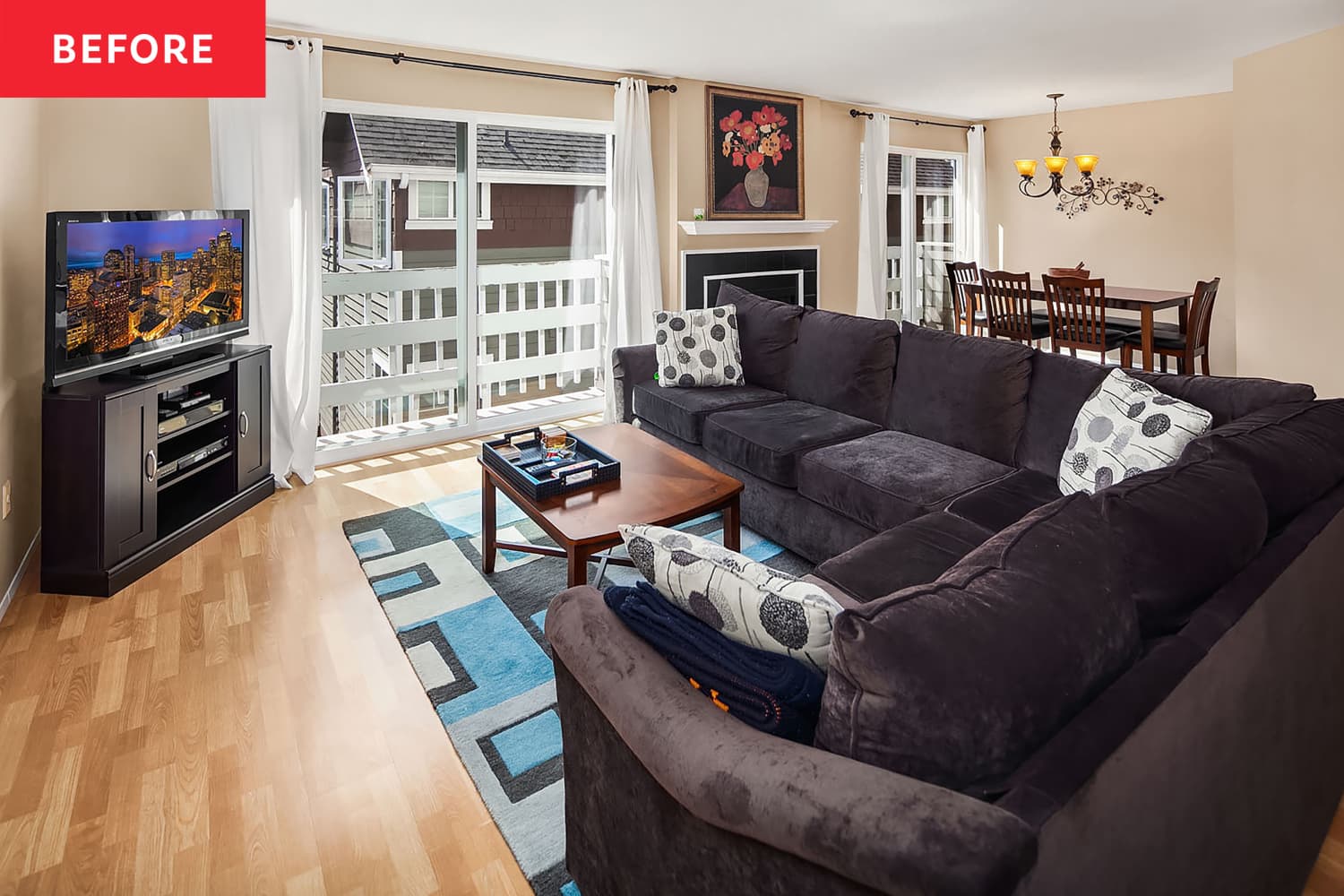
Budget shouldn't mean boring, and sometimes, all it takes to totally flip the vibe of your space is a sneaky little upgrade that looks ridiculously expensive (but totally isn't). We're talking about genius fixes for droopy couches, must-have kitchen hacks, and decor pieces that scream "I hired a designer" without leaving your wallet on life support. Whether you want to add some drama to your doorstep, organize your chaos, or bring full-on luxury spa energy to your bathroom,
When clutter piles up, closets burst at the seams, and cords snake all over your desk, your home can quickly look - and feel - messy. Or maybe it's your tired furniture or flooring that needs some TLC. The good news is that you don't have to spend a ton on a renovation to fix these problem; in fact, sometimes the solution is surprisingly easy and affordable. And that's where this list comes in, with simple upgrades that help you take control of the things that are making your home look cheap.
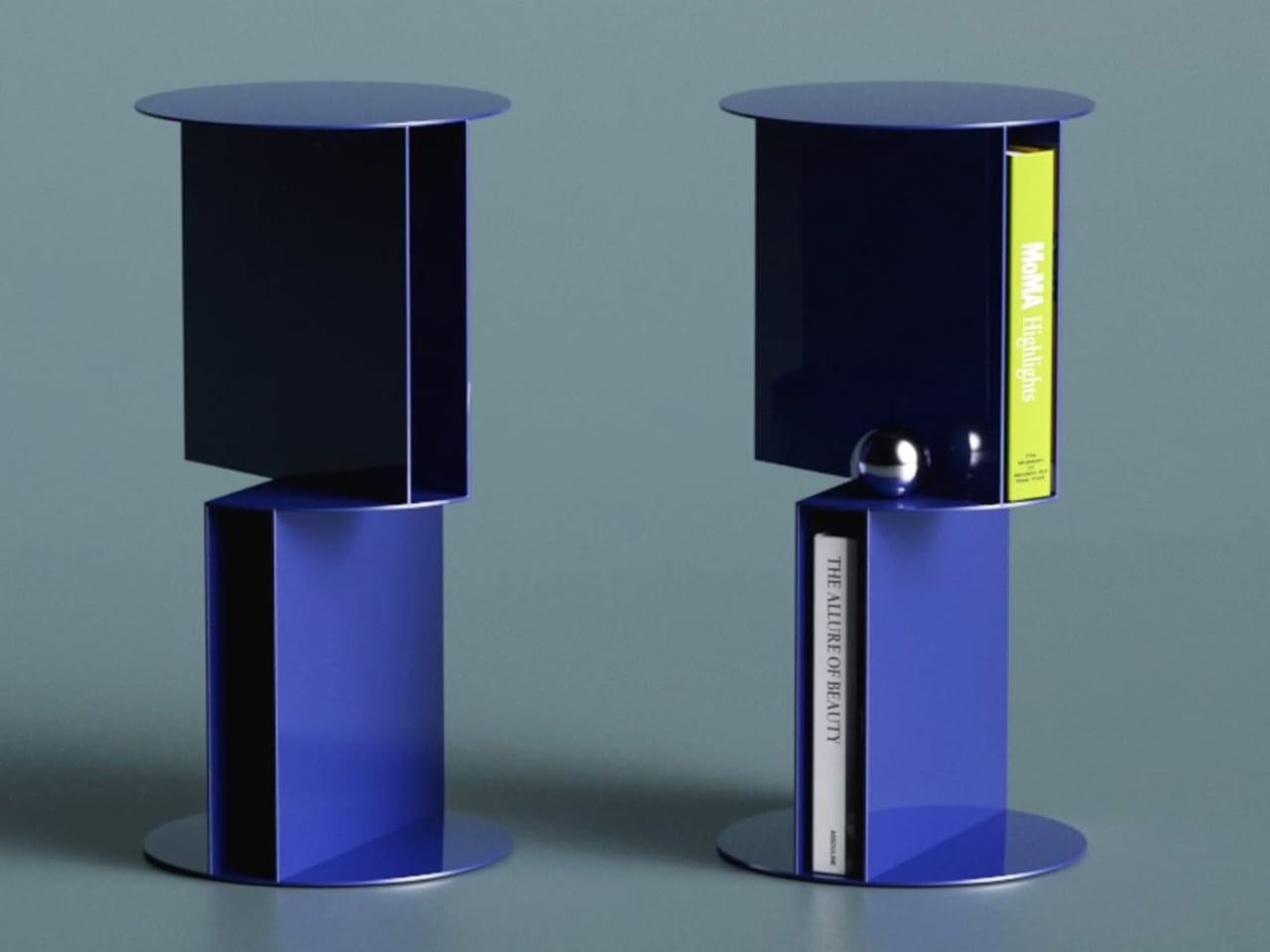
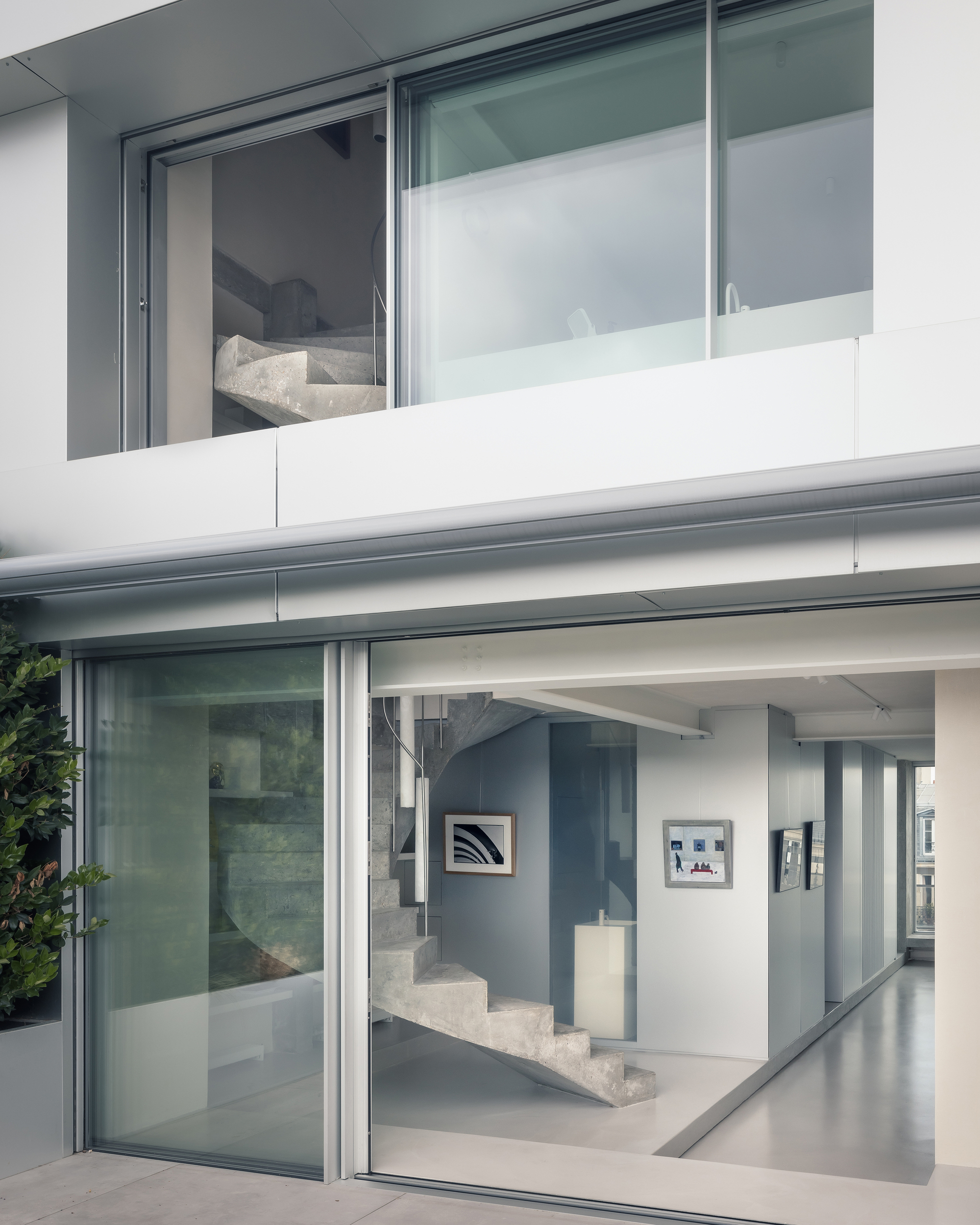
How did a material conceived for bridges, factories, and large-scale structures make its way to the living room bench, the apartment bookshelf, the café table? For centuries, metal was associated with labor, machinery, and monumentality-from the exposed structures of 19th-century World's Fairs to the productive logic of modern industry. Its presence in domestic interiors is not self-evident but rather a cultural achievement: the transformation of an industrial material into an element of everyday, intimate use, in close proximity to the body.