#home-sale-with-mortgage
#home-sale-with-mortgage
[ follow ]
#housing-market #real-estate #mortgage-rates #home-prices #affordable-housing #housing-affordability





#homeownership
NYC real estate
fromwww.businessinsider.com
2 days agoWe bought a house that's too small so we could afford our dream neighborhood. A $300,000 third-party loan will help us renovate.
The Feinbergs purchased a small home in Wayne, Pennsylvania, and planned to expand it using RenoFi financing based on future value.


NYC real estate
fromwww.businessinsider.com
2 days agoWe bought a house that's too small so we could afford our dream neighborhood. A $300,000 third-party loan will help us renovate.
The Feinbergs purchased a small home in Wayne, Pennsylvania, and planned to expand it using RenoFi financing based on future value.
#mortgage-rates


Real estate
fromBoston Condos For Sale Ford Realty
6 days agoWhat's The Forecast For Mortgage Rates In The Latter Half Of 2026? Boston Condos For Sale Ford Realty
30-year fixed mortgage rates in H2 2026 are expected to range between 5.50% and 6.40%, with varying forecasts from major housing authorities.
Real estate
fromBoston Condos For Sale Ford Realty
6 days agoWhat's The Forecast For Mortgage Rates In The Latter Half Of 2026? Boston Condos For Sale Ford Realty
30-year fixed mortgage rates in H2 2026 are expected to range between 5.50% and 6.40%, with varying forecasts from major housing authorities.



fromwww.housingwire.com
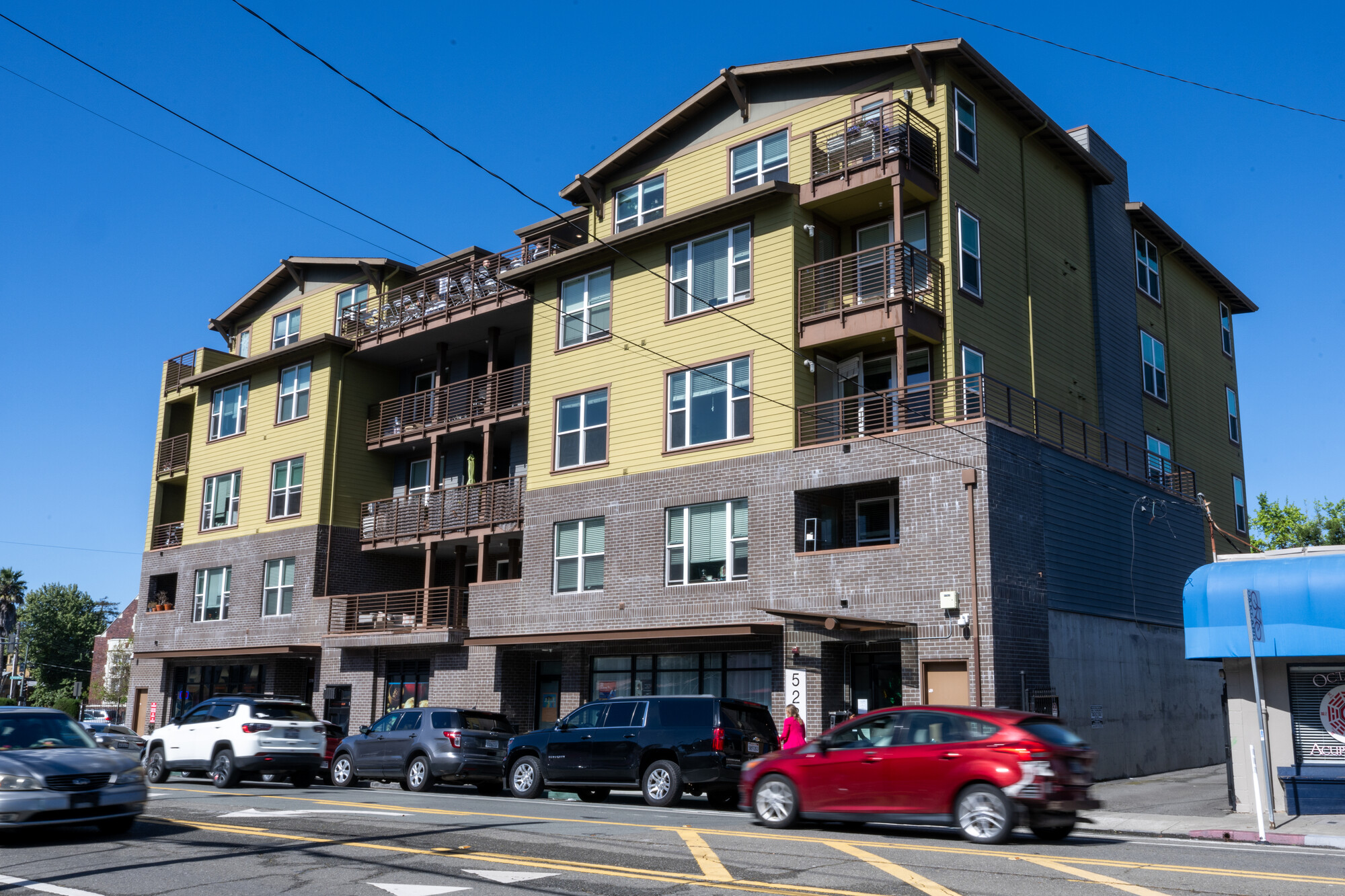
3 days agoMortgage lenders ramp up homebuilder divisions
Ginsburg stated that treating builder business as a core pillar rather than a side channel reflects a broader industry shift. He believes a healthy balance of builders should be around 15% to 20% of the overall retail book of business.
Real estate
Boston real estate
fromRedfin | Real Estate Tips for Home Buying, Selling & More
2 weeks agoOverbuying vs. Underbuying: First-Time Buyer Pitfalls
First-time homebuyers should balance mortgage pre-approval amounts with personal financial comfort, avoiding both overbuying and underbuying to support long-term financial health and lifestyle needs.
Boston real estate
fromRedfin | Real Estate Tips for Home Buying, Selling & More
3 weeks agoCan You Sell a House With a Mortgage? A Step-By-Step Guide
Most homeowners sell their homes with outstanding mortgages; the buyer's funds automatically pay off the remaining loan balance at closing, with sellers keeping any equity after fees.

Real estate
fromwww.housingwire.com
6 days agoAI can accelerate real estate transactions But it can't replace the professional work that protects property rights
Artificial intelligence is enhancing efficiency in the title industry, but professional expertise remains essential for ensuring clear property ownership.
Real estate
fromwww.housingwire.com
1 week agoThe mortgage industry built a sales infrastructure. It now needs a navigation infrastructure
Mortgage lending's efficiency may obscure its complexities, necessitating a shift from sales infrastructure to navigation infrastructure for better borrower understanding.
fromwww.housingwire.com
3 weeks agoRealtor.com data challenges Senate ban on big home investors
One of the biggest takeaways is that from a national perspective, the largest investors account for a really small proportion of single-family home purchases and that share has decreased in recent years. So the ban is going to have less of a bite now than it would have had it been enacted a few years ago. It is attacking a trend that is already decreasing as opposed to one that is becoming increasingly part of the market.
Real estate
Real estate
fromwww.housingwire.com
3 weeks agoWhat real estate agents need to know about the Spring housing market
Employment data influences housing activity through household confidence and purchasing power, but mortgage rates are primarily driven by Treasury yields and inflation expectations rather than individual jobs reports.
Real estate
fromRedfin | Real Estate Tips for Home Buying, Selling & More
1 month agoWhat Does "Financially Ready" Really Mean? A Smarter Approach to Buying a Home
Financial readiness for homeownership requires affordability, sustainability, and flexibility to handle ongoing costs, lifestyle changes, and unexpected expenses beyond mortgage approval or a down payment.


fromwww.housingwire.com
2 months agoHomebuying power improves as prices cool, inventory expands
Realtor Todd Luong of REMAX DFW Associates in Frisco said his recent experience reflects meaningful improvement for buyers, even if affordability remains strained. Here in the Dallas real estate market that I serve, affordability remains a challenge, he says. However, there is a significant amount of data showing that buyer conditions have improved over the past year and that buyers are gaining affordability ground. This should eventually increase housing demand to some degree as we head into the busy spring buying season.
Real estate
fromwww.housingwire.com
2 months agoLower mortgage rates support steady new home sales
Sales of new single-family houses in October 2025 were at a seasonally-adjusted annual rate of 737,000, according to estimates released jointly today by the U.S. Census Bureau and the Department of Housing and Urban Development. This is 0.1 percent (14.2 percent)* below the September 2025 rate of 738,000, and is 18.7 percent (21.7 percent)* above the October 2024 rate of 621,000. There were some negative revisions to the past three months, but the trend still stayed positive.
Real estate
Real estate
fromRedfin | Real Estate Tips for Home Buying, Selling & More
2 months agoWhat Factors Affect How Quickly a House Sells?
Speed of home sale depends primarily on accurate pricing, market supply/demand, property condition and marketing, with days on market signaling demand and pricing accuracy.

[ Load more ]