#honey-amp-pearl
#honey-amp-pearl
[ follow ]
#seafood #hot-honey #cooking-tips #cooking-technique #marine-conservation #flavor-enhancement #food-trends
fromFood & Beverage Magazine
2 days agoManuka Honey a Wellness Ingredient Elevating Spring Culinary and Cocktail Menus with Functional Flavor - Food & Beverage Magazine
Mānuka honey introduces a layer of complexity that traditional sweeteners cannot replicate. Ultra MGO 800+ is described as thicker, richer and more earthy than standard honey, delivering intense mineral bursts and chocolate notes.
Food & drink
fromTheregister
1 week agoBees and hummingbirds get trace alcohol from nectar
A study by researchers at the University of California Berkeley has found that ethanol is surprisingly common in floral nectar, the sugary fuel that keeps pollinators alive. Yeast feeding on those sugars produces trace amounts of alcohol, and in this study, it showed up in 26 of the 29 plant species sampled.
Beer
fromTasting Table
1 week agoThis Cocktail Staple Is The Secret To 'Amazing' Seafood Pasta, According To A Chef - Tasting Table
I use a lot of vermouth actually. Obviously it's a fortified wine and so therefore it has a lot of flavor. When I'm doing pastas, for example, I'm using white vermouth sometimes. If I'm doing a seafood pasta with clams, it's amazing. People are like, 'What's that flavor in there?'
Wine
fromBustle
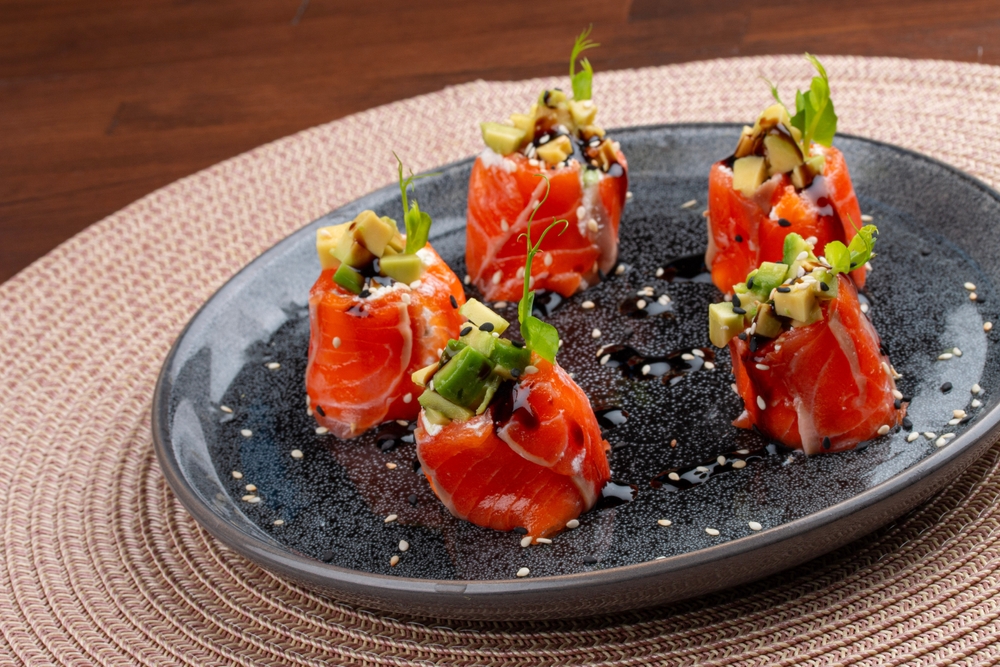
2 weeks agoPhlur's New Honey Moon Fragrance Captures The Beauty Of Reflection
Honey can sometimes lean rich or heavy. Here, it's delicate - almost like a golden light rather than syrupy sweetness. Saffron sits underneath everything, adding a slightly spicy, almost leathery edge that keeps the sweetness from building too much.
Fashion & style
Cocktails
fromTasting Table
3 weeks agoThe 2-Ingredient Milk And Honey Cocktail That Goes Down Smooth Cold Or Warm - Tasting Table
The milk and honey is a two-ingredient dessert cocktail combining Bénédictine liqueur and milk, offering a decadent, complex flavor profile that's quick to prepare for any occasion.
Wine
fromABC7 Los Angeles
3 weeks agoFrom fish sauce to fine wine: Red Boat's new venture
Cuong Pham, a former Apple engineer, launched Red Boat Fish Sauce in 2011 after discovering his mother's ancestral ingredient, creating a celebrated artisan condiment now beloved by chefs and home cooks worldwide.
#food-safety
Food & drink
fromTasting Table
2 weeks agoThe Popular Seafood Appetizer That Restaurant Workers Say They Don't Order - Tasting Table
Health authorities recommend eating only cooked oysters due to risks from Vibrio bacteria, Salmonella, and norovirus that cannot be detected by appearance, smell, or taste.
fromThe Mercury News
3 weeks agoRecipe: Dungeness Crab Cakes with panko and herbs from National Geographic
Nearly 40 miles of untamed coastline are protected in Redwood National and State Parks in Northern California. This means that besides viewing the massive, jaw-dropping trees, visitors can also meander the Pacific Ocean's edge, marvel at cliffs and perhaps even spot a gray whale. Of course, the sea's bounty also provides a delicious meal at the end of a drive or a hike.
LA food
East Bay food
fromThe Mercury News
3 weeks agoThe best ice cream town in Northern California is right at the beach
Aptos, a small Northern California coastal town of 6,000 residents, stands out as the top ice cream destination per capita with four exceptional local ice cream shops offering diverse flavors and experiences.
Food & drink
fromTasting Table
2 weeks agoThis Table Talk Pie Flavor Could Outrank A High-End Bakery Version - Tasting Table
Table Talk's pecan pie ranks as the top flavor, delivering exceptional taste comparable to homemade and high-end bakery versions with balanced sweetness and a thin, biscuit-like crust.
Miscellaneous
fromTasting Table
1 month agoThis Vibrant Long Beach Restaurant Serves Some Of The City's Best Seafood - Tasting Table
Selva in Long Beach offers fresh seafood and Colombian cuisine under chef Carlos Jurado, featuring dishes like ceviche, grilled octopus, and whole fish with highly praised service and ambience.
fromTasting Table
3 weeks agoThe 'Oyster Capital Of The East Coast' Isn't The State You Might Expect - Tasting Table
East Coast oysters are known and loved over the world for the clean minerality and distinctive salinity, which is reflective of the cold Atlantic waters where they come from. Although Maine and Maryland get a lot of credit, oysters are present along the continent's entire eastern coast, as far north as Canada's Prince Edward Island all the way down to South Florida.
Silicon Valley food



fromThe Takeout
4 weeks agoYour Guide To The Types Of East Coast Oysters - The Takeout
Generally, East Coast oysters are brinier than West Coast oysters. Eastern oysters, raised either in the Atlantic Ocean or in its estuaries, live in a much saltier environment. West Coast oysters are mostly raised in protected bays, estuaries, and tidal rivers, where there is much less salt.
Silicon Valley food
Cooking
fromTasting Table
3 weeks agoThis Often-Overlooked Creme Brulee Addition Adds Unique And Sweet Floral Notes - Tasting Table
Adding honey to crème brûlée introduces nuance and depth while complementing the delicate cream, egg, and vanilla flavors with floral, fruity, or caramel notes depending on honey varietal.
Beer
fromThe Beer Thrillers - Central PA beer enthusiasts and beer bloggers. Homebrewers, brewery workers, and all around beer lovers.
2 months agoThe New Gathering Trend: Craft Beer and Chef-Hosted Backyard Experiences - The Beer Thrillers
Chef-hosted backyard events paired with craft beer offer a relaxed, high-quality alternative to crowded taprooms with curated menus, allergy control, and smooth logistics.
from101 Cookbooks
1 month agoCandied Nuts (with Rose Water)
These candied nuts have become one of the cornerstones. You can make them with whatever nuts you have on hand, they keep beautifully for over a week, and they're an easy win as part of a larger snack-y spread. They also bridge the sweet-savory gap wonderfully and I've been serving them with a range of spreads, flatbread, and other bite-sized sweet treats.
Food & drink
fromTasting Table
1 month agoThe Seafood Sandwich To Try If You Love Lobster Rolls - Tasting Table
Nothing screams summer in New England more than a fresh, buttery lobster roll. Whether you like yours served cold and loaded with creamy filling or you prefer a bun stacked with warm, naked claws, lobster rolls are a staple part of the Northeastern diet - and they're often enjoyed in other parts of the country too. If you're a fan, then there's another seafood sandwich you should try, especially if lobsters aren't commonly found in your area: Scallop rolls.
Cooking
fromTasting Table
2 months agoThis Unconventional Fruit Takes Scrambled Eggs From Good To Great - Tasting Table
Why stick to the same old recipe every time you make soft and fluffy scrambled eggs when this dish is capable of so much more? With just a small change, you can end up with something new entirely. Nothing is off-limits, not even fruits. Don't be too surprised when you add dates to the pan and discover that scrambled eggs can, in fact, be flavorful and exhilarating.
Food & drink
Cooking
fromTasting Table
2 months agoThe Gooey Ingredient That Turns Regular Peanut Butter Toast Into A Bakery-Level Treat - Tasting Table
Toasted marshmallows transform peanut butter toast into a nostalgic, versatile breakfast that can be dressed up with bananas, bacon, flambéed caramel, sea salt, or cinnamon.
fromTasting Table
2 months agoYou Need To Stop Throwing Out The Green Part Of Lobsters ASAP - Tasting Table
But when you pull off that tail section, you will reveal inside the cavity something that stands out against all of the pink and white flesh - a strange green paste. For many bib-clad lobster eaters, this green stuff ends up in the bin along with the scraps of cracked and empty shells, but they don't know what they are missing. That green paste is called tomalley, and despite its potentially off-putting appearance, it's a part of the lobster experience begging to be savored.
Cooking
[ Load more ]