#houyou-lamp
#houyou-lamp
[ follow ]
#architecture #design #lighting #interior-design #lighting-design #product-design #sustainability #minimalism





fromArchitectural Digest
1 day agoI'm Done Sourcing So Much Online. Here's Why
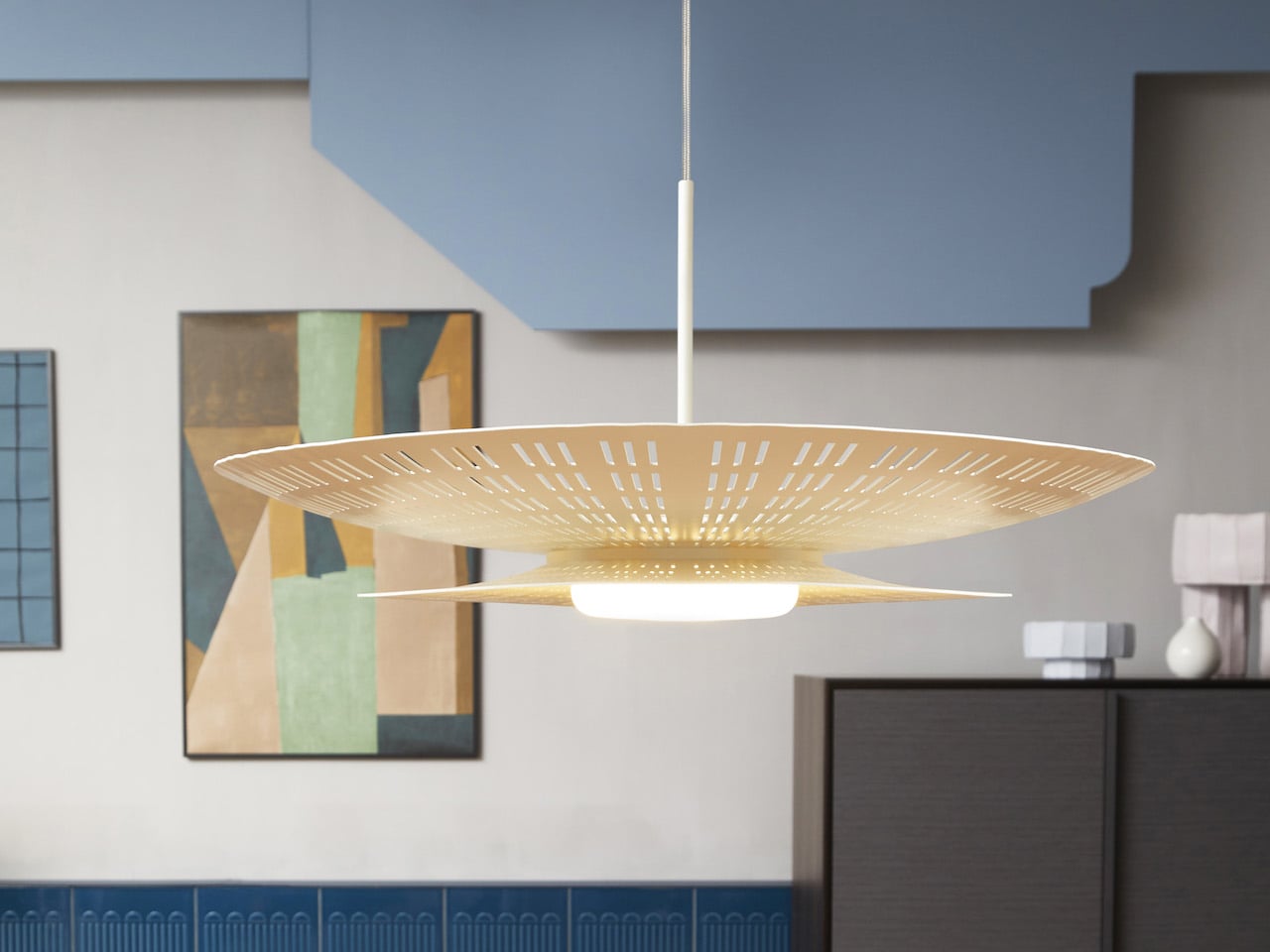
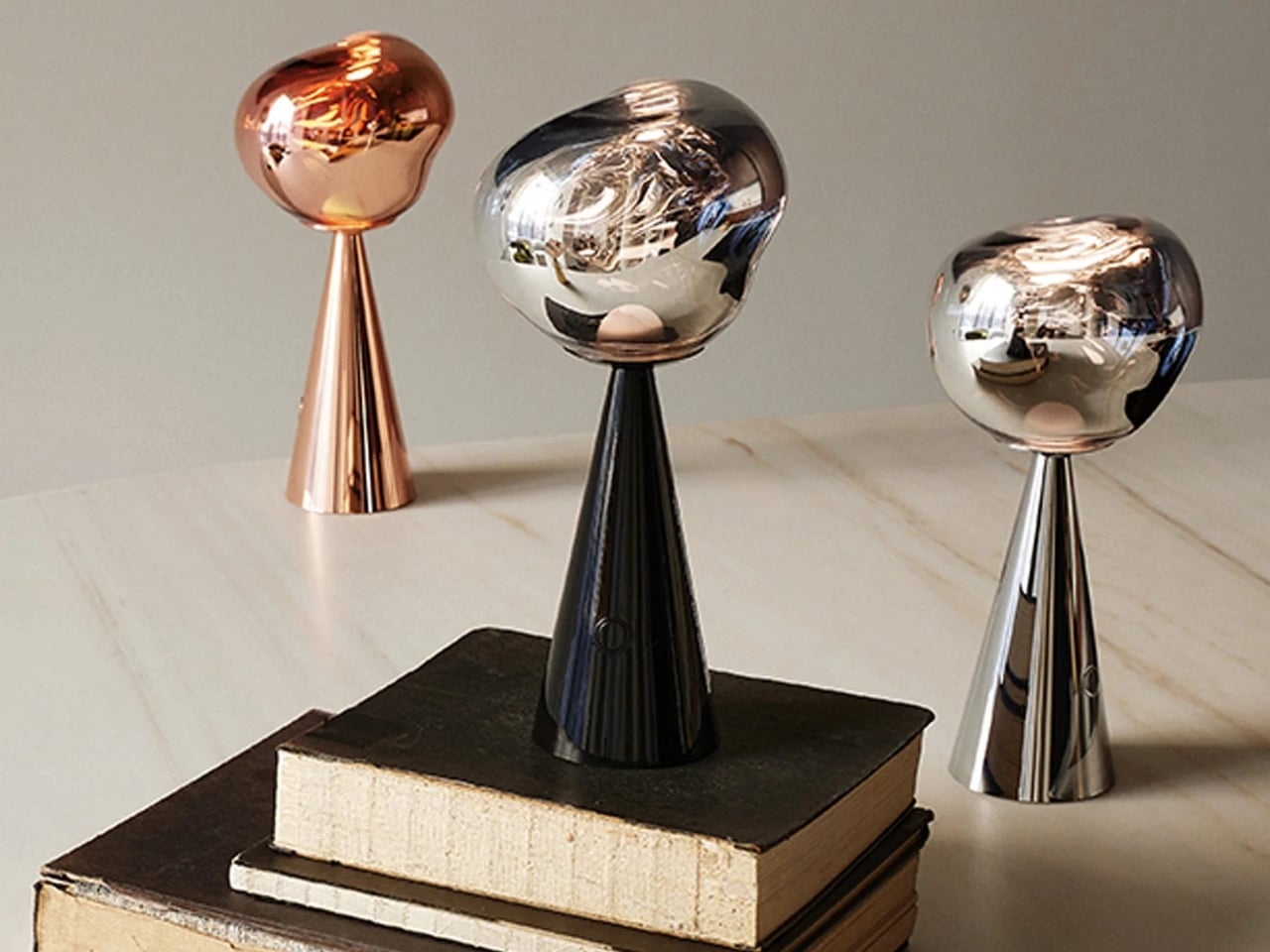
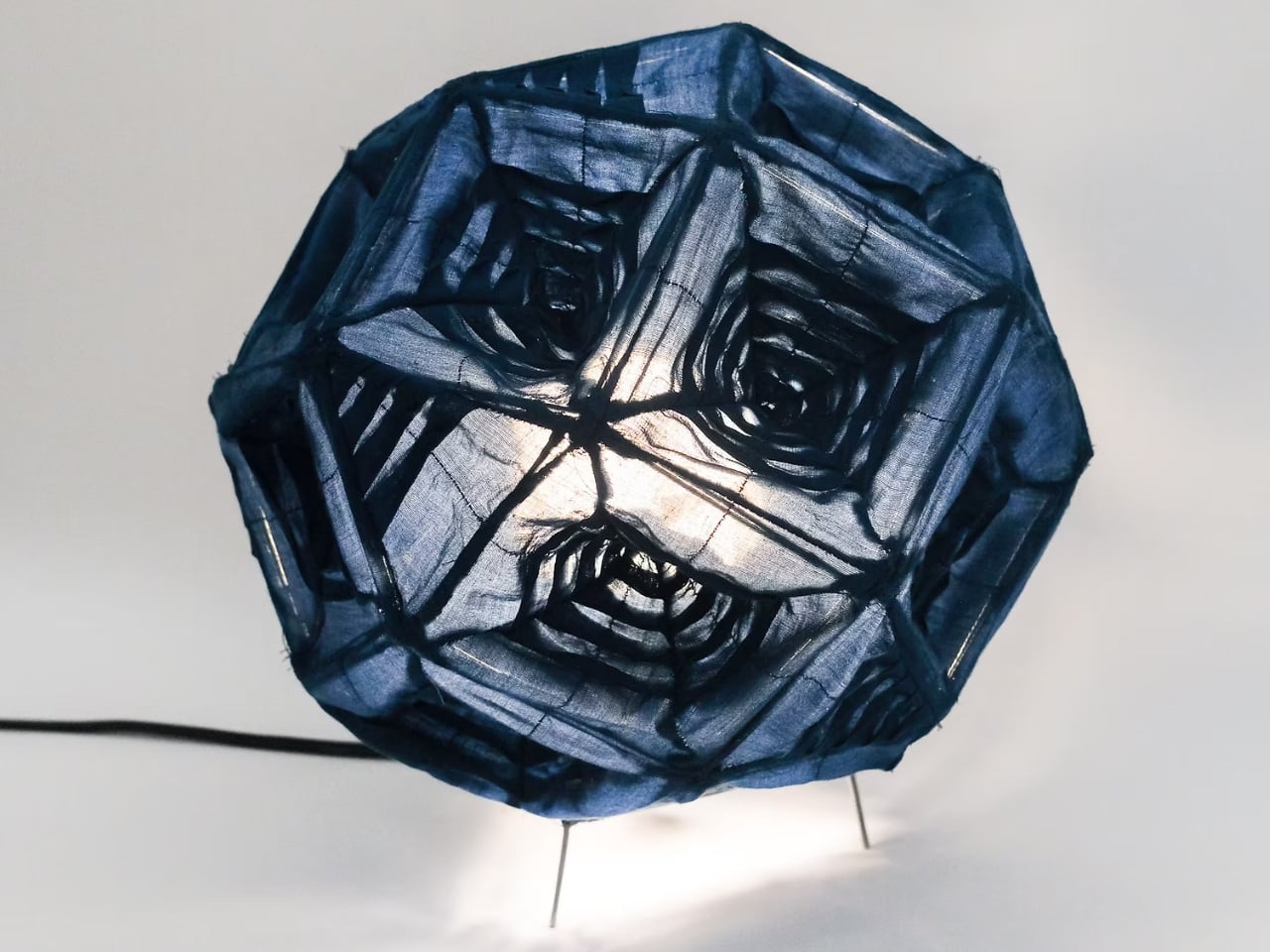
The convenience of sourcing online is fraught with more pitfalls than most of us want to admit. Try finding adequate photos of a vintage piece's condition-close-ups of the fabric, video of damaged areas, any images of a piece's rear or underside!
UX design
#furniture-design

UX design
fromYanko Design - Modern Industrial Design News
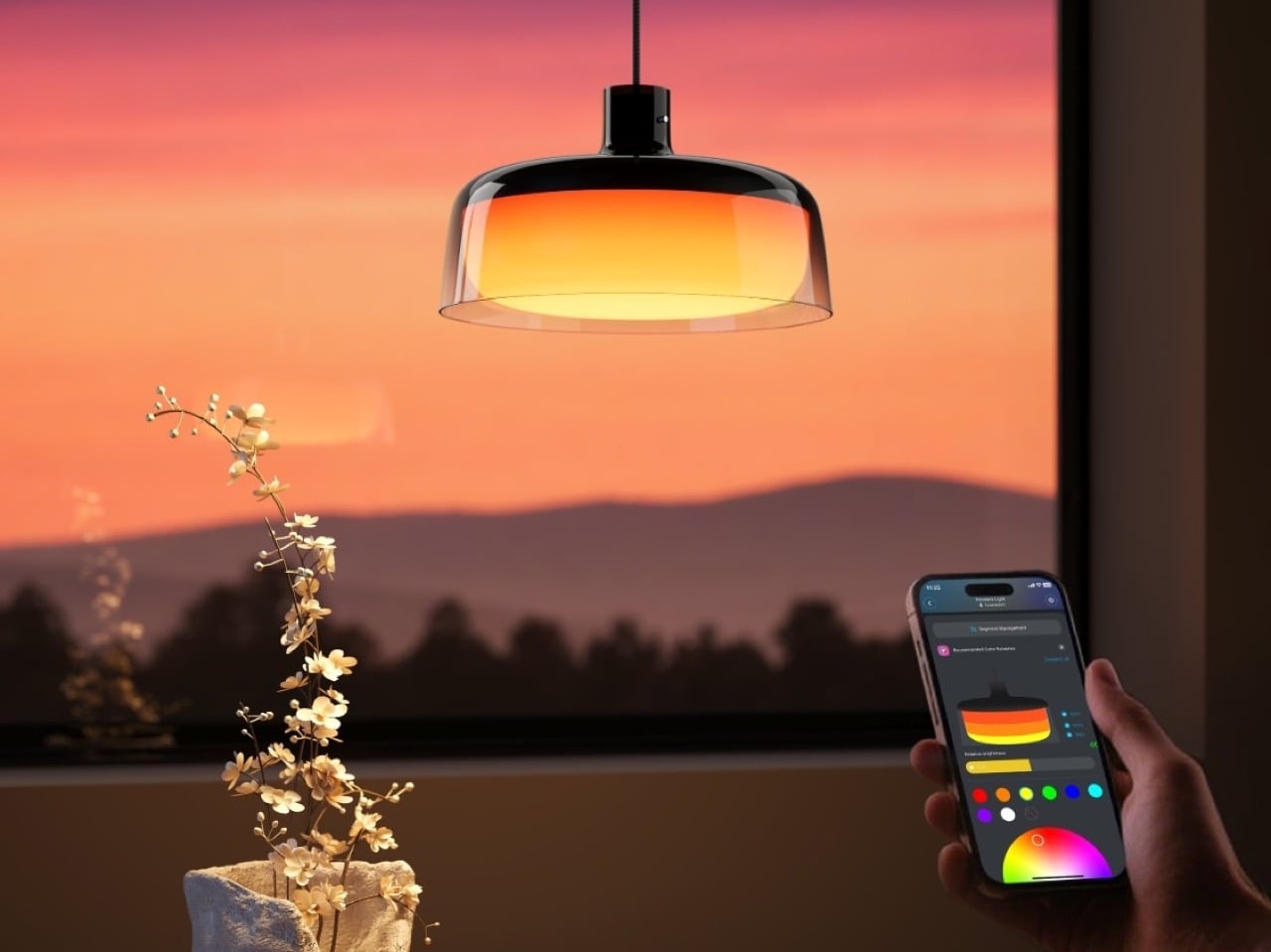
2 weeks agoBuddy's Wind-Up Mood Lamp Is the Anti-App We All Need - Yanko Design
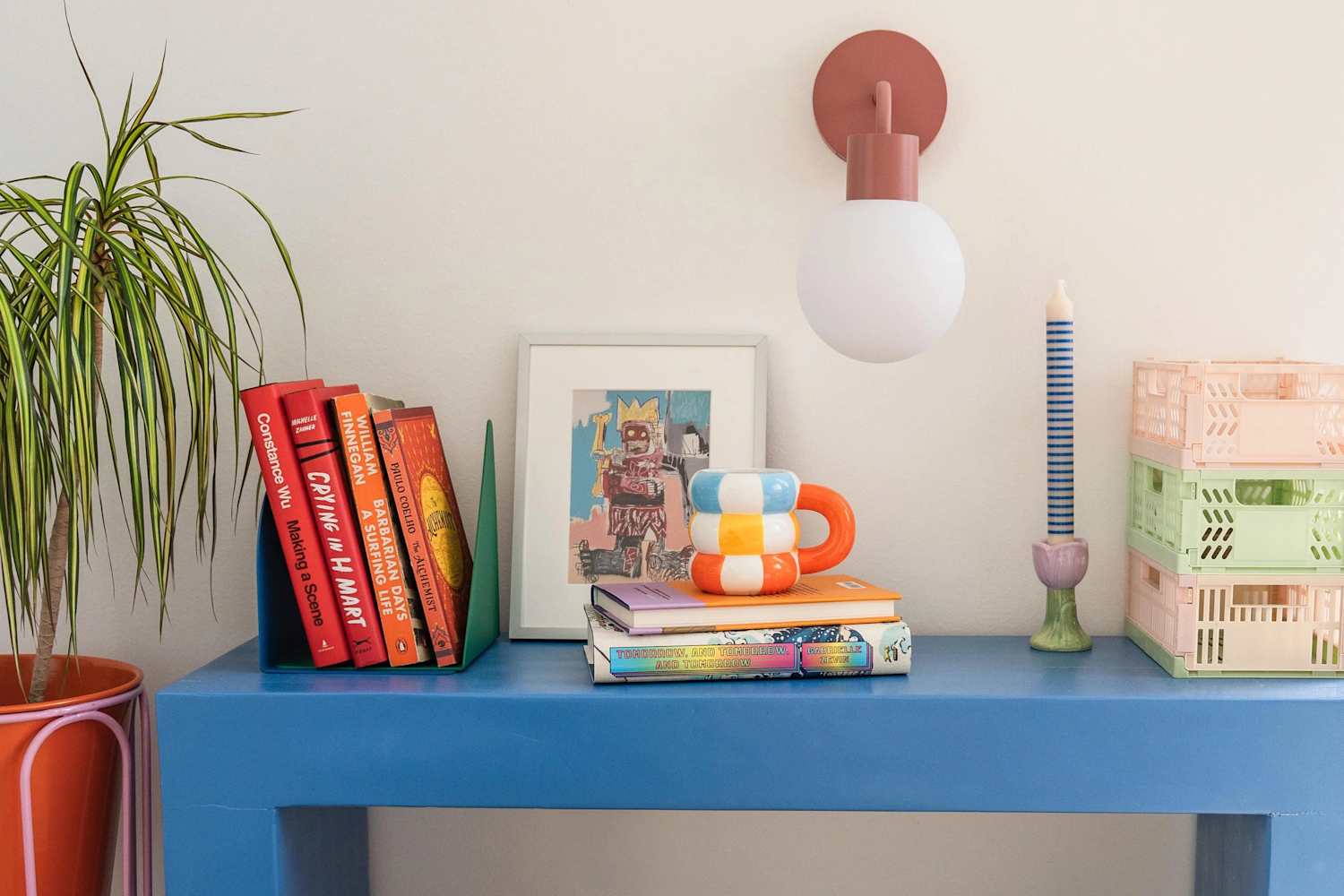
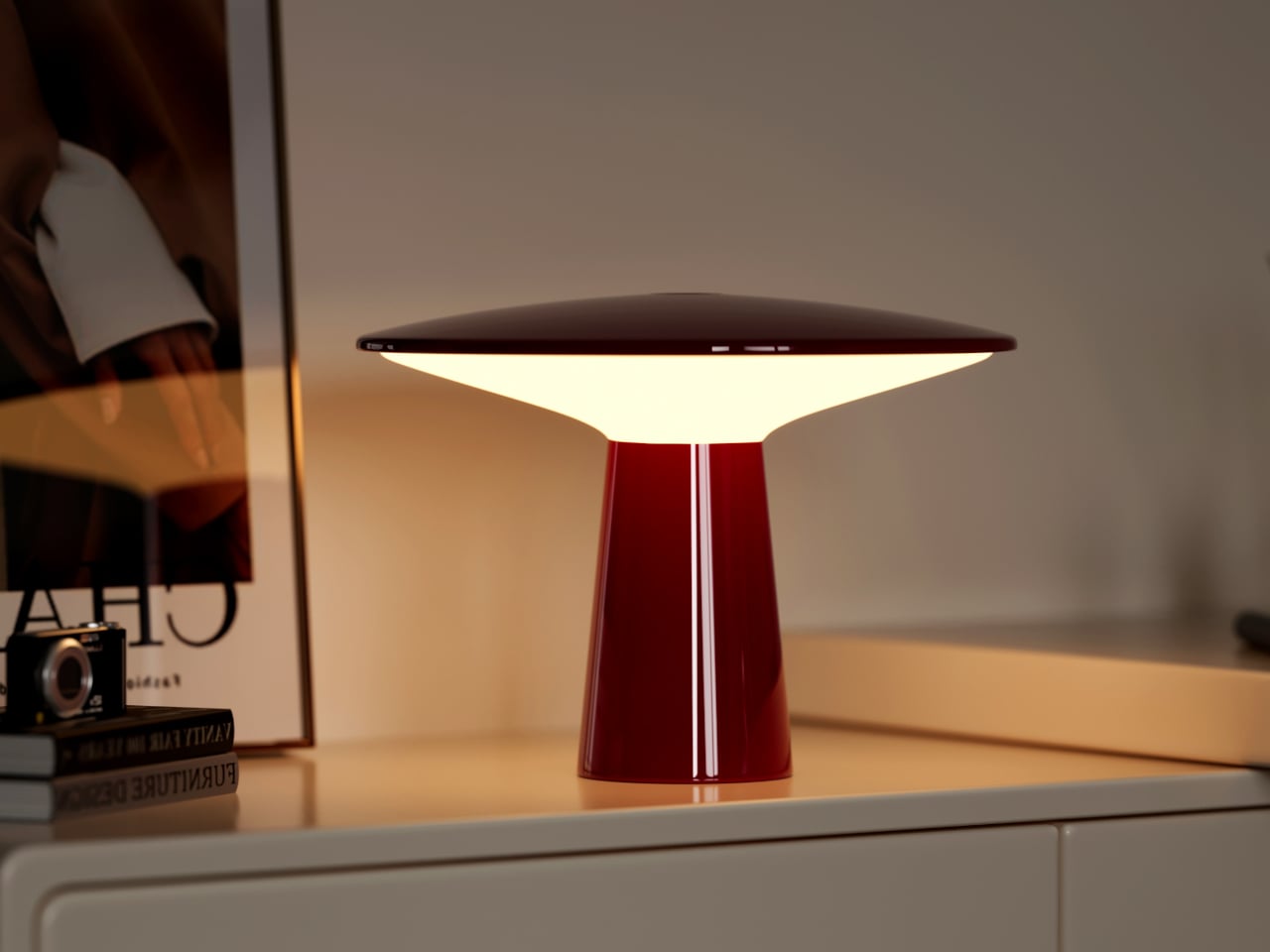
A portable mood lamp with a single mechanical winding key eliminates unnecessary technology complexity while providing eight science-informed light modes for different moods and activities.

Renovation
fromYanko Design - Modern Industrial Design News
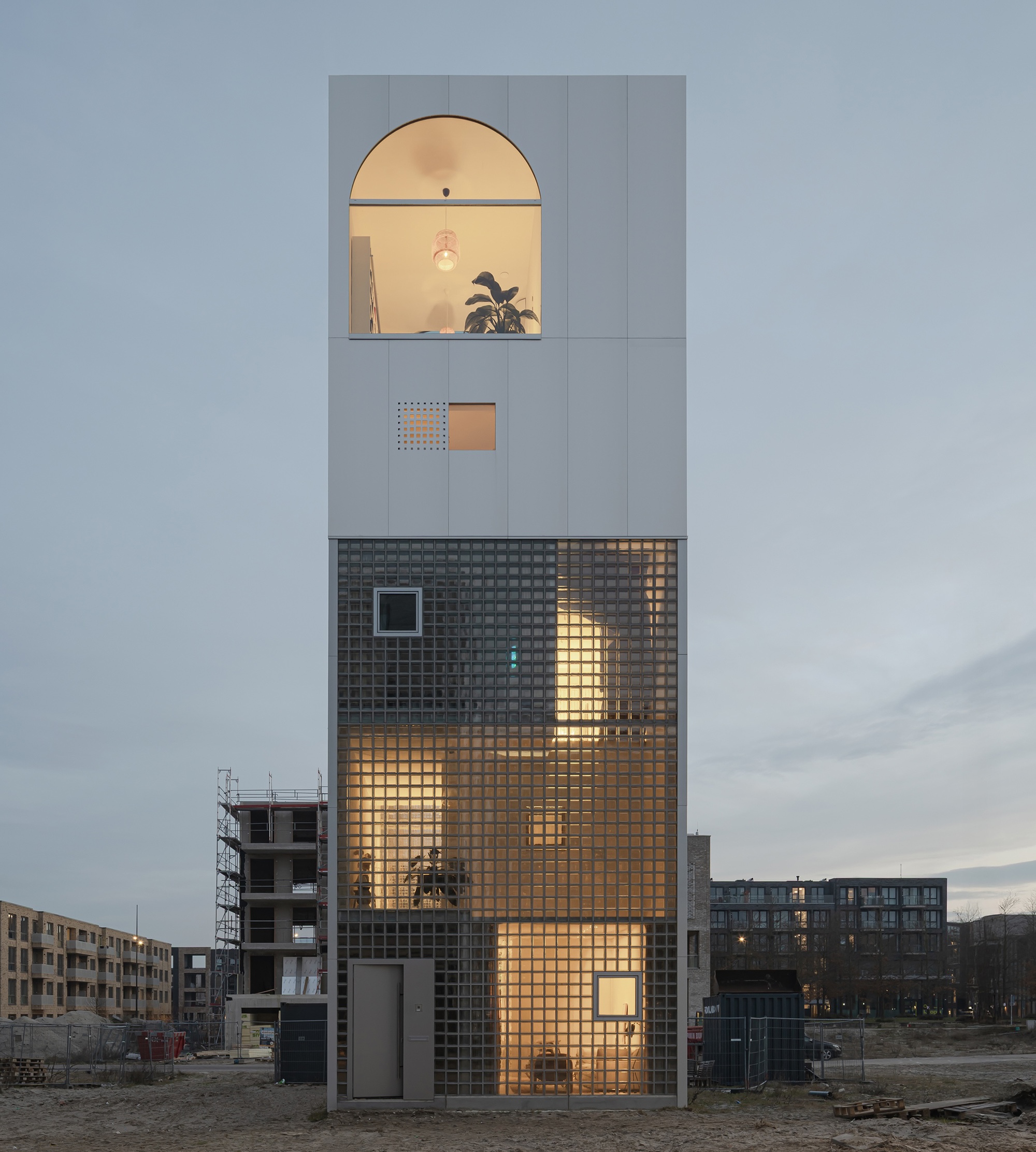
3 days agoThis Tiny House Has 30 Feet of Glass and Feels Nothing Like a Tiny House - Yanko Design
The Shoreline Glass House redefines tiny living with spacious, light-filled design and single-floor layout, offering a unique blend of comfort and openness.
#sculptural-lighting-design
Berlin music
fromYanko Design - Modern Industrial Design News
1 month agoA 9-Kilogram Lamp Built From 120 Handmade Parts (Only 15 Exist) - Yanko Design
The ML15 Helios is a sculptural lamp by Frank Buchwald that transcends functional design to become a statement art piece demanding spatial reorganization around it.
Design
fromYanko Design - Modern Industrial Design News
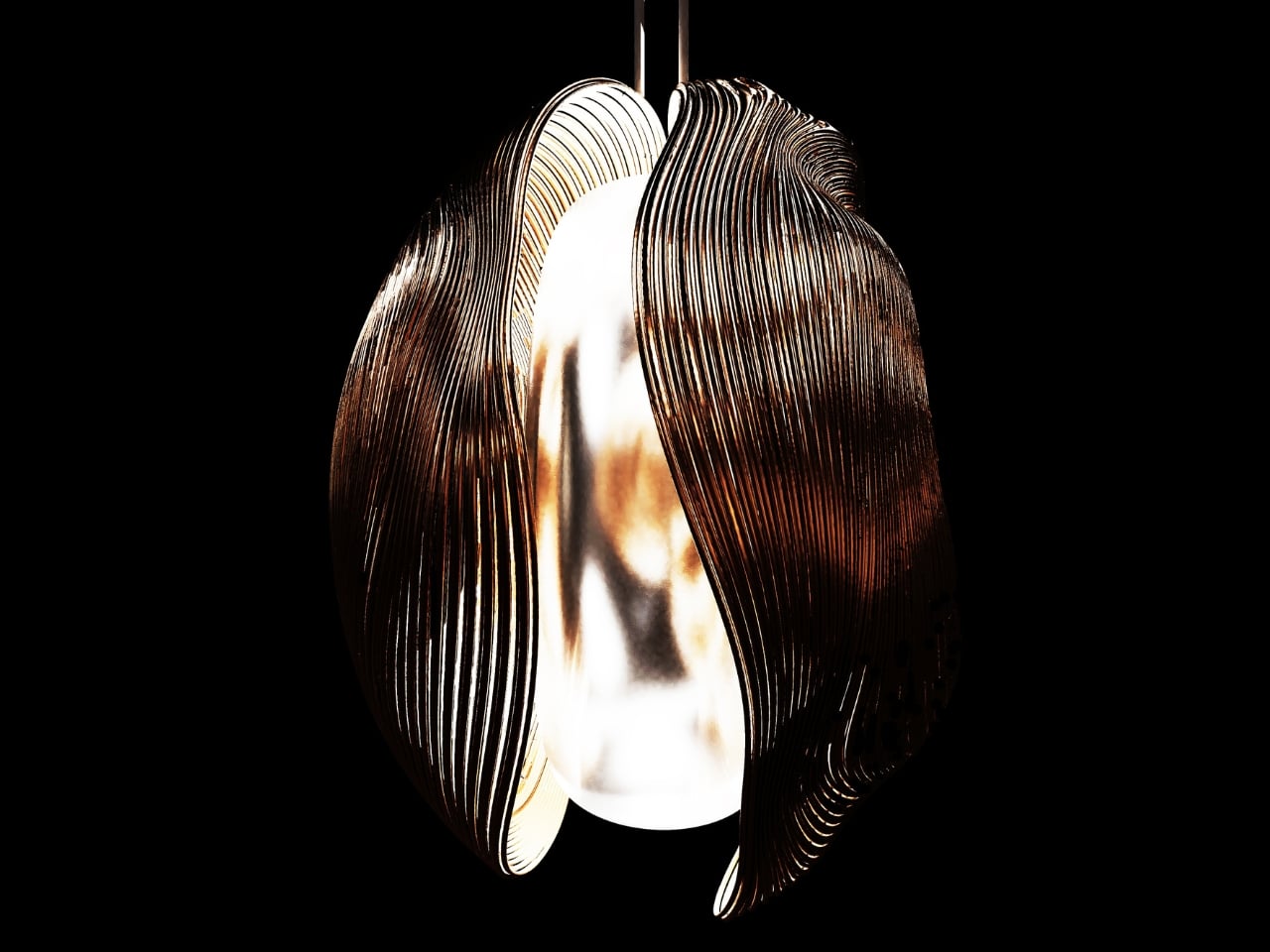
3 weeks agoThese Shell-Inspired Lamps Cast Wing-Like Shadows on Your Walls - Yanko Design
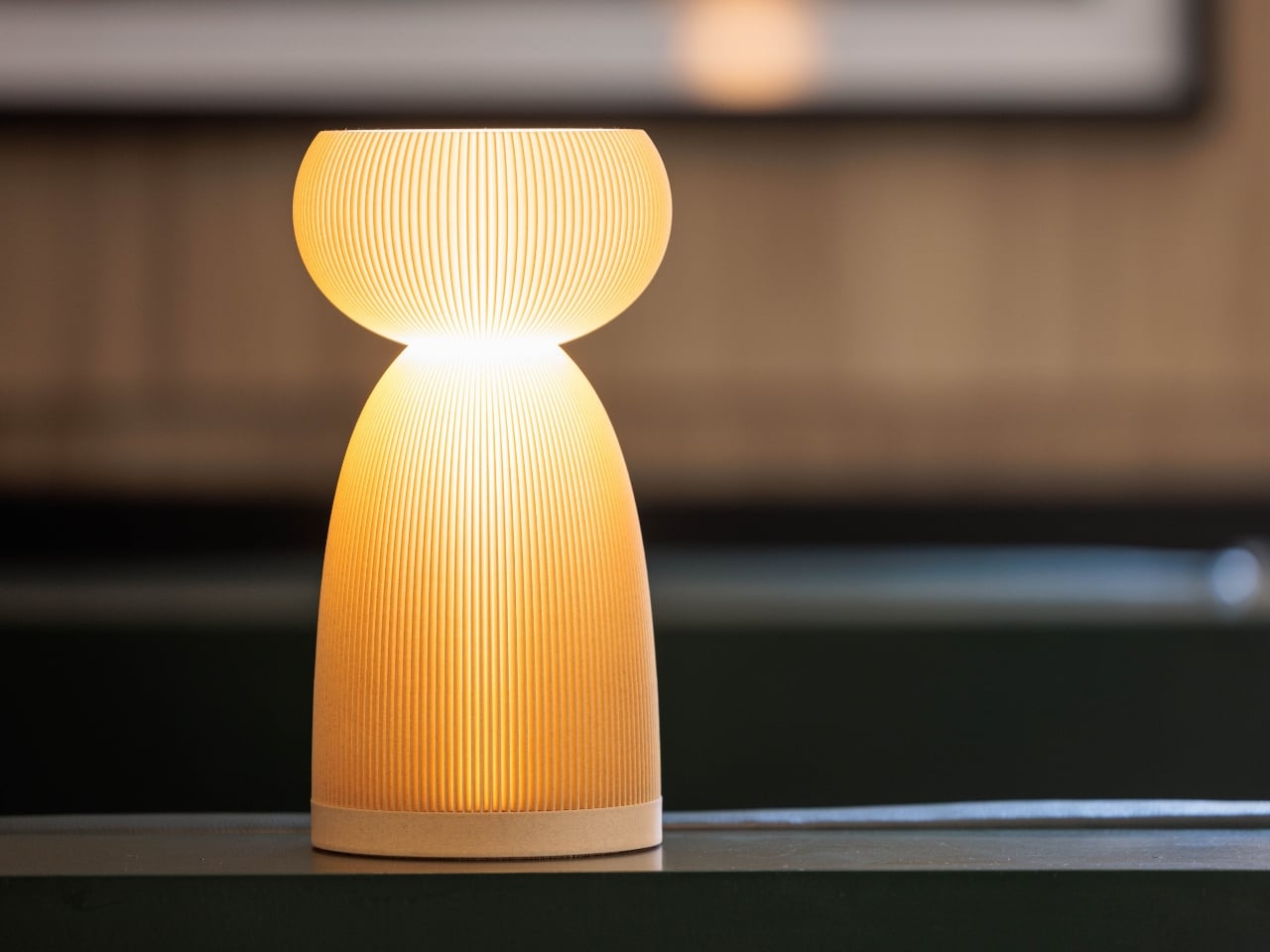
Pelk lamps prioritize sculptural form over functional invisibility, using shell-inspired curved metal arcs to create dramatic lighting effects and shadows that extend the fixture's visual presence.
Berlin music
fromYanko Design - Modern Industrial Design News
1 month agoA 9-Kilogram Lamp Built From 120 Handmade Parts (Only 15 Exist) - Yanko Design
The ML15 Helios is a sculptural lamp by Frank Buchwald that transcends functional design to become a statement art piece demanding spatial reorganization around it.
Design
fromYanko Design - Modern Industrial Design News
3 weeks agoThese Shell-Inspired Lamps Cast Wing-Like Shadows on Your Walls - Yanko Design
Pelk lamps prioritize sculptural form over functional invisibility, using shell-inspired curved metal arcs to create dramatic lighting effects and shadows that extend the fixture's visual presence.
Gadgets
fromYanko Design - Modern Industrial Design News
1 month ago5 Best Desk Lamps That Light Your Workspace Better Than Any Overhead Light Ever Could - Yanko Design
Targeted desk lamps provide intentional, focused lighting that reduces strain and improves concentration better than overhead fixtures, with five distinct models addressing different workspace needs and preferences.
#design

Design
fromYanko Design - Modern Industrial Design News
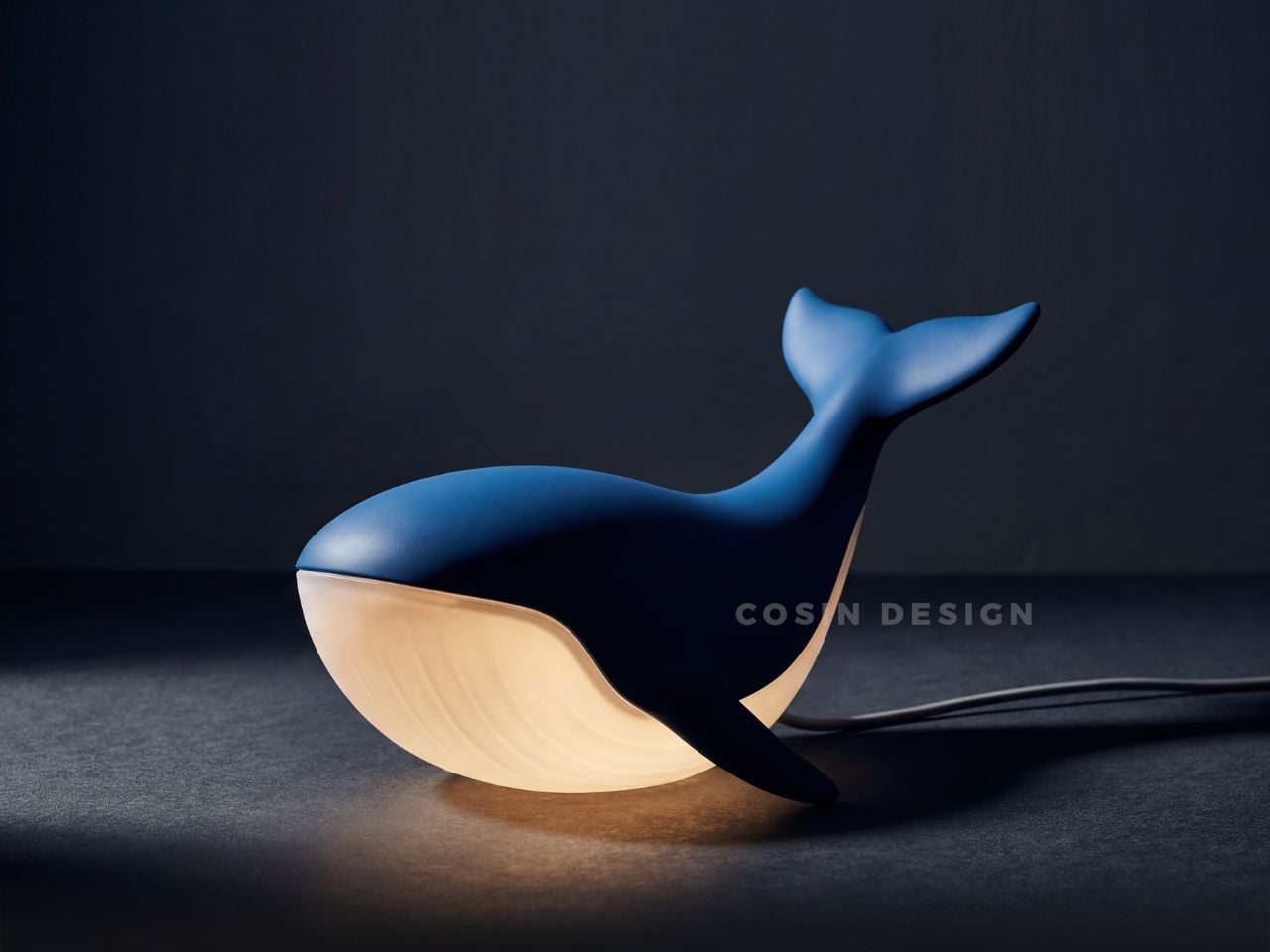
1 week agoA Whale Lamp That Transforms Ocean Vastness into a Gentle Bedside Glow - Yanko Design
COSIN DESIGN's whale lamp reinterprets the essence of whales, transforming them from symbols of magnitude to comforting, ambient objects for personal spaces.
fromYanko Design - Modern Industrial Design News
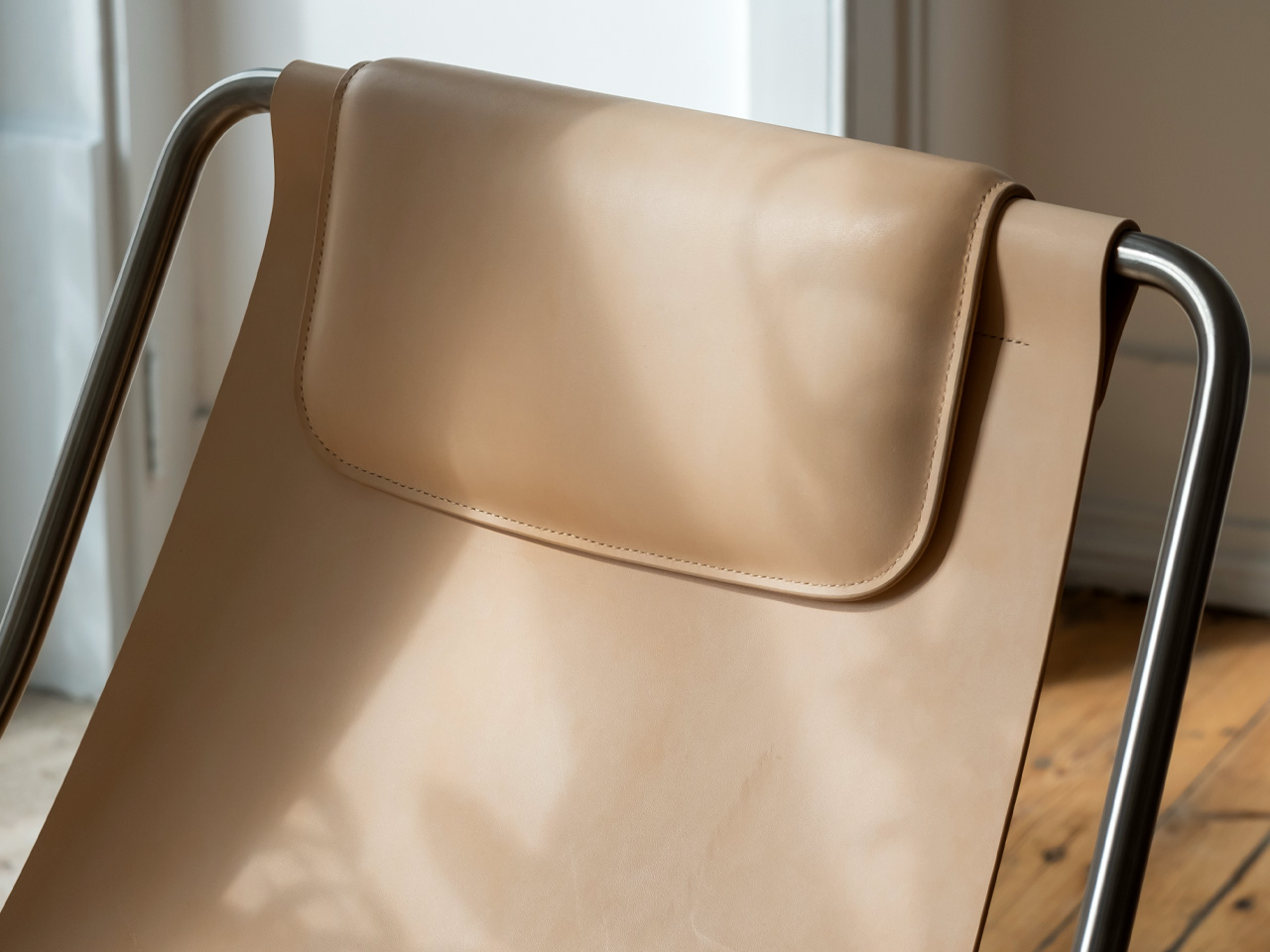
4 days agoThe Side Table That Folds a Bookshelf Into Its Own Top - Yanko Design
The Boca table by designer Deniz Aktay is not interested in that conversation at all. At first glance, it reads as a straightforward piece: a circular metal top, slim tubular legs bent into a smooth C-shaped base, a warm terracotta finish.
Design
Gadgets
fromYanko Design - Modern Industrial Design News
1 month agoThis 7-Device Charging Station Glows Like a Lamp and Replaces One - Yanko Design
Nova is a sculptural charging station that combines aesthetic design with functional multi-device charging, featuring ambient lighting and wireless capabilities for up to seven devices.
Design
fromYanko Design - Modern Industrial Design News
6 days ago5 Scandinavian Product Trends That Will Make Your Home Instantly Feel Like Hygge - Yanko Design
Scandinavian design emphasizes clean lines, natural materials, and functionality, creating a harmonious balance between aesthetics and practicality.
fromColossal
1 month agoIn Collaboration with Indigenous Artisans Around the World, PET Lamp Emphasizes Sustainability
Tons upon tons of these single-use plastics end up in landfills or even floating in the ocean. Spanish design firm PET Lamp set out give another purpose to these otherwise short-lived materials. Partnering with artisans in communities from Chile to Ethiopia to Australia, the company celebrates both Indigeneity and sustainability, drawing upon time-honored global craft traditions while supporting local economies and recycling discarded materials.
Arts
Design
fromYanko Design - Modern Industrial Design News
2 weeks ago8 Best Japanese Spring Home Upgrades That Make Tiny Rooms Feel Like a Wabi-Sabi Sanctuary - Yanko Design
Japanese design philosophy emphasizes deliberate minimalism where less means intentional rather than empty, achieved through functional objects rooted in craft traditions and spatial intelligence.
fromYanko Design - Modern Industrial Design News
2 weeks agoThis Jellyfish-Inspired Lamp Transforms When You Switch It On - Yanko Design
The reference point is specific, not from a general impression of the ocean, but from the particular way jellyfish tentacles move: slow, layered, and almost meditative in repetition. That quality informs the lamp's layered construction and the dense organic lattice etched across its translucent shade. The pattern reads quietly in a lit room. Switch the lamp on and the whole surface activates, casting warm amber light through the texture in a way that feels atmospheric rather than task-driven.
Design
fromYanko Design - Modern Industrial Design News
3 weeks agoBeanue Mini Is the Lamp Your Body Has Been Waiting For - Yanko Design
As you dim the lamp, it does not just reduce brightness. It simultaneously shifts the color temperature from a crisp, clear white toward a warm amber tone. During the day, the light is sharp and cool, the kind that supports focus and keeps you alert. As evening arrives and you begin dimming down, it moves into amber territory, which is the spectrum that does not interfere with melatonin production.
Design
fromDesign Milk
1 month agoMovie Magic: The Lumina Sideboard from YOMEI and LEICA
Enter the Lumina Sideboard from German furniture brand YOMEI and Leica Camera AG, crafted specifically for the Leica Cine 1. This Bauhaus-inspired solution offers brilliant color and sound, without the permanent fixture of a black screen staring back, a void usually occupying the focal point of the room when not in use. With the Lumina Sideboard, each piece of the puzzle fits together neatly, minimizing pain points of the TV experience, all while gifting this container for culture a sleek aesthetic.
Gadgets
Design
fromYanko Design - Modern Industrial Design News
3 weeks agoThis Chair doubles as a Floor Lamp for quirky, multipurpose furniture for tiny homes - Yanko Design
JXY Studio's Art-chitecture modular furniture system uses stainless steel and frosted acrylic to create multifunctional components that transform between chair, lamp, sconce, shelf, and undefined forms, rejecting traditional furniture categorization.
Gadgets
fromYanko Design - Modern Industrial Design News
2 months agoJapan Just Solved Tiny Home Living With 7 Genius Accessories - Yanko Design
Japanese designers create multifunctional, beautifully minimalist accessories that maximize utility in tiny homes, transforming limited space into efficient, elegant living.
Design
fromYanko Design - Modern Industrial Design News
1 month ago7 Best Tiny Home Accessories That Make Small-Space Living Feel Like a Design Choice, Not a Compromise - Yanko Design
Well-designed tiny home accessories transform small spaces through multifunctional objects that serve aesthetic and practical purposes simultaneously.
Design
fromYanko Design - Modern Industrial Design News
1 month agoJapan Just Solved Spring Home Refresh With 8 Minimalist Accessories That Make Your Space Feel New - Yanko Design
Small, restrained Japanese craft objects subtly reset and enrich interior spaces through texture, scent, sound, light, and purposeful minimalism.
Design
fromYanko Design - Modern Industrial Design News
2 months agoILO Lamp Lets Soft Light Wander Between Rooms - Yanko Design
A portable lamp with a luminous donut and weighted base provides cordless, sculptural, induction-charged ambient light that follows people’s movements without visible cables.
fromYanko Design - Modern Industrial Design News
1 month agoFold the Corners of This Wooden Cube Lamp and Watch the Light Change - Yanko Design
Most contemporary lamps are adjusted with a dimmer on the cord, a touch sensor on the base, or a slider in an app. That makes light feel like another setting in a menu, slightly detached from the object itself. There is something satisfying about changing light by physically moving parts, as if you are sculpting both the fixture and the atmosphere around it, which is what smart bulbs and app-controlled RGB strips quietly leave out.
Design
[ Load more ]