#hrv-monitoring
#hrv-monitoring
[ follow ]
#wearable-technology #wearables #health-monitoring #apple-watch #health-technology #oura-ring #health-tracking
#wearable-technology

:max_bytes(150000):strip_icc()/TAL-man-wearing-apple-watch-WEARABLETECH0426-2eb4f1a344cd457d94865439986e263e.jpg)


Wearables
fromYanko Design - Modern Industrial Design News
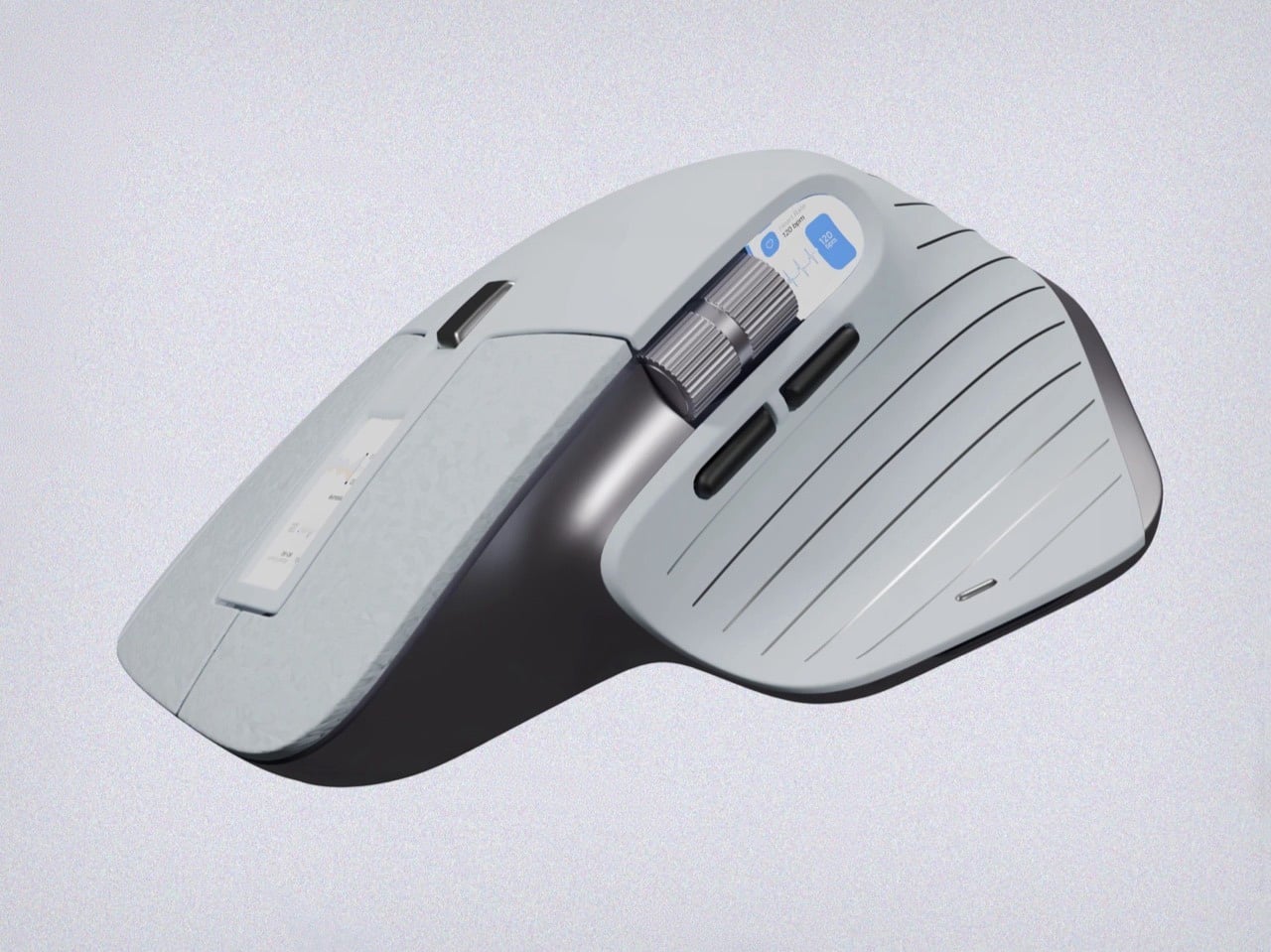
3 weeks agoThis Ergonomic Mouse Tracks Your Heart Rate, Telling You To Take A Break Before You Experience Burnout - Yanko Design
CalmiX is an ergonomic mouse with integrated heart rate monitoring that tracks stress levels during work, alerting users when to take breaks.

fromGSMArena.com
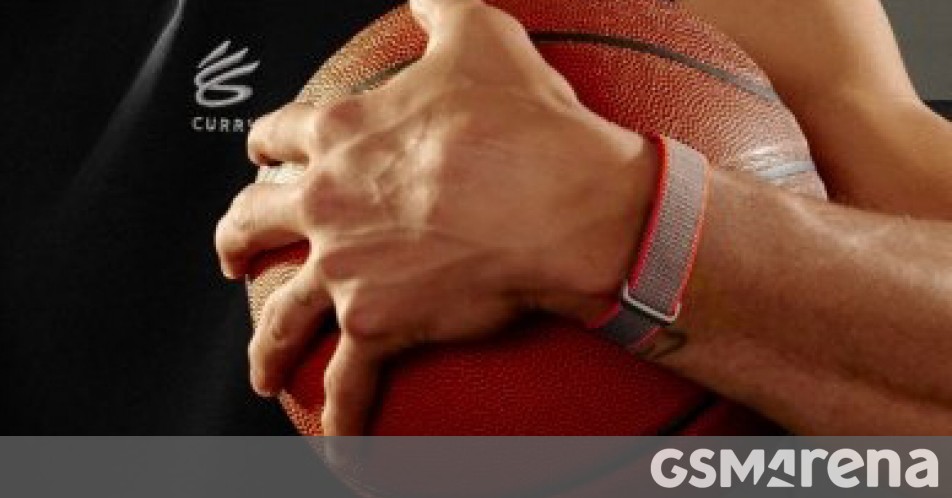
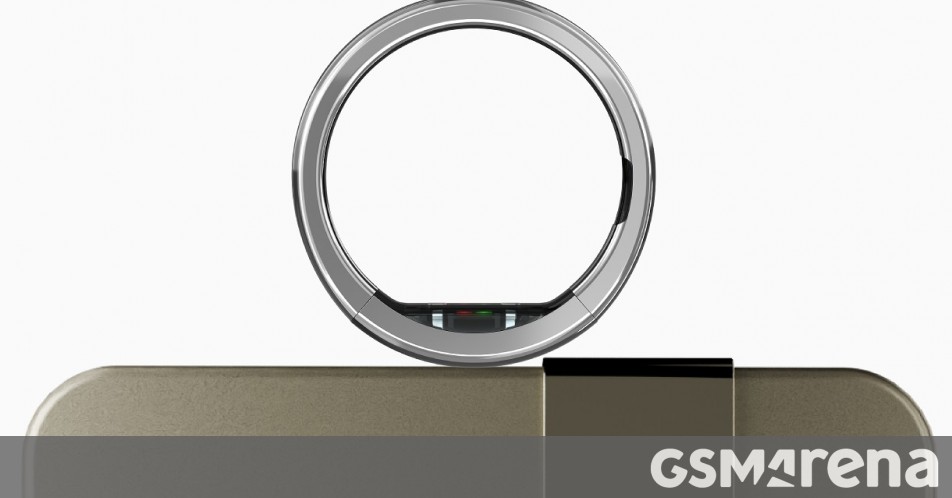
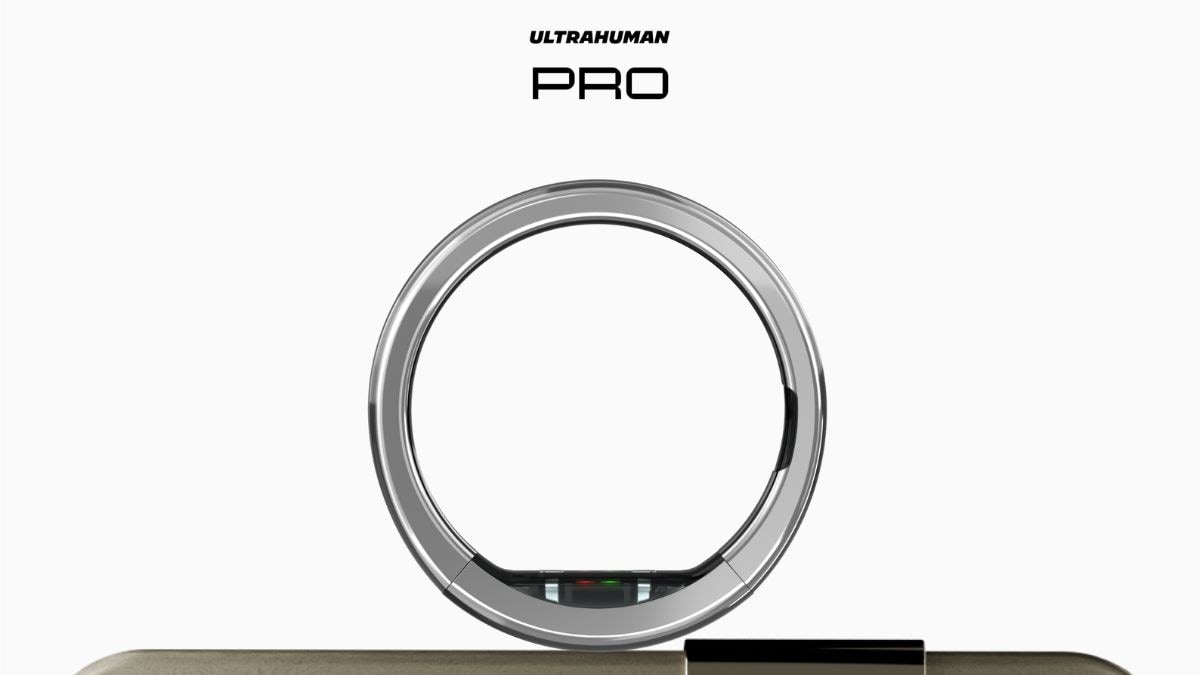
1 week agoThe Ultrahuman Ring Pro is now available for pre-order in the US, here's how to get a 10% discount
The Ultrahuman Ring Pro builds on the Ultrahuman Ring Air's features with several key improvements, including an impressive battery life of up to 15 days, which is more than twice as long as the Air.
Mobile UX
Marketing tech
fromAdExchanger
2 weeks agoMyFitnessPal Wants To Start The Health And Wellness Subsector Of Retail Media | AdExchanger
MyFitnessPal launches a data-driven advertising business leveraging user meal planning and nutrition data, expanding from single mobile display ads to multiple formats including video, native ads, and branded integrations through direct sales channels.
fromWIRED
2 days agoGarmin's Latest Training Features Fend Off the Advances of the Apple Watch
Food logging can be done in a few ways, including searching a database, scanning barcodes, or using AI-based camera analysis. Simpler items like eggs and fruit are identified well, but complex meals can be frustrating due to lighting and AI limitations.
Wearables
Health
fromNature
2 weeks agoInsulin resistance prediction from wearables and routine blood biomarkers - Nature
Diabetes affects 537 million adults globally with type 2 diabetes comprising 90% of cases, driven by lifestyle factors and characterized by insulin resistance or deficiency leading to long-term organ damage.
fromNatural Health News
3 months agoYour Neck Size Can Reveal Your Risk for Heart Disease, Stroke, and Diabetes
According to a growing body of research, the circumference of your neck could be an indicator of a higher likelihood of serious metabolic diseases, including heart disease, diabetes, and sleep disorders. Another troubling fact is that even if your body mass index (BMI) index is healthy, just how large your neck is could still be a determining factor in your predisposition to developing these conditions.
Alternative medicine
fromWIRED
1 month agoCuffless Blood Pressure Monitoring Is Coming. We Explain What It Is and How to Use It
Since 1990, the incidence of hypertension has increased globally, with up to one in three adults worldwide affected by it. Most of those people have no idea they have it. If people could diagnose and monitor hypertension at home, the World Health Organization estimates that up to 76 million lives could be saved with easy fixes, like stopping smoking or adjusting diet.
Health
fromYanko Design - Modern Industrial Design News
1 month agoMeta Wants to Put an AI Health Tracker on Your Wrist in 2026. What Could Go Wrong?? - Yanko Design
Meta is building a smartwatch, and it wants to know your heart rate, your sleep patterns, your activity levels, and whatever else it can pull from a sensor pressed against your skin all day. The device is codenamed Malibu 2, it's targeting a 2026 launch, and by most accounts it sounds like a perfectly competent health wearable. The problem isn't the hardware. The problem is the company attached to it.
Gadgets
Health
fromZDNET
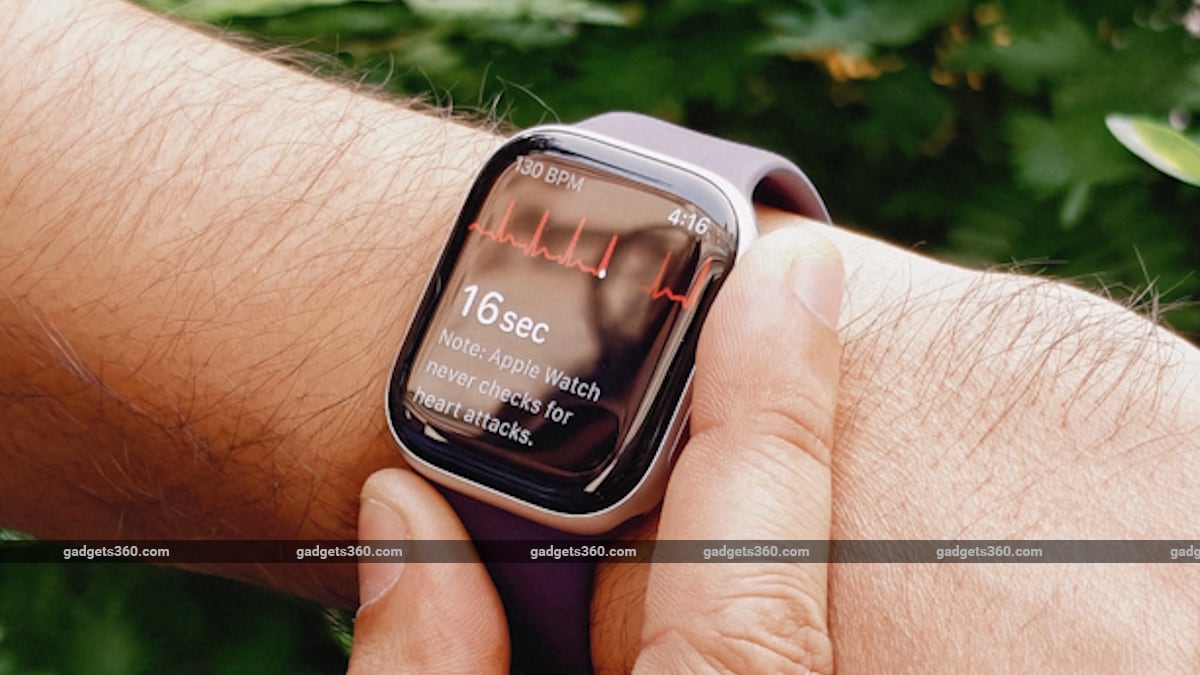
1 month agoThe Apple Watch missed my hypertension - but this blood pressure wearable caught it instantly
High blood pressure affects nearly half of US adults and causes over 1,000 deaths daily, making it a significant health threat that wearable devices like Apple Watch can help detect through continuous monitoring.
Wearables
fromZDNET
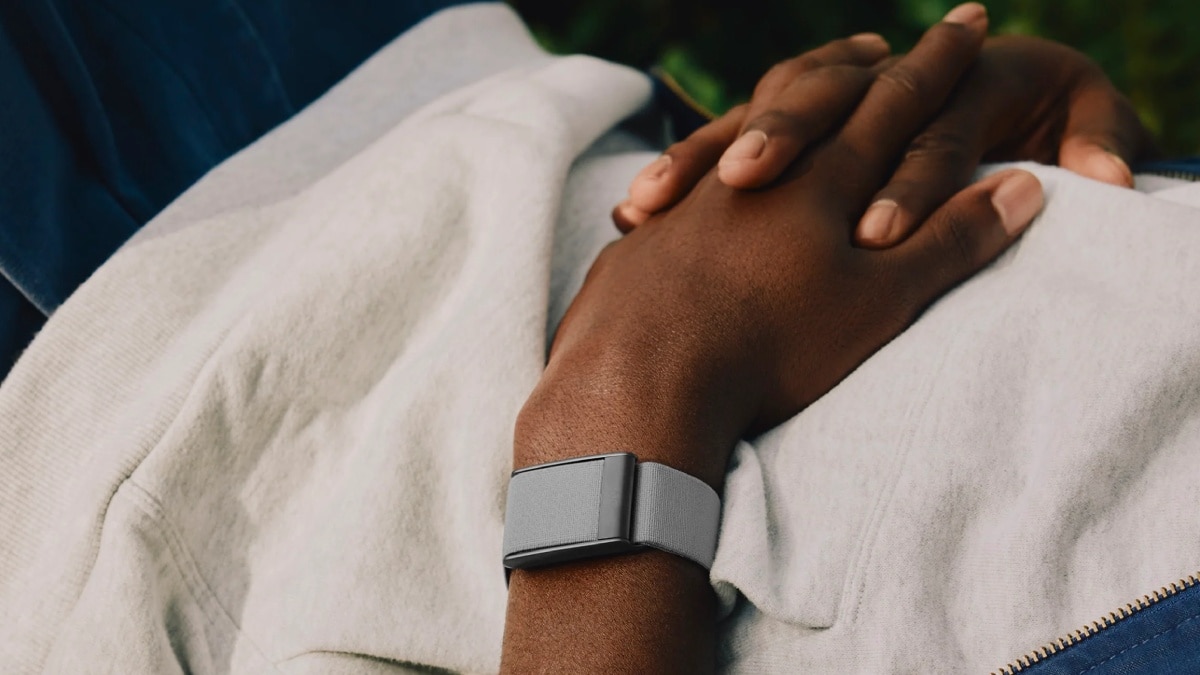
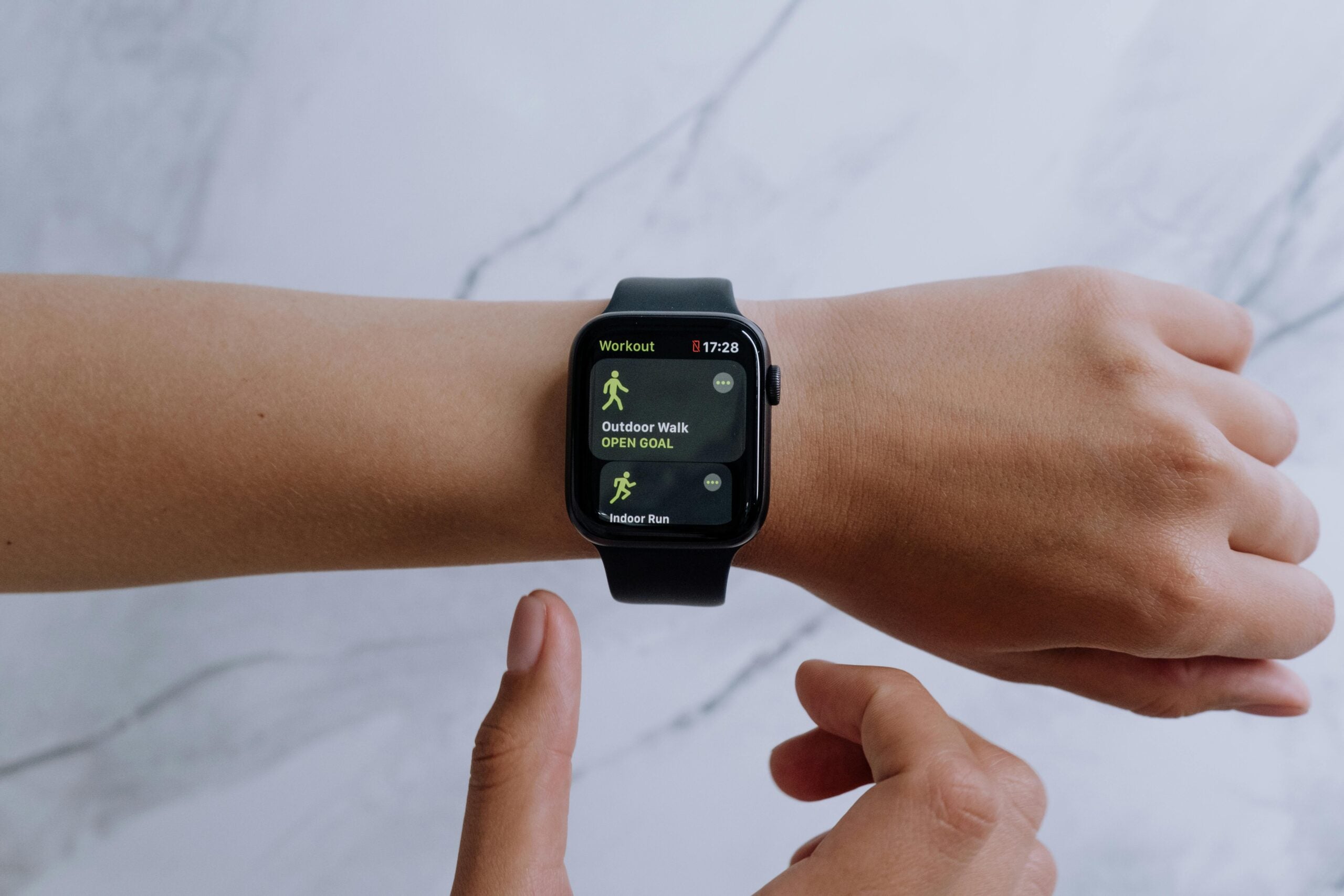
2 weeks agoI wore the Whoop 5.0 for a month - it combines the best of the Oura Ring and Apple Watch
Whoop launched the 5.0 and MG health trackers to reach broader consumers, featuring blood pressure monitoring, ECG detection, and clinician-reviewed blood testing through Advanced Labs.



#wearable-health-technology
Wearables
fromYanko Design - Modern Industrial Design News
2 weeks agoThe $199 VITA RING Wakes You Up Mid-Apnea Before You Ever Know It Happened Thanks To AI Health Tracking - Yanko Design
Smart rings with week-long battery life enable continuous 24/7 health monitoring during sleep, capturing critical biometric data that smartwatches miss due to daily charging requirements.


fromThe Verge
1 month agoFitbit expands access to its AI health coach
Google announced on Tuesday that the public preview of Fitbit's AI personal health coach is rolling out to iOS users in the U.S. as well as both iOS and Android users in the UK, Canada, Australia, New Zealand, and Singapore. It initially launched in October, when it was only available in the U.S. on Android devices. To try out the feature, users need to have an active Fitbit Premium subscription and use a Google account to sign into the Fitbit app.
Tech industry
Video games
fromYanko Design - Modern Industrial Design News
2 months agoAnbernic RG G01 gaming controller monitors your heart rate while you play - Yanko Design
Anbernic RG G01 is a pro-level wireless controller with a built-in heart-rate sensor, Purple Kirin inductive joysticks, dual-mode triggers, and a 2.5-inch HD configuration screen.
Mental health
fromYanko Design - Modern Industrial Design News
1 month agoAI Device Turns Your Mental Health Data Into a Living Garden - Yanko Design
Cognitive Bloom is a speculative AI that transforms mental wellness data into an ambient virtual ecosystem to encourage slow, reflective self-care over rapid distraction.
fromWIRED
3 weeks agoThe Fort Strength Training Wearable Tracks Your Sets
We use the IMU sensors to detect which exercise the user is performing and identify the period engaging in concentric, eccentric, or isometric hold. These are the three main types of lifting exercises; you might know them as contracting, lengthening, or static exercises. The Fort uses the wrist as a proxy for bar velocity, and the company is seeking FDA clearance and will also be pursuing large, third-party studies from independent labs.
Wearables
fromIndependent
2 months agoBargain hunter: 11 wellness deals to save you money on workouts, supplements and gadgets
January might be coming to a close, but the focus on wellness doesn't have to die with it. If anything, it's a good time to check in with those 2026 goals and see what you want to prioritise for the rest of the year. To that end, we've gathered some of the best deals we've seen in the past few weeks that will help you tick off every good intention you set this month.
Wellness
Medicine
fromEntrepreneur
1 month agoThis Former Hockey Player Is Betting Glucose Monitoring Will Change How People Think About Their Weight
Signos created the first FDA-cleared glucose monitoring platform for weight management, combining CGM and AI to help people understand and manage their metabolism.
fromAbc
2 months agoIs it worth getting a desk treadmill to boost your steps?
Recent surveys estimate more than 6.7 million Australians - almost half of all workers, and the majority in Sydney, Melbourne and Canberra - work from home at least some of the time in paid or unpaid roles. With that increase in working from home, it's easy to spend too long sitting, which is now recognised as bad for our health.
Public health


fromZDNET
2 months agoThis menstrual pad takes period blood and turns it into data diagnostics
The FlowPad looks like your run-of-the-mill menstrual pad but is built with a microfluidic diagnostic layer underneath that directs menstrual blood into biomarker zones for testing fertility, ovarian health, and perimenopausal hormones. The results of the test show up in Vivoo's app after a user scans the pad's results through their phone camera or enters them manually. The ethos behind FlowPad and Vivoo's smart toilet is simple.
Medicine
fromZDNET
2 months agoThis tracker fits inside your bra to measure blood flow - and lasts longer than your smartwatch
Petal is a bra insert that uses bio-impedance sensors and electrical measurements to monitor blood flow near the heart. Because wearers position the insert right next to the heart, the device can capture more accurate readings than your typical smartwatch, Petal says. The device comes in one size and fits snug against each breast. It's made with biocompatible materials, including a soft European fabric and a polyurethane-coated interior.
Health
fromYanko Design - Modern Industrial Design News
1 month agoA Sleep Tracker That Solves the "Creepy Gadget" Problem With Soft Forms and Invisible Sensing - Yanko Design
Wellune looks like a small, sculptural lamp. A slender white stem curves upward from a flat circular base, blooming into a soft, rounded head that sits somewhere between a sprouting bud and a modernist desk light. The head detaches magnetically, which is a lovely detail because it turns setup into something almost playful. You hold this smooth, egg-like dome in your hand, place it on the stem, and it clicks into position with a satisfying connection.
Wearables
fromZDNET
2 months agoThis device could help make menstrual periods more comfortable
By attaching near the ear, the device targets the auricular branches of the trigeminal and vagus nerves to regulate menstrual cycle symptoms and help the body return to a rested state. These nerves play an important role throughout the menstrual cycle and release estrogen and progesterone, two essential sex hormones. They also target muscle contraction, blood flow, digestion, and more, a few body functions that change during a period, which explains the increase in cramps and tightening of blood vessels.
Medicine
fromEngadget
1 month agoUltrahuman's new Pro ring comes with 15 days battery life
If there's one thing that stops people using their smart rings over the long term, it's the battery life. After all, they're so unobtrusive, it's easy to forget to drop it on the charging plate every few days. It doesn't take long for your pricey gadget to become little more than a very expensive piece of jewelry.
Wearables
fromWIRED
2 months agoI Took a VO2 Max Test and It Changed How I Think About Fitness
VO2 max is an intimidating word for an easy-to-understand biometric: It's how well your body uses oxygen when you push yourself. Short for "maximal oxygen uptake," it's been the gold standard for assessing cardiorespiratory fitness since the 1950s. Until recently, it's mostly lived in research labs and elite training centers, helping coaches squeeze every last drop of performance out of elite skiers, runners, and cyclists.
Health
Wearables
fromTechCrunch
1 month agoWearable startup CUDIS launches a new health ring line with an AI-fueled 'coach' | TechCrunch
CUDIS launches an AI-powered health ring with an agent coach, gamified points system for healthy behaviors, and Pace of Aging tracking to incentivize and optimize user wellness.
fromZDNET
2 months agoMy Oura Ring told me I was sick. I disregarded it, and then got sick
Last Wednesday morning, I woke up and did what I normally do when I open my eyes. I grabbed my phone and checked my Oura app to see how I slept. This morning, however, Oura's home page looked a bit different. Unlike the sleep and readiness scores I usually see on the home page, a new message appeared on top. While no biomarker deviated strongly from my baseline, Oura's Symptom Radar feature warned me that my biometrics indicated "major signs of strain." It encouraged me to take it easy -- a tall task given that I was headed into the office for the workday.
Wearables
fromNature
1 month agoSelf-powered vibration sensor for wearable health care and voice detection
When people breathe, speak, sing or clear their throats, their bodies are in constant motion. Air flowing through the lungs, the oscillation of vocal folds in the throat and the rhythmic expansion of the chest all produce tiny vibrations that carry valuable information about physiology and health. However, constructing a device that can capture all of these physiological signals has remained a challenge.
Wearables


fromLondon Business News | Londonlovesbusiness.com
1 month agoWearable tech sparks a stir at the Australian Open - London Business News | Londonlovesbusiness.com
A tennis match usually starts with rituals you can set your watch by. A towel tug, a ball bounce, a glance at the strings. This year, a different ritual stole the first spotlight, because officials asked top players to take off a wrist wearable before they played, and the moment landed like a plot twist you did not order. This piece walks you through what happened, why it happened, and what it says about where tennis sits with athlete data right now.
Wearables
fromThe Verge
2 months agoNatural Cycles launches wristband to replace thermometers for its FDA-cleared birth control app
Natural Cycles, the company behind a controversial FDA-cleared birth control app, is replacing its thermometer with a wristband that measures skin temperature, heart rate, and movement during sleep. The newly-launched wristband costs $129.99 and syncs with the Natural Cycles app, which uses an algorithm to determine a person's "daily fertility status." Users can already track their fertility by pairing an Apple Watch or Oura Ring with Natural Cycles, but the wristband could be an option for users who don't have either of these devices handy.
Wearables
[ Load more ]