#htc-wildfire
#htc-wildfire
[ follow ]
#smartphone #smartphones #nothing-phone-4a #technology #specifications #smartphone-design #camera-technology #oppo

fromYanko Design - Modern Industrial Design News
1 month agoNothing Phone (4a) Is the Most Confident Phone Nothing Has Ever Made - Yanko Design
The Phone (4a) is the clearest expression of that shift yet. The pink colorway, the refined glyph interface, the periscope camera quietly migrating down to the base model, none of it screams for attention. It rewards it. This is a phone designed for people who will notice things gradually, over weeks of use, rather than in the first thirty seconds of an unboxing video.
Design
fromEngadget
1 month agoNothing's Phone 4a Pro picks up flagship features and an even brighter display for $499
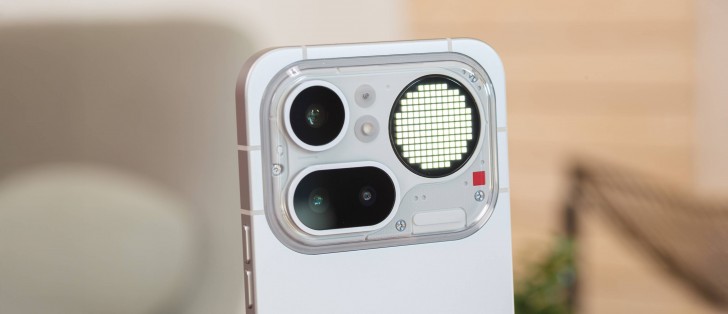
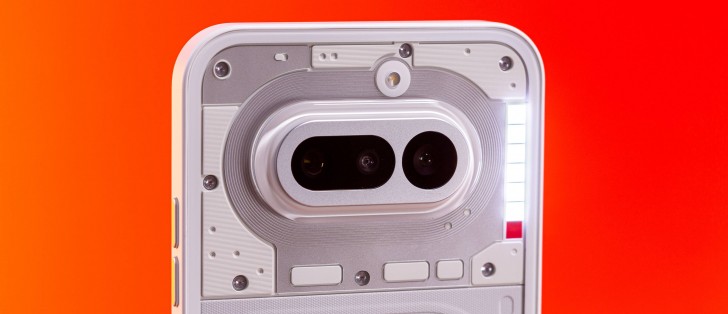
The Nothing 4a Pro represents the biggest change. Gone is the translucent back meant to offer a pseudo-glimpse into the internals of the phone, and in its place is a metal unibody design in black, silver or pink, and Nothing's Glyph Matrix interface, now even larger and brighter than it was on the Phone 3.
Gadgets
fromComputerworld
1 month ago3 future Android features you can give yourself today
Thanks to the way Google's for years now been deconstructing Android and pulling OS-level pieces out of the operating system itself - so they exist as regular ol' apps and can consequently be updated quickly, frequently, and in a way that reaches everyone instantly, regardless of what phone or carrier they're using - even Android phones from eight years ago get updates numerous times a year that are all virtually equivalent to an entire iOS operating system rollout.
Gadgets


fromGSMArena.com
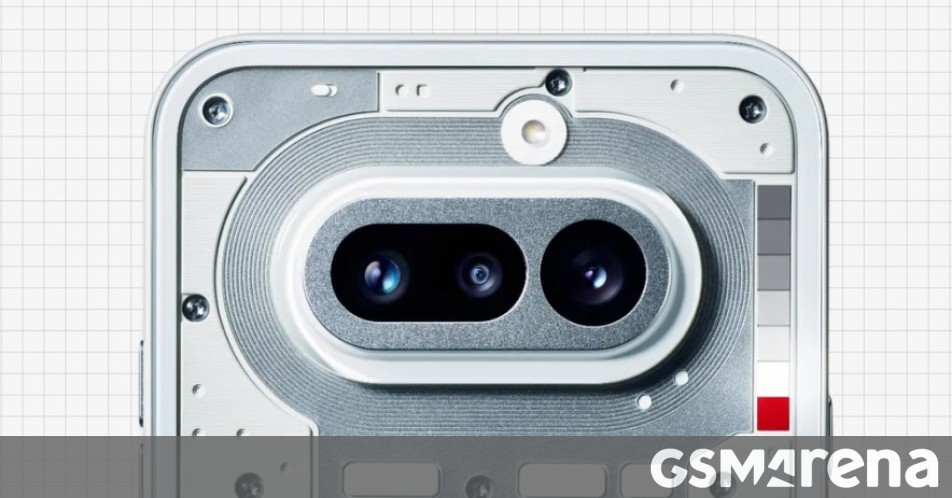
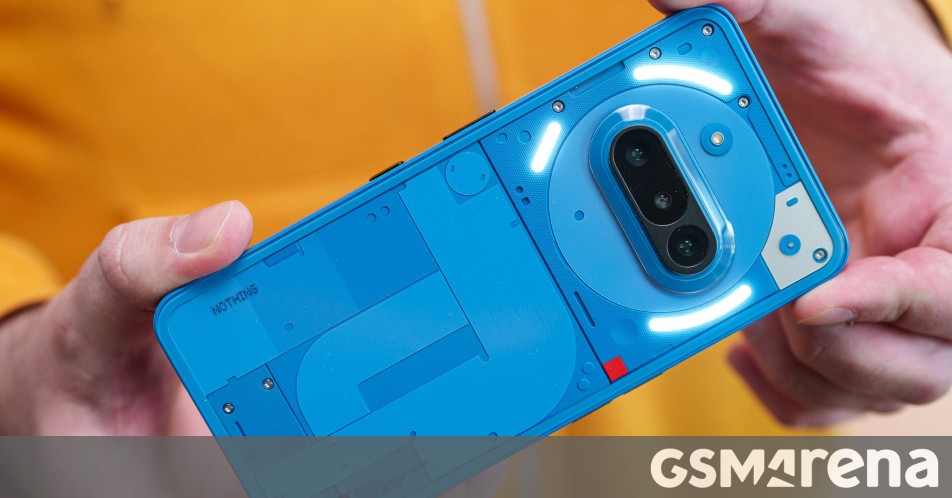
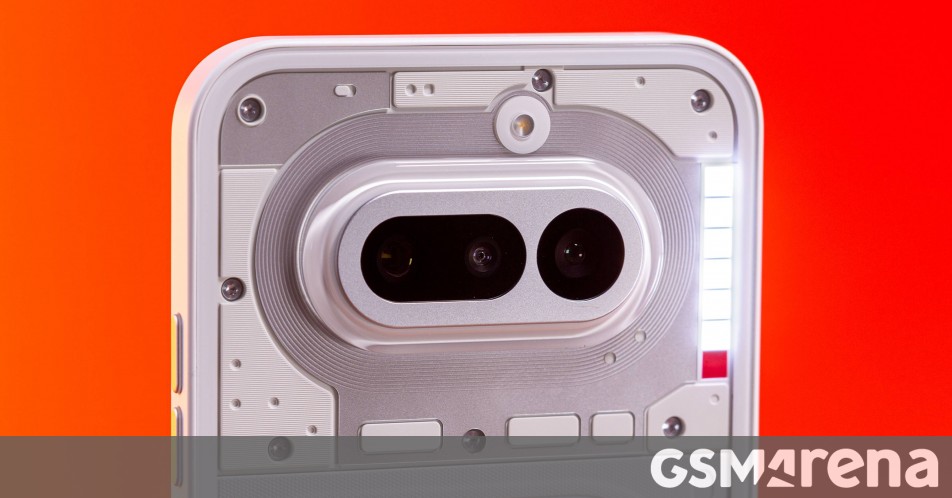
2 weeks agoWeekly poll results: the Nothing Phone (4a) Pro is the fan favorite, while the (4a) takes a step back
Pricing was indeed a major issue for both phones, but don't let that nearly 20% pie slice in the chart fool you - the pricier Pro model was received more favorably, so it's about value for money, not just the price.
Mobile UX
fromGSMArena.com
2 weeks agoNothing Phone (4a) Pro in for review
The flashiest comparison revolves around the Glyph interface - it's a simple Glyph bar on the non-Pro and a full-on circular dot matrix display on the Pro. Getting technical for a bit, the Pro has 137 LEDs, while the regular has just 63. As you can imagine, you can do all sorts of clever stuff with the Glyph Matrix on the Nothing Phone (4a) Pro - animating your timer, different callers, you can even use it as a selfie display for the main camera.
Mobile UX
Mobile UX
fromYanko Design - Modern Industrial Design News
3 weeks agoCarriers Want This BlackBerry-Style Phone - I Tried It at MWC - Yanko Design
Clicks Communicator is a QWERTY keyboard smartphone progressing toward launch with solid design, comfortable typing, and modular swappable back panels attracting carrier and retailer interest.
Gadgets
fromYanko Design - Modern Industrial Design News
2 months agoThis Phone Runs Android, Linux, and Windows to Replace 3 Computers - Yanko Design
NexPhone is a rugged, high-spec Android handset that can multi-boot Android, Debian Linux, and optionally Windows 11 on Arm to serve as phone and desktop.
fromTechCrunch
2 months agoHands on with a prototype of Clicks' Communicator, a new BlackBerry-like smartphone | TechCrunch
The device, which offers a BlackBerry-like keyboard and messaging-focused touchscreen, runs Android 16 under the hood. That means the Communicator can run any Android app, but it partnered with the minimalist launcher, Niagara Launcher, to display your favorite apps on the homescreen. Other apps are within easy reach via a scrollable list. Reception for the new devices has been better than expected, Gadway told TechCrunch.
Gadgets
fromZDNET
2 months agoAndroid 17 is shaping up to be a big win for Pixel users - but I still want these features
It's that time of year when Android users (and pundits) start wondering what's in the next release. Well, the good news is that Google has already announced some of the features, which are carry-overs from Android 16 QPR1 and Android 16 QPR2. This approach means that these features are in quarterly drops, often targeted at Pixel users, and may eventually reach other devices.
Gadgets
fromThe Verge
1 month agoUnihertz's new QWERTY phone is even more like a Blackberry
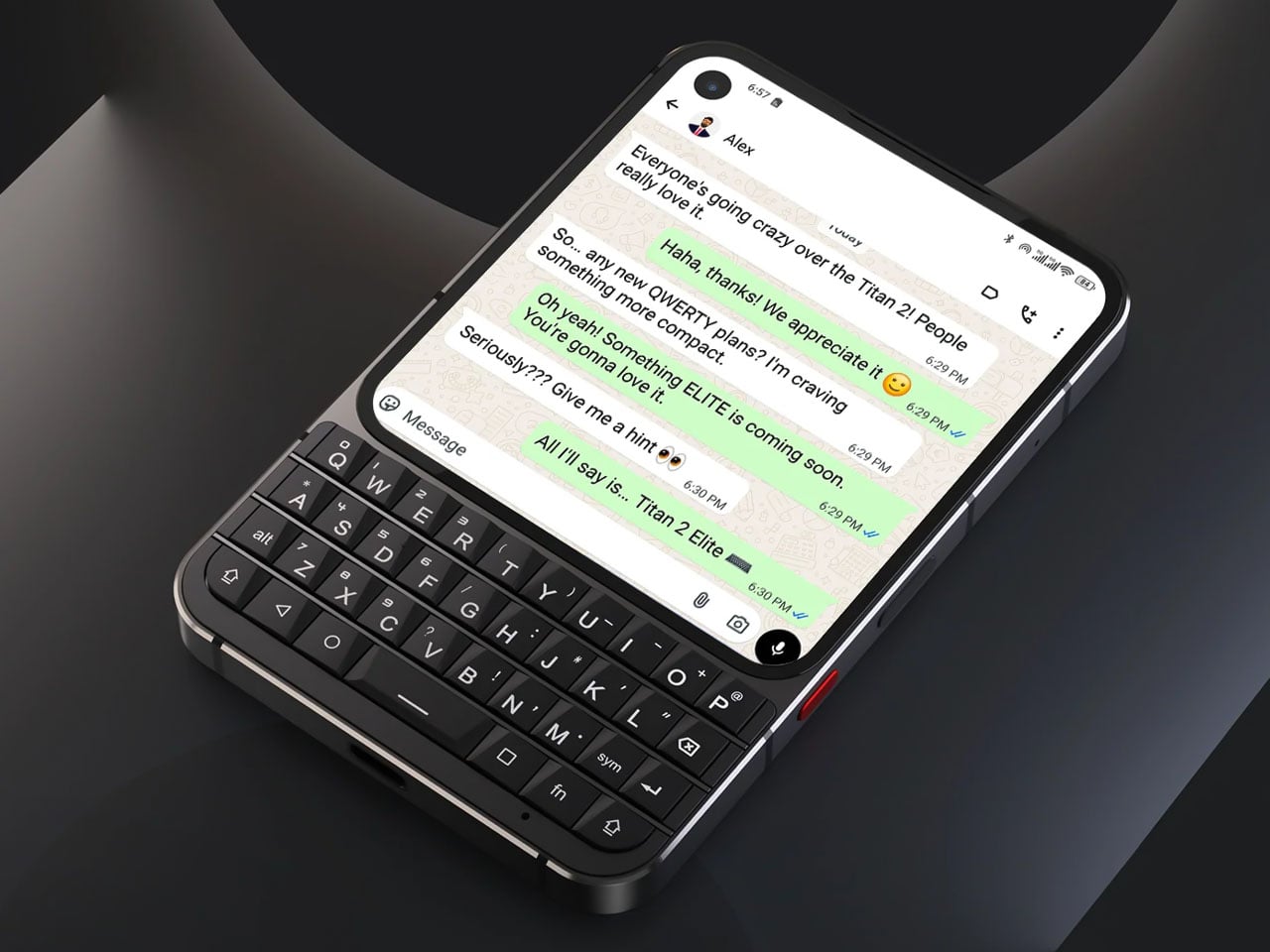
The Titan 2 Elite feels light in the hand and eminently pocketable. There's a programable key on the side as well as a physical SIM slot. Sadly, there is no headphone jack, which was disappointing after I mistook the IR control for one at first glance.
Mobile UX
fromGSMArena.com
1 month agoMotorola's latest foldables are finally getting Android 16 in the US
Motorola's Razr 2025 and Razr Ultra 2025, also known as the Razr 60 and Razr 60 Ultra outside of North America, are now finally being updated to Android 16 in the US, days after Google launched the first beta of Android 17. So we definitely can't praise Motorola for being fast with this release - Google rolled out Android 16 in June of last year.
Mobile UX
fromGSMArena.com
1 month agoThe T1 Phone from Trump Mobile is still happening but specs and design have changed
Some last minute changes to the design and hardware are the reason why. The updated chassis has a more prominent camera island with three vertically stacked camera sensors, but the execs said that the T1 logo is going away. The gold paint job and the American flag are here to stay. Moreover, the official website now states that the handset is only assembled in the US, but components are manufactured elsewhere, without giving any more details.
Mobile UX
[ Load more ]