#human-wildlife-perception
#human-wildlife-perception
[ follow ]
#wildlife-conservation #wildlife-management #animal-welfare #conservation #human-animal-bond #climate-change
#human-animal-bond
Psychology
fromSilicon Canals
7 hours agoPsychology says people who let their pets sleep in their bed aren't clingy or emotionally stunted - they've found one of the only relationships in modern life that offers unconditional presence without the performance anxiety that makes human connection so exhausting - Silicon Canals
Needing comfort from pets is not a weakness; it can enhance emotional well-being and reduce anxiety.

Relationships
fromSilicon Canals
13 hours agoPsychology says people who would always rather call than text aren't demanding more of your time - they're asking for the one thing that separates a real conversation from the performance of one, which is the sound of another person being alive on the other end, and that need is not inconvenient, it is human - Silicon Canals
Phone calls foster deeper connections than text messages, capturing nuances of emotion that typed words cannot convey.
Retirement
fromSilicon Canals
3 days agoI'm 66 and I spent forty years trying to stay positive through everything - and what I actually created was a life where nobody knew me well enough to notice when I was drowning - Silicon Canals
Staying positive can lead to hidden struggles and emotional isolation, as individuals often mask their true feelings to appear strong.
fromHigh Country News
4 days agoForest Service overhaul sows confusion, concern - High Country News
"Nobody is asking for this. None of the farm groups want this. No one in conservation wants this. Nobody." Robert Bonnie, former Forest Service undersecretary, highlights widespread opposition to the reorganization.
Washington DC
fromMail Online
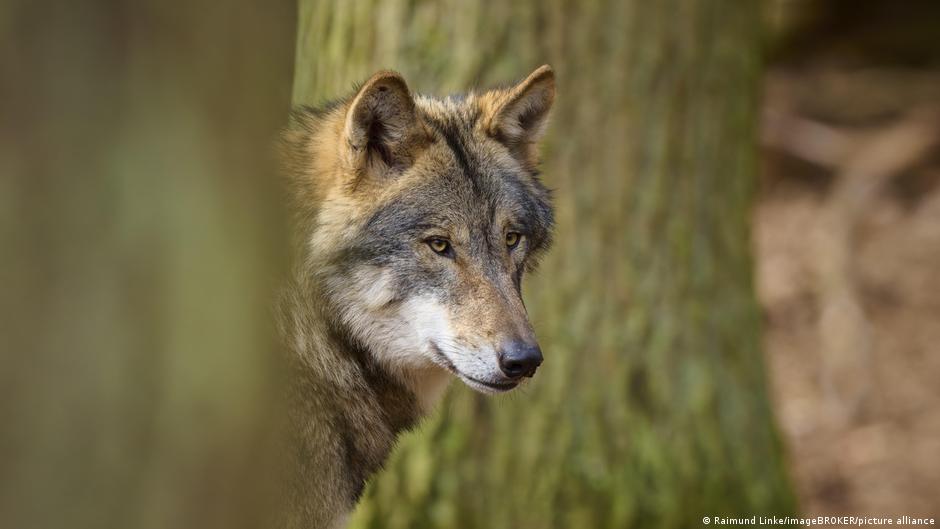
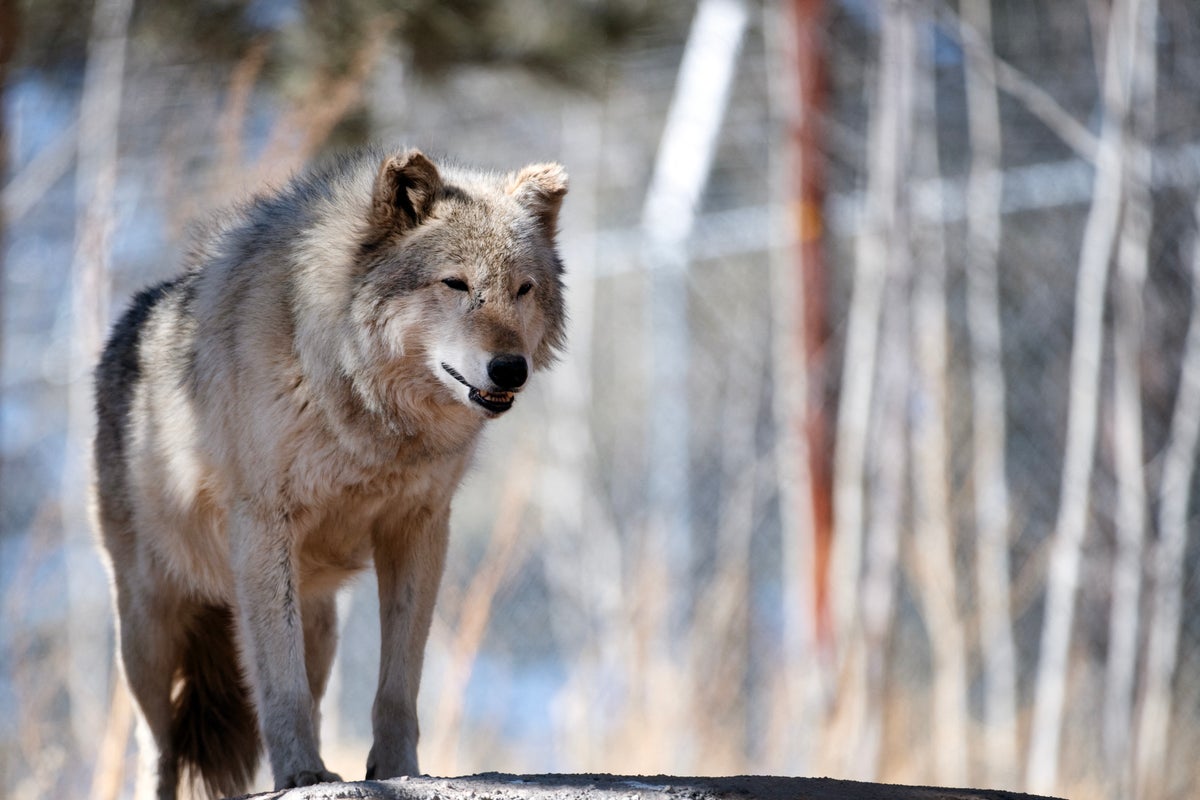
4 days agoBritain has just 20 years to save its wildlife, experts warn
'Our results show that the next 20 years are critical,' lead author Dr Rob Cooke told the Daily Mail. 'By around 2050, we reach a point where the choices we make on emissions and land use will largely determine whether Britain moves towards a much more degraded or a much more nature‑positive future.'
Environment
Psychology
fromSilicon Canals
2 days agoResearch suggests people who feel more empathy for dogs than humans aren't broken - their empathy is fully intact, it's just been directed toward the only available recipient that has never weaponized it, and a person whose empathy has been weaponized enough times eventually stops handing it to anyone who could do it again - Silicon Canals
Empathy can be selective, often directed more towards animals than humans due to psychological and biological factors.
Psychology
fromSilicon Canals
1 day agoPsychology says the loneliest people in life aren't the ones nobody likes - they're the kind, helpful people everyone appreciates but nobody thinks to check on because they seem so self-sufficient - Silicon Canals
Highly capable, helpful individuals often feel lonely because their strength creates an illusion that they do not need support.
fromOpen Culture
2 weeks agoIn Her Final Reflections, Jane Goodall Issues a Warning: "Without Hope, We Fall Into Apathy"
Somebody sent to this world to try to give people hope in dark times, because without hope, we fall into apathy and do nothing, and in the dark times that we are living in now, if people don't have hope, we're doomed. How can we bring little children into this dark world we've created and let them be surrounded by people who've given up?
Writing
Agriculture
fromdesignboom | architecture & design magazine
1 week agourban rewilding in practice: restoring london's heathland for humans, sheep, and ecology
Sheep grazing is proposed to regenerate urban heathland ecology, creating a continuous ecological corridor that supports both human and non-human systems.
fromwww.npr.org
3 weeks agoVaccinating bats could be good for people. But how do you vaccinate a bat?
Bats carry a lot of very deadly pathogens like Ebola virus, Nipah, Hendra, coronavirus, and also rabies virus. People are finding more and more bat-borne viruses. When such viruses are transmitted to humans, the results are often fatal so there's a lot of interest in trying to prevent spillover in the first place.
Coronavirus
fromSFGATE
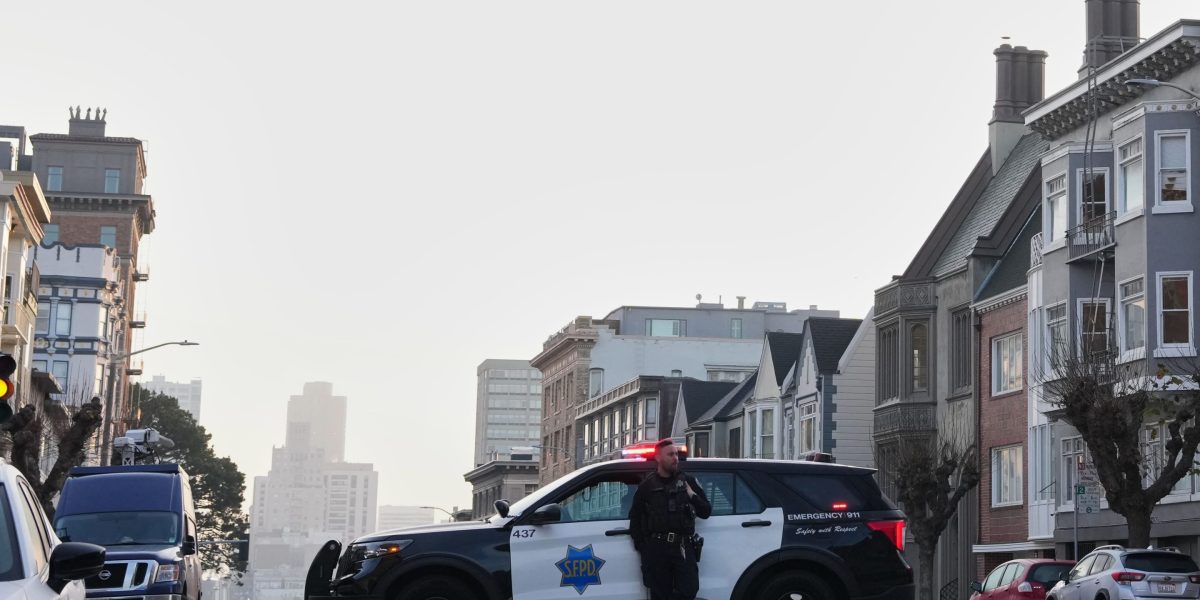
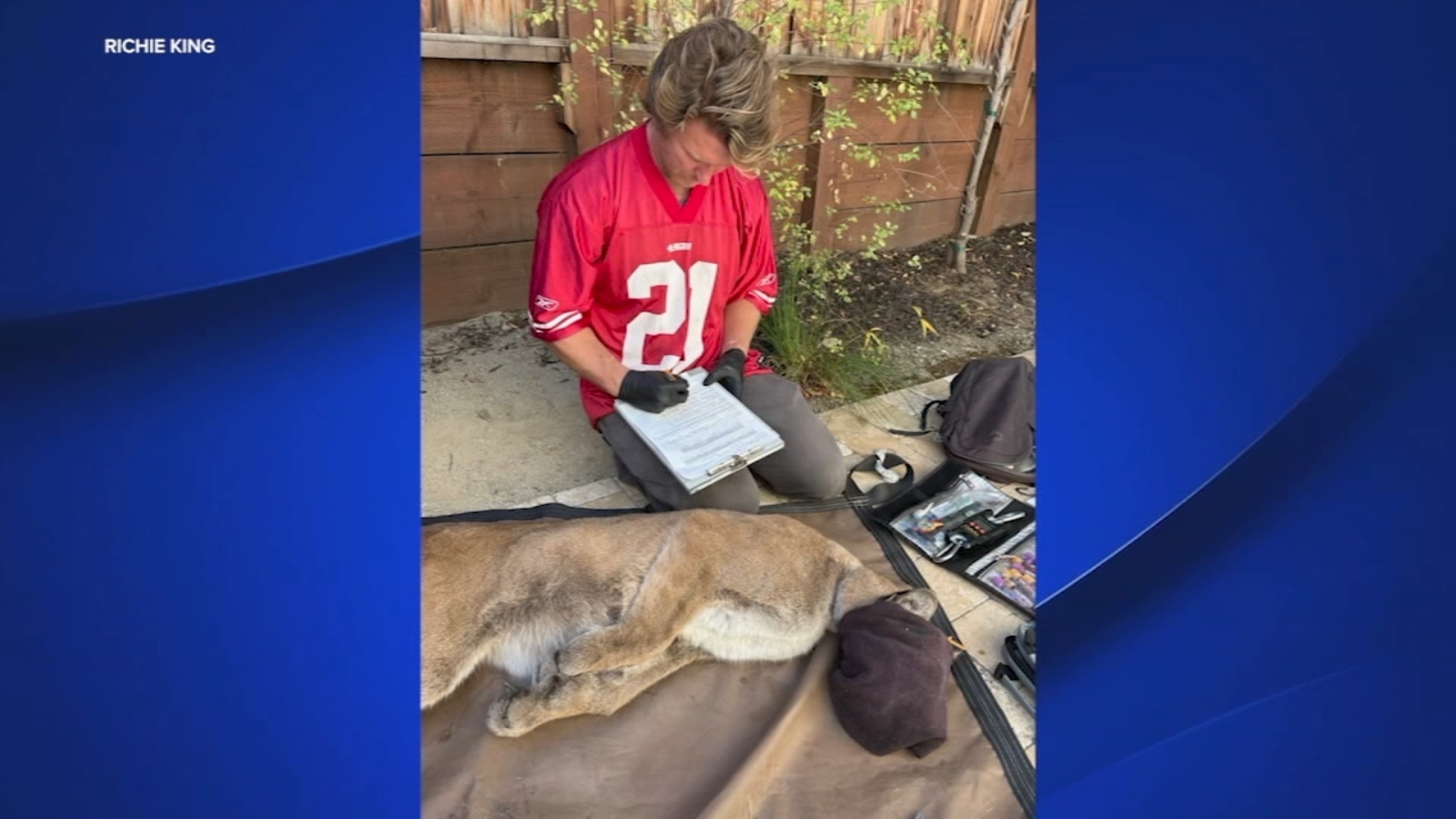
2 weeks agoThe race to save endangered mountain lions in the Calif. desert
Before state Route 62 was built, there was seamless 95-mile-long habitat connectivity between the San Bernardino and Little San Bernardino mountain ranges, extending from the I-10 south of Joshua Tree National Park to the I-15 near the Cajon Pass. Now, plans for two new wildlife crossings across the highway aim to bring back some of that connectivity, while potentially saving a local population on the brink of extinction in the process.
SF parents
fromNature
3 weeks agoPrevent pandemics through One Health commitments
Risks of outbreaks with pandemic potential rise with increasing land-use change, biodiversity loss and climate change. The Pandemic Agreement adopted by the World Health Assembly in 2025 marks a historic shift that establishes the One Health approach as a legally binding obligation for pandemic prevention.
Public health
Psychology
fromSilicon Canals
1 week agoThere's a kind of intelligence that never gets measured because it lives entirely in the body. The person who can feel the weather changing in their knees, read a dog's mood from across the street, and know a room is wrong before anyone speaks. - Silicon Canals
Intelligence extends beyond cognitive abilities, encompassing bodily awareness and interoception as vital forms of processing information.
fromHigh Country News
1 month agoCoyotes and cougars and rats, oh my! - High Country News
An unnamed tourist saw it and told Aidan Moore, who works for Alcatraz City Cruises. Moore told SFGATE that he was initially skeptical, but the guest's iPhone footage left little room for doubt. The video shows, not a sea lion or an otter, but an actual Canis latrans, doggedly dogpaddling, then clambering out of the water, noticeably shaky and struggling to settle tired paws on the craggy rocks.
California
Chicago Bears
fromHigh Country News
1 month agoCan Alaska save caribou by killing bears? - High Country News
Alaska's Mulchatna caribou herd has collapsed from 200,000 animals in the 1990s to 12,000 in 2022, devastating Indigenous subsistence hunting and prompting controversial wildlife management interventions including hunting bans and aerial predator culling.


fromHigh Country News
1 month agoIt's time to rethink how we care for our public lands and waters - High Country News
Wildlife populations are in decline. Recreation sites are crowded and often underfunded. Wildfires are larger, more destructive and harder to control. Climate change is reshaping natural systems, from ocean fisheries to mountain snowpacks, faster than institutions can respond. At the same time, communities are being asked to host new energy projects, transmission lines and mineral development - often without clear processes, adequate resources or trust that decisions are being made in the public interest.
Environment
fromwww.theguardian.com
2 weeks agoSmall changes in how we garden can make a big difference to birds | Letter
Around a third of UK gardeners use pesticides, and our studies found that house sparrow numbers, for example, were nearly 40% lower in gardens where the pesticide metaldehyde was used. By reducing pesticide use, you can actively encourage birds back into your outdoor spaces, as they rely on invertebrates such as slugs and snails as natural prey.
Pets

Environment
fromwww.theguardian.com
1 month agoThat's a losing battle': baboon incursions cause tense human-wildlife standoff in Cape Town
Increasing baboon populations in Cape Town, driven by urban expansion and lack of predators, are causing frequent human-baboon conflicts and traumatic intrusions into communities.
fromMindful
1 month agoCan Compassion Save the Planet?
When British author Karen Armstrong won the TED prize in 2008, she used the money to convene a group of religious thinkers from a wide range of faiths to craft an updated version of the Golden Rule for the 21st century. What emerged was the Charter for Compassion, which calls on people around the world "to work tirelessly to alleviate the suffering of our fellow creatures, to dethrone ourselves from the center of our world and put another there, and to honor the inviolable sanctity of every single human being, treating everybody, without exception, with absolute justice, equity and respect."
Philosophy
fromThe Walrus
2 months agoWhat a Standoff with a Black Bear Taught Me about Life in Northern Alberta | The Walrus
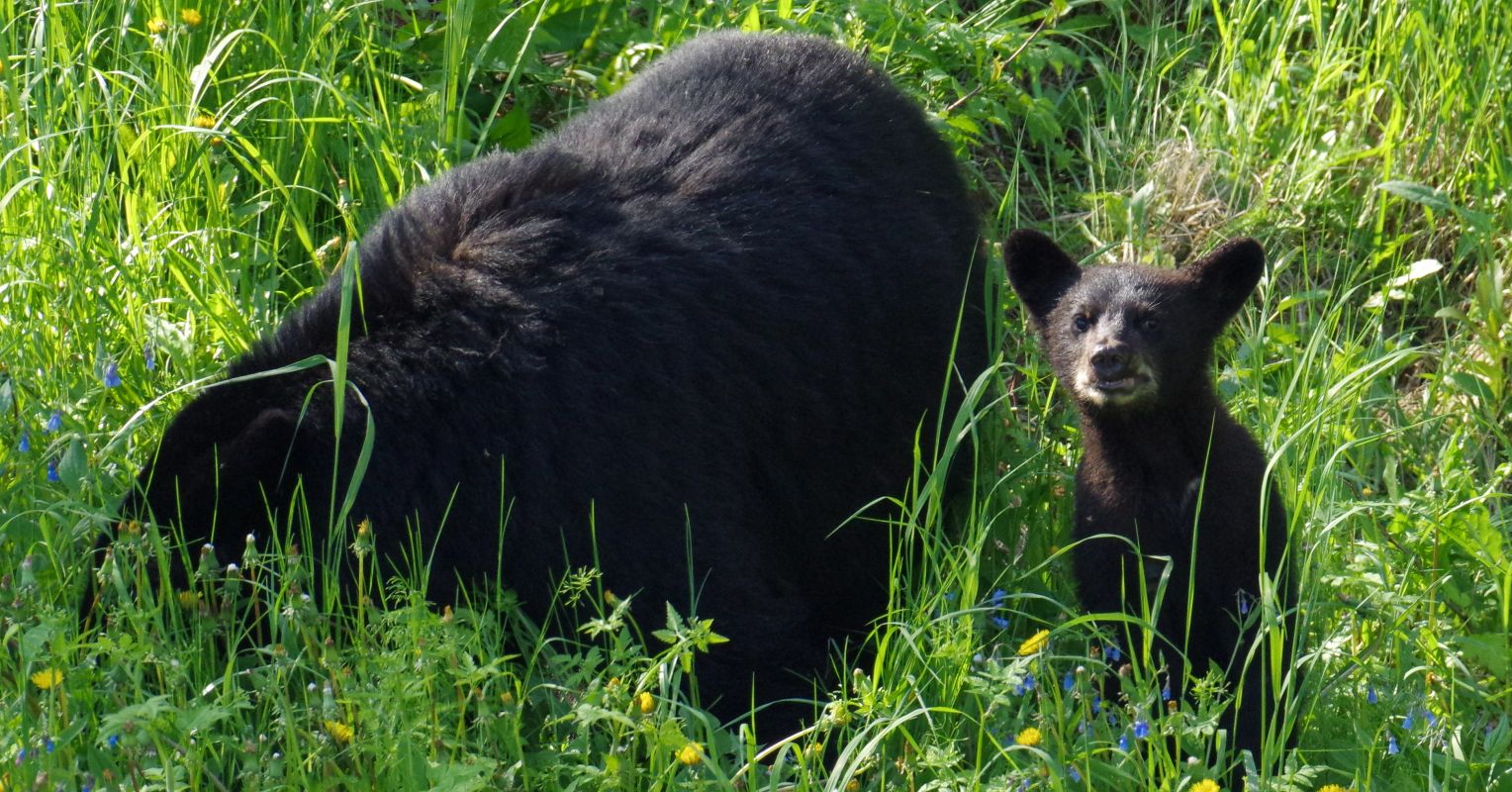
I was five years old when I had my first encounter with a black bear. In the spring of 1990, my father, a wildlife biologist, brought home an orphaned three-month-old cub in a cardboard box. The cub's mother, having burrowed beneath the roots of an old tree, had been killed in the den by a logging excavator, but the cub, weighing barely more than a bag of apples, survived. Forestry workers caught the young bear and dropped it off at the Fish and Wildlife office in Peace River, Alberta, where my dad worked, and he called my mom with the news.
Miscellaneous
fromAnimals Around The Globe
2 months agoThe Animal Personality That Captures Your Social Media Style
Ever wondered what your Instagram feed says about your inner animal? Or why you scroll through TikTok like a cautious deer while your friend posts boldly like a roaring lion? The way we use social media mirrors the same personality traits scientists have found in animals for decades. Just as personality traits like neuroticism, agreeableness and extraversion have been studied in animals, these same traits shape how we present ourselves online.
Psychology
fromwww.theguardian.com
2 months agoExperience: a bear moved into my house
The next morning, I checked the critter-cams and saw the bear again, now captured by a camera I'd placed by a little mesh-covered opening near the small basement under my house. I watched as a massive shape emerged from the hole. My brain refused to believe it. The bear looked too large to fit in that tiny gap. I watched it again, shocked. My hands started to sweat.
Environment
[ Load more ]