#hydrocarbons-law
#hydrocarbons-law
[ follow ]
#oil-prices #strait-of-hormuz #iran #renewable-energy #middle-east-conflict #energy-crisis #energy-security
#windfall-tax
Europe news
fromFortune
1 day agoEuropean ministers urge EU to impose windfall taxes on energy companies as prices spike 'to ensure that this burden is distributed fairly' | Fortune
European finance ministers are urging a bloc-wide windfall tax on energy companies to address rising oil and gas prices and inflation concerns.

SF politics
fromFortune
19 hours ago'It's shocking how poorly prepared the administration is': DOGE gutted major energy personnel who warn the U.S. has lost key insights amid Iran war | Fortune
The Trump administration's cuts to the Bureau of Energy Resources hindered U.S. energy diplomacy during escalating tensions with Iran.
#uk-energy-policy
Environment
fromLondon Business News | Londonlovesbusiness.com
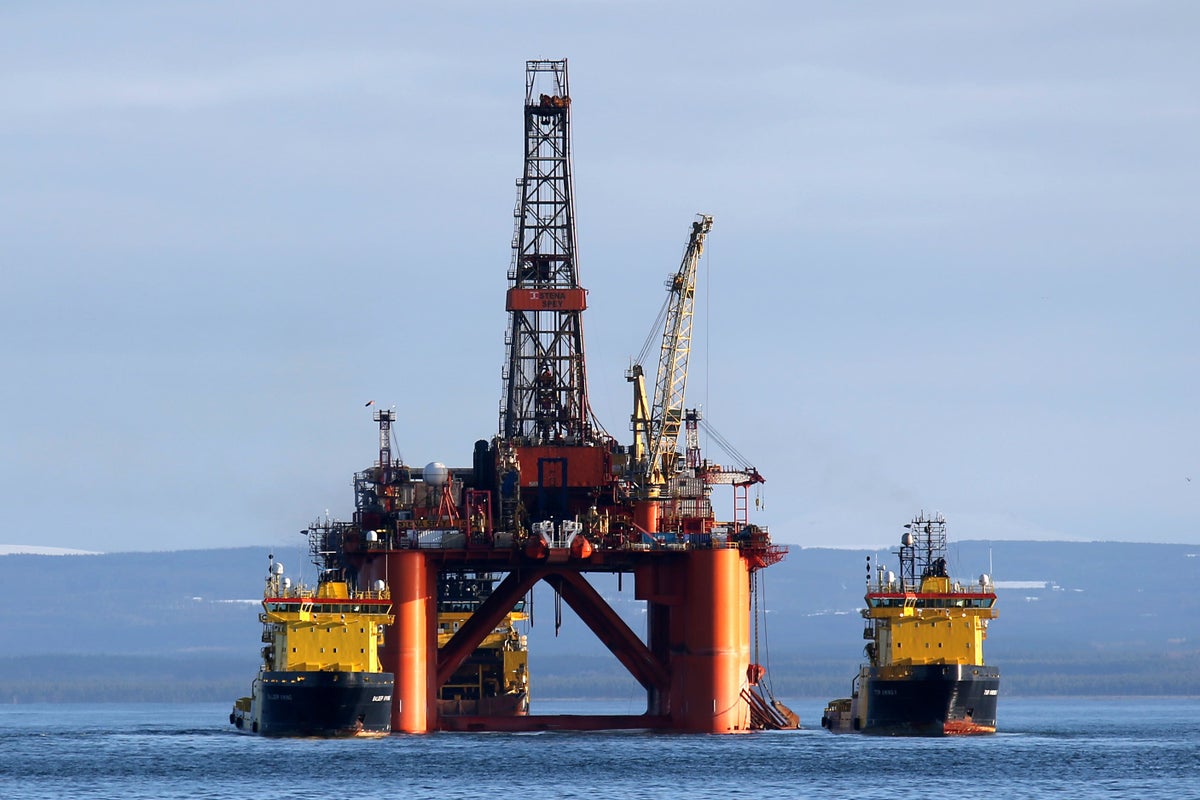
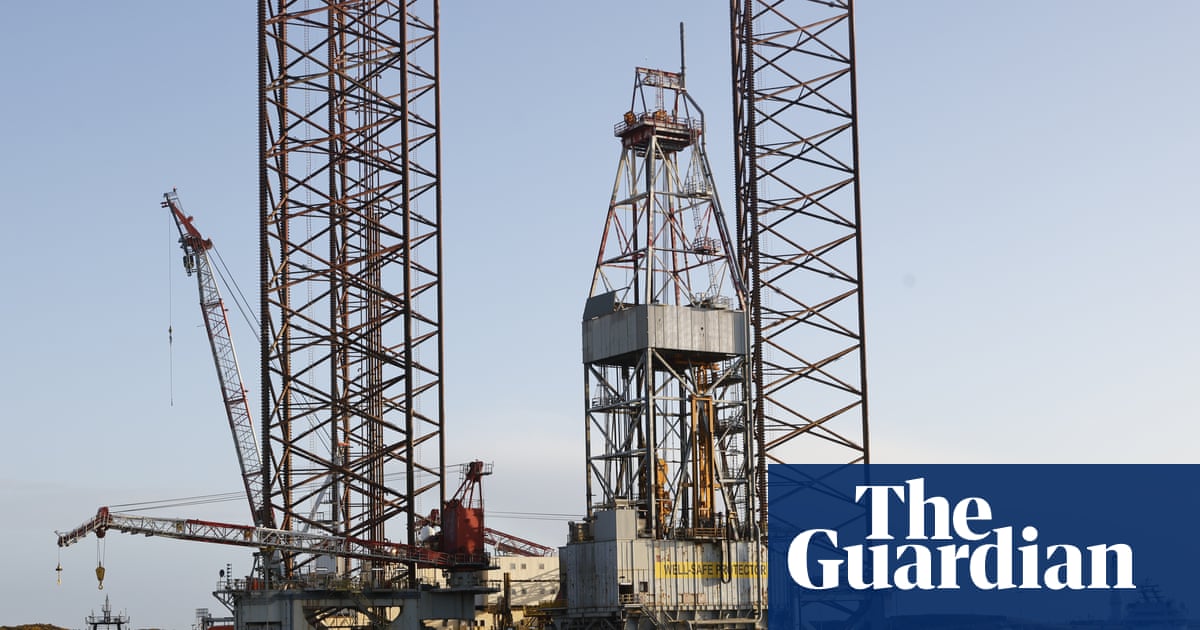
1 week agoGovernment urged to drill in the North Sea to boost oil and gas production - London Business News | Londonlovesbusiness.com
The UK must increase domestic oil and gas production to enhance energy security and reduce greenhouse gas emissions.
fromSilicon Canals
21 hours agoThis isn't 2022: Why the Iran oil shock hits a US economy with no SPR buffer and no Fed room - Silicon Canals
The CPI data due this month will be the first hard measure of American consumer prices since the Strait of Hormuz became a conflict zone, and every early signal points to a number that will shock people who stopped paying attention to energy transmission mechanisms after 2022.
US politics
fromIrish Independent
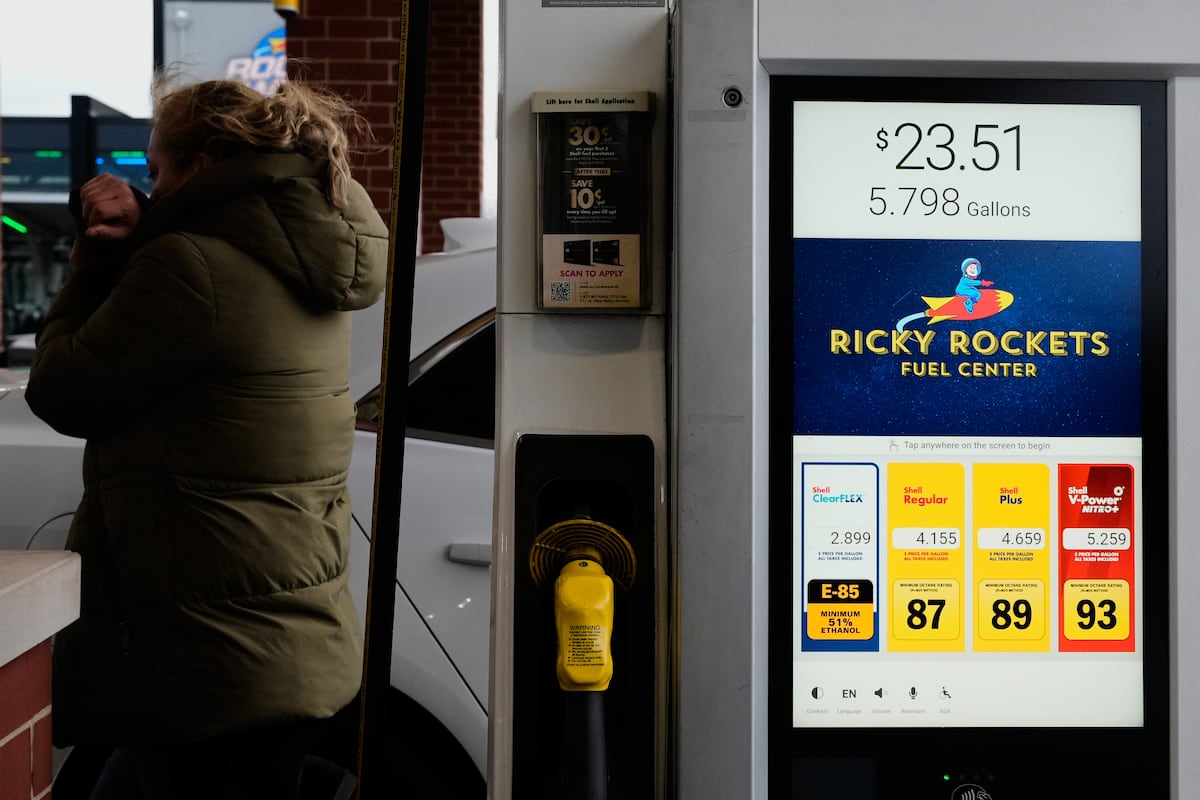
3 days agoHopes dim for swift end to Iran war after Trump's television speech; oil prices surge anew
We, the Ministers of Foreign Affairs of Belgium, Croatia, Estonia, Finland, Iceland, Italy, Ireland, Latvia, Luxembourg, Moldova, Norway, Poland, San Marino, Spain and Sweden, concerned by the conflict in the Middle East, are appalled by the dramatic situation and renewed escalation of violence in Lebanon, where there are already 1.2 million internally displaced persons, representing some 25% of the overall population.
France politics
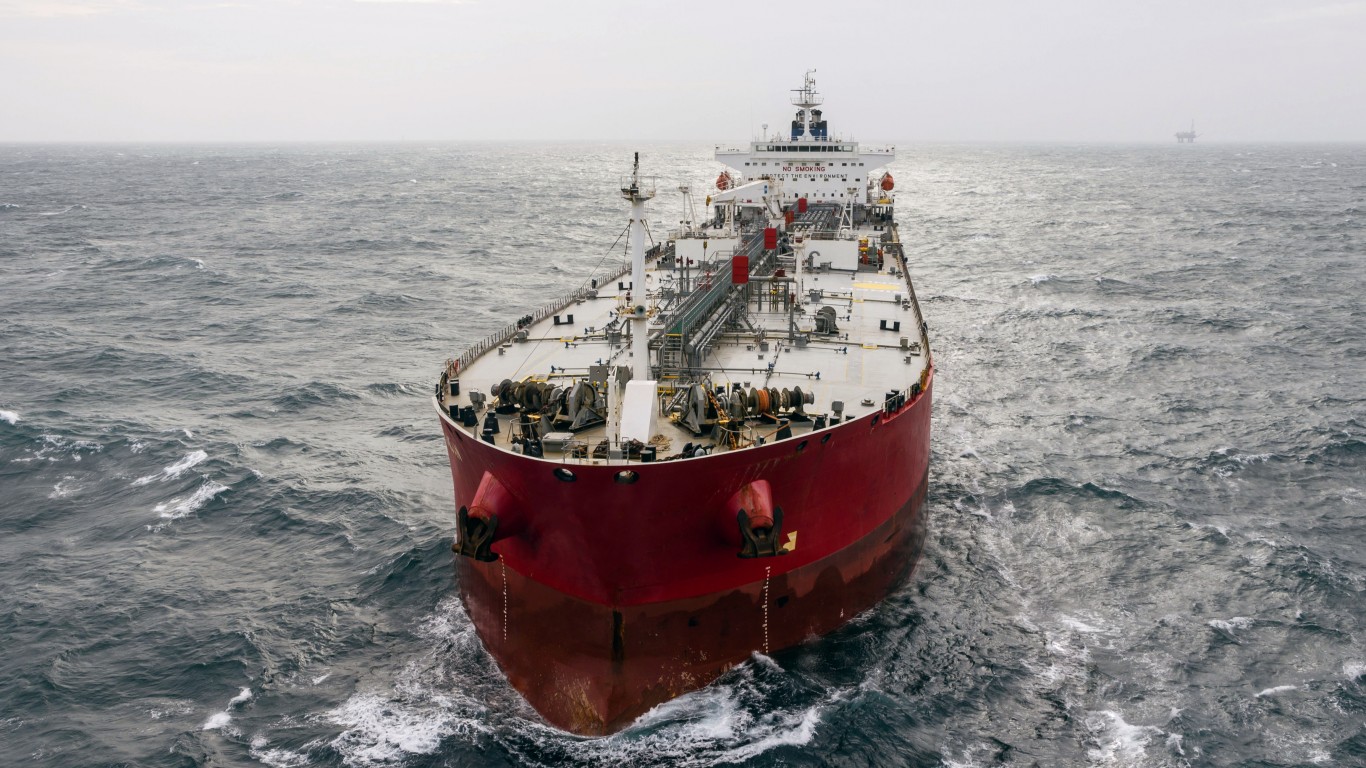


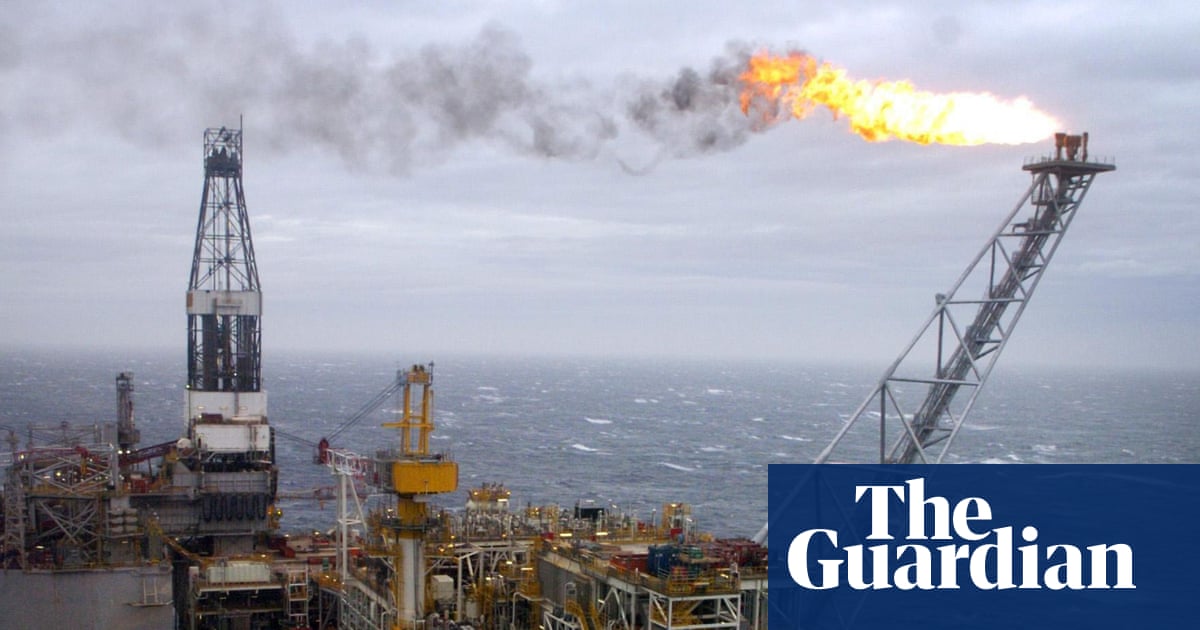

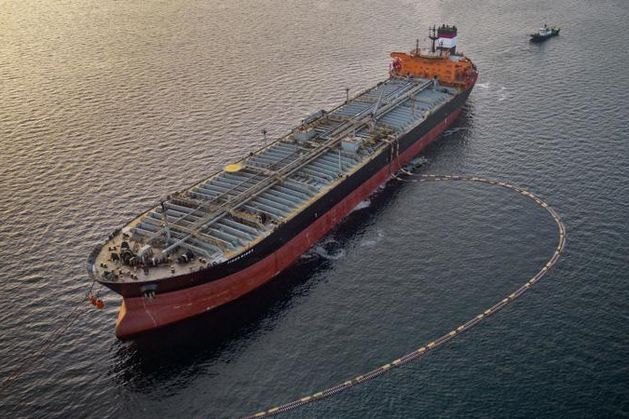

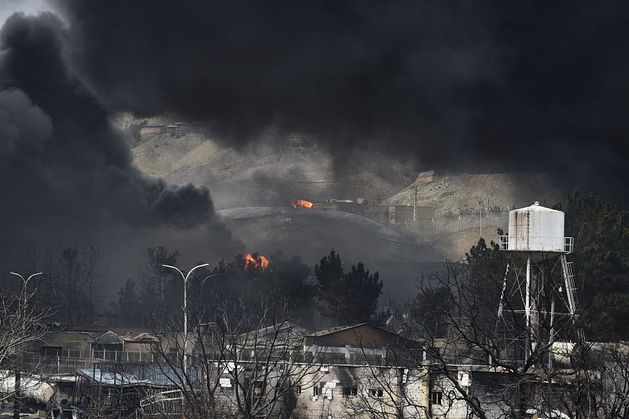
fromwww.aljazeera.com
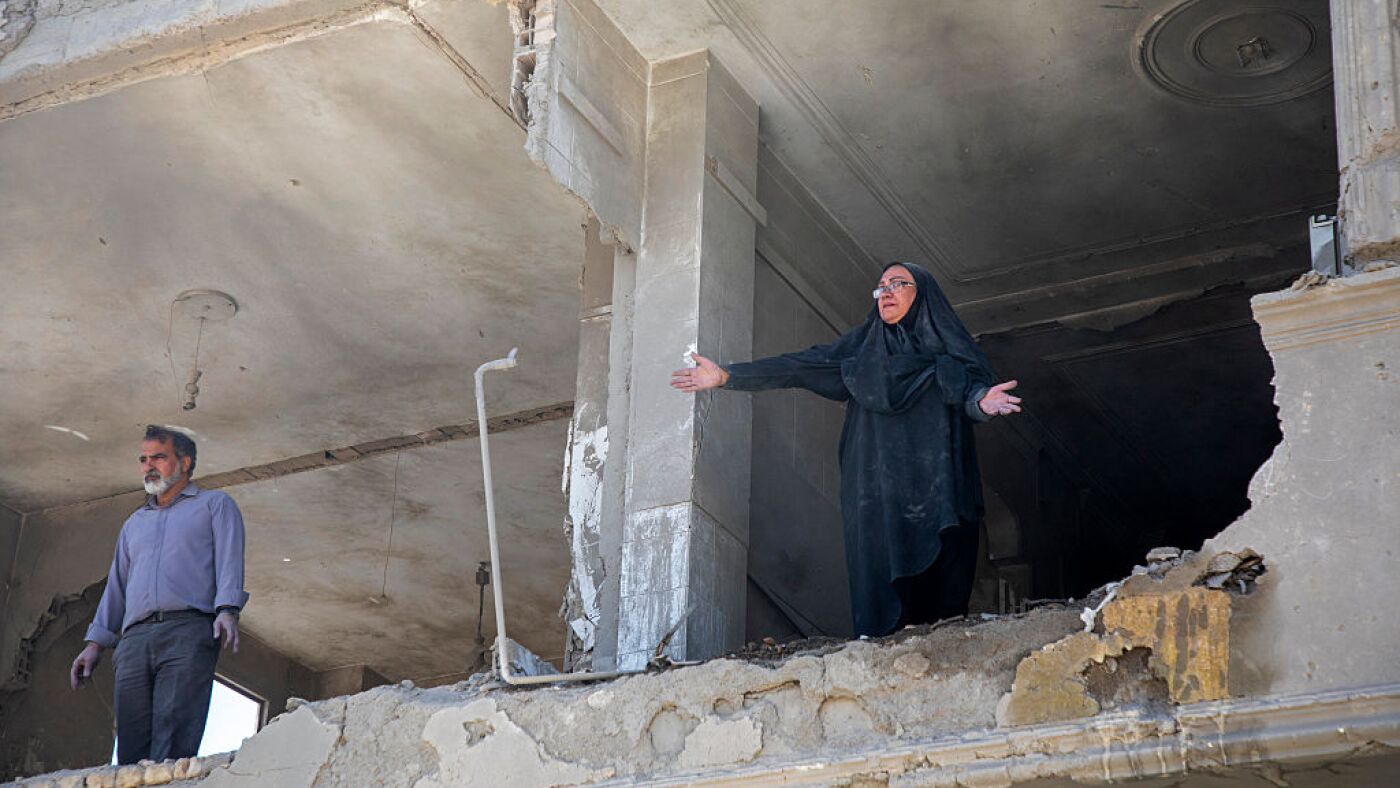
10 hours agoOPEC+ agrees to hike oil output, warns of slow recovery after attacks
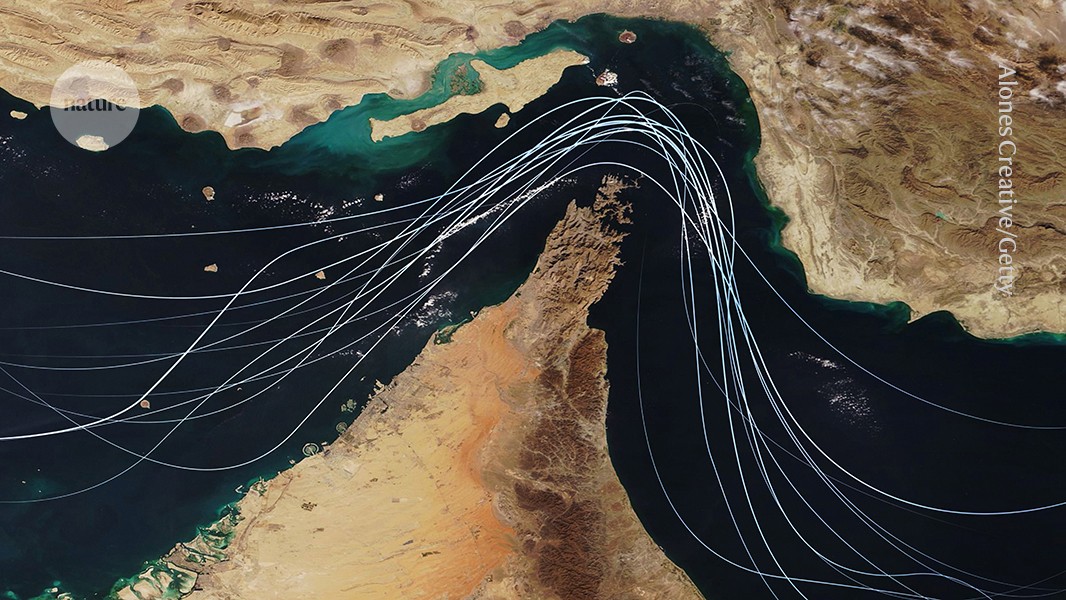
The war has effectively blocked the Strait of Hormuz, the world's most important oil route, since the end of February and cut exports from OPEC+ members Saudi Arabia, the United Arab Emirates (UAE), Kuwait and Iraq.
World news
fromFortune
3 days agoCountries are turning to 'structurally more resilient' energy sources as oil and gas crisis deepens, UN renewables chief says | Fortune
"A more decentralized energy system, with a growing share of renewables and more market players, is structurally more resilient. Countries that invested in the energy transition are weathering this crisis with less economic damage, as they boost energy security, resilience and competitiveness."
Environment
World news
fromFortune
4 hours agoOil climbs and stock futures drop as fuel shortages spread while Trump makes series of apocalyptic threats against Iran ahead of moving deadline | Fortune
Wall Street reacts to ongoing U.S.-Iran conflict with fluctuating stock futures and rising oil prices amid threats from President Trump.
Environment
fromwww.theguardian.com
4 days agoAsia ramps up use of dirty fuels to cover energy shortfall triggered by Iran war
Asian governments are increasing coal use to address energy shortages caused by geopolitical conflicts, raising environmental concerns and calls for renewable energy investment.
World politics
fromLondon Business News | Londonlovesbusiness.com
3 days agoCrude oil between geopolitical escalation and dollar pressure - London Business News | Londonlovesbusiness.com
Geopolitical factors and monetary conditions are significantly influencing global oil prices, reflecting uncertainty rather than traditional supply and demand.
UK politics
fromLondon Business News | Londonlovesbusiness.com
3 days agoReeves backs North Sea drilling as Labour faces rift over energy policy - London Business News | Londonlovesbusiness.com
Chancellor Rachel Reeves supports expanded North Sea oil and gas drilling, emphasizing job creation and energy security amid rising global fuel prices.
#strait-of-hormuz


World news
fromIrish Independent
2 days agoEU warns it's 'preparing for worst scenarios' and assessing 'all possibilities' including fuel rationing as energy crisis deepens
Tehran plans to charge for passage through the Strait of Hormuz, aiming to ensure safe navigation amid rising tensions with the US.
fromThe New Yorker
2 weeks agoThe Iran War Is Another Reason to Quit Oil
In the first two weeks of the war, there has been a surge in the number of Americans looking to save money on energy-by asking for quotes on home solar systems and looking up electric vehicles online. We can expect similar trends in other countries. In India, where many kitchens depend on increasingly scarce and costly liquefied petroleum gas cylinders, consumers are racing to buy induction stoves.
Environment
World politics
fromTruthout
3 weeks agoWorld's Dangerous Reliance on Oil Transforms Fossil Fuels Into Weapons of War
Oil prices exceeded $100 per barrel as U.S.-Israeli military actions against Iran threaten global energy supplies, with Iranian officials blocking Middle East oil exports until bombardment ceases.
[ Load more ]